What if you could visit your other selves? We dive into the imaginative and emotional rabbit hole of parallel universes, exploring what meeting your other “You” could teach you about the life you’re living right now.


What if you could visit your other selves? We dive into the imaginative and emotional rabbit hole of parallel universes, exploring what meeting your other “You” could teach you about the life you’re living right now.

How do you feed your inner artist? We explore the profound question of how to nurture your creativity, moving beyond simple tips to uncover the mindsets that foster true inspiration, play, and wonder in everyday life.

Is lying always wrong? We explore the tricky ethics of lying, from small white lies to life-saving deceptions, challenging you to question what it truly means to be a good person in a complicated world.

Feeling stuck? Discover how cultivating gratitude isn’t just about saying thanks, but a powerful mindset shift that can rewire your brain for happiness, resilience, and wonder. Learn the practical magic to find joy in the everyday.

Feeling stuck? Discover the difference between a fixed and growth mindset. Learn how to break through learning plateaus and unlock your brain’s true potential.

What is your most vivid childhood memory? The story of your first love? The moment you achieved a great success? What if I told you that memory might be wrong? This week, in our series finale, we tackle the most personal biases of all—the ones that live inside our own heads. We’ll discover how easily false memories can be planted, why we only remember the best and worst moments of a vacation, and how you might be accidentally stealing ideas. Prepare to question everything you think you know about your past.


The true goal of learning about cognitive biases isn’t to become a perfect robot. It’s to become a “Rational Empath.” This capstone article explores how understanding our own flawed thinking leads to greater compassion, forgiveness, and wisdom.

Cognitive biases rarely act alone. Discover how biases interact and compound each other in a “cognitive cascade.” Using the legendary “New Coke” failure as a case study, we deconstruct how a chain reaction of flawed thinking leads to disastrous outcomes.

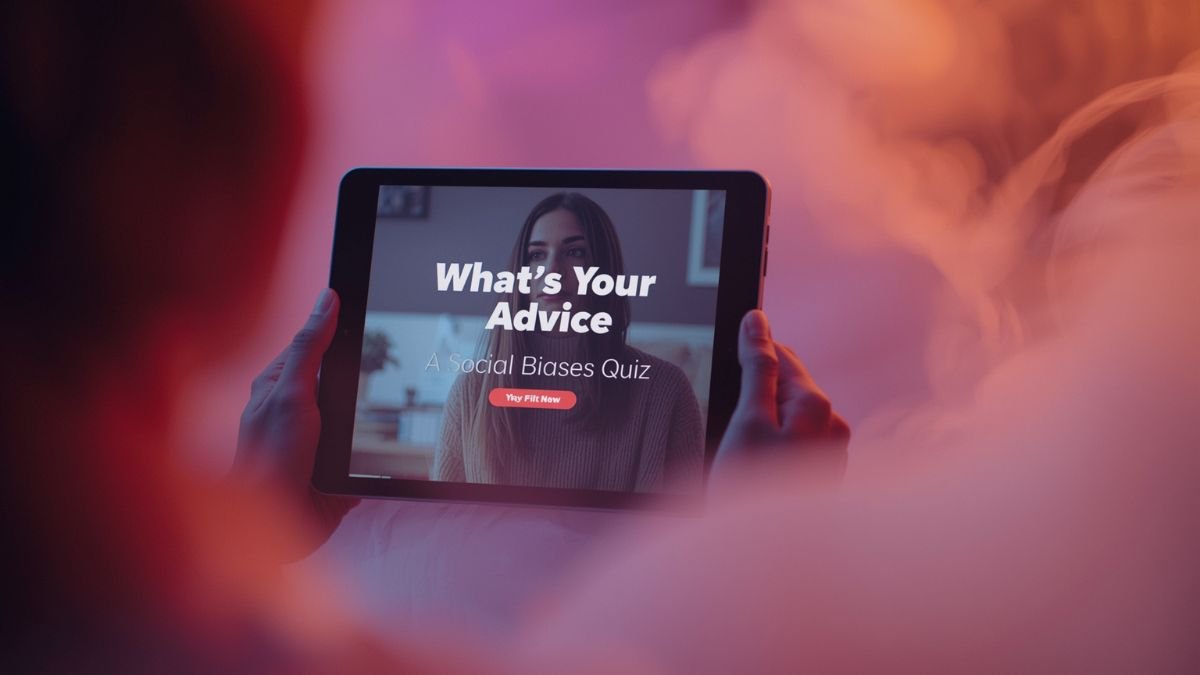
Can you avoid common social pitfalls like Groupthink or the Bystander Effect? Take this scenario-based quiz to learn actionable strategies for smarter social interaction.

Why do we instantly judge a stranger based on their clothes? Why do good people sometimes stand by and do nothing in a group? Human beings are social animals, but our social instincts can lead us down dangerous paths. This week, we enter the complex world of social psychology to explore the biases that govern our group behavior. We’ll tackle stereotypes, peer pressure, and why we often blame the victim. Get ready to rethink your social world.

Five thousand years of history bring us to the hardest questions: what policies actually protect people, what evidence says about different approaches, and what it would mean to organize our response to commercial sex around the genuine interests of the most vulnerable people involved.

The internet transformed commercial sex as radically as anything since the industrial revolution — enabling greater autonomy for some, creating new vectors for exploitation for others, and producing a legislative and ethical landscape that nobody has figured out how to navigate. This episode examines FOSTA-SESTA, OnlyFans, the trafficking-platform debate, and where we actually stand.

Beneath the historical narrative is an economic structure — one characterized by specific mechanisms of recruitment, control, and profit extraction that have remained remarkably consistent across centuries and continents. This episode examines the business of commercial sex as a business: how it actually operates, how exploitation is maintained, and where the money actually goes.

The twentieth century saw two world wars that massively expanded military commercial sex economies, massive migration patterns that created new trafficking vulnerabilities, and a wave of criminalization campaigns that often made things worse for the people they claimed to help. This episode traces how the modern policy landscape was created.

Victorian Britain preached sexual purity while building one of the most extensive commercial sex economies in European history. This episode examines the extraordinary contradiction between Victorian public morality and private practice, the Contagious Diseases Acts, the underground networks of London’s streets, and the investigative journalism that exposed child exploitation and changed the law.

European colonialism didn’t just extract gold, spices, and land from colonized peoples — it also created and exploited systems of sexual commerce that were explicitly organized around race. This episode examines how empire built racialized sex economies across Asia, Africa, and the Americas.