Why do onion fumes make us cry? The answer involves volatile sulfur compounds, an enzyme, your eyes’ natural defense system, and a chemical called syn-propanethial-S-oxide — and it is more interesting than you’d expect.
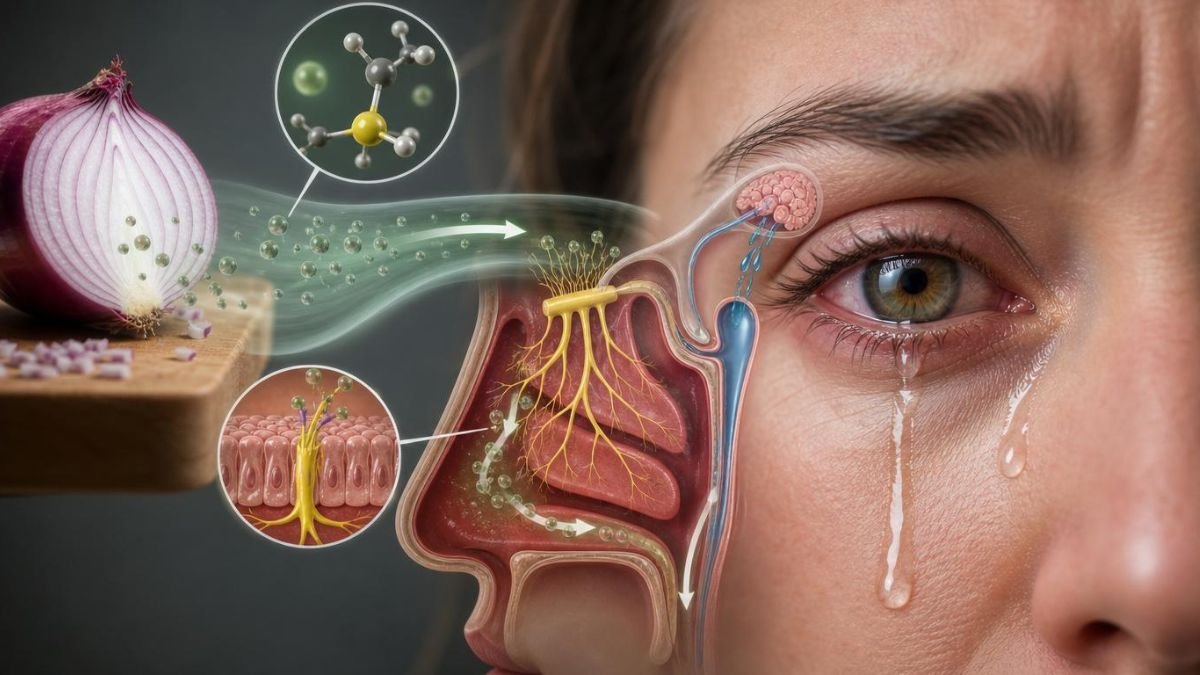

Why do onion fumes make us cry? The answer involves volatile sulfur compounds, an enzyme, your eyes’ natural defense system, and a chemical called syn-propanethial-S-oxide — and it is more interesting than you’d expect.
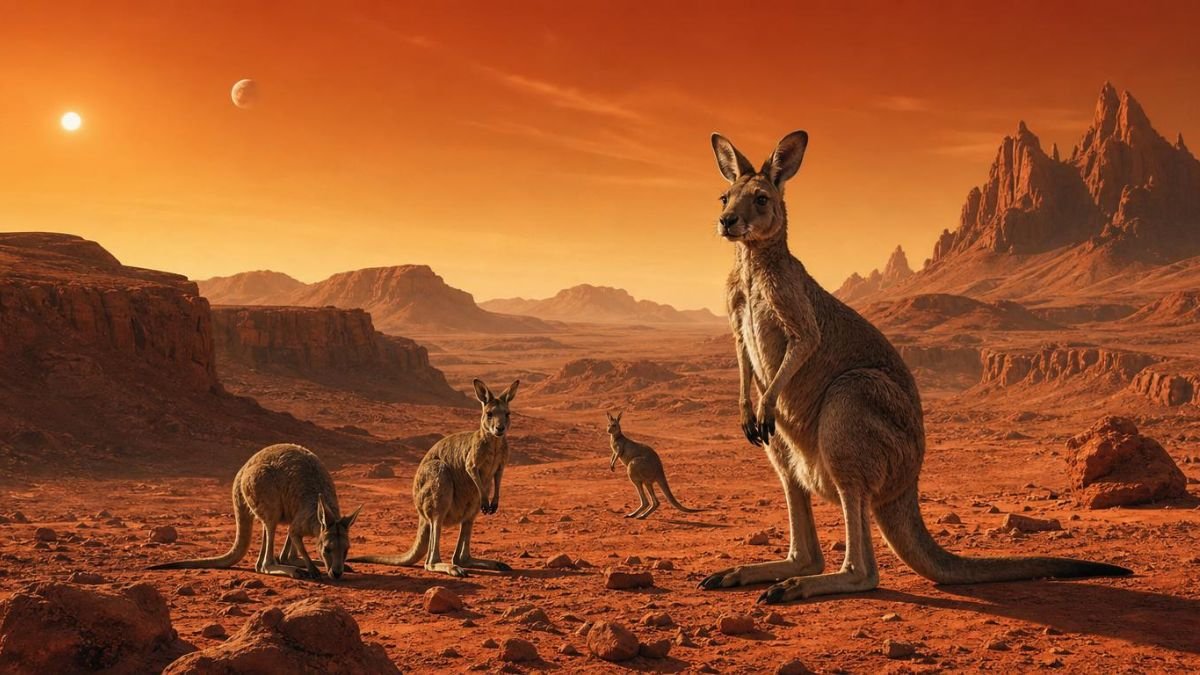
Phantom kangaroos — sightings of kangaroos and wallabies far outside their native range in Australia — have been reported across the United States, Europe, and beyond for over a century. Nobody has a satisfying explanation.
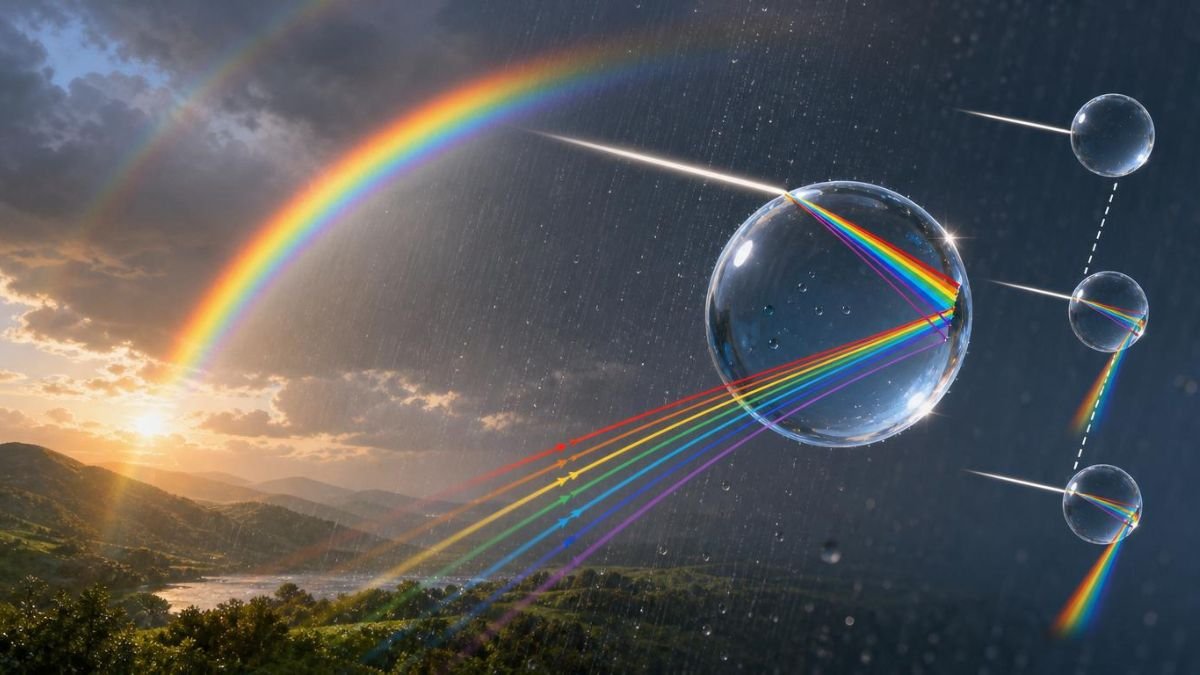
The physics of rainbows — refraction, reflection, and the dispersion of light — is one of the most beautiful demonstrations of optical science in the natural world, hiding in plain sight above every rainy sky.

The problem of evil is the most challenging argument against the existence of a benevolent God — and engaging seriously with it reveals something profound about the nature of suffering, free will, and moral responsibility.
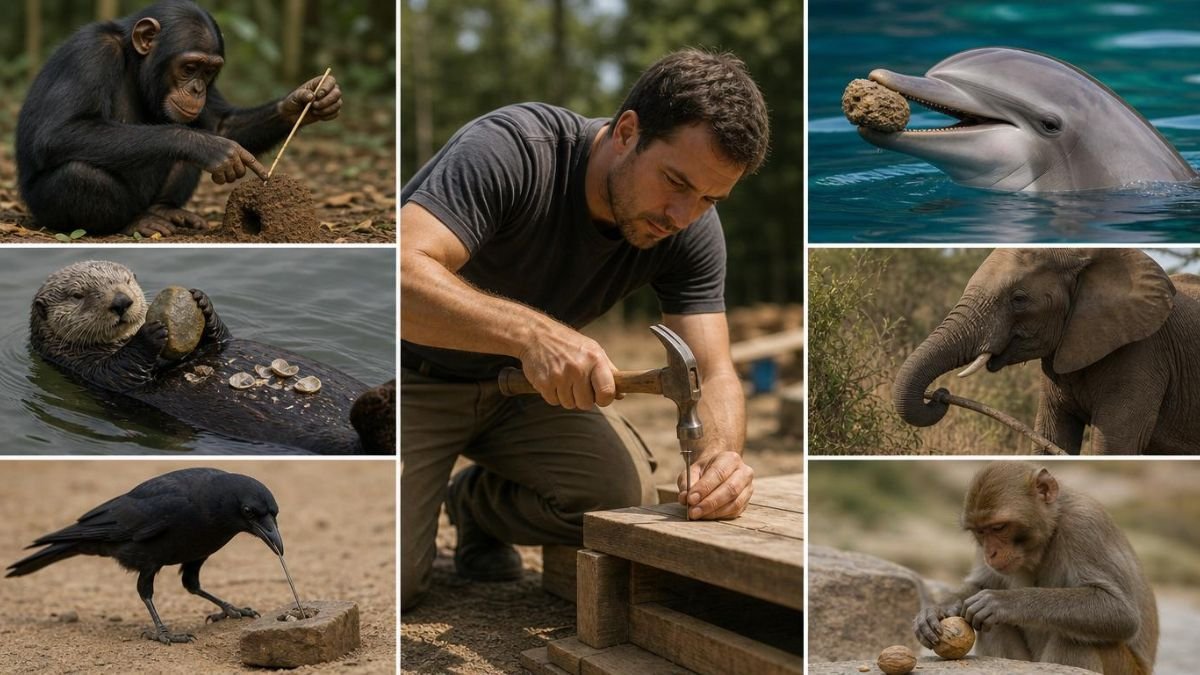
The idea that humans are the only animals that use tools is one of the most thoroughly debunked myths in biology — and what the evidence reveals instead is more humbling, more fascinating, and more philosophically provocative.
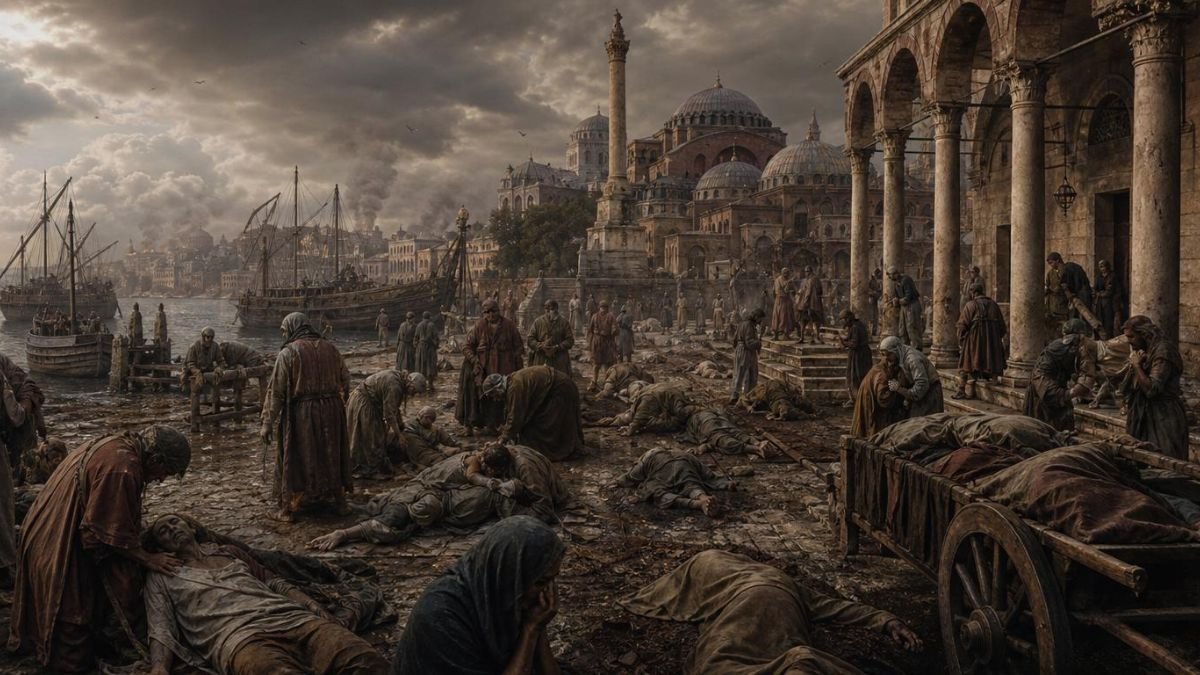
The Plague of Justinian was the first pandemic in recorded history — and its impact on the Byzantine Empire, the Mediterranean world, and the trajectory of Western civilization was devastating and lasting.

The Norse myth of Loki is a masterclass in moral complexity — a god who was simultaneously indispensable and catastrophic, whose trickery and transformation shaped the fate of all the gods and ultimately the world.
Introduction You probably just yawned, or felt the urge to, simply because you are about to read an article about yawning. This is not a coincidence, and it is not a sign of boredom — it is a genuinely remarkable phenomenon that scientists have only partially...
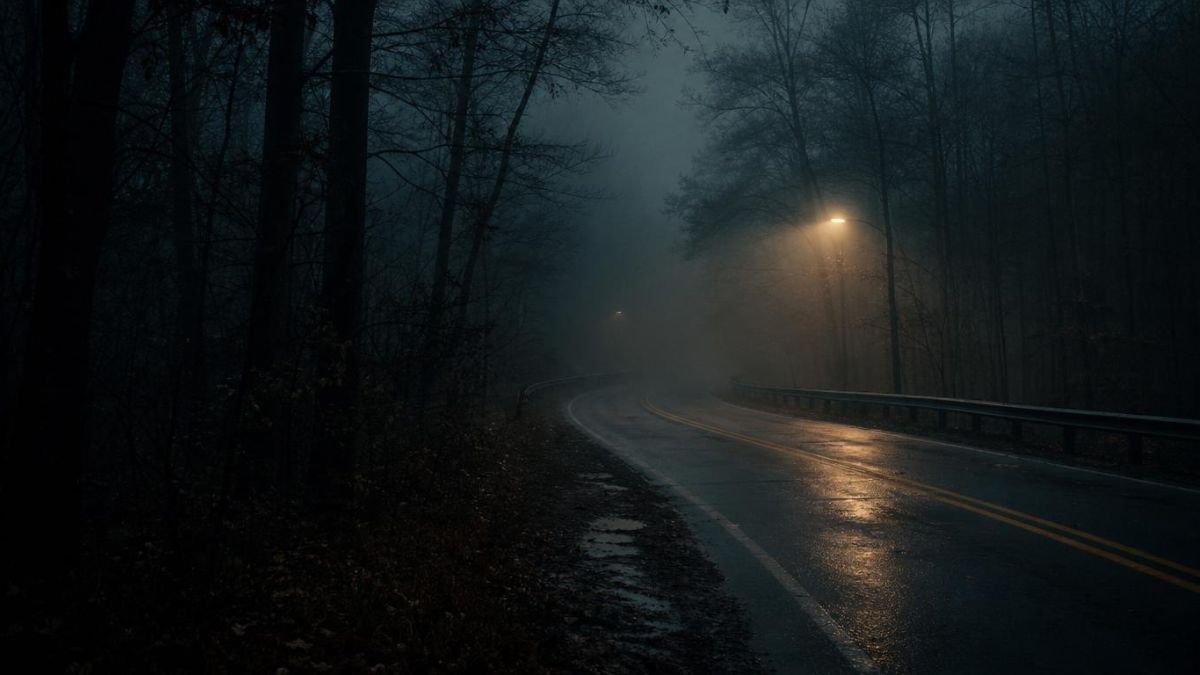
The disappearance of Bryce Laspisa in 2013 is one of the most puzzling and heartbreaking unsolved cases in recent American history — a college student who vanished after a strange road trip, leaving behind more questions than answers.
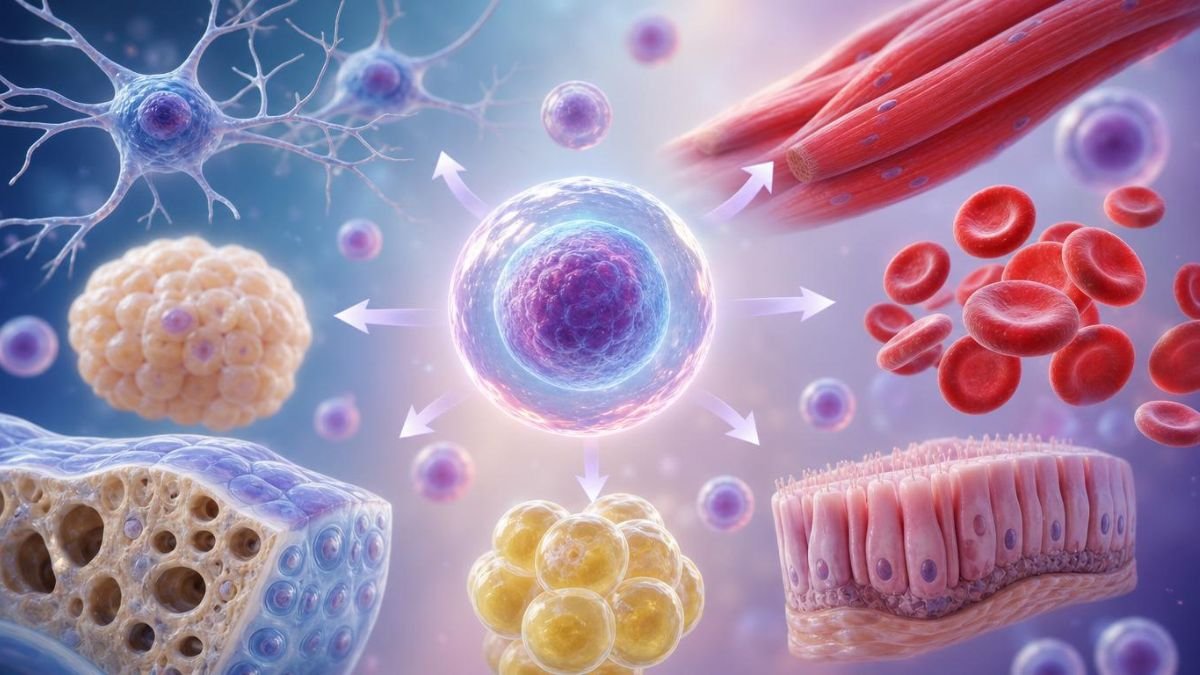
Stem cells are the body’s most remarkable blank slates — cells with the potential to become almost anything. Understanding them unlocks one of the most exciting frontiers in modern medicine.

We use “Luddite” to mean technophobe. The real Luddites were skilled workers fighting over who controls technology and who profits from it — the exact fight we’re having about AI right now.

The Luddites are history’s favorite punchline for anyone who fears progress. But they never opposed machines — and the people who actually killed good technology were rarely holding a hammer. A deep dive into the smearing of a movement and the far quieter sabotage that followed.
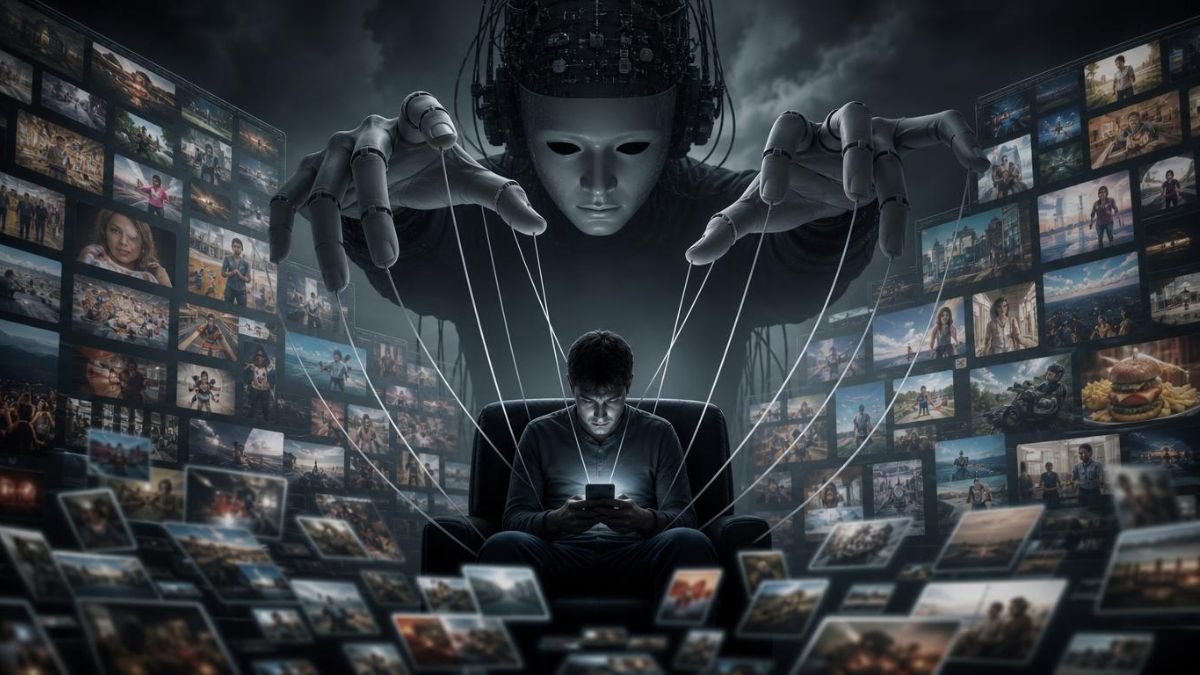
We recoil at AI-generated content while happily consuming whatever an algorithm serves us. This deep dive examines the hypocrisy in our performed disgust, why “human or machine?” is the wrong question, and what a more honest relationship with content actually looks like.

Scientists, poets, and teachers were once public heroes. Now they’re invisible. A deep dive into what actually changed — and what to honestly tell a young person.
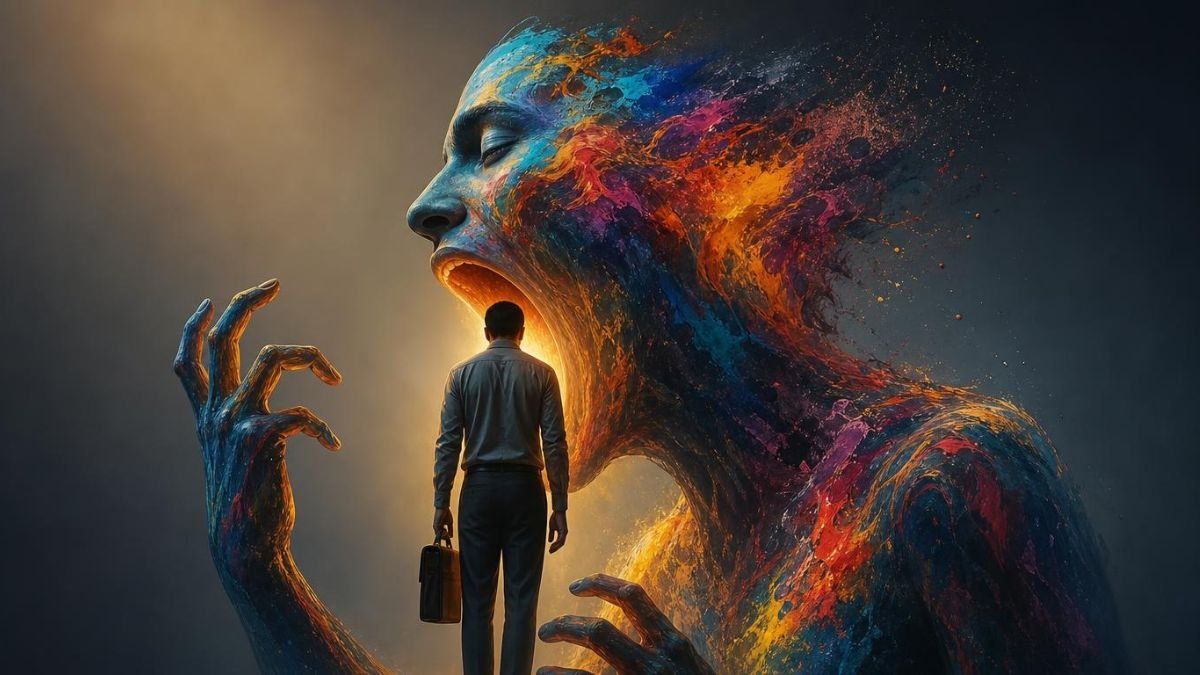
There was a moment when who you are started mattering more than how good you are. Here’s what changed, what we gained, and the quiet bill now coming due.

Fame isn’t random luck or a shadowy conspiracy — it’s a business model. A deep dive into superstar economics, the algorithm, and the dopamine lottery that keeps us all playing.