Explore a thought-provoking look at how society would change if we didn’t have to work. Discover the potential social, economic, and cultural impacts of a world without traditional labor.


Explore a thought-provoking look at how society would change if we didn’t have to work. Discover the potential social, economic, and cultural impacts of a world without traditional labor.

Explore the meaning of being a “good person” through the lenses of morality, ethics, and personal values. Discover the complexities of defining goodness in today’s world and how we can strive to live more meaningful lives.
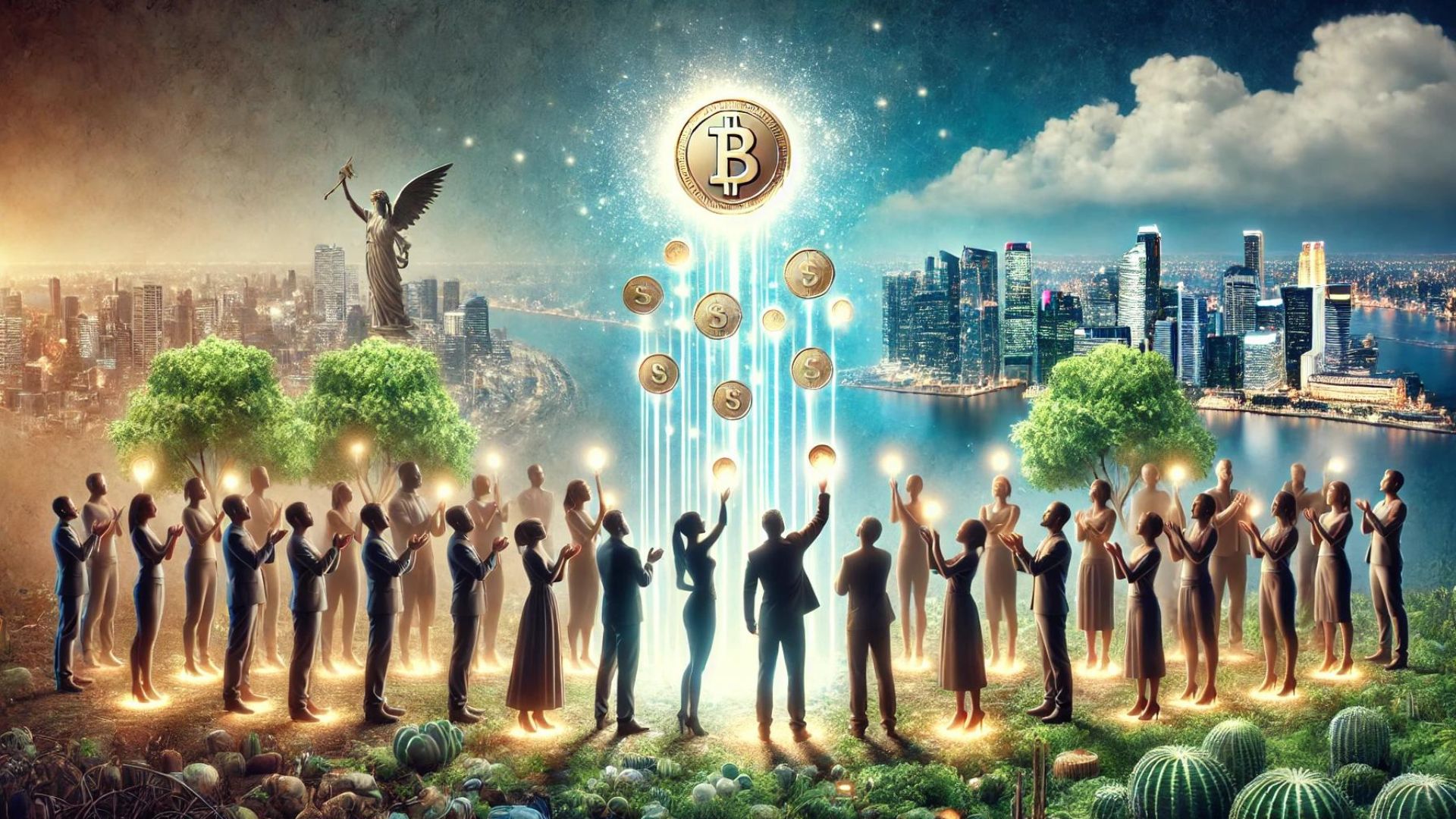
Explore the debate on universal basic income (UBI), discussing whether everyone should receive a basic income, regardless of employment. Consider the potential benefits and challenges of UBI in today’s society.

Explore the future of social media and its impact on human interaction. Discover how evolving platforms will continue to shape our relationships, communication, and society.
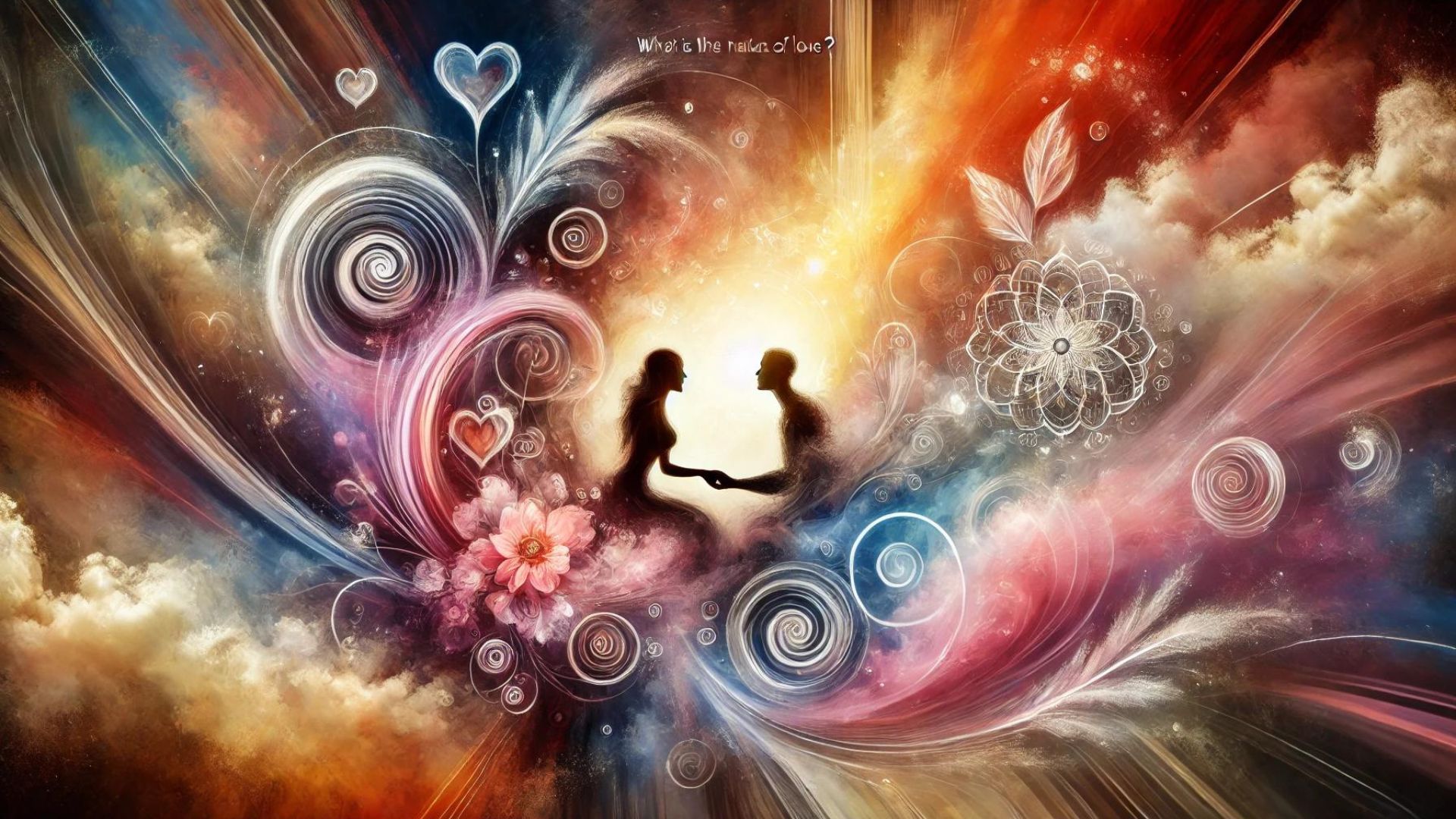
Explore the complex nature of love, from its psychological and biological roots to its cultural impact, and discover what makes love a powerful human experience.

Explore the ethical dilemmas surrounding the justification of war. This thought-provoking article delves into historical examples and philosophical perspectives on whether war can ever be morally justified.

Explore how studying history influences patriotism. Discover if historical knowledge fosters national pride or critical reflection. Thought-provoking insights and perspectives on the impact of history education on patriotism.

Explore the difference between justice and fairness, two fundamental concepts in ethics and law. Understand their unique roles and implications in creating a just society.

Discover the profound life lessons from chess and how the game imparts wisdom and strategies applicable to everyday challenges. Learn the importance and influence of chess over the years.

Delve into the philosophical debate on whether justified beliefs can exist without evidence. Explore different perspectives and their implications in our understanding of knowledge and belief.
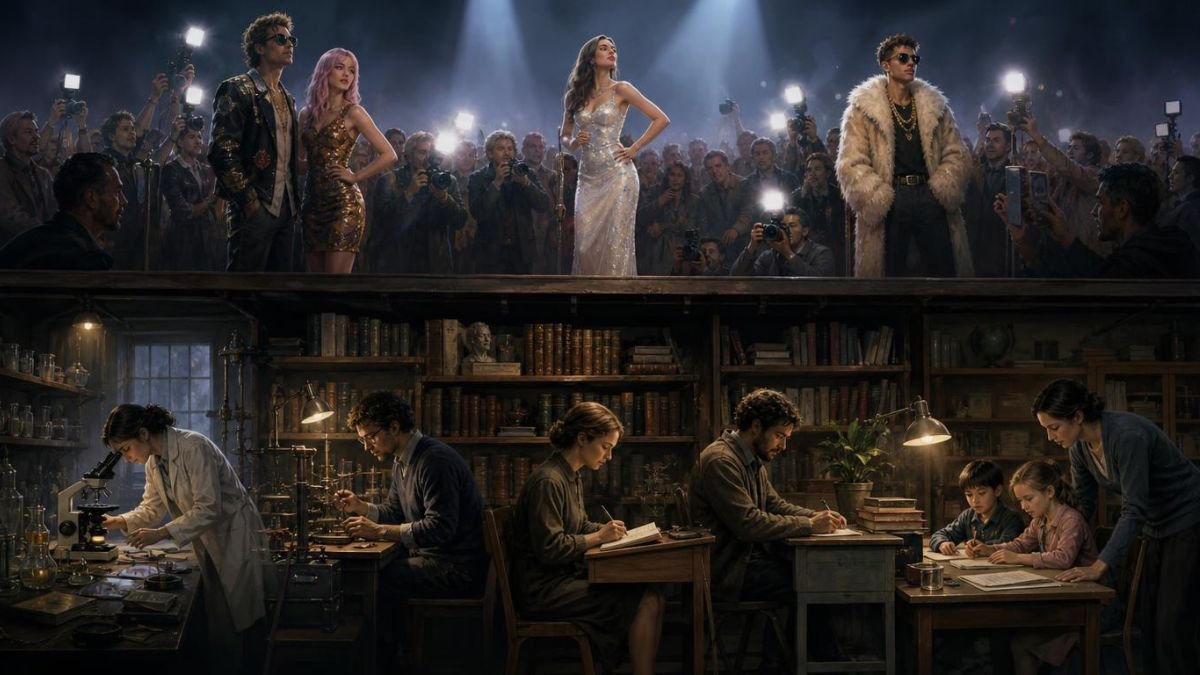
Scientists, poets, and teachers were once public heroes. Now they’re invisible. A deep dive into what actually changed — and what to honestly tell a young person.
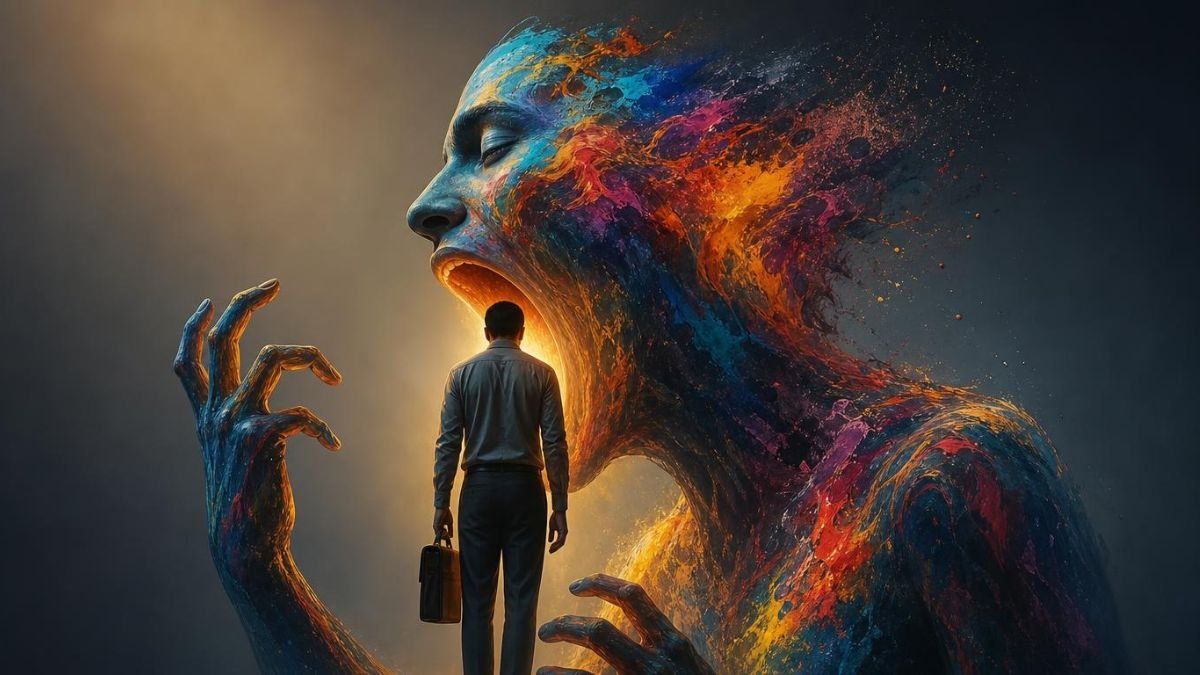
There was a moment when who you are started mattering more than how good you are. Here’s what changed, what we gained, and the quiet bill now coming due.
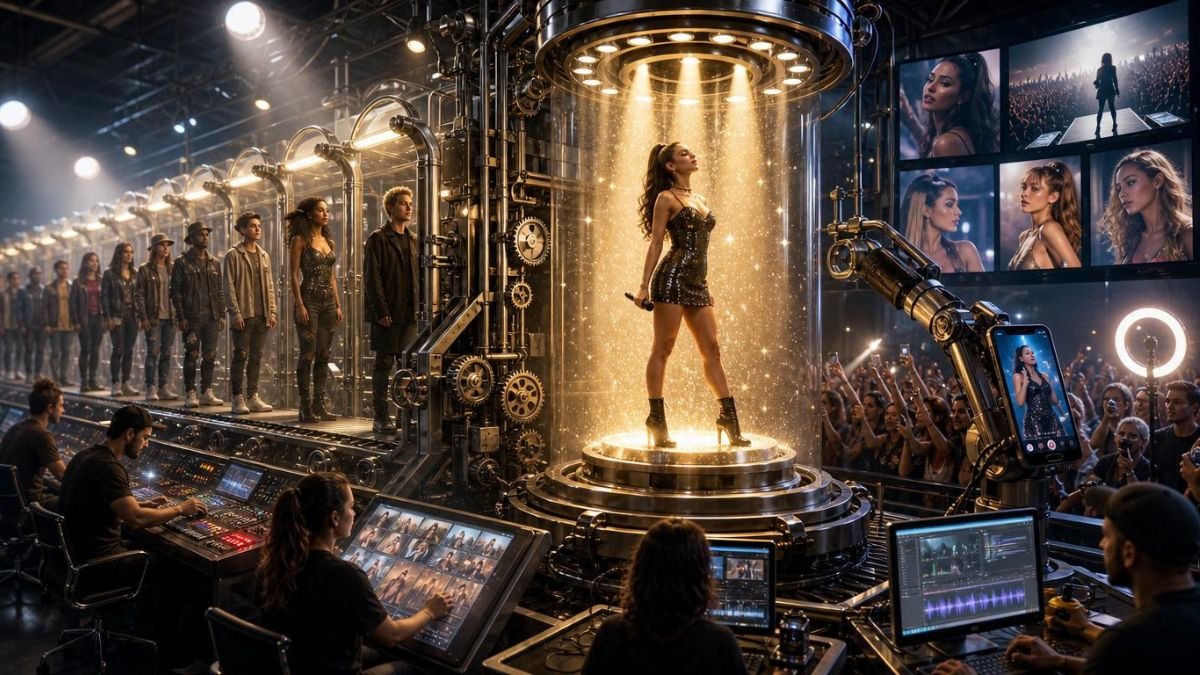
Fame isn’t random luck or a shadowy conspiracy — it’s a business model. A deep dive into superstar economics, the algorithm, and the dopamine lottery that keeps us all playing.

You don’t need to quit everything to be a writer. A warm, dryly funny journal entry on the day job, the starving artist myth, and why “give up all else” is the worst advice in the arts.

Five thousand years of history bring us to the hardest questions: what policies actually protect people, what evidence says about different approaches, and what it would mean to organize our response to commercial sex around the genuine interests of the most vulnerable people involved.
The internet transformed commercial sex as radically as anything since the industrial revolution — enabling greater autonomy for some, creating new vectors for exploitation for others, and producing a legislative and ethical landscape that nobody has figured out how to navigate. This episode examines FOSTA-SESTA, OnlyFans, the trafficking-platform debate, and where we actually stand.