What if you could visit your other selves? We dive into the imaginative and emotional rabbit hole of parallel universes, exploring what meeting your other “You” could teach you about the life you’re living right now.

What if you could visit your other selves? We dive into the imaginative and emotional rabbit hole of parallel universes, exploring what meeting your other “You” could teach you about the life you’re living right now.

How do you feed your inner artist? We explore the profound question of how to nurture your creativity, moving beyond simple tips to uncover the mindsets that foster true inspiration, play, and wonder in everyday life.

Is lying always wrong? We explore the tricky ethics of lying, from small white lies to life-saving deceptions, challenging you to question what it truly means to be a good person in a complicated world.
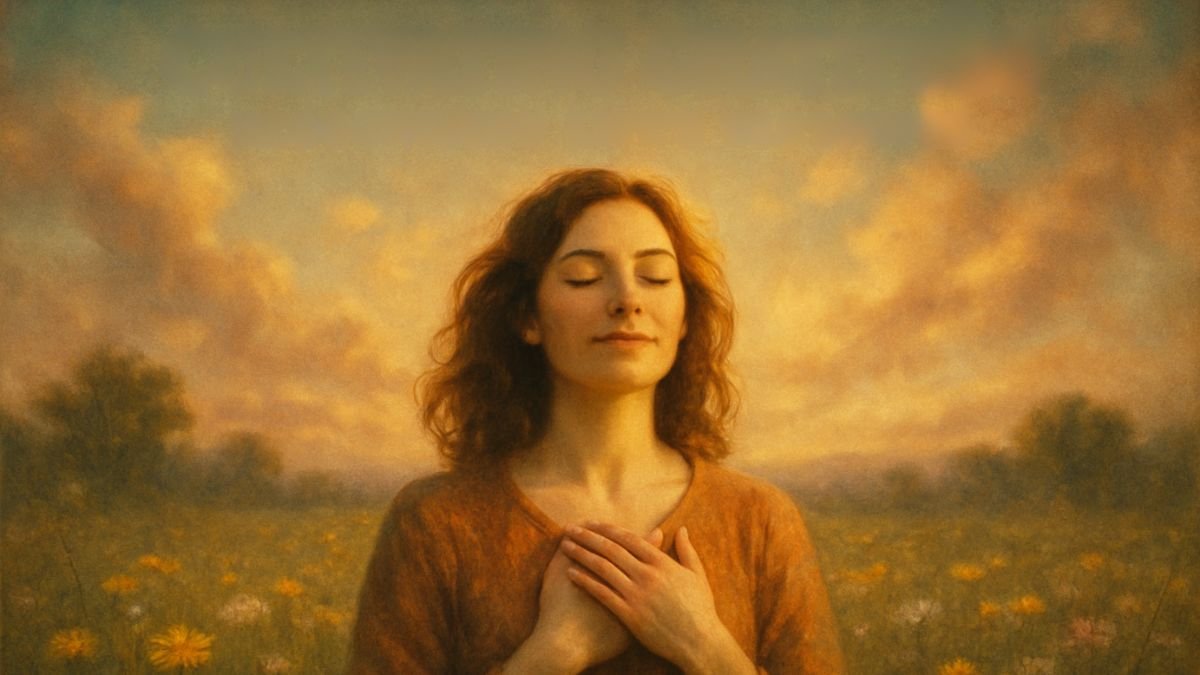
Feeling stuck? Discover how cultivating gratitude isn’t just about saying thanks, but a powerful mindset shift that can rewire your brain for happiness, resilience, and wonder. Learn the practical magic to find joy in the everyday.

Feeling stuck? Discover the difference between a fixed and growth mindset. Learn how to break through learning plateaus and unlock your brain’s true potential.

What is your most vivid childhood memory? The story of your first love? The moment you achieved a great success? What if I told you that memory might be wrong? This week, in our series finale, we tackle the most personal biases of all—the ones that live inside our own heads. We’ll discover how easily false memories can be planted, why we only remember the best and worst moments of a vacation, and how you might be accidentally stealing ideas. Prepare to question everything you think you know about your past.

Why do we instantly judge a stranger based on their clothes? Why do good people sometimes stand by and do nothing in a group? Human beings are social animals, but our social instincts can lead us down dangerous paths. This week, we enter the complex world of social psychology to explore the biases that govern our group behavior. We’ll tackle stereotypes, peer pressure, and why we often blame the victim. Get ready to rethink your social world.

How well do you truly know yourself? Are you a great driver? A fantastic singer? A natural leader? This week, we explore the biases that distort the most important image of all: the one we have of ourselves. We’ll find out why some people are blind to their own weaknesses, why experts struggle to teach beginners, and why we all fall for the vague flattery of horoscopes. It’s time for a reality check!
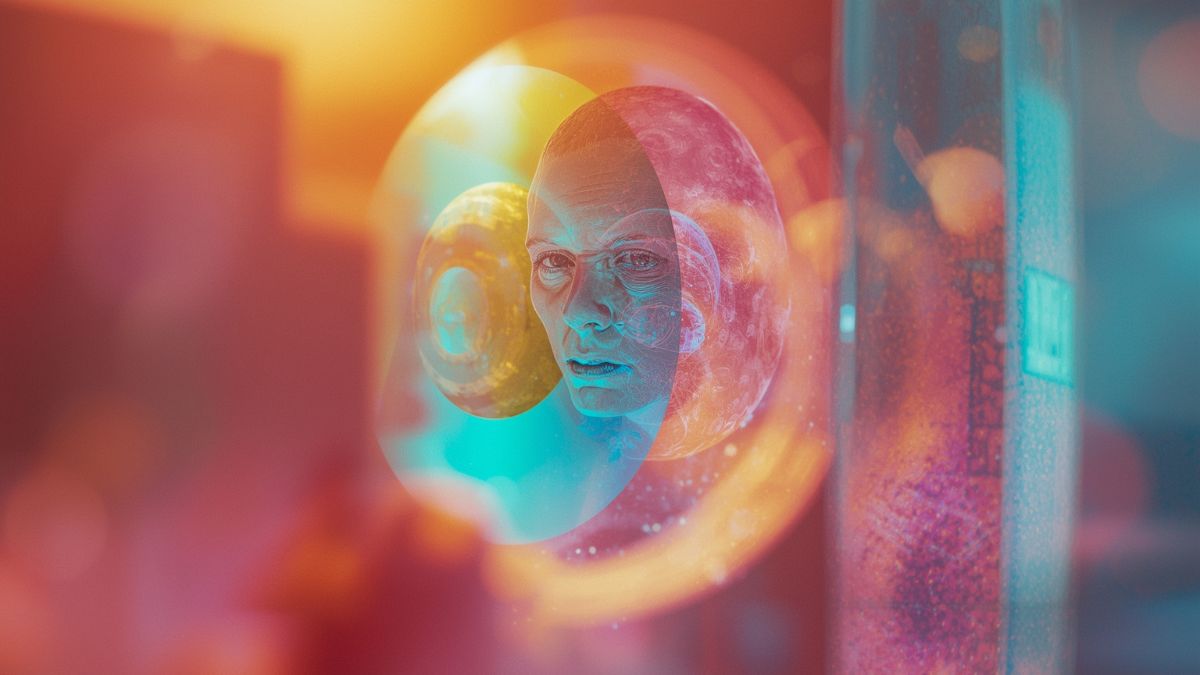
Do you believe you see the world objectively? We all like to think we do. But what if your brain is constantly filtering reality to match what you already believe? This week, we investigate the biases that shape your entire worldview. We’ll discover why it feels so good to be right, why we say ‘I knew it all along’ after something happens, and how our brains are programmed to see faces in clouds. Are you ready to question your own beliefs?

Do you ever feel like you’re on autopilot when you make choices? Have you ever bought something and later wondered why? This week, we begin our journey into the hidden world of cognitive biases, exploring the invisible scripts that guide your decisions every day. We’ll find out why the first price you see is so powerful, why we stick with bad decisions, and how focusing only on success stories can lead us astray. Are your choices really your own? Let’s find out.

A proposal to legally classify the reply-all function as a form of digital assault. The Satirist traces our compulsive broadcasting from medieval town criers to modern corporate inboxes, dissects the ego architecture of unnecessary email chains, and delivers a manifesto on the lost art of targeted silence.

We edit ourselves in every conversation, even with people we love, as if pitching to a busy investor. What do we lose when talk is never allowed to wander?
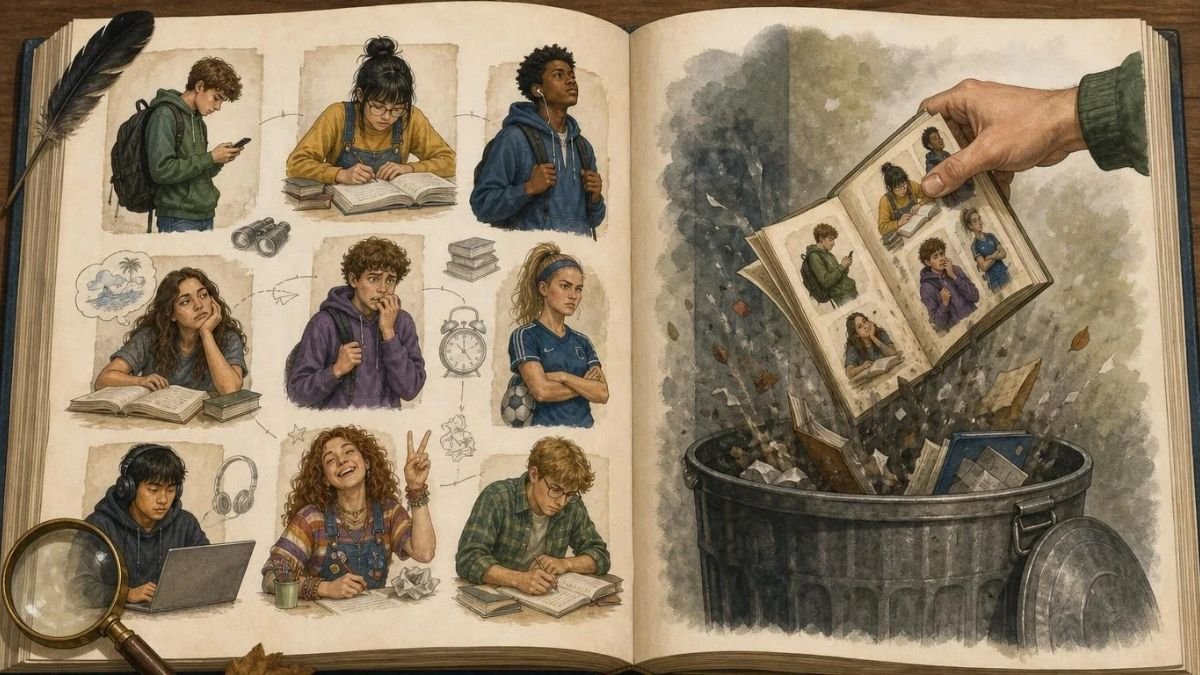
From the Stationery Enthusiast to the Negotiator, a funny field guide to back-to-school students, and how teachers and parents can keep motivation alive all year.

A poetic dive into the Spanish expression dar a luz, to give to light, and the surprising truth about what a child actually sees on the way out of the dark.

A poetic exploration of “a hard pill to swallow” — a phrase where the difficult thing is also the medicine, and everything depends on a few inches of throat.
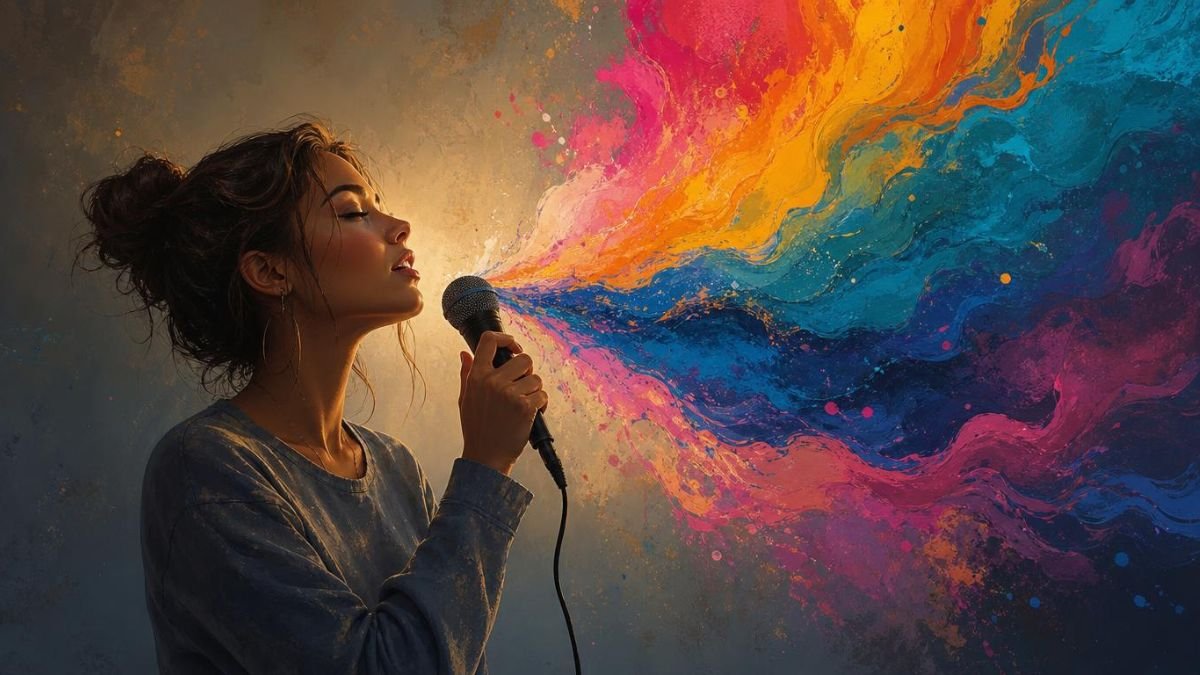
Everyone tells you to find your authentic voice, as if it were buried somewhere waiting. It isn’t. Voice is assembled from imitation, refusal, and repetition, and the people who have the strongest ones are usually the people who copied the most. Here’s how it actually works.