Explore how authors from Mark Twain to Jonathan Swift have used humor and satire as powerful tools for social critique. Learn the difference between a simple joke and a jester’s gambit in our deep dive into the serious business of literary comedy.
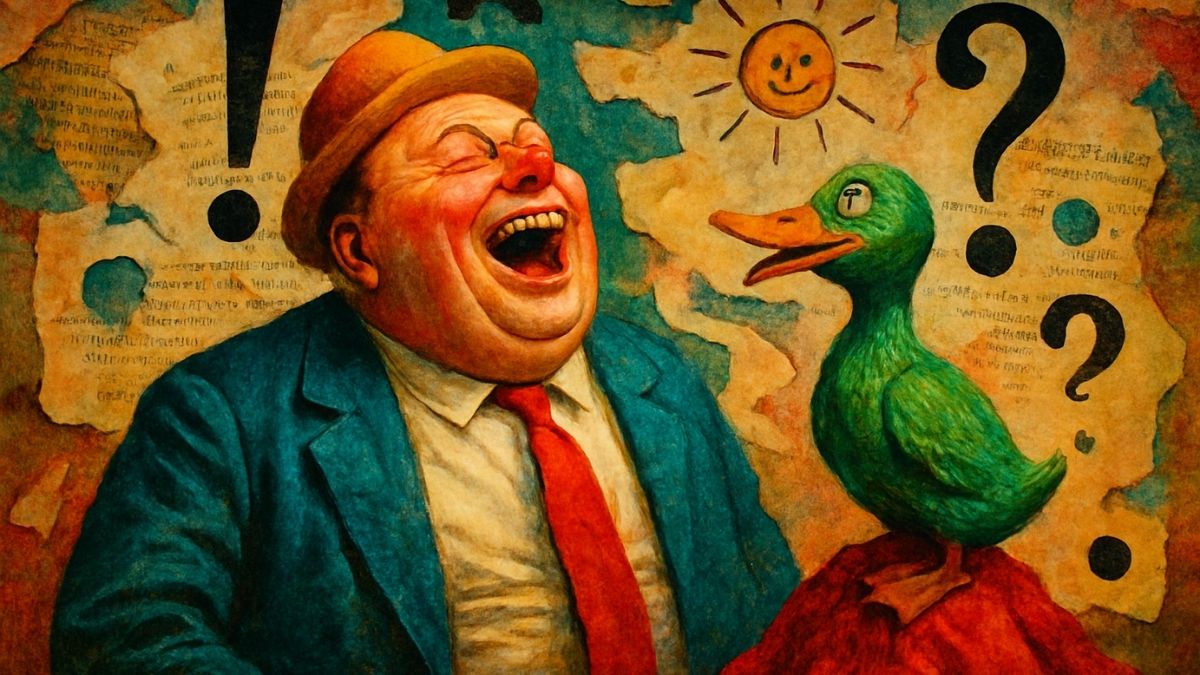

Explore how authors from Mark Twain to Jonathan Swift have used humor and satire as powerful tools for social critique. Learn the difference between a simple joke and a jester’s gambit in our deep dive into the serious business of literary comedy.

Dive into the rich literary history of the human-animal bond. From ancient fables to modern novels, discover how animals in literature reflect, challenge, and deepen our understanding of humanity.
Learn the secrets of suspense & tension in storytelling! Explore techniques writers & filmmakers use (like dramatic irony & pacing) to create edge-of-your-seat moments.

Explore the profound impact of censorship on literature and freedom of expression. Learn about its different forms, consequences, and the enduring spirit of writers.
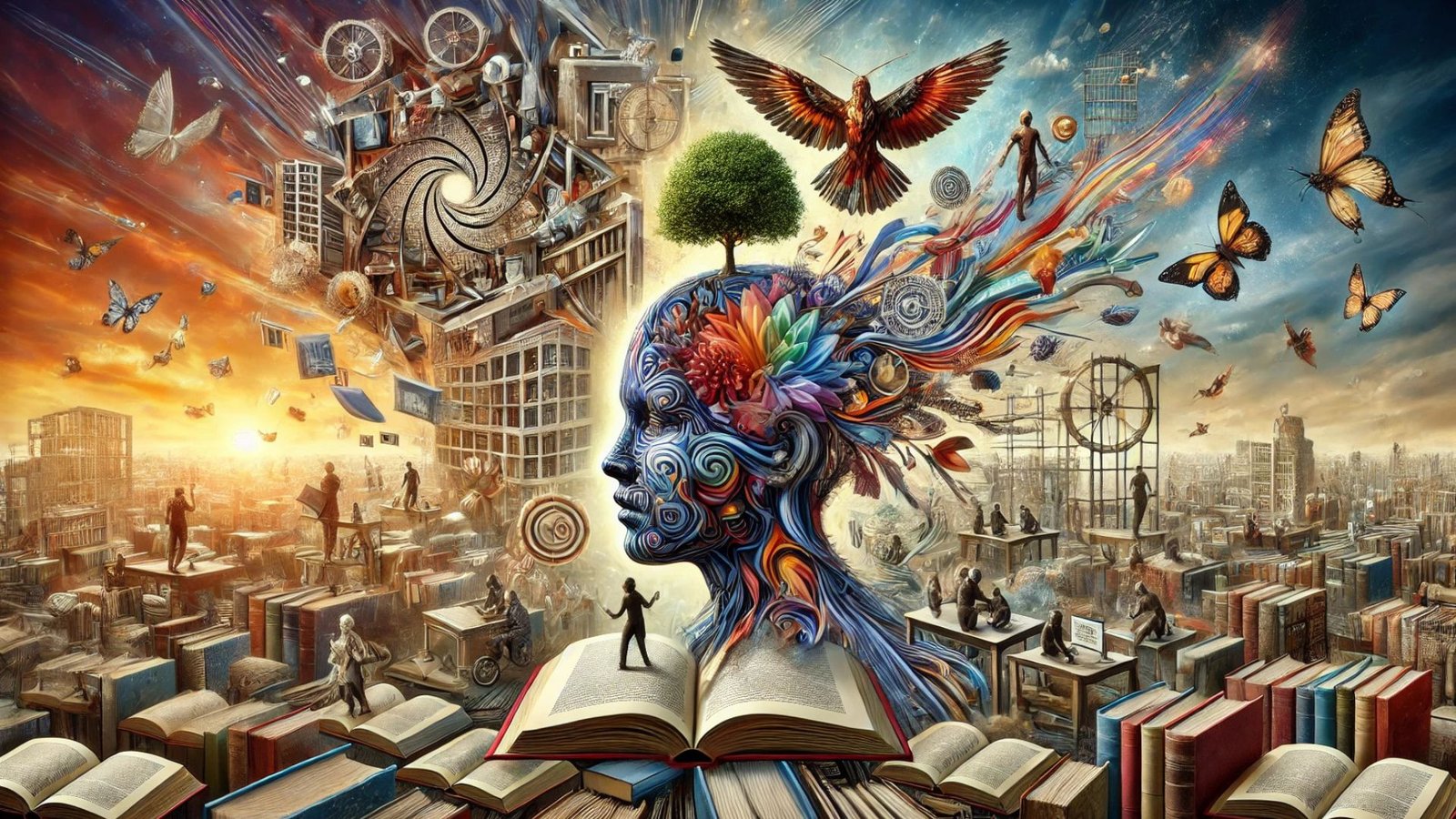
Explore the transformative power of literature in challenging societal norms. Discover engaging articles, quizzes, listening and vocabulary sections, and interactive word games that deepen your understanding and spark critical reflection.

Explore the portrayal of mental health in literature, from classic works to modern stories, and discover how literature mirrors society’s evolving understanding of mental well-being.

Discover the beauty of lyrical poetry, where language becomes art and emotion takes center stage. Explore how lyrical poems connect with readers on a deep emotional level, creating timeless echoes in literature.

Discover how literature has historically influenced social movements and inspired activism, from classic novels to modern writings that challenge injustice and inspire change.

Explore the timeless pattern of the Hero’s Journey in literature, from its origins to its relevance in contemporary storytelling. Understand the significance of this narrative structure, debunk myths, and test your knowledge with a quiz.
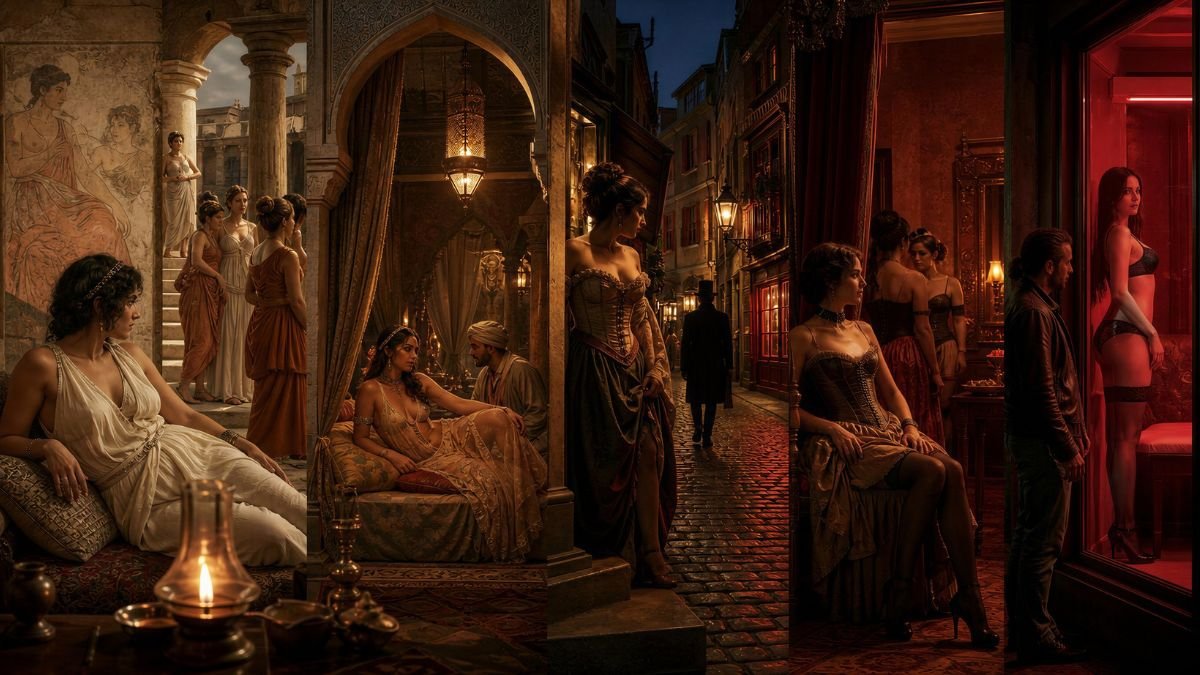
Five thousand years of history bring us to the hardest questions: what policies actually protect people, what evidence says about different approaches, and what it would mean to organize our response to commercial sex around the genuine interests of the most vulnerable people involved.
The internet transformed commercial sex as radically as anything since the industrial revolution — enabling greater autonomy for some, creating new vectors for exploitation for others, and producing a legislative and ethical landscape that nobody has figured out how to navigate. This episode examines FOSTA-SESTA, OnlyFans, the trafficking-platform debate, and where we actually stand.
Beneath the historical narrative is an economic structure — one characterized by specific mechanisms of recruitment, control, and profit extraction that have remained remarkably consistent across centuries and continents. This episode examines the business of commercial sex as a business: how it actually operates, how exploitation is maintained, and where the money actually goes.
The twentieth century saw two world wars that massively expanded military commercial sex economies, massive migration patterns that created new trafficking vulnerabilities, and a wave of criminalization campaigns that often made things worse for the people they claimed to help. This episode traces how the modern policy landscape was created.
Victorian Britain preached sexual purity while building one of the most extensive commercial sex economies in European history. This episode examines the extraordinary contradiction between Victorian public morality and private practice, the Contagious Diseases Acts, the underground networks of London’s streets, and the investigative journalism that exposed child exploitation and changed the law.
European colonialism didn’t just extract gold, spices, and land from colonized peoples — it also created and exploited systems of sexual commerce that were explicitly organized around race. This episode examines how empire built racialized sex economies across Asia, Africa, and the Americas.