Discover the essential human skills—like creative problem-solving and emotional intelligence—that will keep you valuable in the age of AI. Take our interactive quiz to see if your career is future-proof.


Discover the essential human skills—like creative problem-solving and emotional intelligence—that will keep you valuable in the age of AI. Take our interactive quiz to see if your career is future-proof.
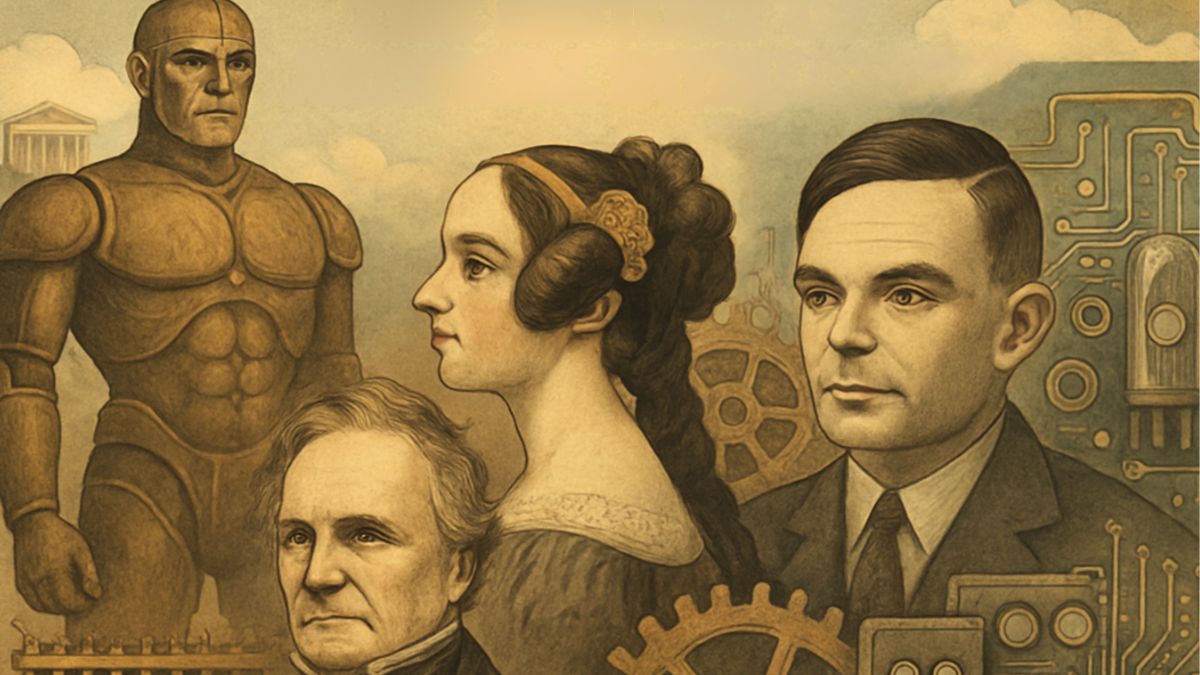
A narrative journey through the history of AI, from the clockwork automata of ancient myths to the large language models of today. Uncover the story of the dreamers, the breakthroughs, the devastating winters, and the revolution that is reshaping our world.

In a world filled with realistic AI-generated fakes, how can we know what’s true? Explore the “epistemic crisis” and learn practical media literacy skills—from source verification to digital forensics—to become a smarter, more discerning consumer of information.

Face the tough choices of the AI era. Our interactive quiz explores ethical dilemmas around fairness, accountability, and power. Test your conscience and learn why an ethical framework for AI is essential for our future.
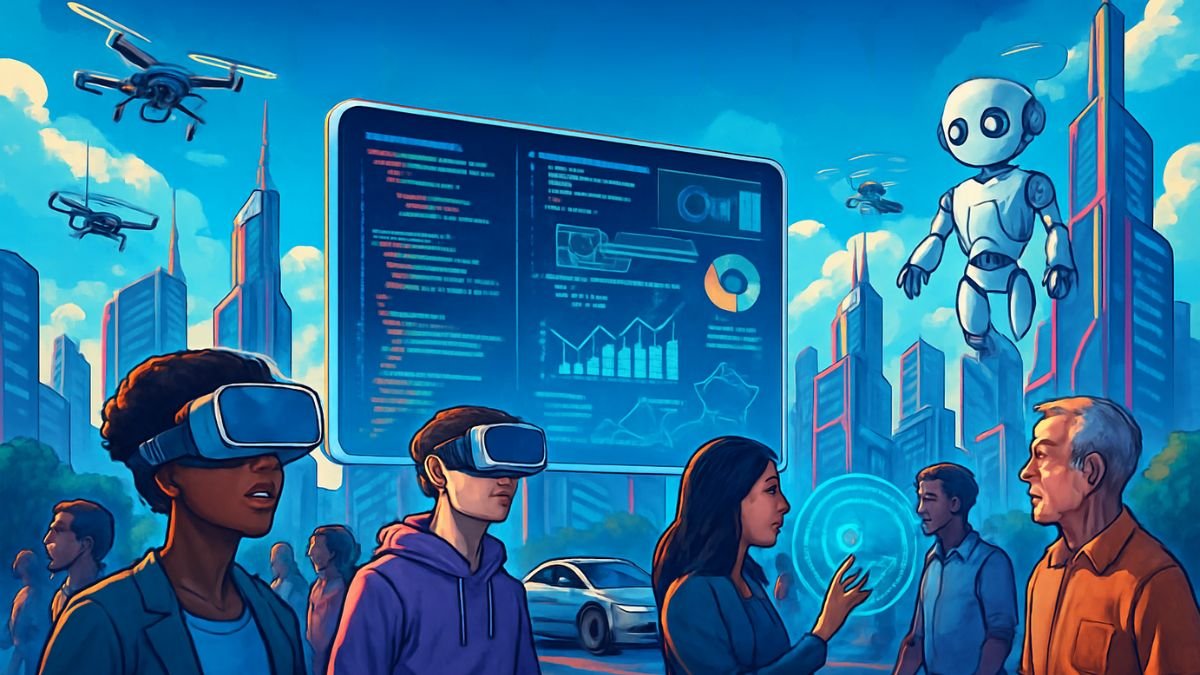
Explore the top current and future AI jobs, from Machine Learning Engineer to AI Ethicist. Discover essential skills, educational paths, and how to thrive in the evolving landscape of Artificial Intelligence. Your comprehensive guide to an AI career.
AI is changing how we communicate. This guide for English learners shows how to use AI as a personal tutor for speaking, listening, reading, and writing, and introduces the essential new skill of prompt engineering to get powerful, tailored results.

Master the new English mindset required to pilot AI effectively. This interactive quiz teaches you how to write specific prompts, set constraints, and use AI as a tool for deeper learning, moving you from a passenger to a master pilot of technology.
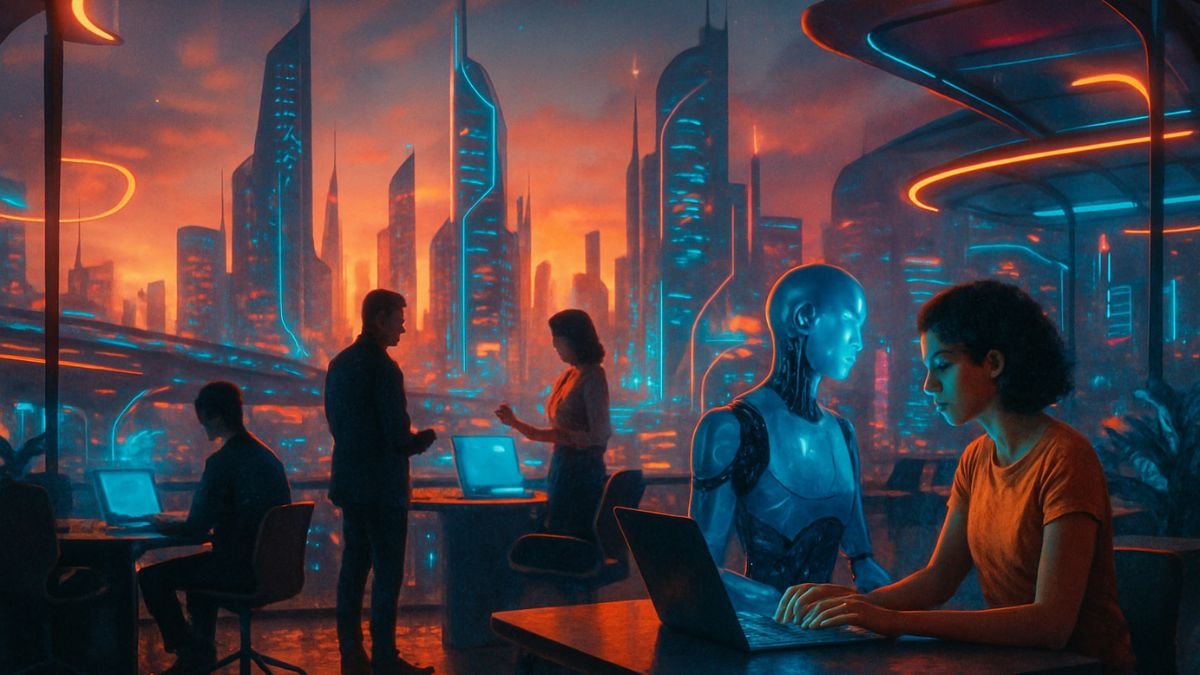
AI is automating routine tasks, but it’s not making humans obsolete. Discover the future of work and learn how to thrive by developing the three pillars of irreplaceable human skills: emotional intelligence, creative problem-solving, and critical judgment.
Go beyond the buzzwords with our vocabulary challenge! Test your understanding of key terms like “seismic shift,” “prosaic,” and “Pandora’s Box” to discuss the AI revolution with confidence and precision.
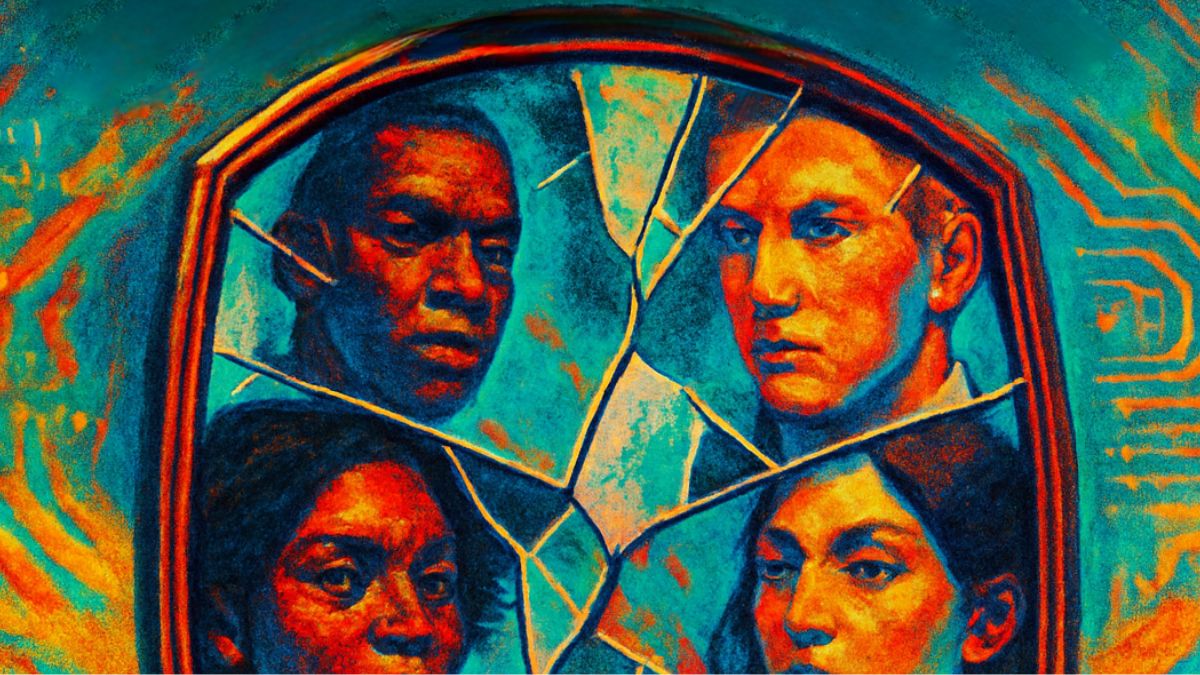
Discover the hidden world of algorithmic bias, where AI systems in hiring, loans, and justice perpetuate and entrench societal inequality. Learn about the “black box” problem, the push for Explainable AI (XAI), and the practical steps we can take to build a fairer automated future.
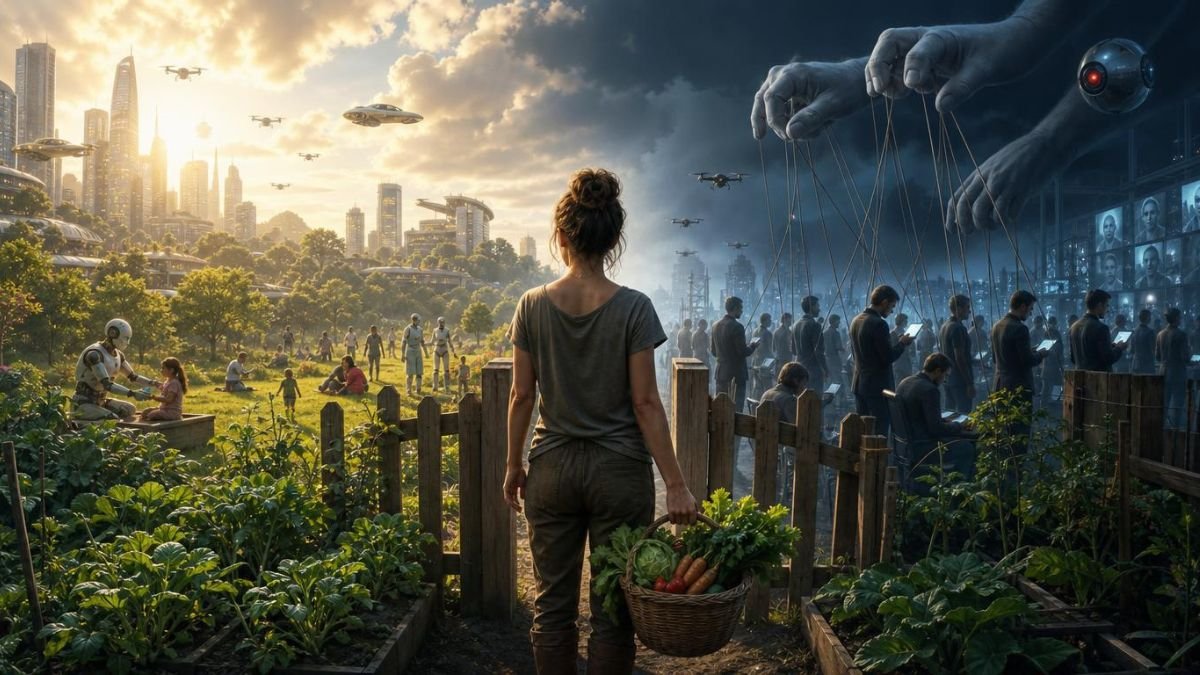
Elon Musk says AI and robots will make work optional within ten to twenty years, funded by government-issued “universal high income.” The promise is sincere. The arithmetic is plausible. The politics are a catastrophe — and for most of the world, the offer isn’t even on the table. An examination of what happens to human dignity, political leverage, and global hope when your livelihood becomes a transfer instead of a claim.
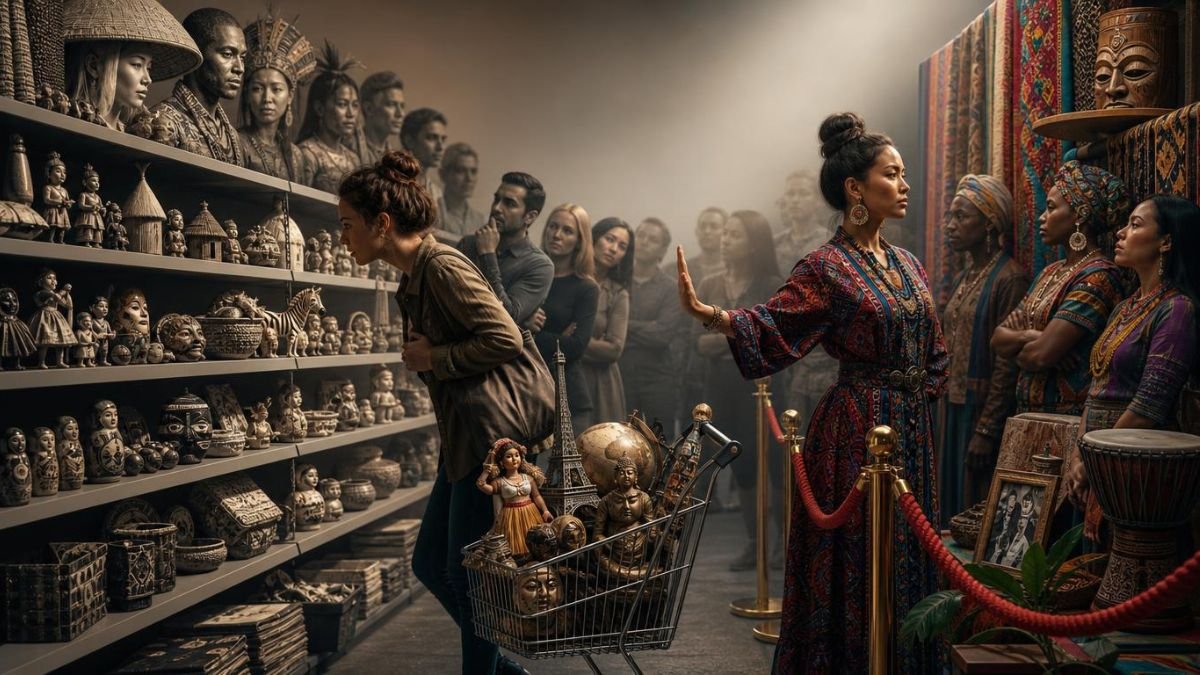
We compress distant cultures into one word and bristle when anyone does it to us. A look at resolution asymmetry — why it happens, when it’s harmless, and when it isn’t.
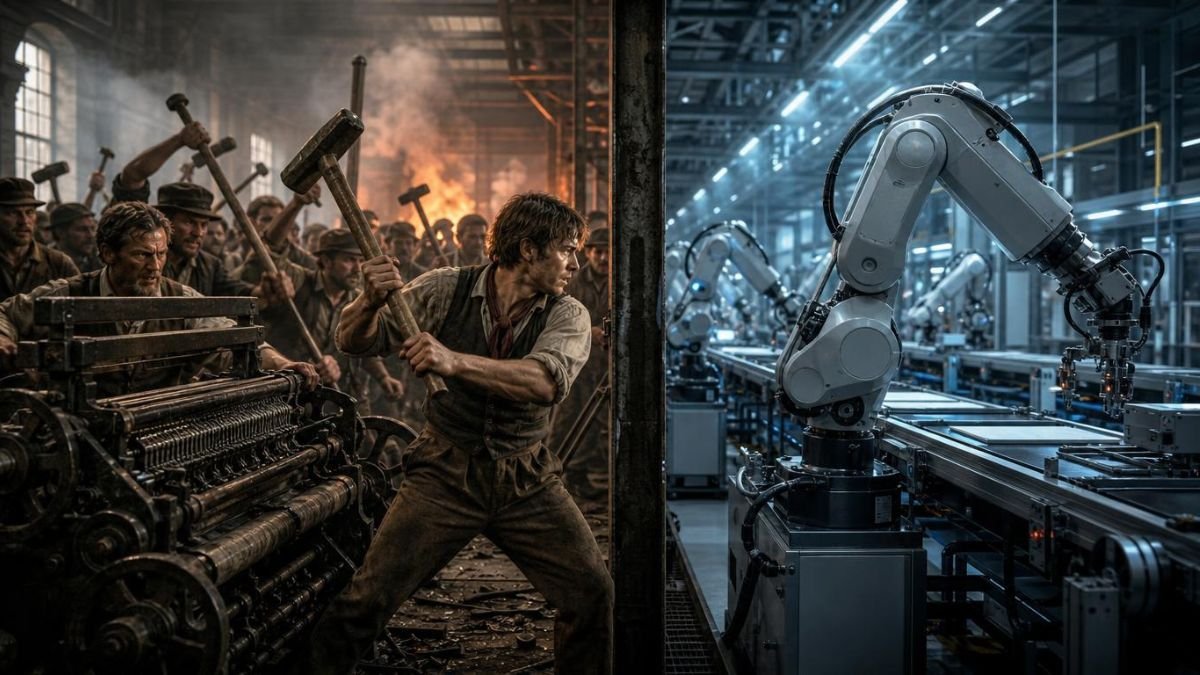
We use “Luddite” to mean technophobe. The real Luddites were skilled workers fighting over who controls technology and who profits from it — the exact fight we’re having about AI right now.
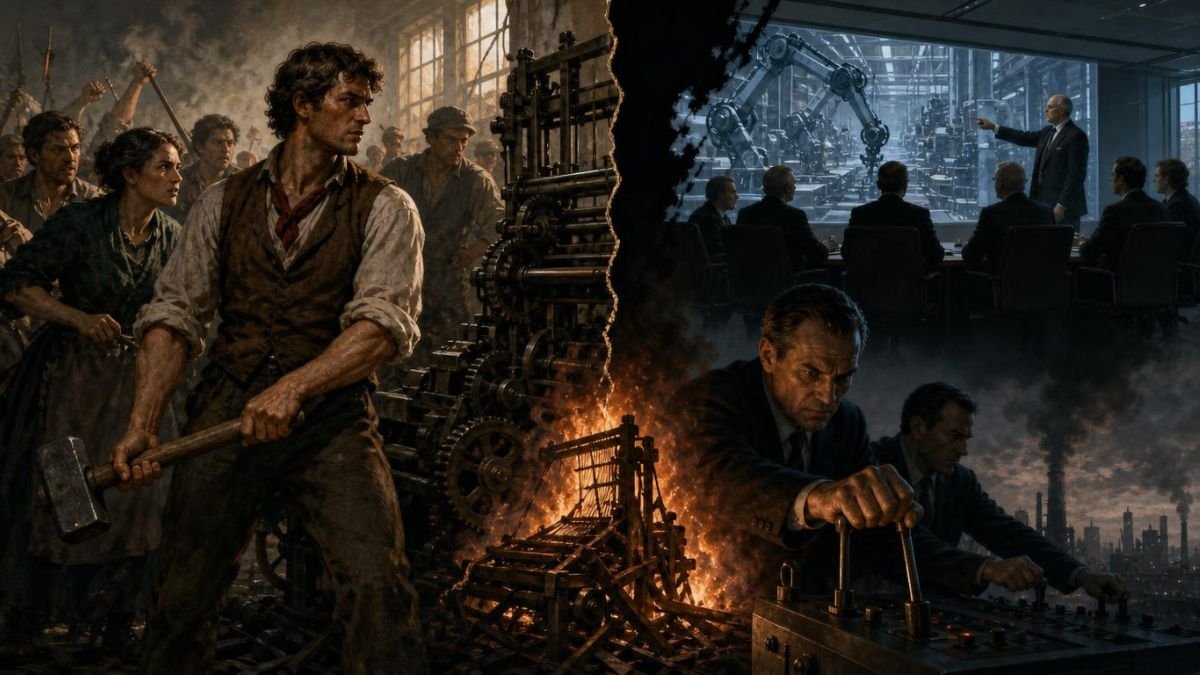
The Luddites are history’s favorite punchline for anyone who fears progress. But they never opposed machines — and the people who actually killed good technology were rarely holding a hammer. A deep dive into the smearing of a movement and the far quieter sabotage that followed.
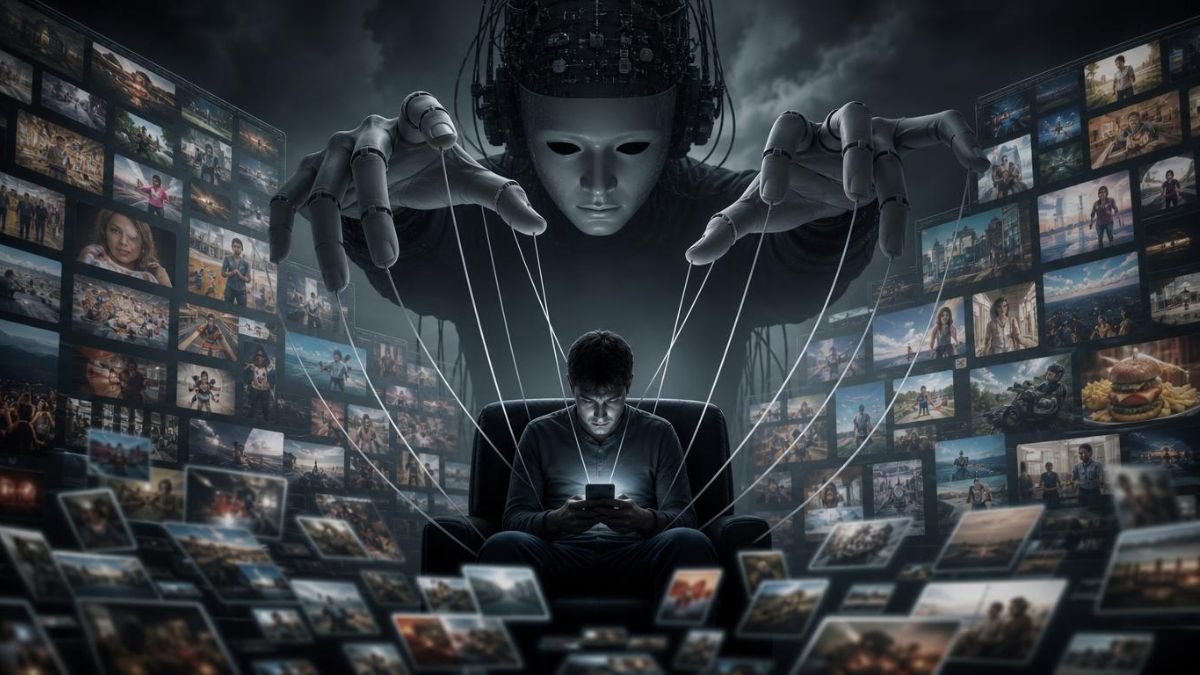
We recoil at AI-generated content while happily consuming whatever an algorithm serves us. This deep dive examines the hypocrisy in our performed disgust, why “human or machine?” is the wrong question, and what a more honest relationship with content actually looks like.

Scientists, poets, and teachers were once public heroes. Now they’re invisible. A deep dive into what actually changed — and what to honestly tell a young person.