Does your vocabulary come from Hindi, Swahili, or Chinese? This fun quiz teaches you the global origins of ‘shampoo,’ ‘safari,’ ‘ketchup,’ and more!

Does your vocabulary come from Hindi, Swahili, or Chinese? This fun quiz teaches you the global origins of ‘shampoo,’ ‘safari,’ ‘ketchup,’ and more!

This fun fashion quiz helps you trace the global origins of textiles. Match patterns like Paisley, Kente cloth, and Batik to their home countries and celebrate our shared textile heritage.

Compare the maps of Africa from 1880 to 1914. This quiz explains the “Scramble for Africa,” the Berlin Conference, and the lasting legacy of the borders that shape the continent today.

Move beyond the old debates. This engaging quiz teaches you the positive, forward-looking vocabulary of cultural heritage, including ‘repatriation,’ ‘provenance,’ and ‘digital preservation.’

Test and learn with a 20-question interactive quiz on pivotal conflicts—from the Napoleonic Wars and World Wars to the Cold War. Discover outcomes, hidden causes, and lasting lessons that still shape our daily lives, politics, and technology.

Sharpen your critical thinking by learning to identify logical fallacies like Ad Hominem, Slippery Slope, and Straw Man. This interactive quiz teaches you to deconstruct weak arguments and think more clearly.
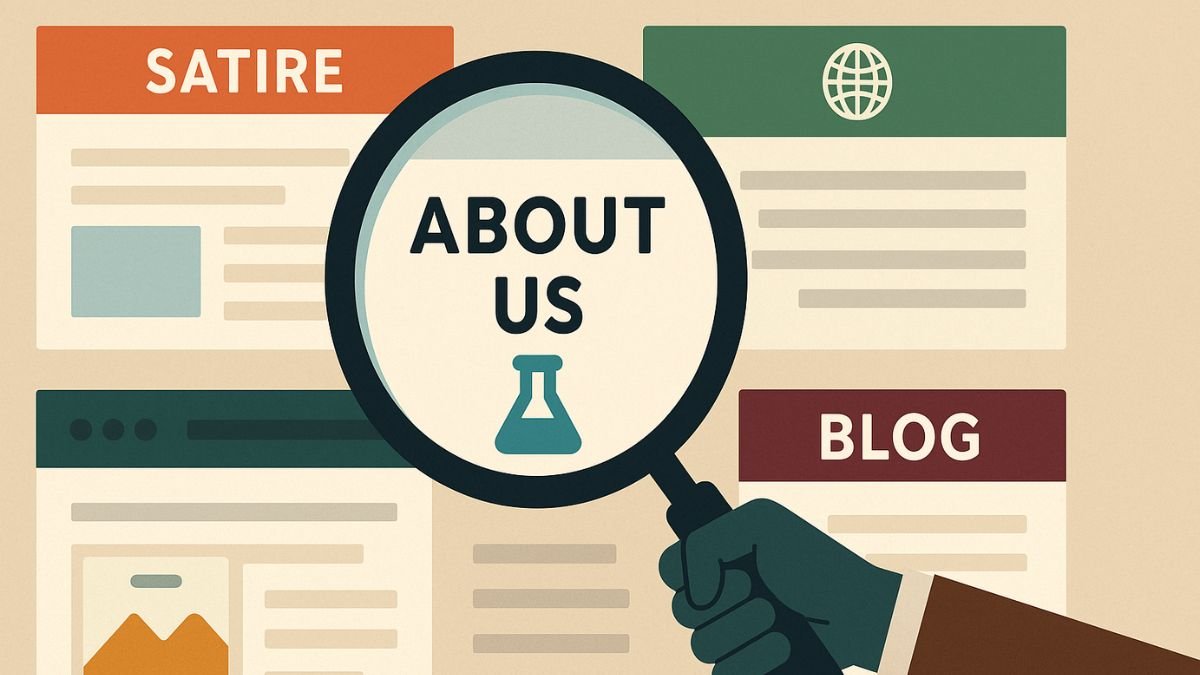
Become a master of media literacy with our “Source Sleuth” quiz. Learn to investigate digital sources, spot red flags in websites and social media, and determine who’s really behind the information you consume.
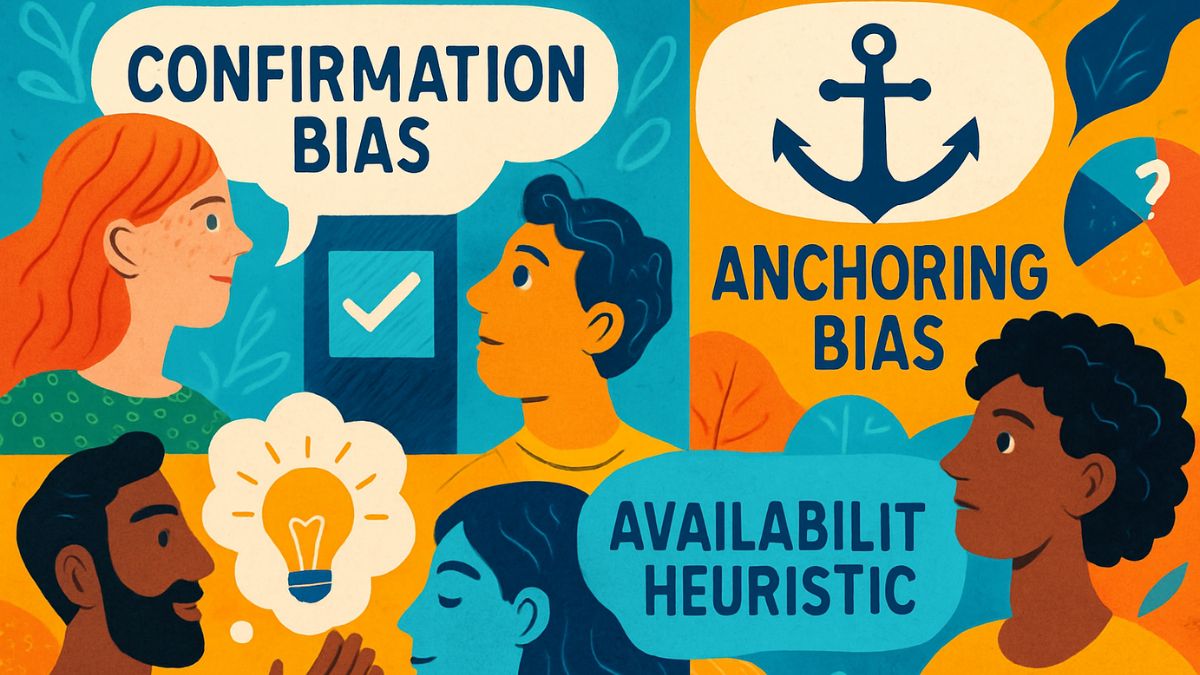
Discover the hidden mental traps that shape your decisions. This interactive quiz on cognitive biases like Confirmation Bias and the Dunning-Kruger Effect will boost your self-awareness and critical thinking skills.

Test your media literacy with our “Headline Hunch” quiz. Learn to identify the red flags of clickbait and bias in news headlines and become a smarter, more critical reader online.

Test your empathy and communication skills with our scenario-based quiz. Learn to identify and challenge stigma in everyday situations at work, at home, and with friends. Become a better ally for brain health.

A proposal to legally classify the reply-all function as a form of digital assault. The Satirist traces our compulsive broadcasting from medieval town criers to modern corporate inboxes, dissects the ego architecture of unnecessary email chains, and delivers a manifesto on the lost art of targeted silence.

We edit ourselves in every conversation, even with people we love, as if pitching to a busy investor. What do we lose when talk is never allowed to wander?
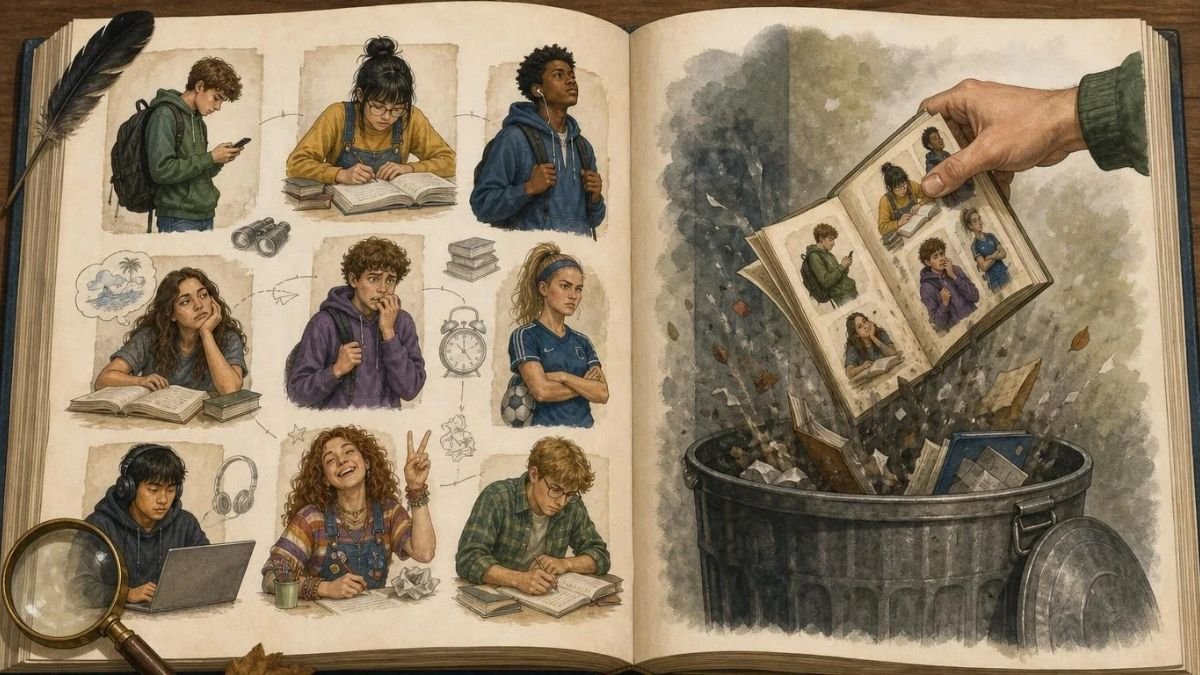
From the Stationery Enthusiast to the Negotiator, a funny field guide to back-to-school students, and how teachers and parents can keep motivation alive all year.

A poetic dive into the Spanish expression dar a luz, to give to light, and the surprising truth about what a child actually sees on the way out of the dark.

A poetic exploration of “a hard pill to swallow” — a phrase where the difficult thing is also the medicine, and everything depends on a few inches of throat.

Everyone tells you to find your authentic voice, as if it were buried somewhere waiting. It isn’t. Voice is assembled from imitation, refusal, and repetition, and the people who have the strongest ones are usually the people who copied the most. Here’s how it actually works.