We use “Luddite” to mean technophobe. The real Luddites were skilled workers fighting over who controls technology and who profits from it — the exact fight we’re having about AI right now.
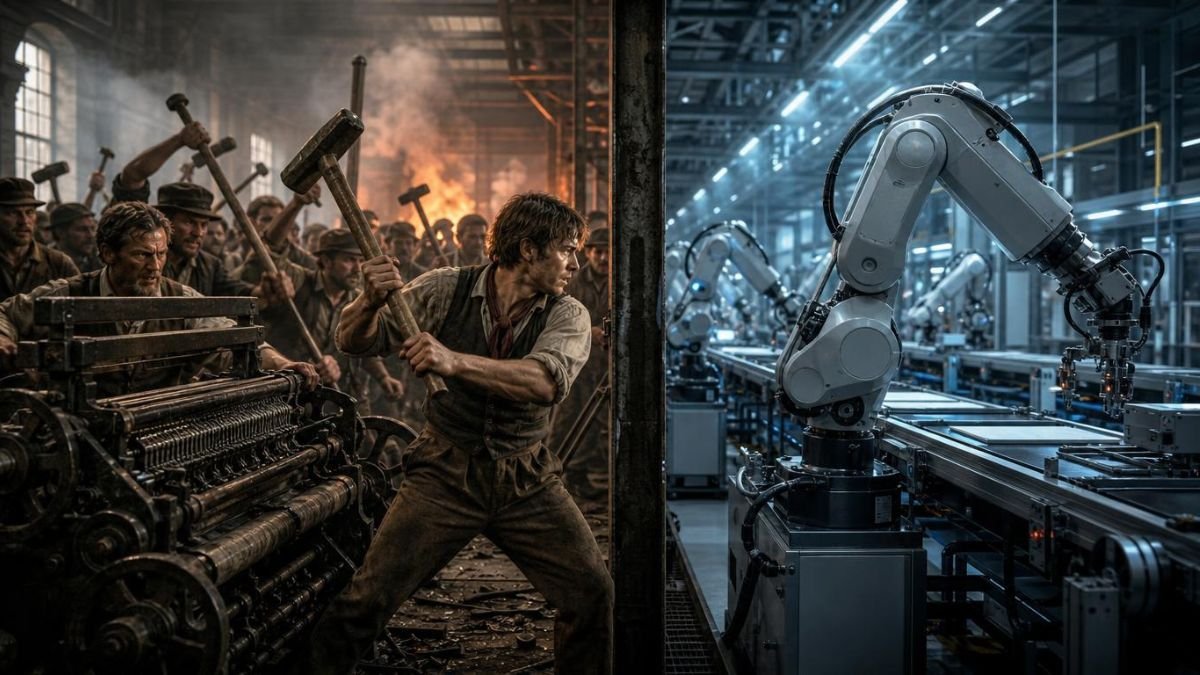

We use “Luddite” to mean technophobe. The real Luddites were skilled workers fighting over who controls technology and who profits from it — the exact fight we’re having about AI right now.
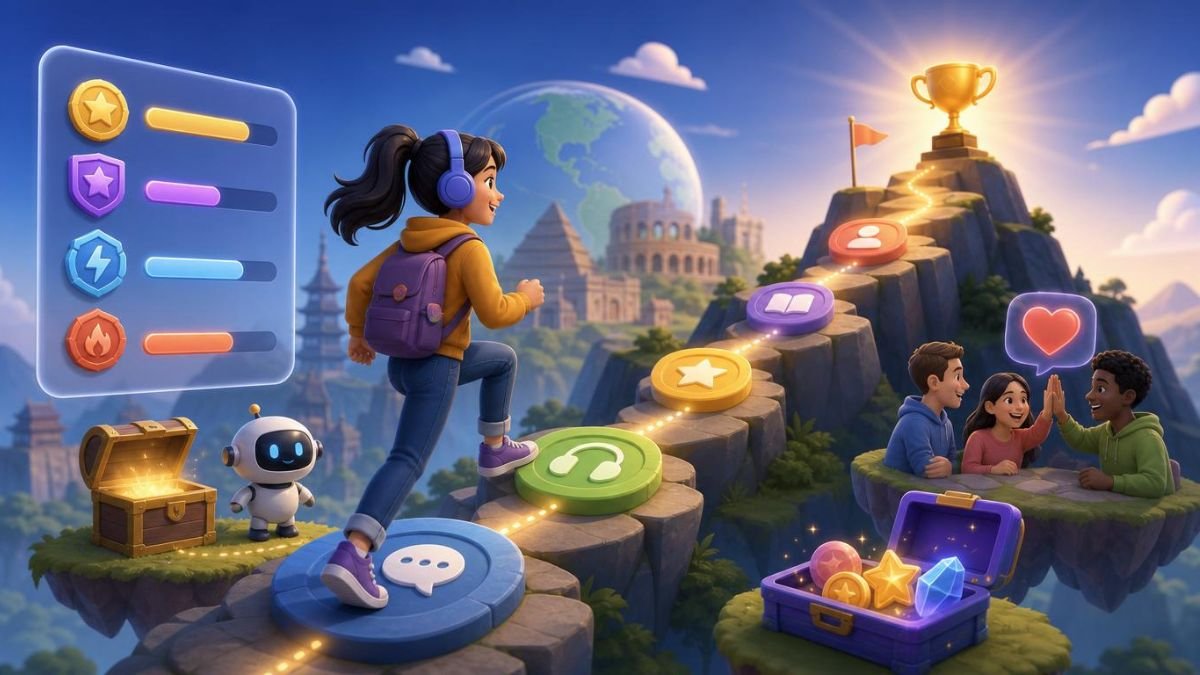
Streaks, points, levels, and that little burst of satisfaction when you nail a lesson — gamified language apps have quietly rewired how millions of us learn. But are play mechanics actually teaching you a language, or just teaching you to love the app? Here’s the psychology, the science, and the honest verdict.
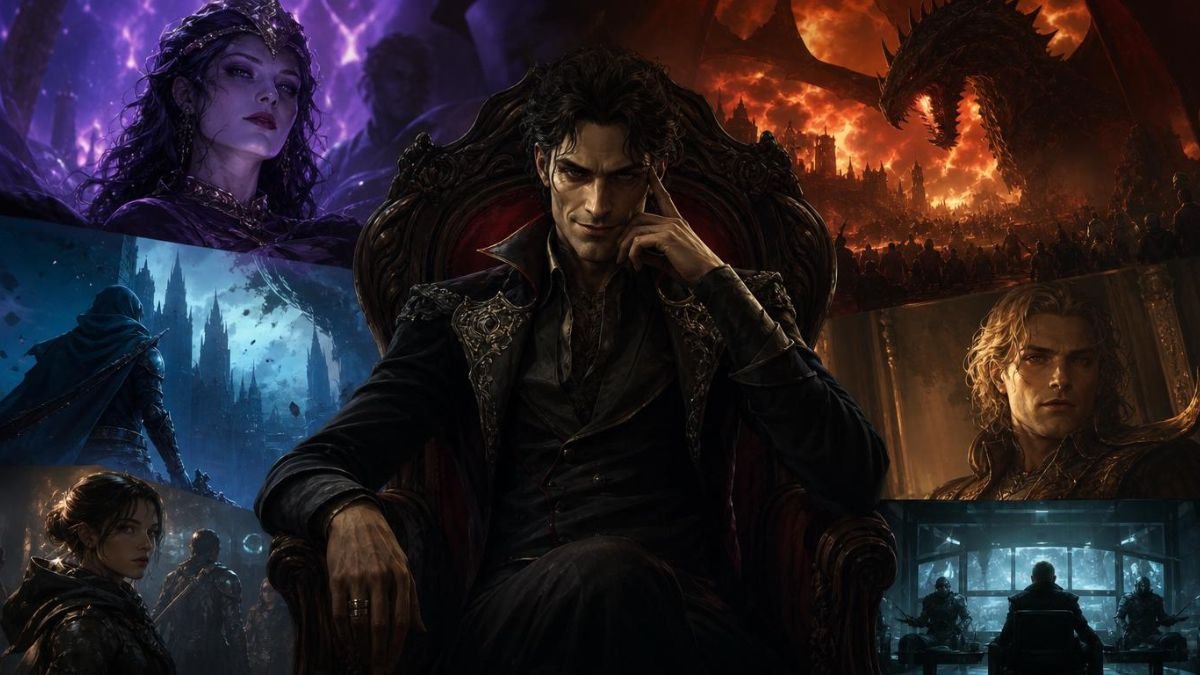
From Shakespeare’s Iago to Walter White, from video game bosses to literary anti-heroes, our relationship with fictional antagonists reveals something profound about the human mind. Explore the psychology, culture, and craft behind why we root for the villain.
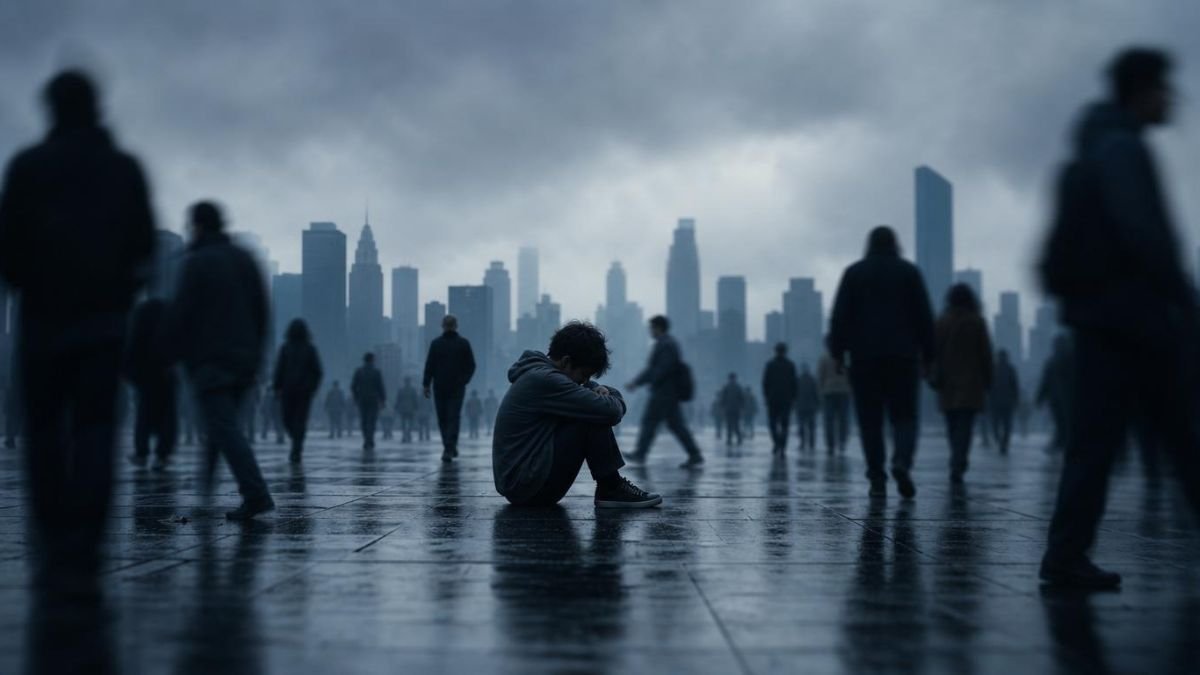
We are the most digitally connected generation in human history — and also, according to research, among the loneliest. This article investigates the strange paradox at the heart of modern social life: what loneliness actually is, why technology makes it worse even as it promises connection, and what it might take to genuinely address it.
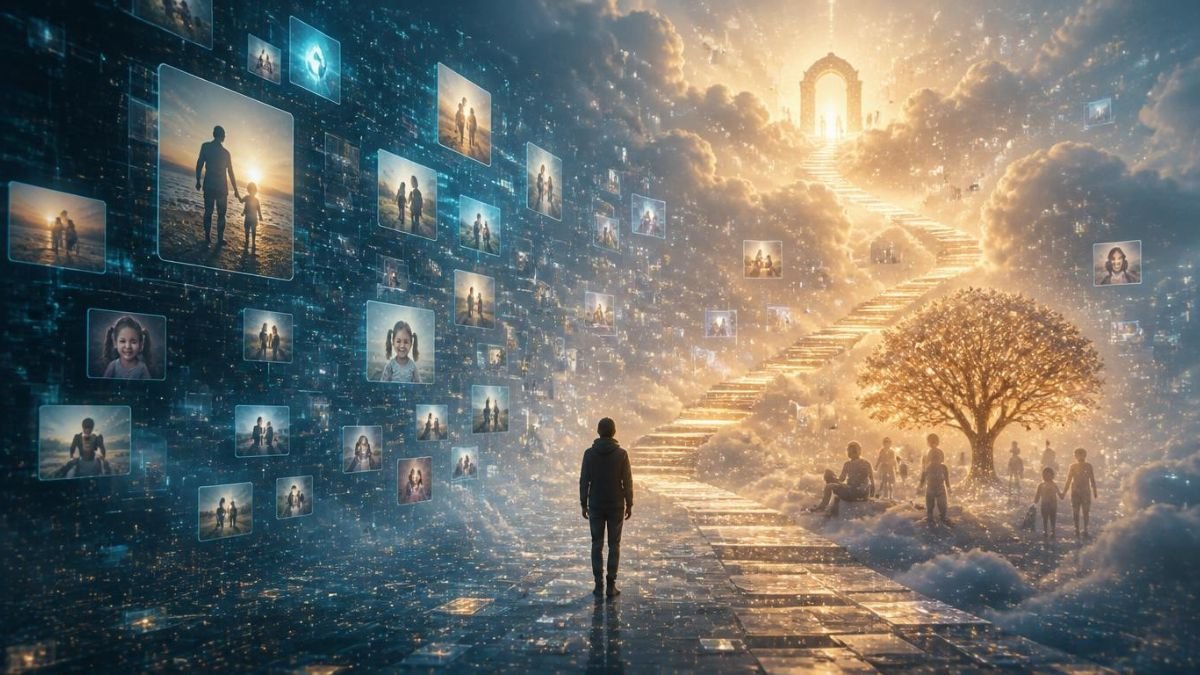
Your body may be mortal, but your data is not. Explore the unsettling, profound, and often overlooked reality of digital legacy — what happens to your online life after death, who owns your memories, and whether any of us are ready for digital immortality.
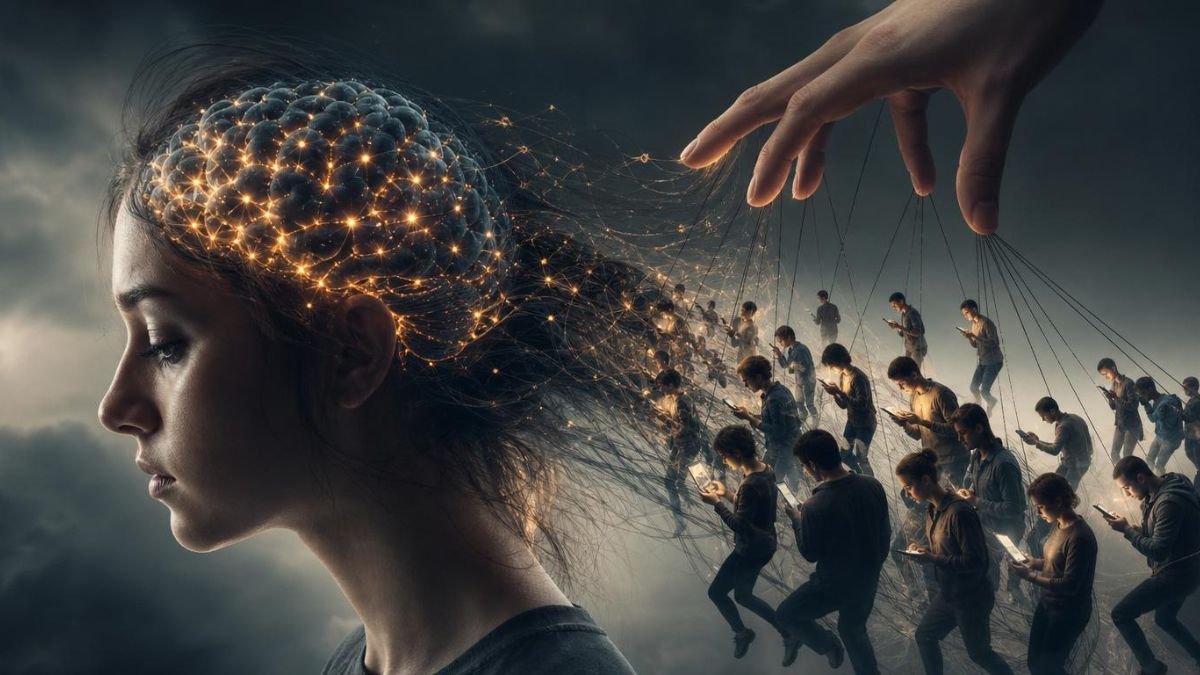
We live in an era where your attention is the product. Discover how the attention economy is reshaping cognition, memory, and human connection — and what you can actually do about it.
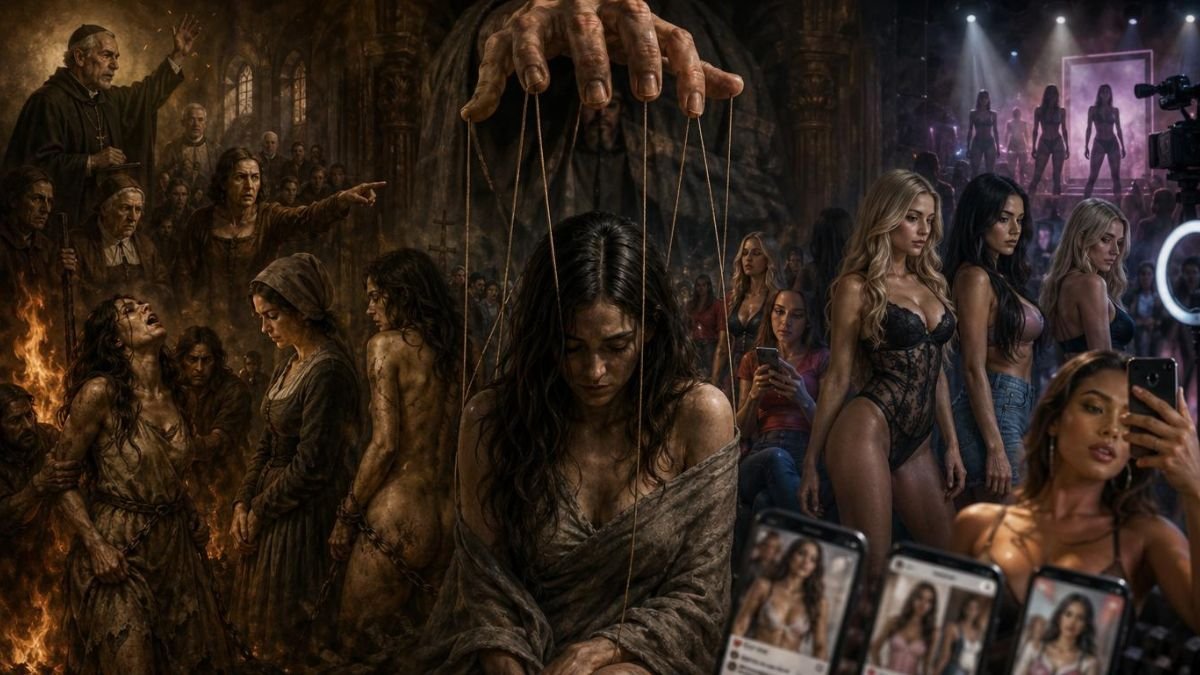
From the story of Eve to the witch trials to today’s beauty industry and corporate glass ceilings — the project of diminishing women has never really stopped. It just keeps changing its costume. This article traces the full, uncomfortable arc, and it doesn’t let anyone off the hook — East or West.
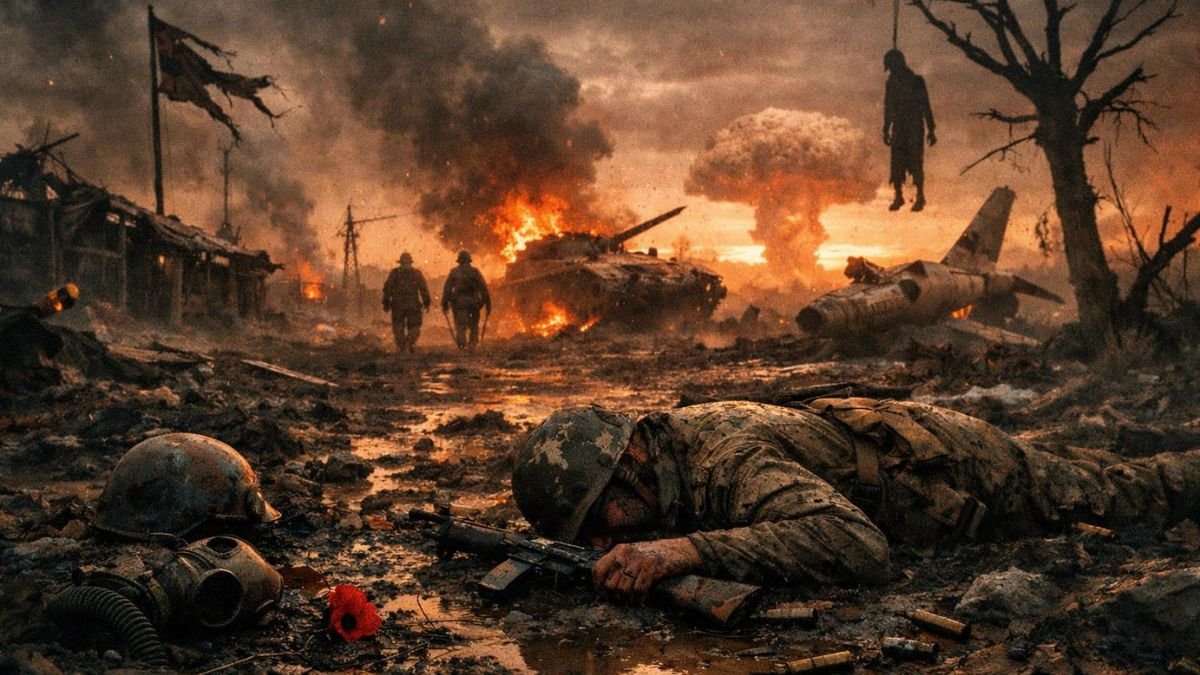
War has shaped human history for millennia, yet we rarely stop to ask the one question that matters most: does it actually work? Explore the psychology, history, and deep human contradictions behind armed conflict — and why understanding them might be our best hope.
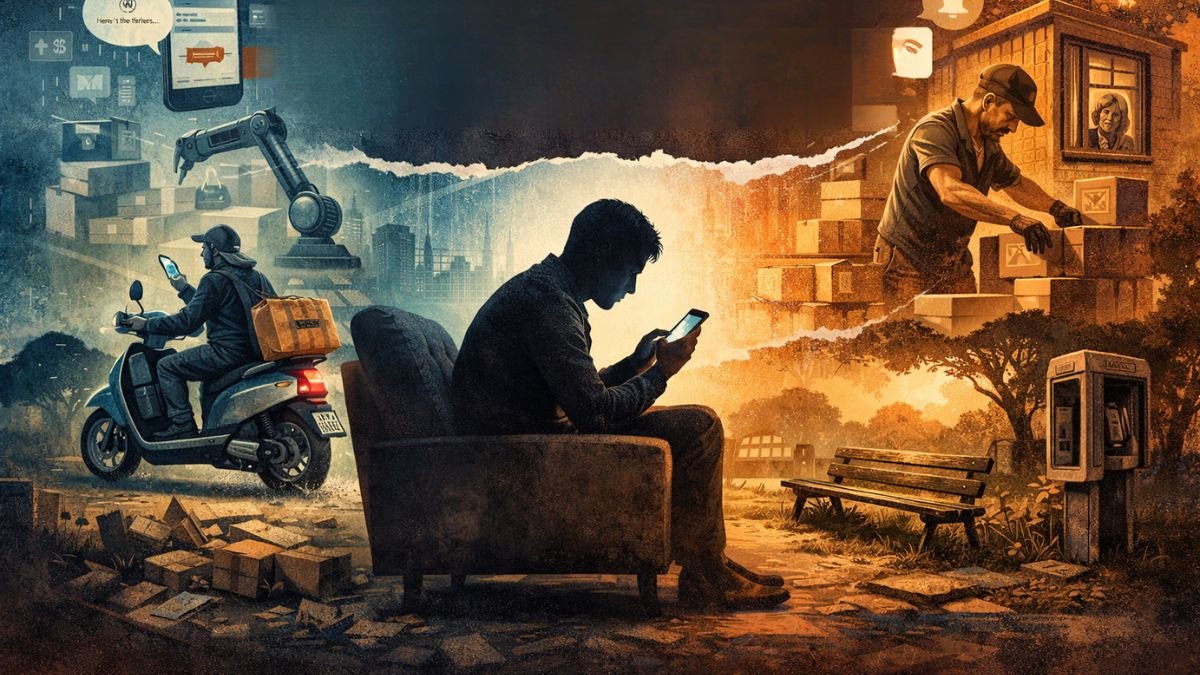
We live in the age of one-click everything, but what are we actually paying for all this ease? From eroded attention spans and vanishing communities to invisible gig workers absorbing our friction, this deep dive explores the hidden human toll of modern convenience and asks the uncomfortable question: is effortless living making our lives worse?
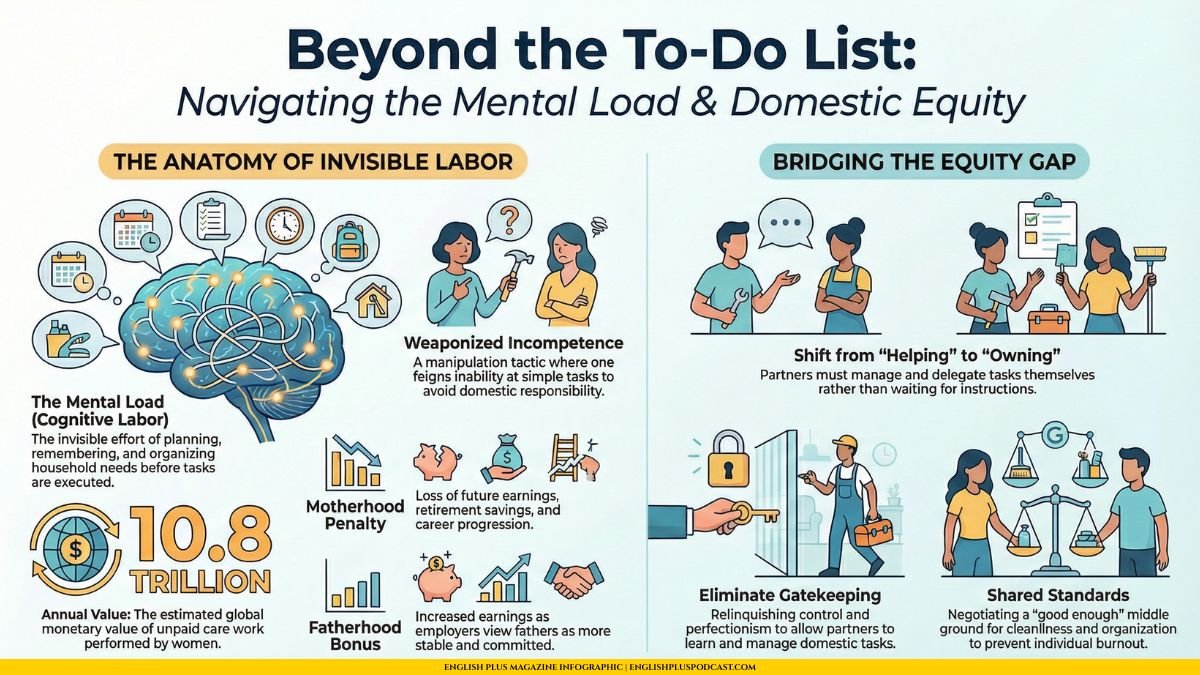
Why does gender equality stop at the front door? We explore the “Second Shift,” the “Mental Load,” and why domestic equity is the next frontier of feminism.
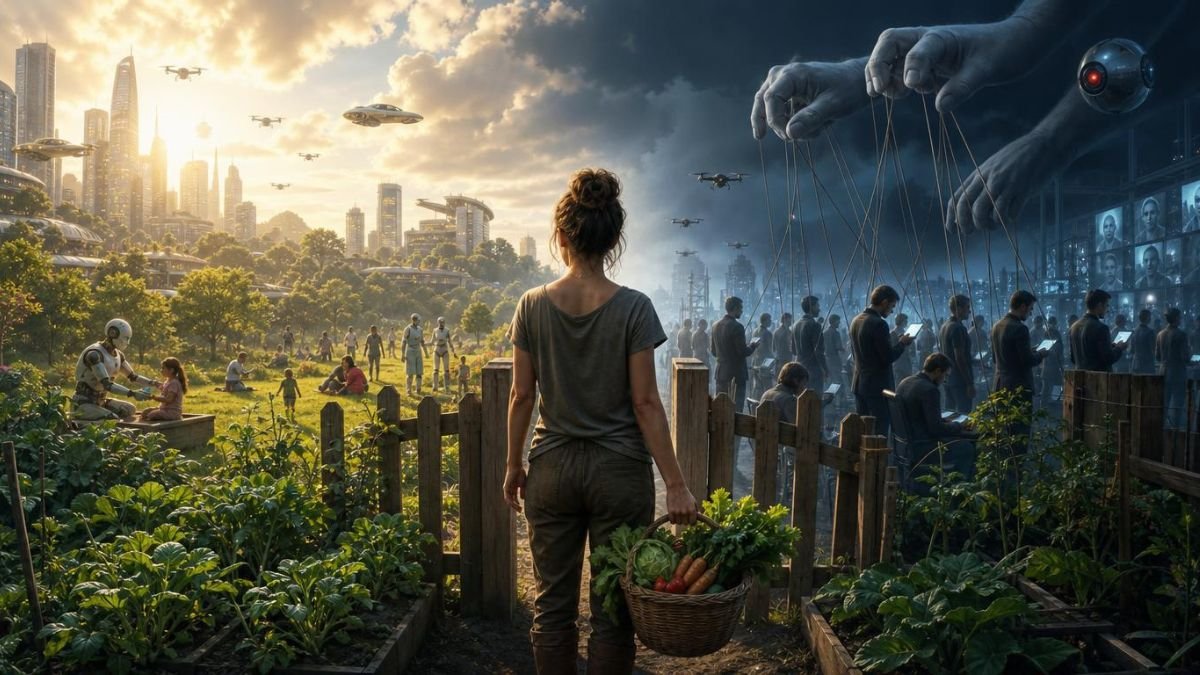
Elon Musk says AI and robots will make work optional within ten to twenty years, funded by government-issued “universal high income.” The promise is sincere. The arithmetic is plausible. The politics are a catastrophe — and for most of the world, the offer isn’t even on the table. An examination of what happens to human dignity, political leverage, and global hope when your livelihood becomes a transfer instead of a claim.
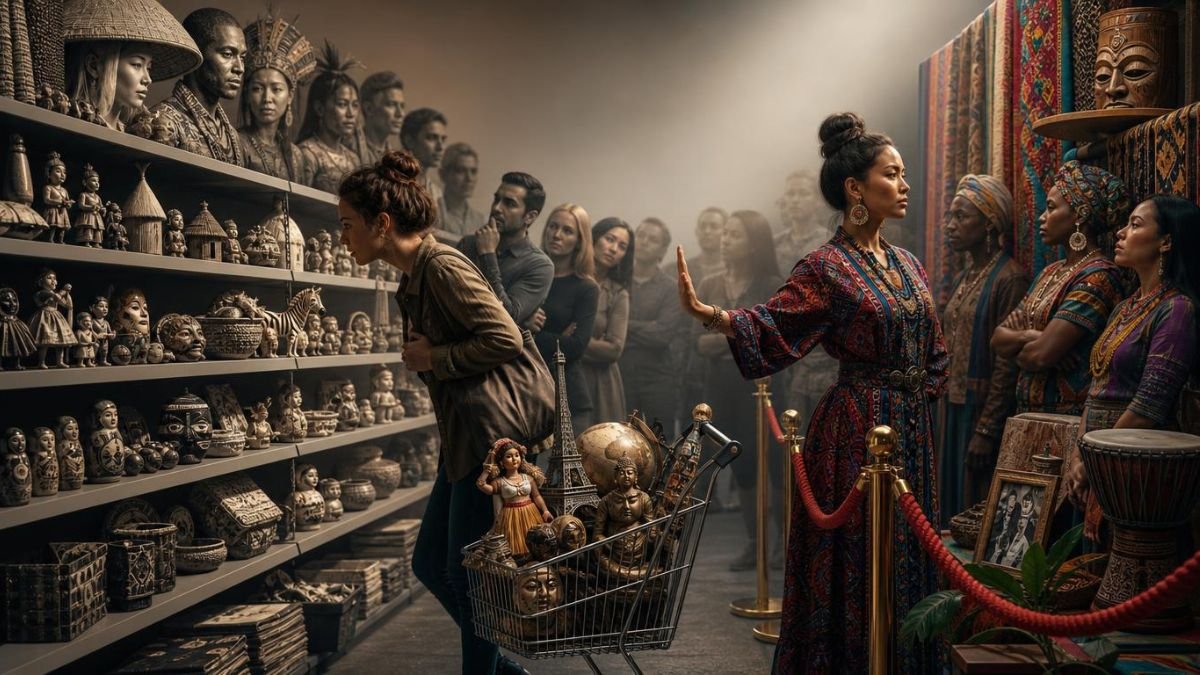
We compress distant cultures into one word and bristle when anyone does it to us. A look at resolution asymmetry — why it happens, when it’s harmless, and when it isn’t.
We use “Luddite” to mean technophobe. The real Luddites were skilled workers fighting over who controls technology and who profits from it — the exact fight we’re having about AI right now.
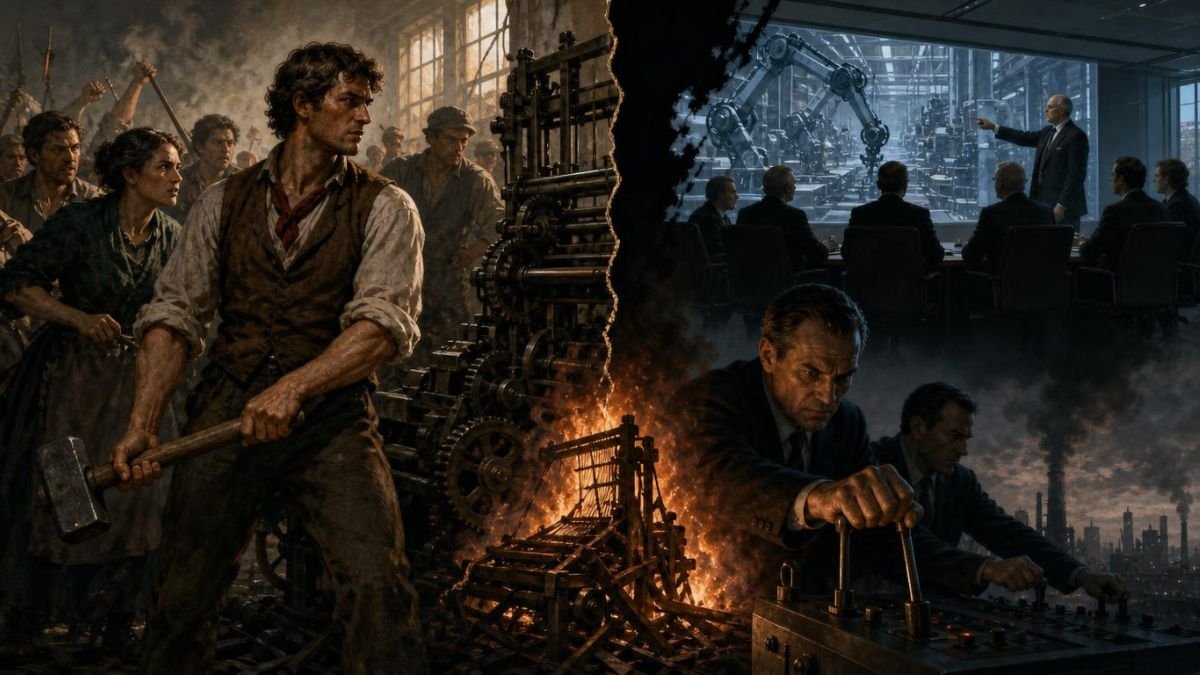
The Luddites are history’s favorite punchline for anyone who fears progress. But they never opposed machines — and the people who actually killed good technology were rarely holding a hammer. A deep dive into the smearing of a movement and the far quieter sabotage that followed.
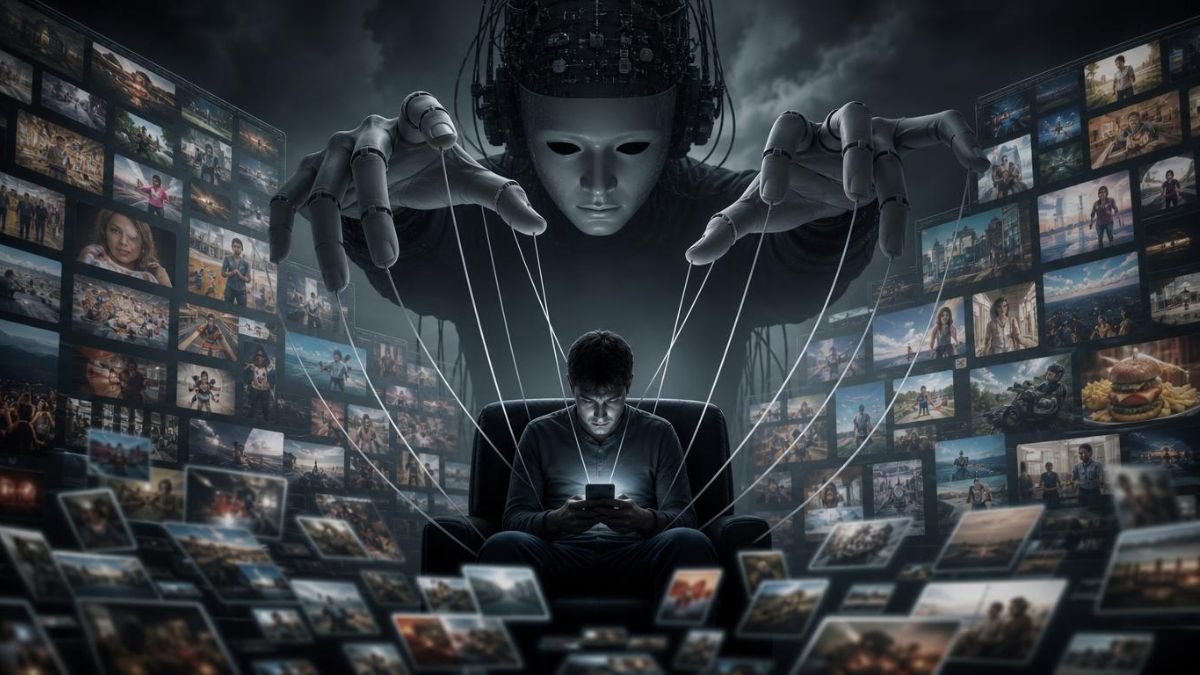
We recoil at AI-generated content while happily consuming whatever an algorithm serves us. This deep dive examines the hypocrisy in our performed disgust, why “human or machine?” is the wrong question, and what a more honest relationship with content actually looks like.
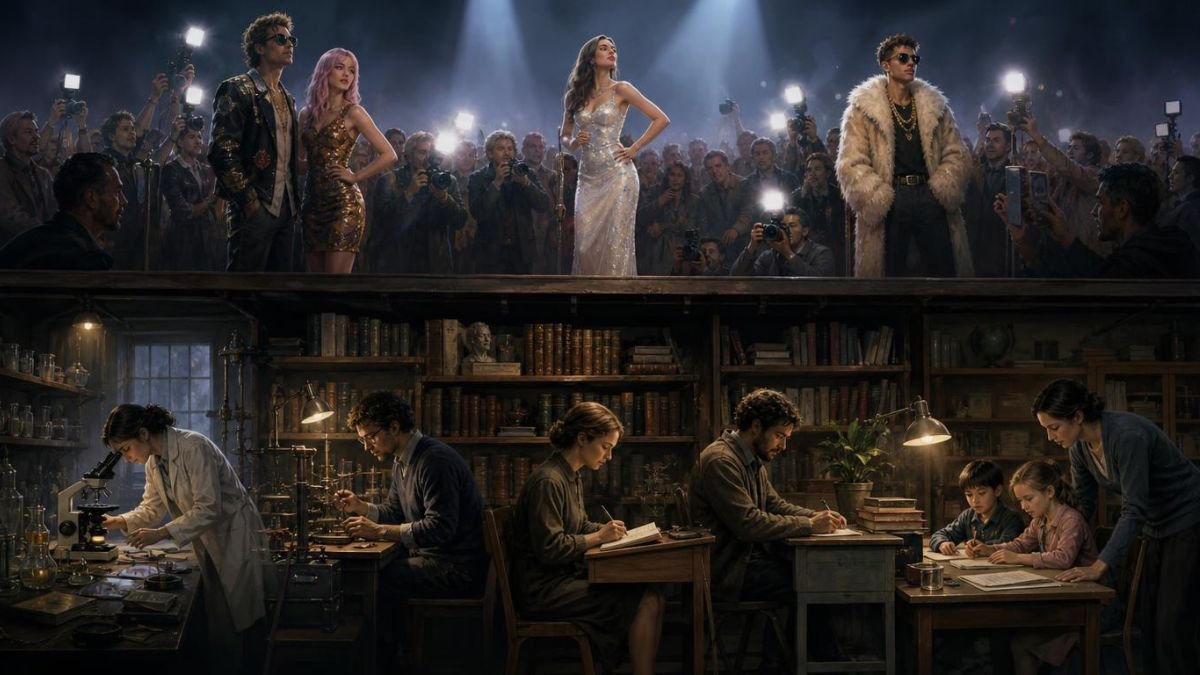
Scientists, poets, and teachers were once public heroes. Now they’re invisible. A deep dive into what actually changed — and what to honestly tell a young person.