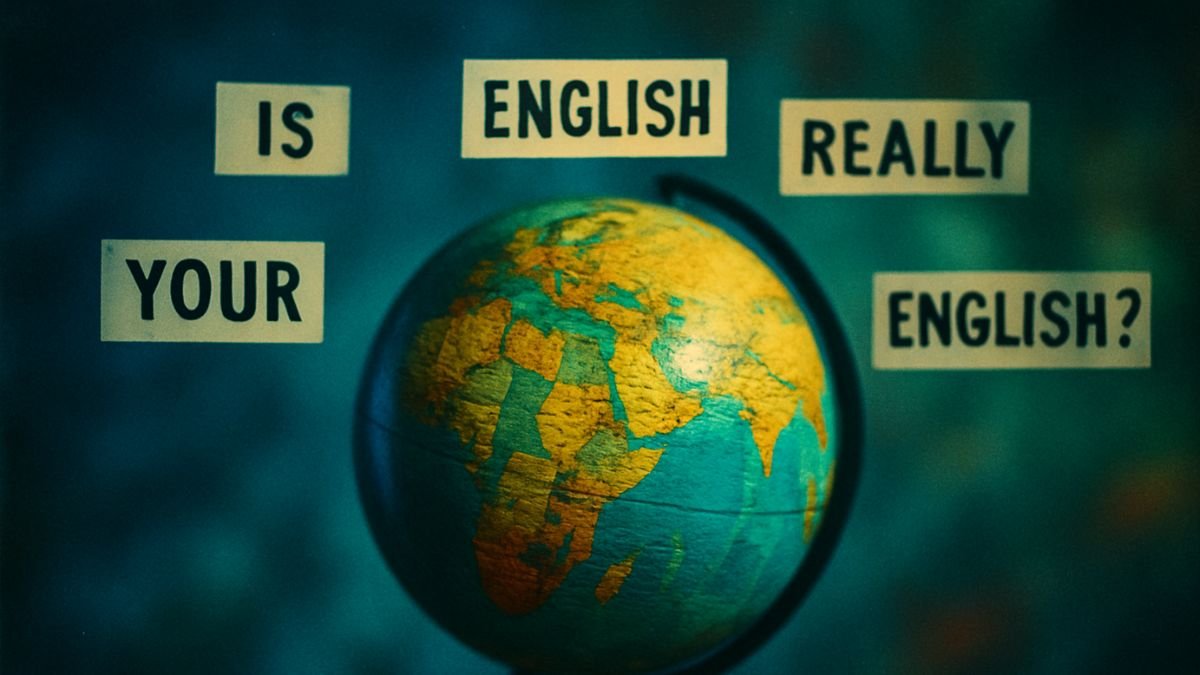
Audio Primer
Introduction
If you speak English, you're speaking a language that has traveled the world. English is like a global potluck: it's a "pure" language... if you're a pure-bred German-Viking-French-Latin-Hindi-Chinese-Swahili-Dutch-Spanish speaker!
The truth is, the English language has a long and happy history of "borrowing" words from every culture it meets. This isn't a "one-way street" of English spreading; it's a "two-way street" where English is constantly being enriched by the rest of the world. Words like shampoo, safari, and ketchup are gifts from other languages that we now use every day.
This quiz is a celebration of that global exchange. It's not a "test," but a learning activity to show you the amazing, hidden stories behind words you already know. By the end, you won't just see English; you'll see a map of the world.
Learning Quiz
This is a learning quiz from English Plus Podcast, in which, you will be able to learn from your mistakes as much as you will learn from the answers you get right because we have added feedback for every single option in the quiz, and to help you choose the right answer if you're not sure, there are also hints for every single option for every question. So, there's learning all around this quiz, you can hardly call it quiz anymore! It's a learning quiz from English Plus Podcast.
Quiz Takeaways | Your English Is a World Traveler
Hello, and welcome. If you just took that quiz, you've probably realized something that most English speakers never stop to think about: the language we're speaking is a glorious, living, breathing mosaic of the entire world.
There's an old joke that English isn't a language, it's three languages in a trench coat that follow other languages down dark alleys and mug them for new words. And that's... not entirely wrong! But I like to think of it in a more positive way. English isn't "pure," and that's its greatest strength. It's an open-source language, a "global potluck," as I said. It's a living map of our history.
Let's just look at what we learned.
It starts with the very bones of the language. The original language of England was Old English, or Anglo-Saxon, a Germanic language. But that "pure" state didn't last long. The first major "borrowing" spree came from the Vikings. As we saw in the quiz, the Vikings (who spoke Old Norse) didn't just raid; they settled. And their language mixed with Old English so thoroughly that we can't even tell them apart anymore. They gave us hundreds of core, everyday words: sky, skin, get, give, they, them. These aren't fancy words; they're the engine of the language.
Then came 1066: the Norman Conquest. The French-speaking Normans took over, and for 300 years, French was the language of power, law, and high culture. Old English was for the common people. This created a fascinating split that we still have today. The farmer (an English word) raised the cow (English), the pig (English), and the sheep (English). But the noble (a French word) ate beef (from the French boeuf), pork (French porc), and mutton (French mouton). We borrowed thousands of words for government (parliament, judge, jury), fashion (style, costume), and art. We saw this with the word ballet, which itself was a "loanword" into French from the Italian balletto.
So, even before we look at the rest of the world, English is already a hybrid of German, Norse, and French.
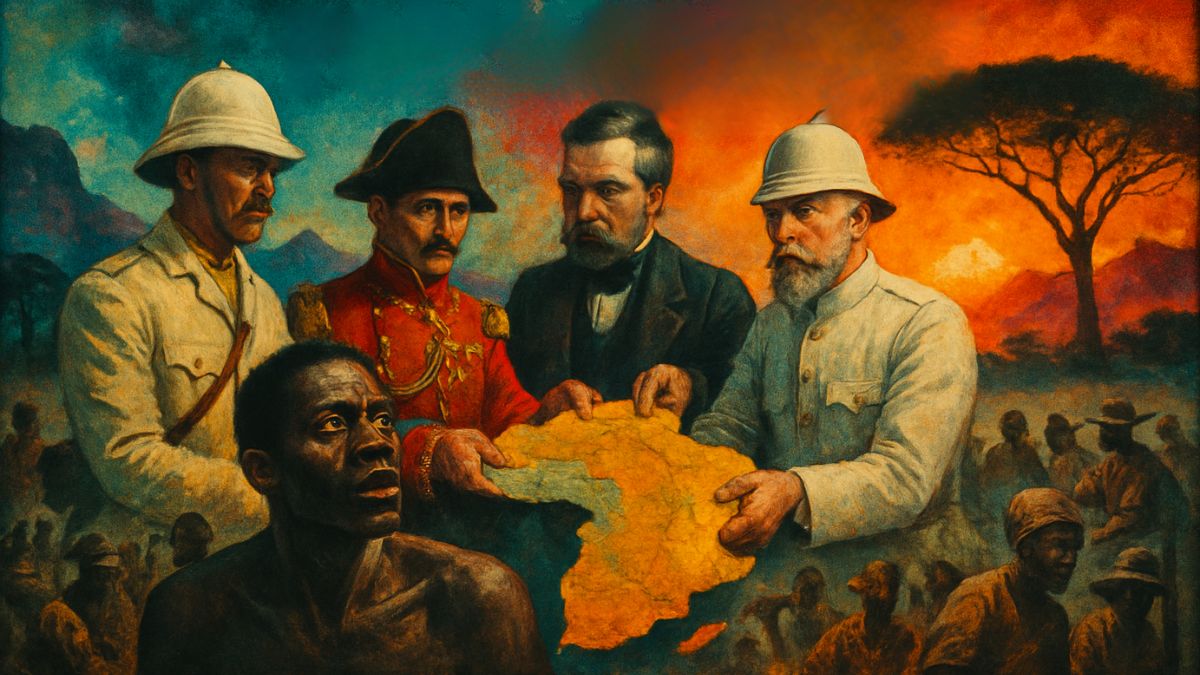
But then, the "Age of Exploration" and the British Empire began, and English started collecting words like a traveler collects souvenirs. This is where the quiz really came alive.
Let's look at South Asia. Through the British presence in India, English absorbed words for things that were part of daily life there. We got shampoo from the Hindi word for "massage." We got pajamas from the Persian word for "leg-garment." We got bungalow (a type of house), jungle (a forest), and thug. From the deep, philosophical roots of the subcontinent, we got karma and guru from Sanskrit.
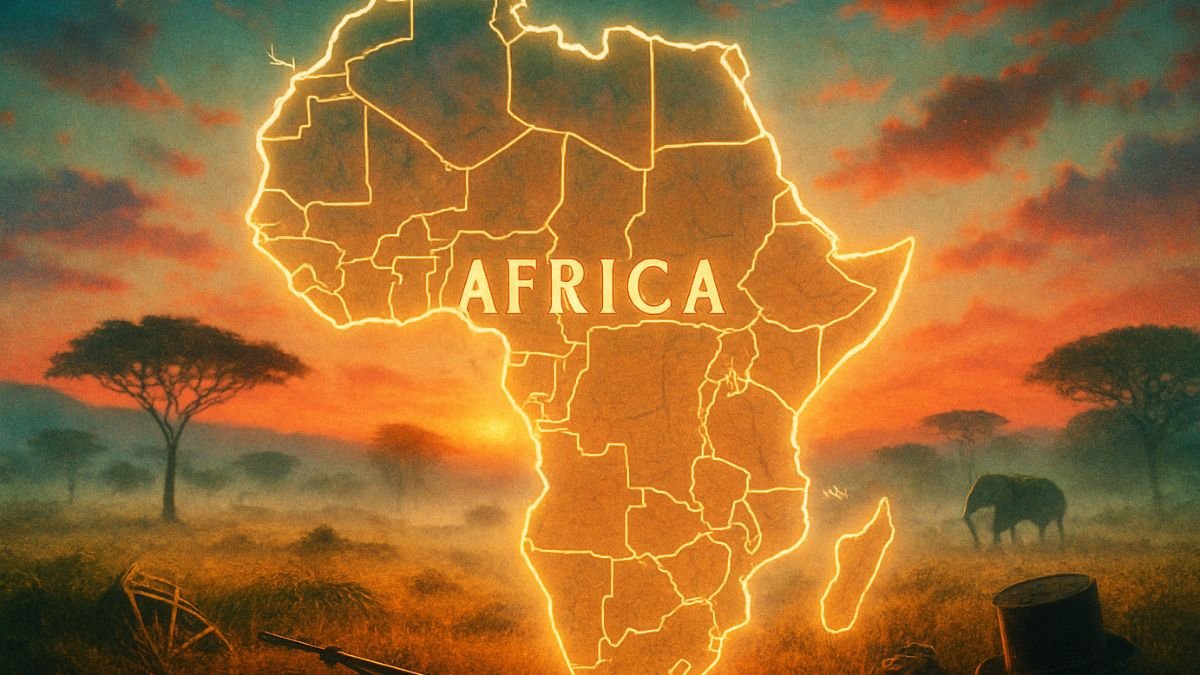
Let's go to Africa. We learned the word safari comes from the Swahili word for "journey" (which Swahili itself got from Arabic!). We also learned that the word jumbo—meaning "huge"—was the name of a real elephant from East Africa, and his name came from a Swahili word like jumbe (chief).
From East Asia, we got words for things we had never seen or tasted. English sailors in China discovered kê-tsiap, a fermented fish sauce. They brought it home, and after centuries of playing with the recipe, it became our modern, tomato-based ketchup. From Japan, we got sushi (which, as we learned, means "sour rice," not "raw fish"), tycoon (from taikun, or "great lord"), and, of course, karaoke ("empty orchestra"). From the Malay language, we got the beautiful name orangutan—"person of the forest."
English was also changing in the Americas. It met Spanish, and we borrowed mosquito ("little fly"), rodeo, patio, and the names for all kinds of food, like taco and avocado (which is from the Nahuatl language, via Spanish!). And when English settlers arrived in New Amsterdam—now New York—they met the Dutch. And from the Dutch koekje ("little cake"), we got the word cookie.
And, of course, from the original inhabitants of all these lands, we got words for the unique plants and animals. The most famous, as we saw, is kangaroo, which might be the most famous linguistic misunderstanding of all time—the result of an explorer asking a question and a local Guugu Yimithirr man saying, "I don't understand you."
But English also continued to borrow from its European neighbors. It wasn't just war and empire; it was culture. From Italy, the home of the Renaissance, we took the entire vocabulary of music: piano, opera, soprano, tempo. And, of course, food: spaghetti, pizza, espresso.
From Germany, we took words for "big ideas." The Germans have a knack for combining words to create a new, perfect concept. We loved their word for "children's garden," Kindergarten, so much that we just took it. We also took angst (dread), doppelgänger (a double), and the ultimate "idea" word, Zeitgeist—the "spirit of the time."
Even from smaller language communities, English has been enriched. From Yiddish, the language of Ashkenazi Jewish communities, we got colorful words that just feel right: glitch, bagel, chutzpah, klutz. From Russia, we got tundra to describe a landscape we had no name for. And from Arabic, a language that was the center of science and math for centuries, we got algebra (from al-jabr, "the reunion of broken parts"), algorithm (from the mathematician al-Khwarizmi), coffee, alcohol, and sofa.
So, when you look at all these words, you see that the English language isn't a fortress; it's a port city. It's a bustling, noisy, and wonderful intersection where every culture on Earth has come, left a package, and made the language richer. Every word you use has a history, and every sentence you speak is a journey around the world.




0 Comments