Why does a metal railing feel freezing while wood feels warm, even at the same temperature? We break down the physics of thermal conductivity, heat transfer, and why your senses lie to you.


Why does a metal railing feel freezing while wood feels warm, even at the same temperature? We break down the physics of thermal conductivity, heat transfer, and why your senses lie to you.
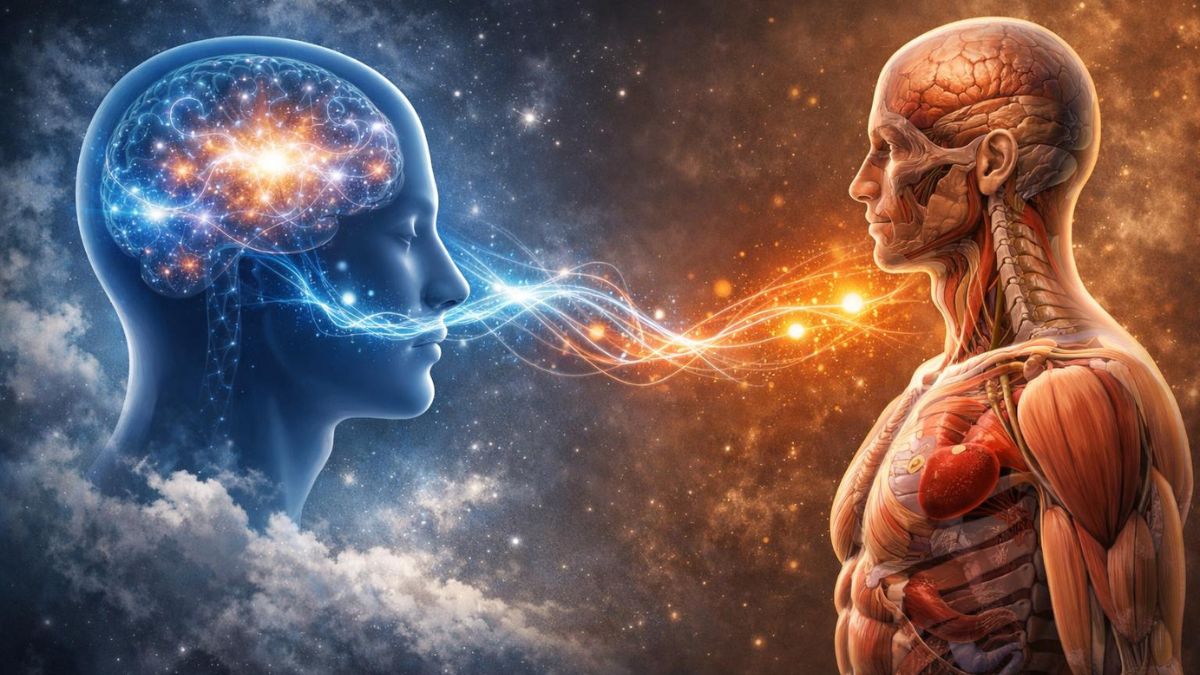
Explore the Philosophy of Mind-Body Dualism. From Descartes’ Ghost in the Machine to the Hard Problem of Consciousness, we break down how mental and physical states connect.

Dive into the Ship of Theseus thought experiment. We explore identity, biological regeneration, and why you might be a completely different person than you think you are.
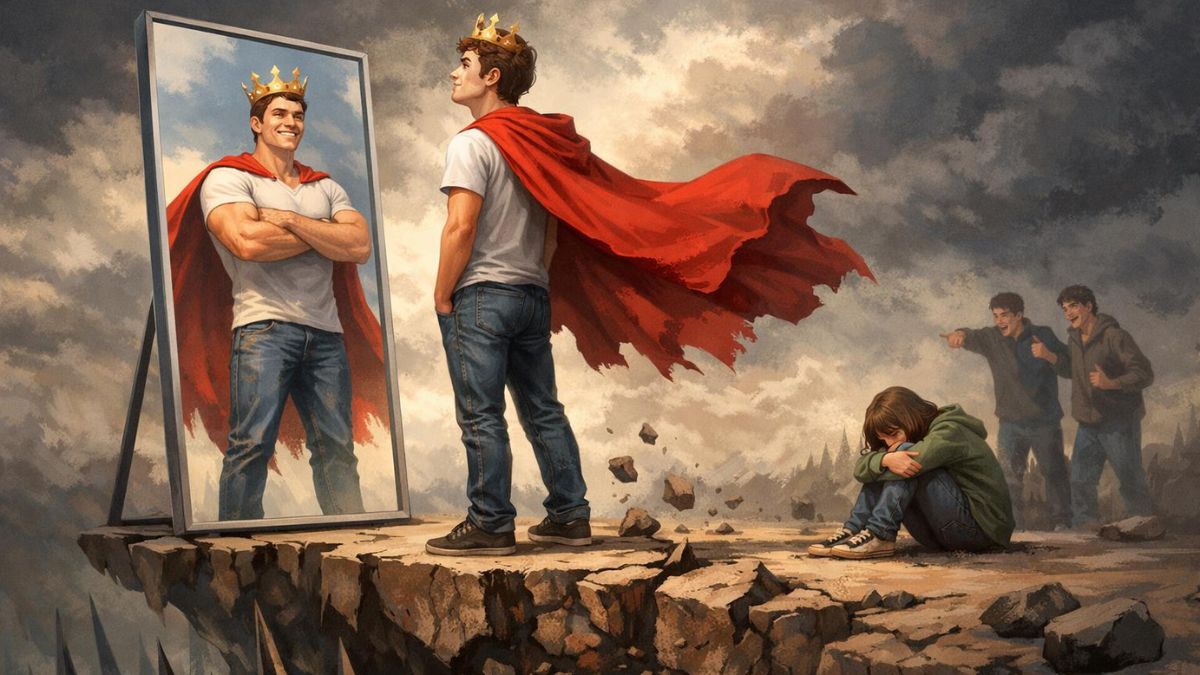
Is high self-esteem always good? We debunk the myth. Discover why chasing self-worth can lead to narcissism and anxiety, and learn about the stronger alternatives: self-efficacy and self-compassion.
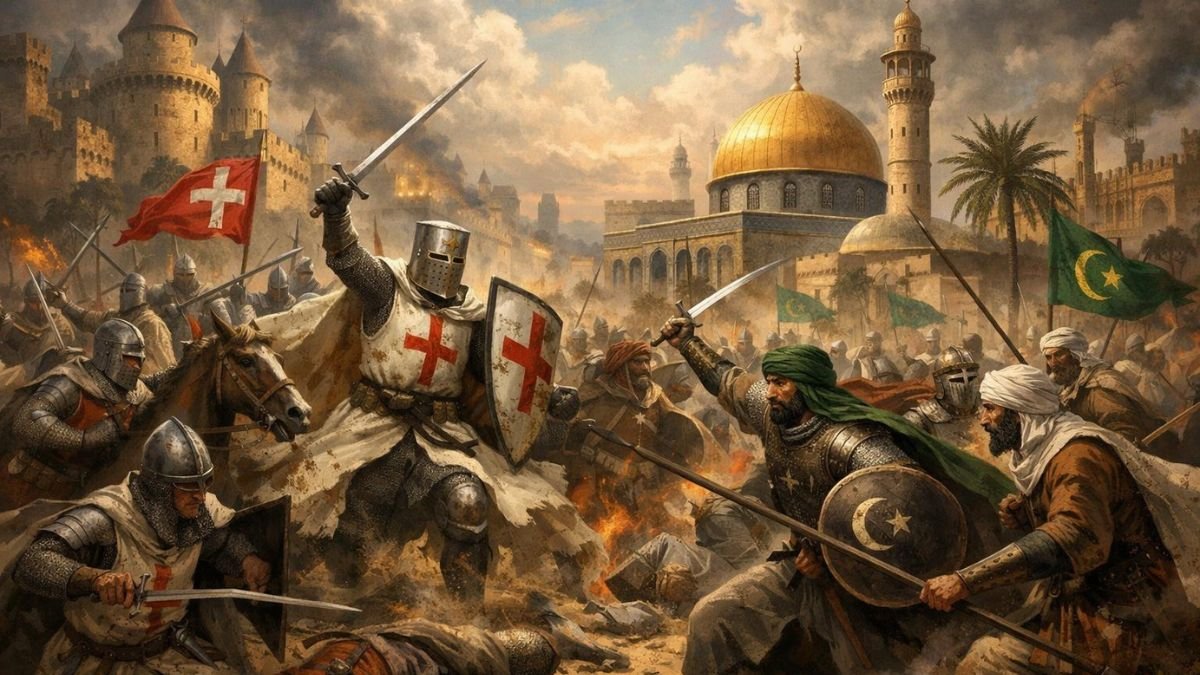
Dive deep into the history of The Crusades. From Pope Urban II to Saladin, explore the wars that defined the Middle Ages, the cultural exchange that followed, and the dark legacy of the Fourth Crusade.

Ever wonder why that fresh loaf of bread seems to sprout green fuzz in the blink of an eye? We’re diving into the science of why bread grows mold so quickly. Discover the invisible airborne invaders, the perfect conditions your bread provides, and why your fridge might not be the safe haven you think it is.

What lurks in the deep, dark waters of Scotland’s most famous loch? Join us as we dive into the enduring mystery of the Loch Ness Monster. From ancient legends and grainy photos to modern scientific expeditions, we’ll explore the sightings, the hoaxes, and the theories that keep the search for Nessie alive. Is it a plesiosaur, a giant eel, or just a trick of the light?
Ever wondered how a snowflake gets its shape? Dive into the incredible science of snowflakes and discover why no two are alike. Learn how temperature and humidity write a unique story in ice, turning a simple water molecule into a six-sided masterpiece. Prepare to see winter in a whole new way.

What makes you, you? Is it your memories, your body, or something else entirely? Dive into the fascinating philosophical puzzle of the Self and Identity. We’ll explore classic thought experiments like the Ship of Theseus to question what truly defines us over time. Get ready to rethink everything you thought you knew about yourself.
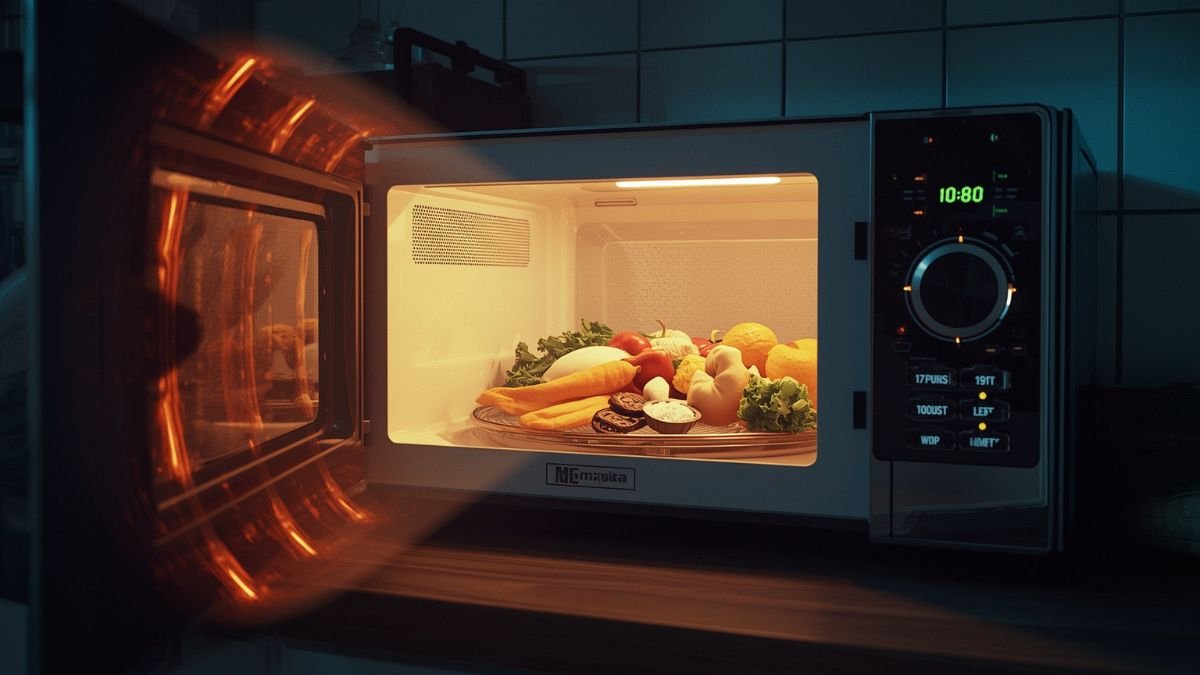
Are you worried that using your microwave destroys nutrients in your food? Let’s bust this persistent myth. Discover the science behind how microwaves really work and why this cooking method can actually be one of the best for preserving vitamins and minerals. It’s time to separate the science from the scaremongering.
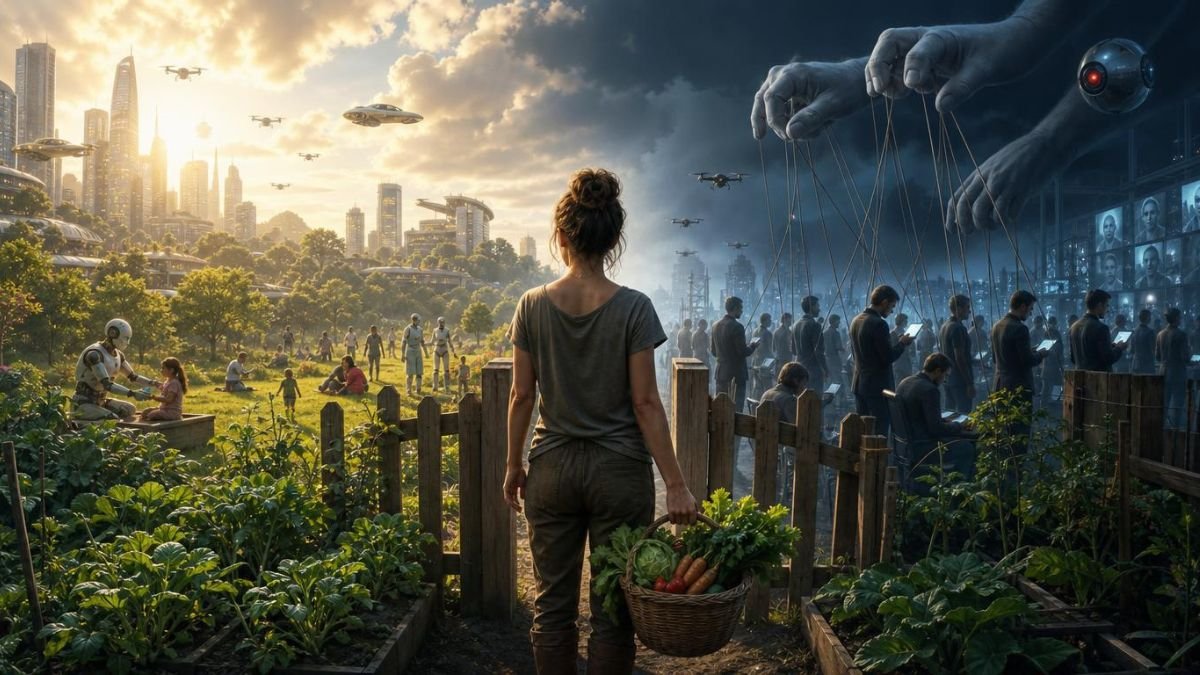
Elon Musk says AI and robots will make work optional within ten to twenty years, funded by government-issued “universal high income.” The promise is sincere. The arithmetic is plausible. The politics are a catastrophe — and for most of the world, the offer isn’t even on the table. An examination of what happens to human dignity, political leverage, and global hope when your livelihood becomes a transfer instead of a claim.
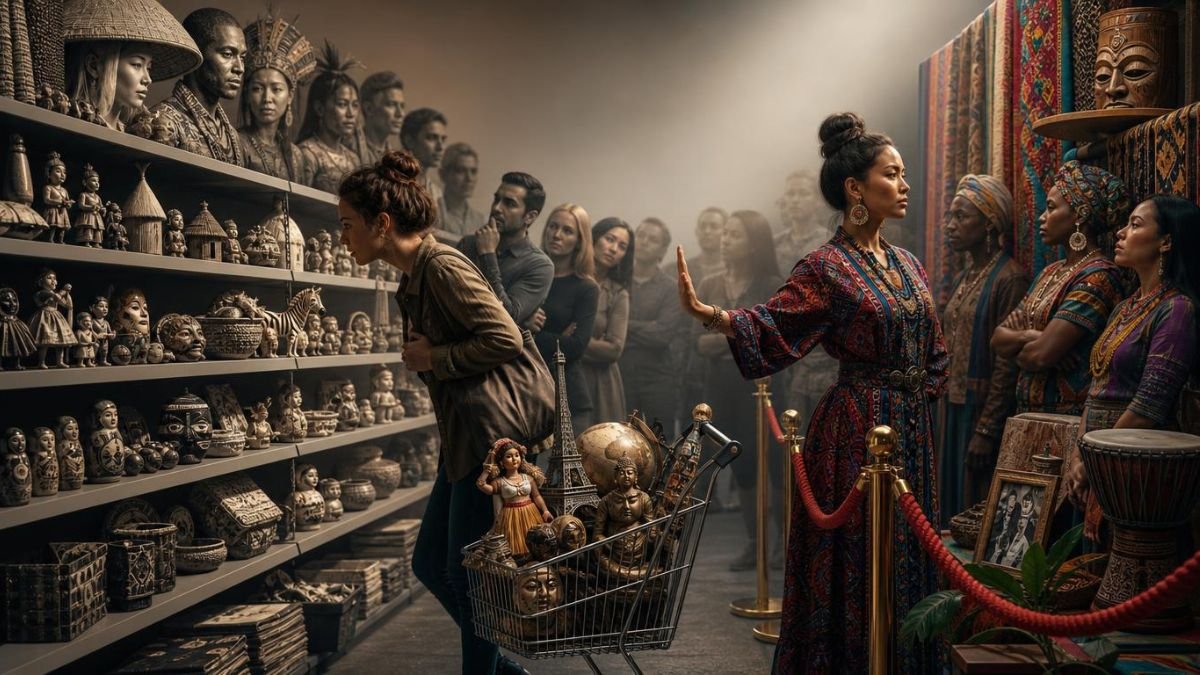
We compress distant cultures into one word and bristle when anyone does it to us. A look at resolution asymmetry — why it happens, when it’s harmless, and when it isn’t.
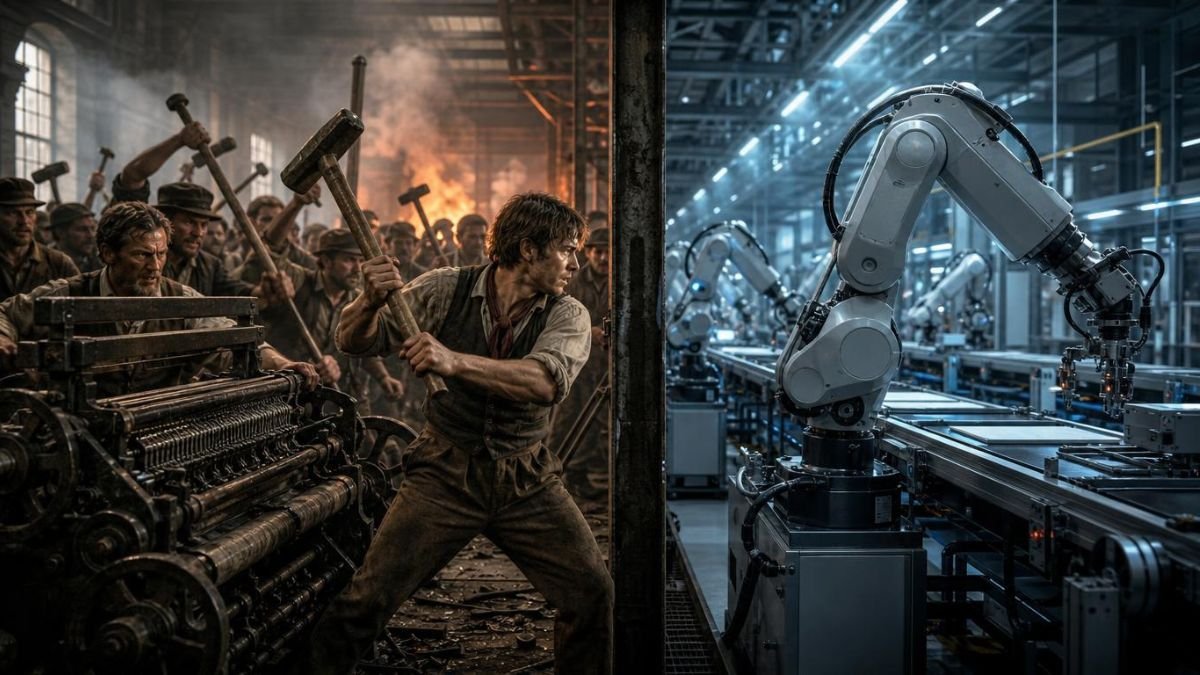
We use “Luddite” to mean technophobe. The real Luddites were skilled workers fighting over who controls technology and who profits from it — the exact fight we’re having about AI right now.
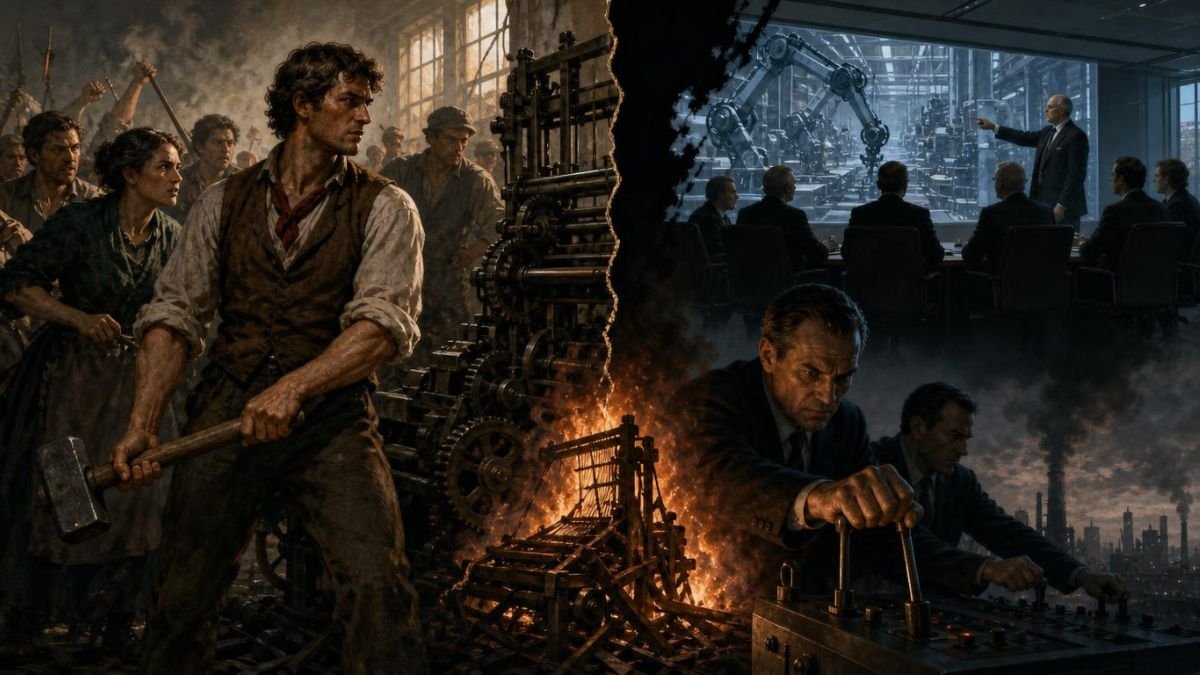
The Luddites are history’s favorite punchline for anyone who fears progress. But they never opposed machines — and the people who actually killed good technology were rarely holding a hammer. A deep dive into the smearing of a movement and the far quieter sabotage that followed.
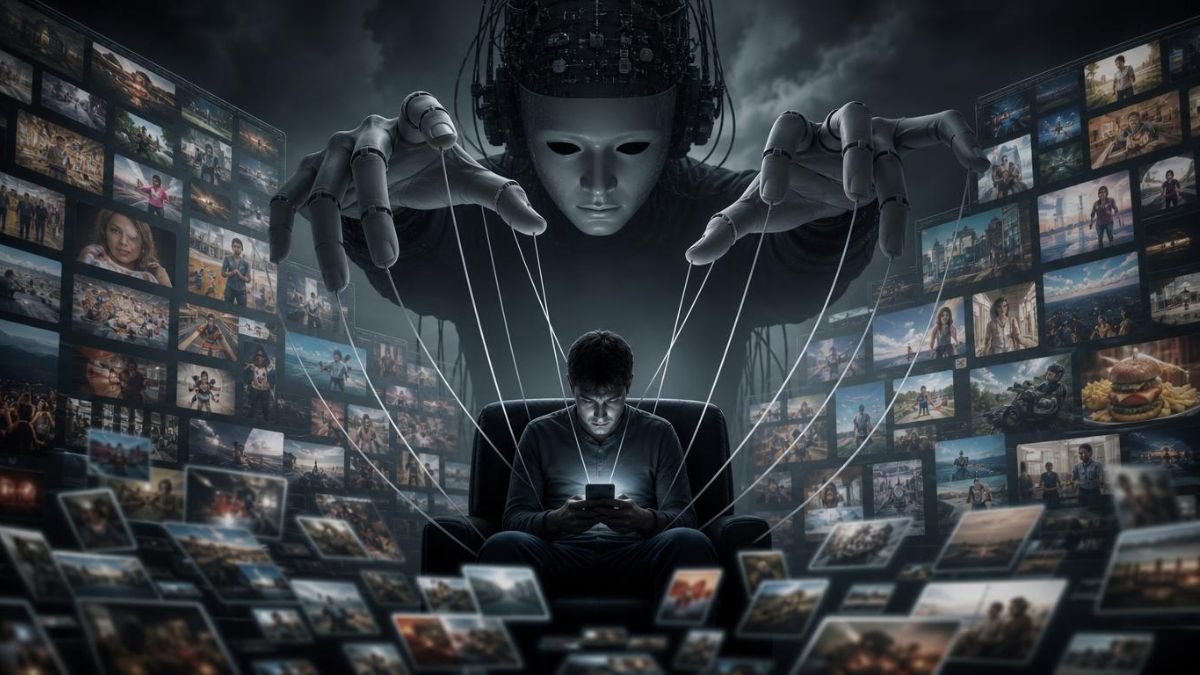
We recoil at AI-generated content while happily consuming whatever an algorithm serves us. This deep dive examines the hypocrisy in our performed disgust, why “human or machine?” is the wrong question, and what a more honest relationship with content actually looks like.
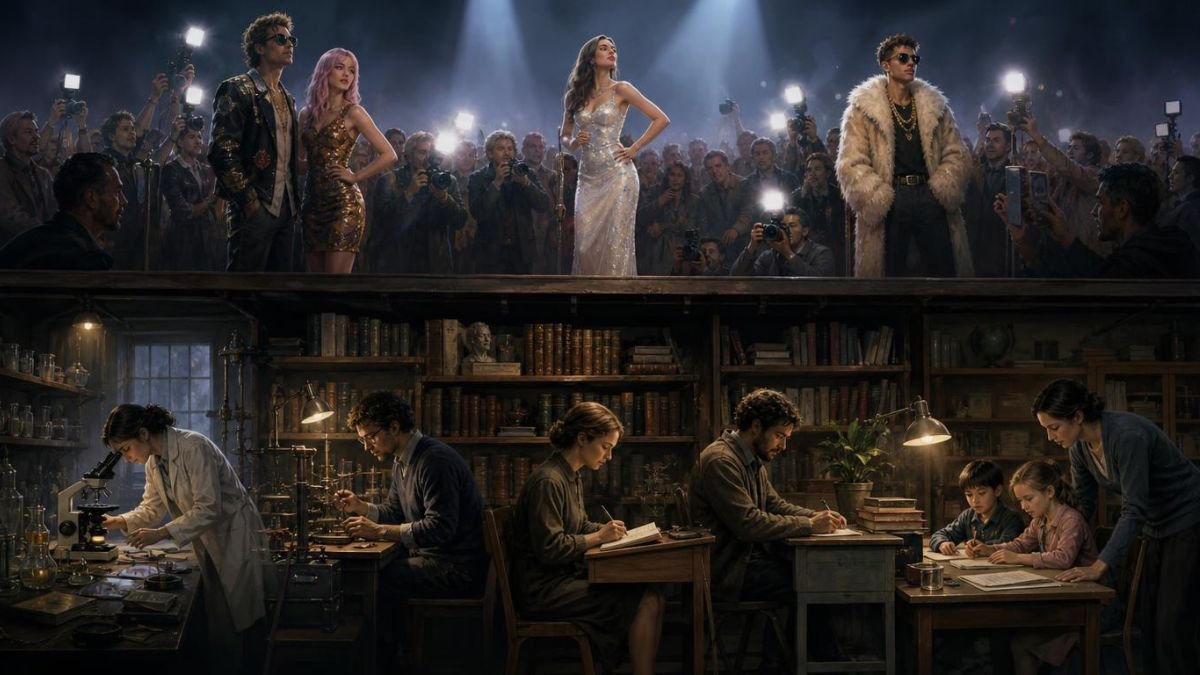
Scientists, poets, and teachers were once public heroes. Now they’re invisible. A deep dive into what actually changed — and what to honestly tell a young person.