Is what we see all there is? The philosophy of reality has been asking this question for millennia — and the answers are stranger, more unsettling, and more liberating than you might expect.


Is what we see all there is? The philosophy of reality has been asking this question for millennia — and the answers are stranger, more unsettling, and more liberating than you might expect.

The idea that all publicity is good publicity is one of the most repeated — and most dangerous — myths in celebrity culture. Let’s look at what the evidence actually says.
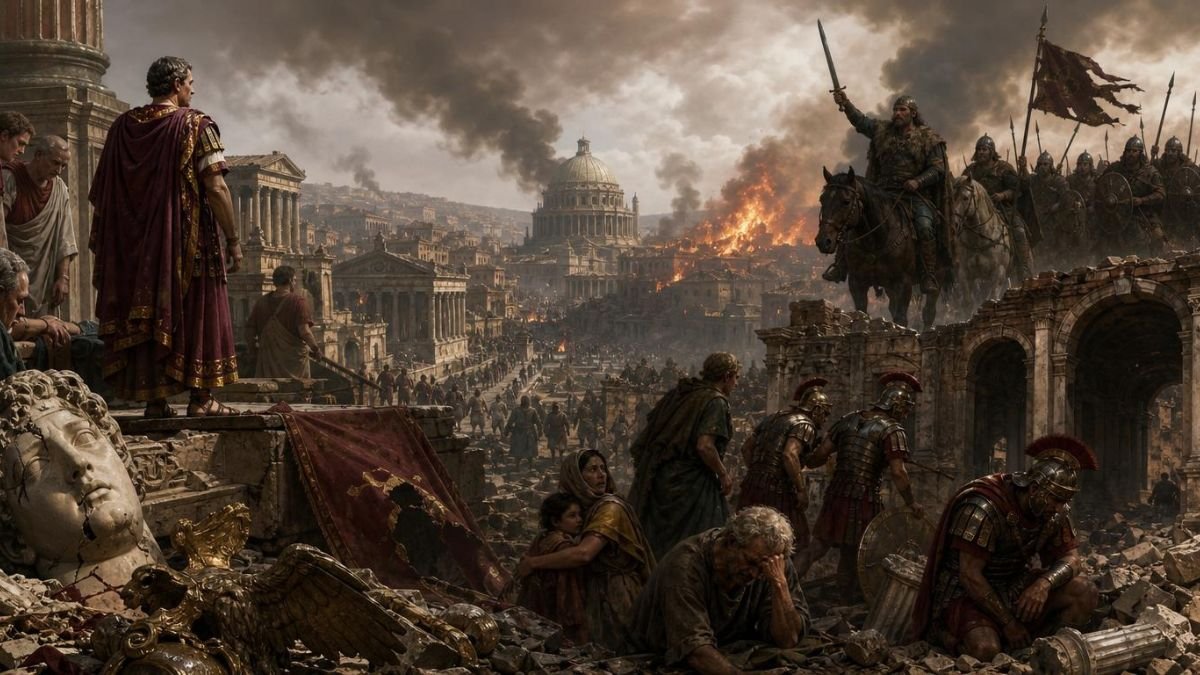
The fall of the Roman Empire is one of history’s greatest puzzles — and its causes are surprisingly relevant today. Political dysfunction, economic collapse, overextension, and cultural fragmentation: sound familiar?

The Inuit myth of Sedna is one of the most haunting origin stories ever told — a tale of betrayal, transformation, and the terrifying power of a woman who became the ruler of all sea creatures.

Why do we hiccup? The answer involves your diaphragm, your vagus nerve, ancient evolutionary biology, and a reflex so old it may predate your ancestors’ lungs. Discover the surprising science of the hiccup.
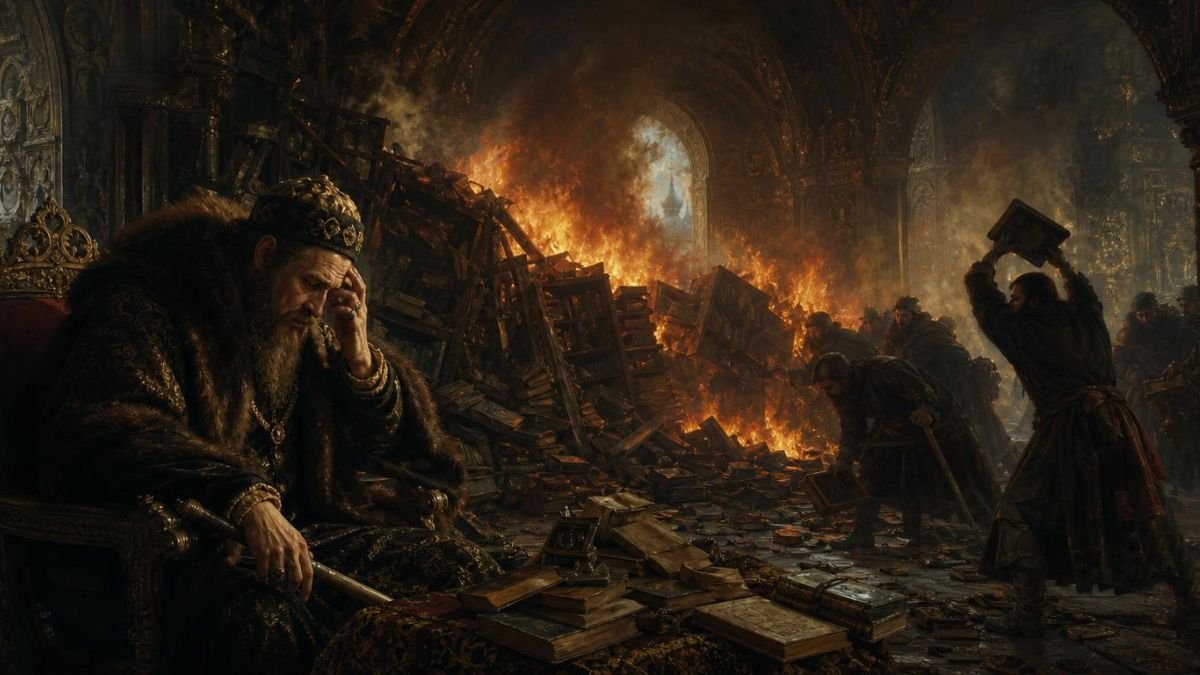
The library of Ivan the Terrible — a legendary collection of priceless ancient manuscripts — has never been found. Is it buried under the Kremlin? Was it destroyed? Or was it never real? The mystery endures.
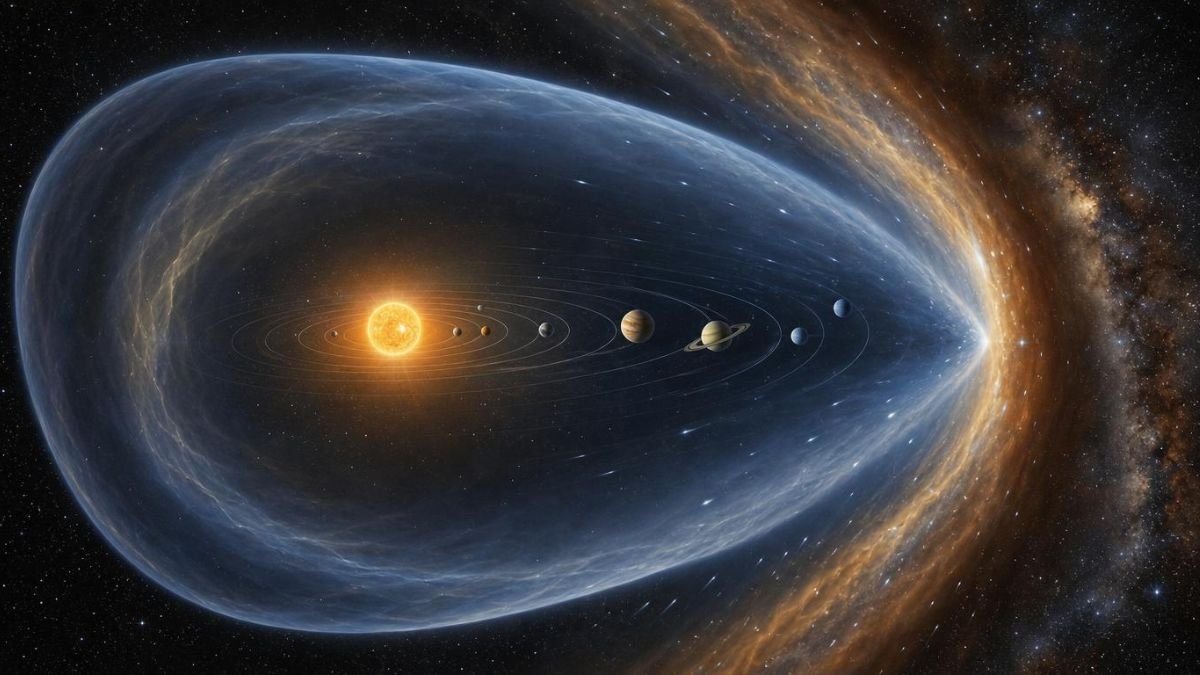
The heliosphere is the Sun’s invisible protective bubble stretching billions of miles into space — and without it, life on Earth might never have existed. Discover the science and wonder of this cosmic shield.
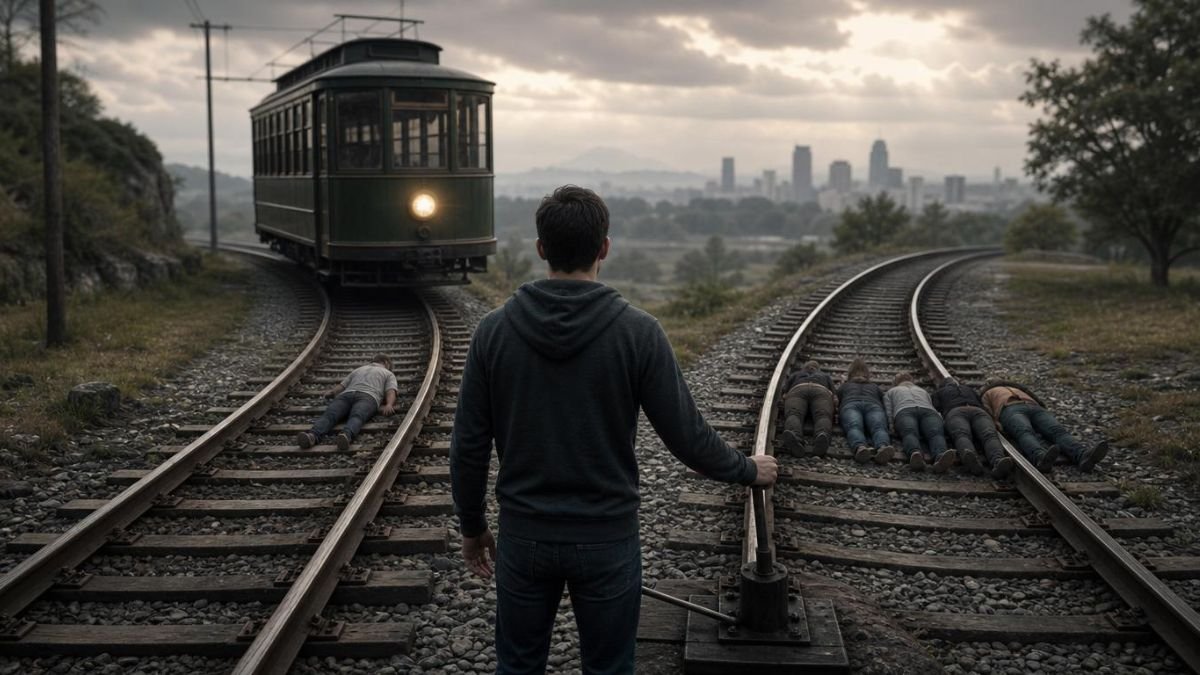
The trolley problem isn’t just a philosophy classroom puzzle — it’s a window into how we make moral decisions under pressure, and what those decisions reveal about the kind of people we actually are.
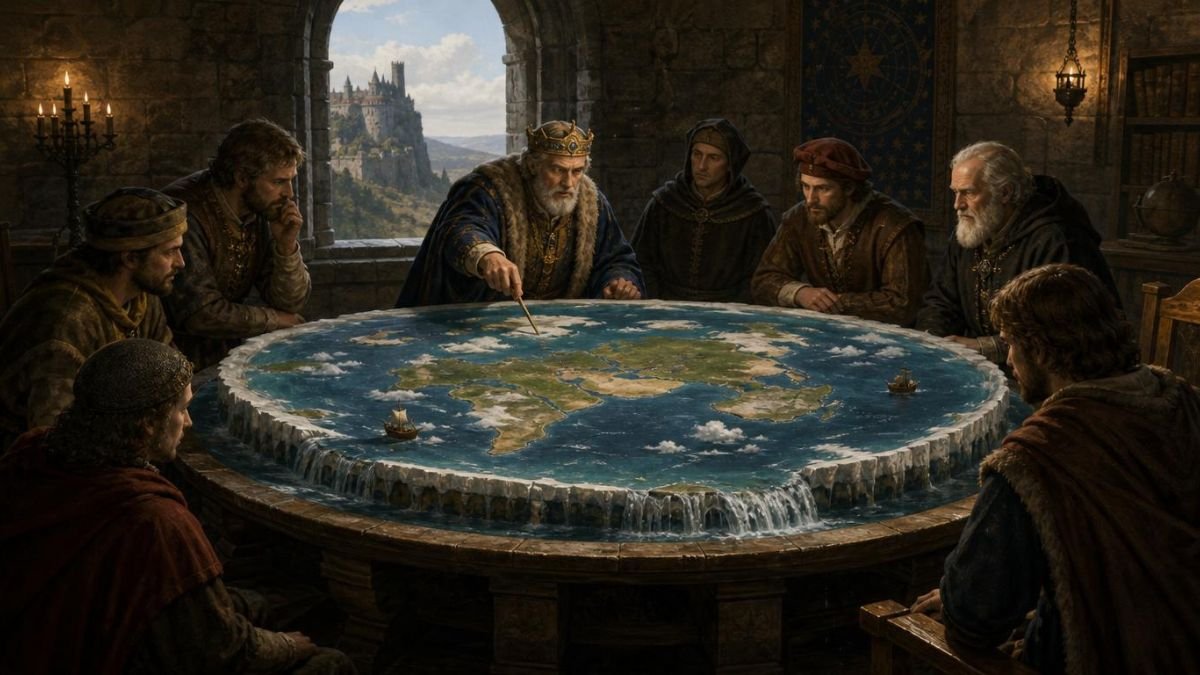
Did people in the Middle Ages really believe the Earth was flat? The answer is no — and unpacking this medieval flat earth myth reveals more about modern assumptions than it does about medieval ignorance.
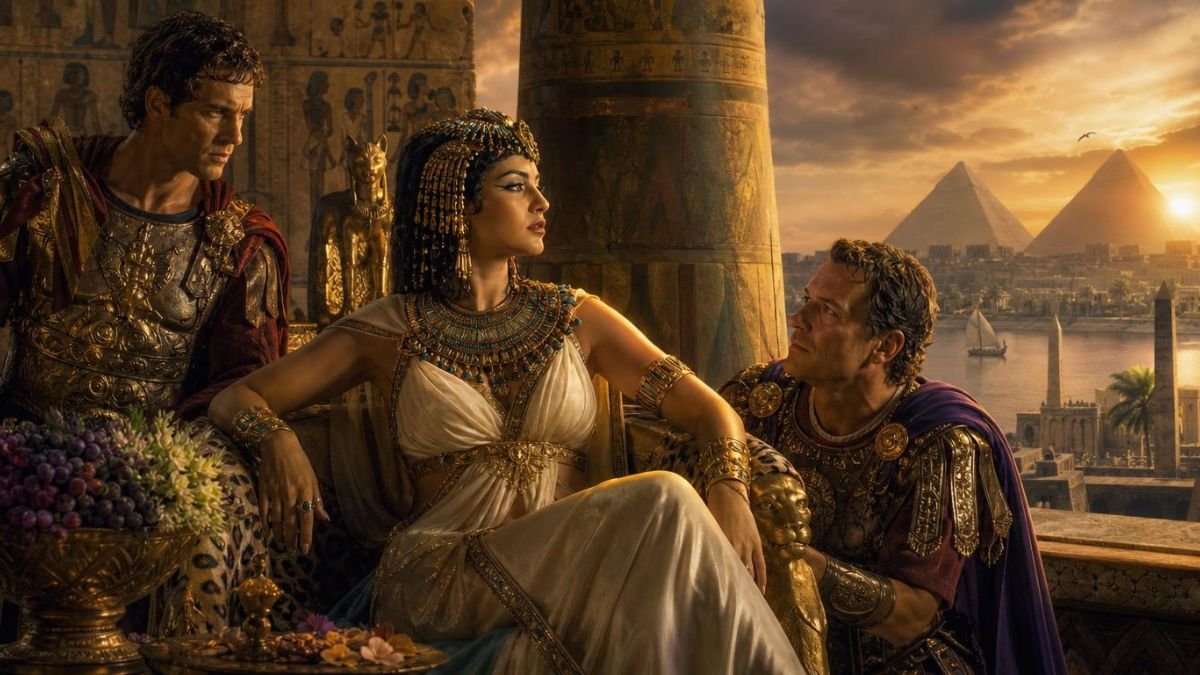
Cleopatra’s reign was far more than a love story — it was a masterclass in political survival, linguistic genius, and the courage to rule on your own terms. Discover the real queen behind the legend.

A poetic dive into the Italian good-luck phrase in bocca al lupo — “into the mouth of the wolf” — the argument Italians are still having about the correct reply, and what predators actually do to a landscape.

A poetic dive into “dirge” — a word for the music of grief, which turns out to be the crumpled remains of a Latin word meaning guide me.

Medieval Europeans knew the Earth was round. Columbus knew. His critics knew, and they were right about the part that mattered. So where did the flat Earth story come from? A novelist, two Victorian polemicists, and our deep appetite for feeling smarter than the dead.

Washington Irving invented the flat Earth myth in 1828. Danny puts him on trial for the lie that made Columbus a hero and the Middle Ages a joke.

A poetic dive into the German idiom auf dem Zahnfleisch gehen — “to walk on the gums” — and what the suspended architecture of a single tooth reveals about the first thing exhaustion takes from you.

Learn the English of networking — question forms, the echo responses that keep a conversation alive, question tags, and the graceful exit nobody teaches. Plus why the people who help your career are rarely your closest friends.