The Sun blows a bubble bigger than the solar system, and we live inside it. Explore the heliosphere, the two Voyagers that flew out of it, and why leaving is so hard to define.
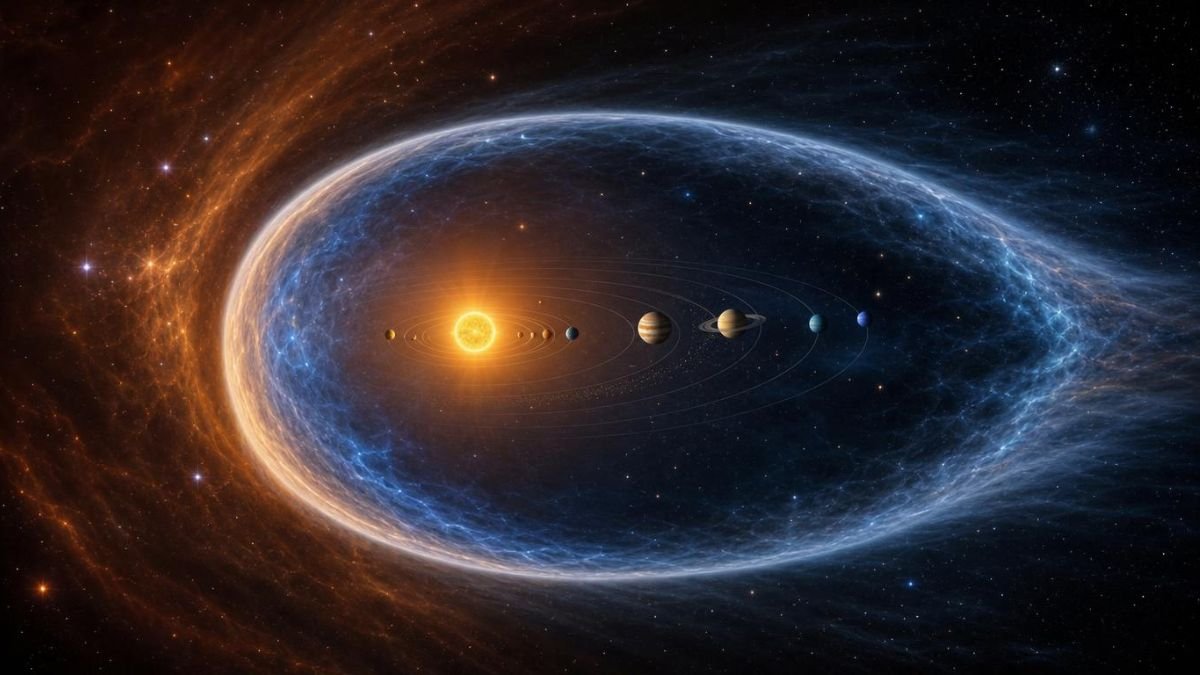

The Sun blows a bubble bigger than the solar system, and we live inside it. Explore the heliosphere, the two Voyagers that flew out of it, and why leaving is so hard to define.
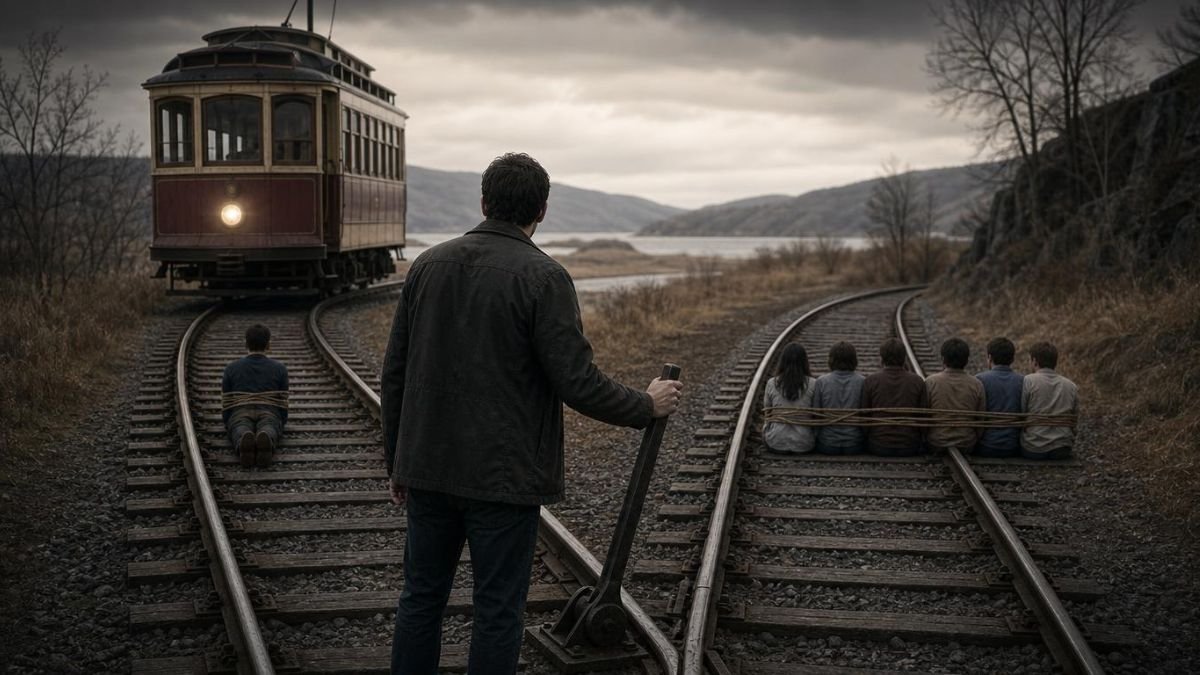
Five people on one track, one on another, and your hand on the lever. Explore the trolley problem, its surprising origins, and what it really reveals about moral judgment.
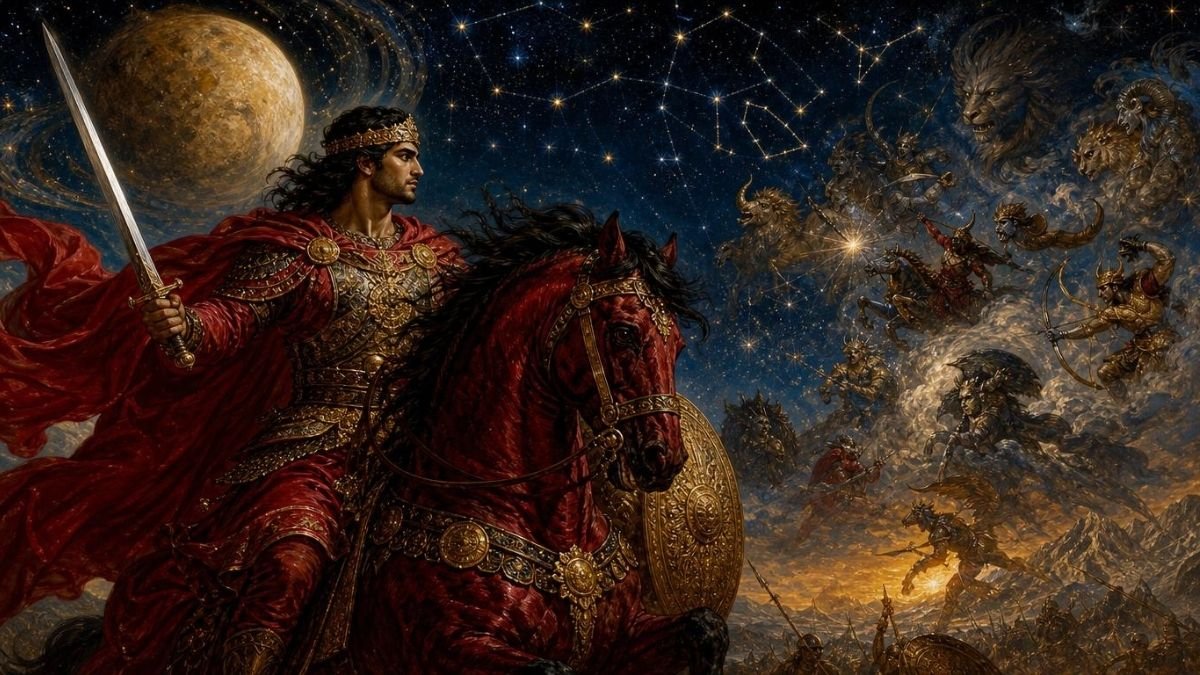
Meet Bahram, the Persian god of victory and the red planet Mars. Explore Zoroastrian star-battles, shape-shifting gods, and the wisdom hidden in an ancient sky.
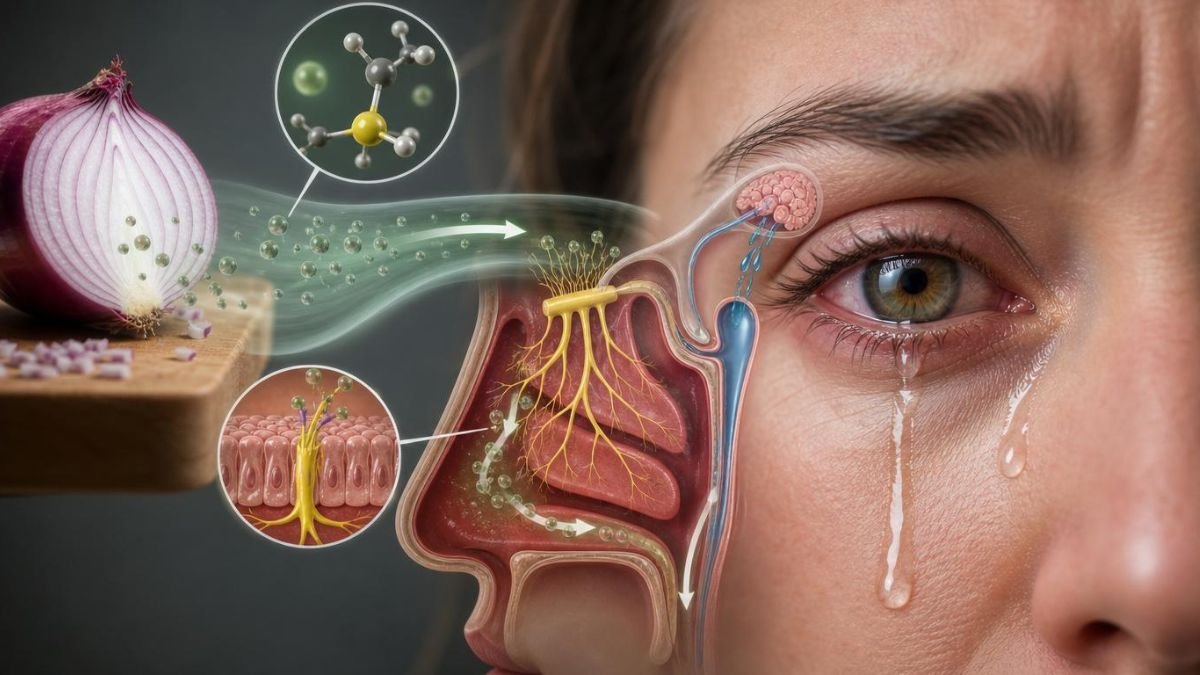
Why do onion fumes make us cry? The answer involves volatile sulfur compounds, an enzyme, your eyes’ natural defense system, and a chemical called syn-propanethial-S-oxide — and it is more interesting than you’d expect.
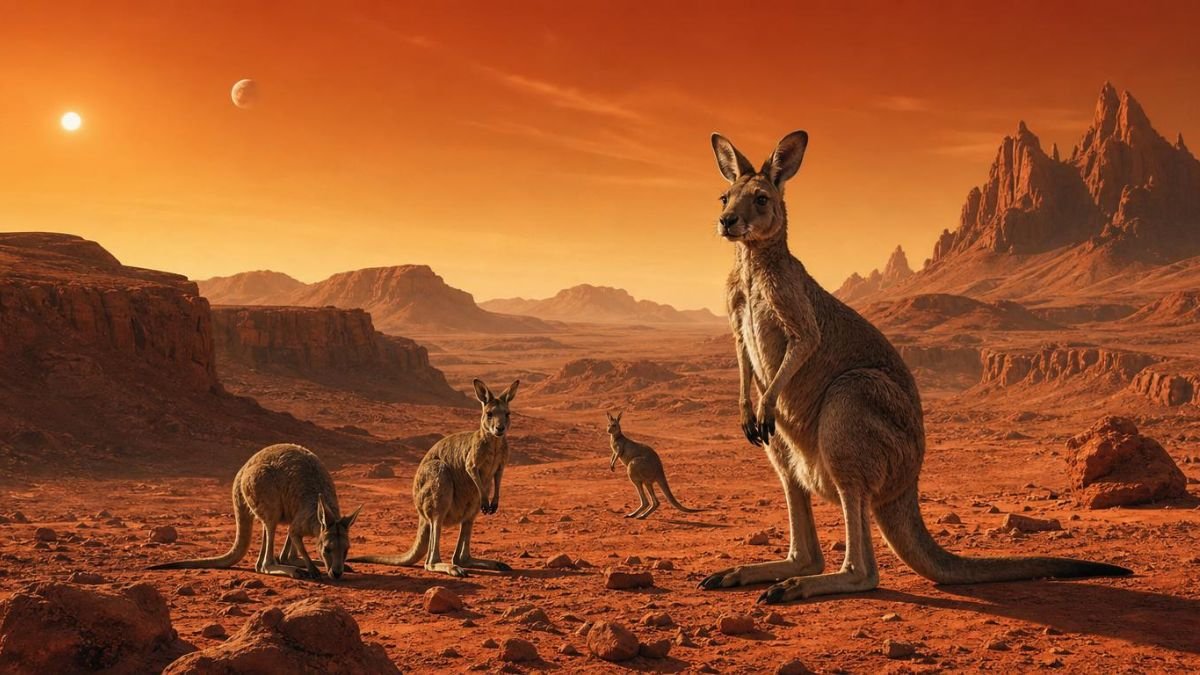
Phantom kangaroos — sightings of kangaroos and wallabies far outside their native range in Australia — have been reported across the United States, Europe, and beyond for over a century. Nobody has a satisfying explanation.
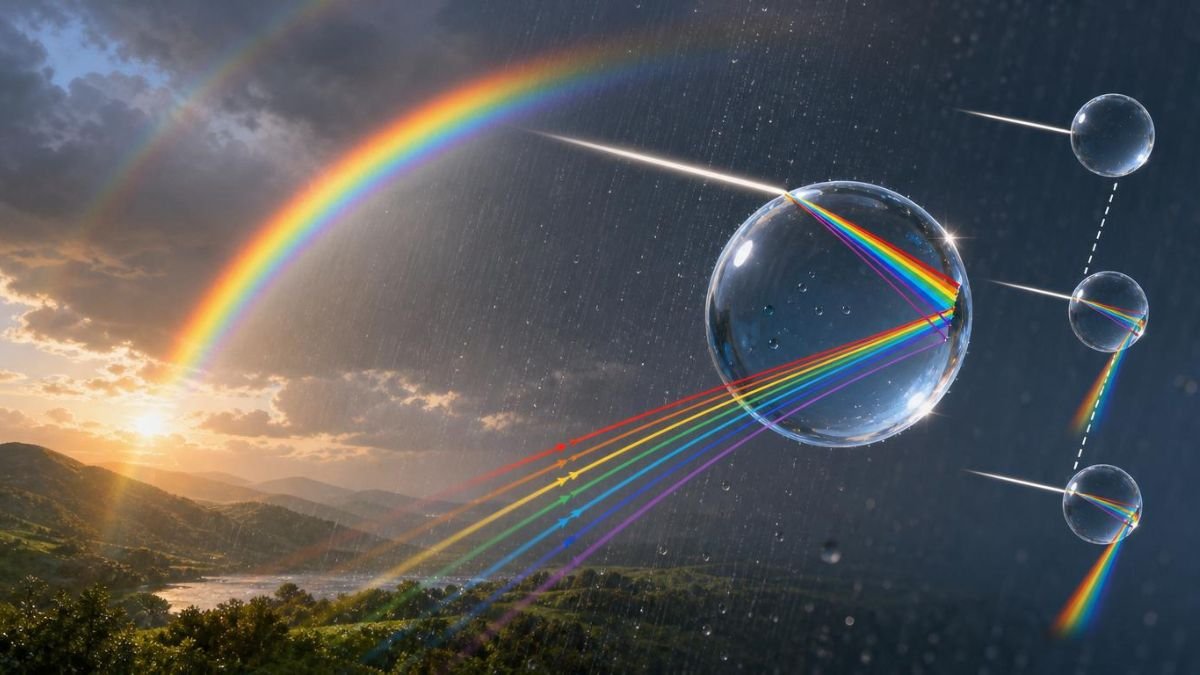
The physics of rainbows — refraction, reflection, and the dispersion of light — is one of the most beautiful demonstrations of optical science in the natural world, hiding in plain sight above every rainy sky.
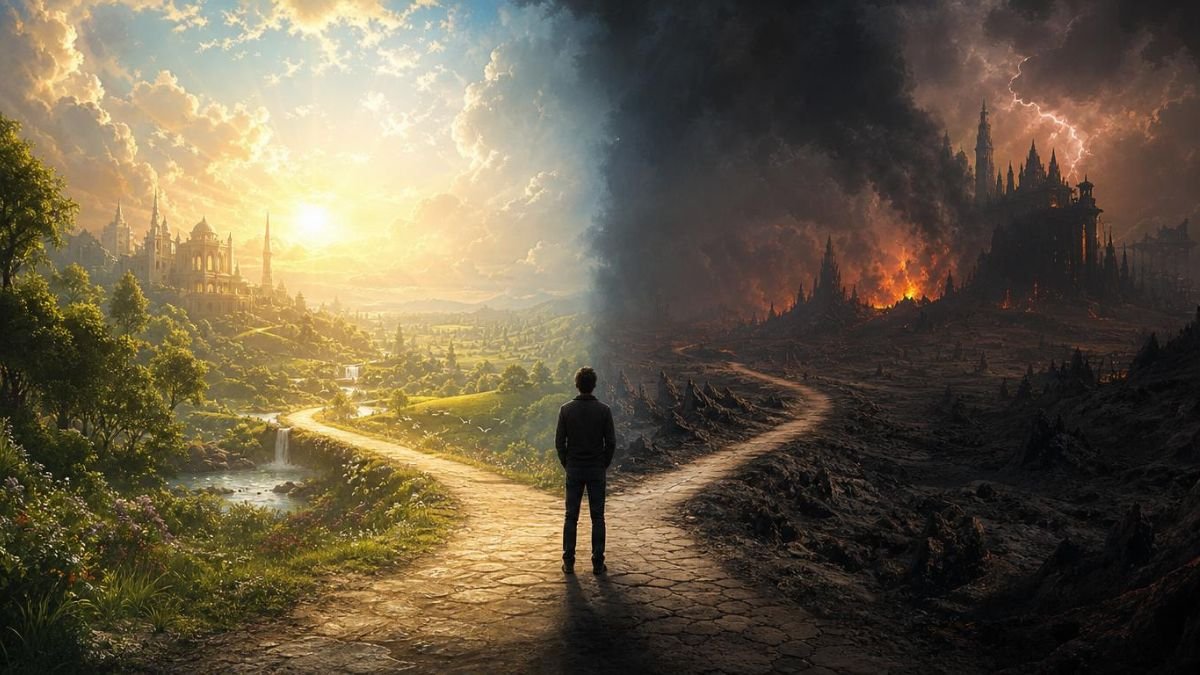
The problem of evil is the most challenging argument against the existence of a benevolent God — and engaging seriously with it reveals something profound about the nature of suffering, free will, and moral responsibility.
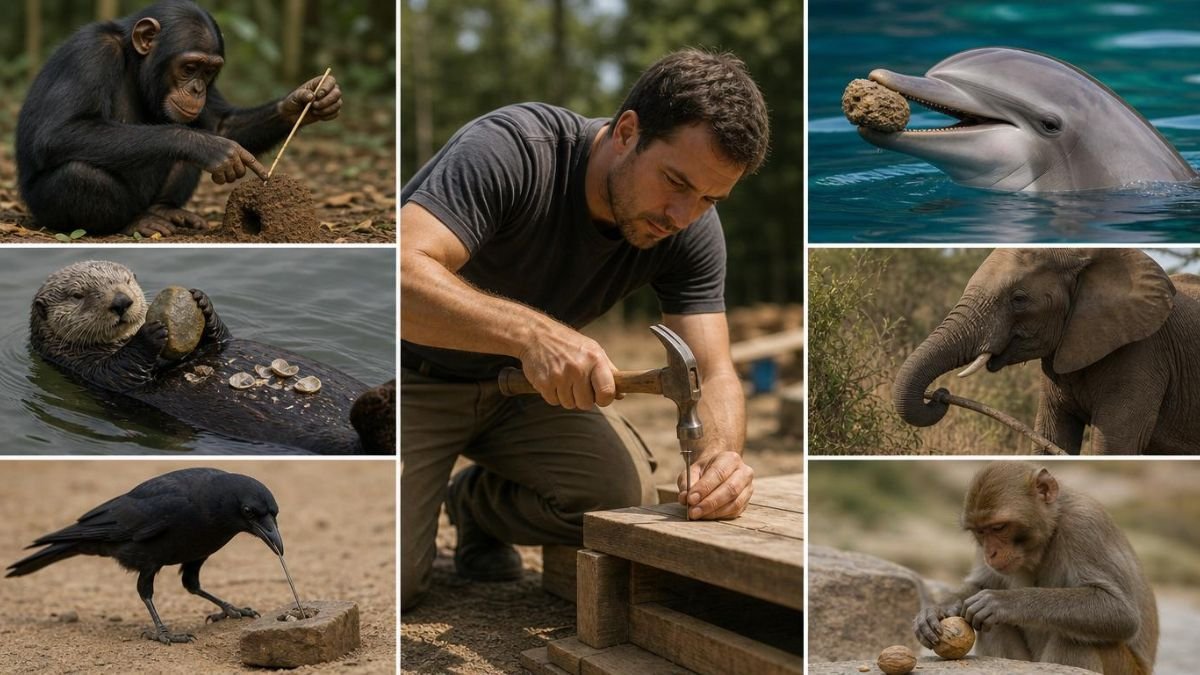
The idea that humans are the only animals that use tools is one of the most thoroughly debunked myths in biology — and what the evidence reveals instead is more humbling, more fascinating, and more philosophically provocative.
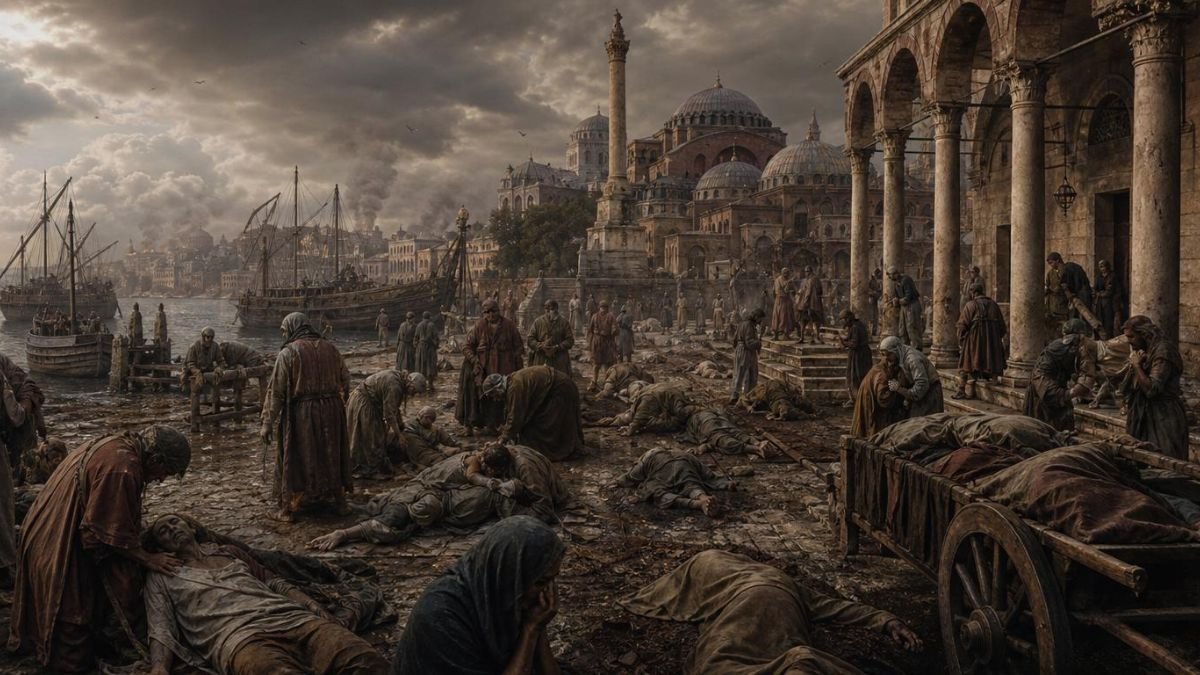
The Plague of Justinian was the first pandemic in recorded history — and its impact on the Byzantine Empire, the Mediterranean world, and the trajectory of Western civilization was devastating and lasting.
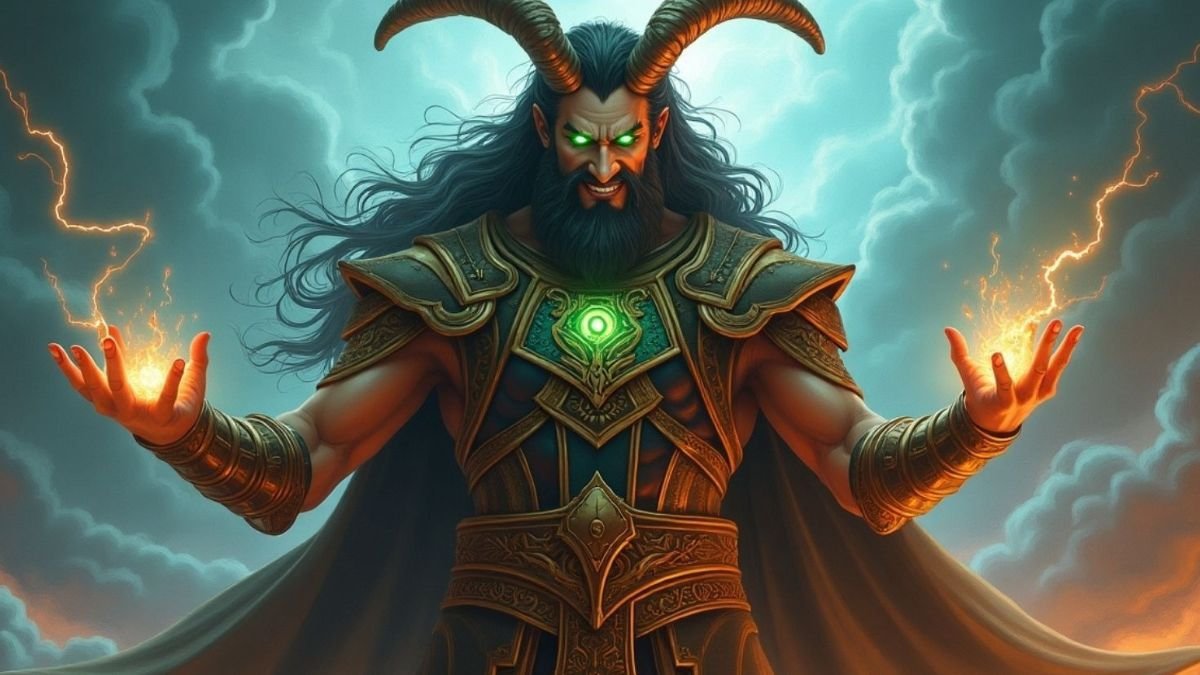
The Norse myth of Loki is a masterclass in moral complexity — a god who was simultaneously indispensable and catastrophic, whose trickery and transformation shaped the fate of all the gods and ultimately the world.

A poetic exploration of “a hard pill to swallow” — a phrase where the difficult thing is also the medicine, and everything depends on a few inches of throat.
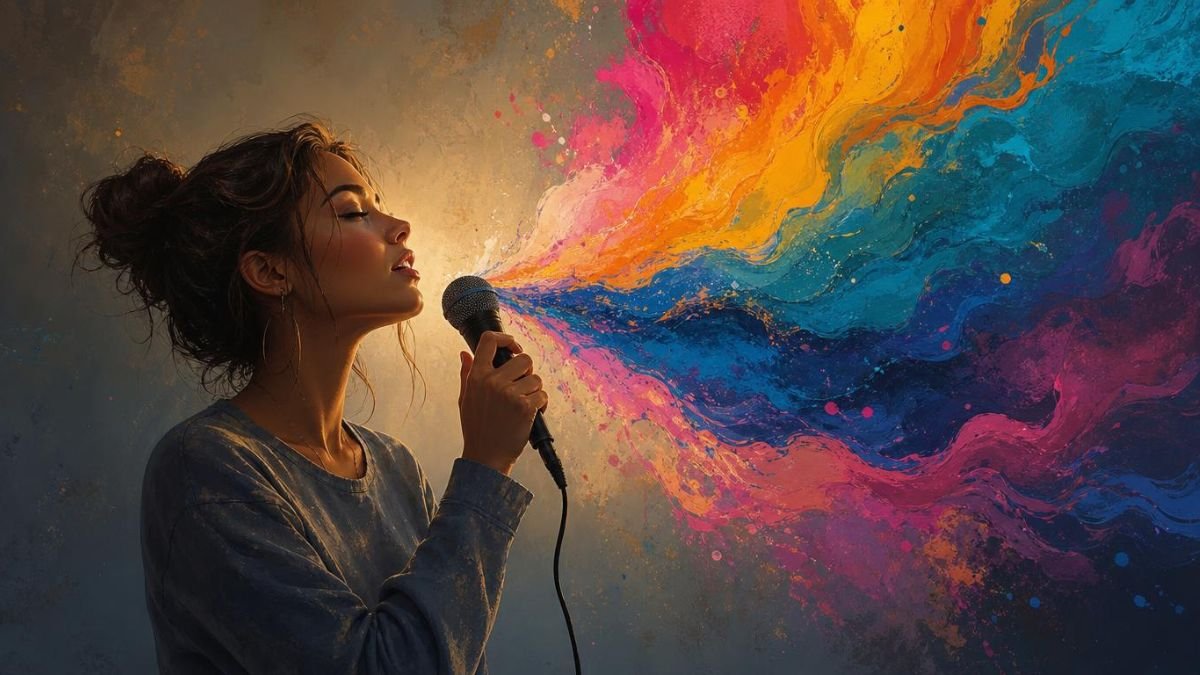
Everyone tells you to find your authentic voice, as if it were buried somewhere waiting. It isn’t. Voice is assembled from imitation, refusal, and repetition, and the people who have the strongest ones are usually the people who copied the most. Here’s how it actually works.
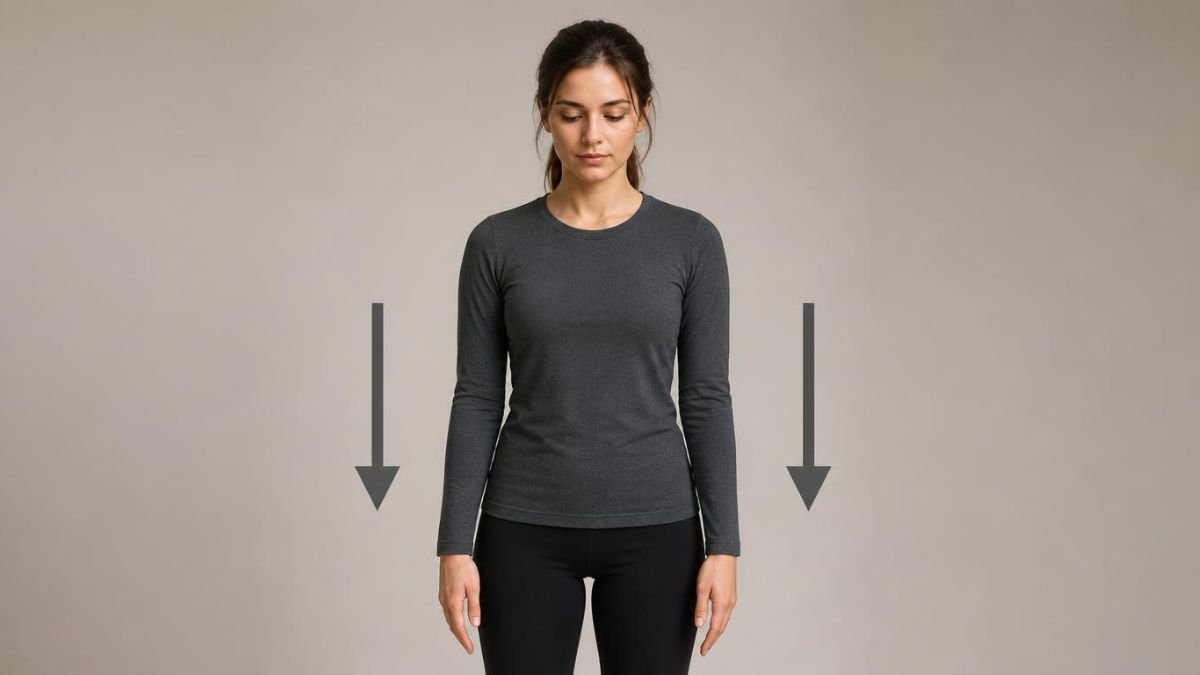
A poetic dive into the Russian expression опустить руки, to lower the arms, and what neuroscience discovered when it went back and checked its most famous experiment.
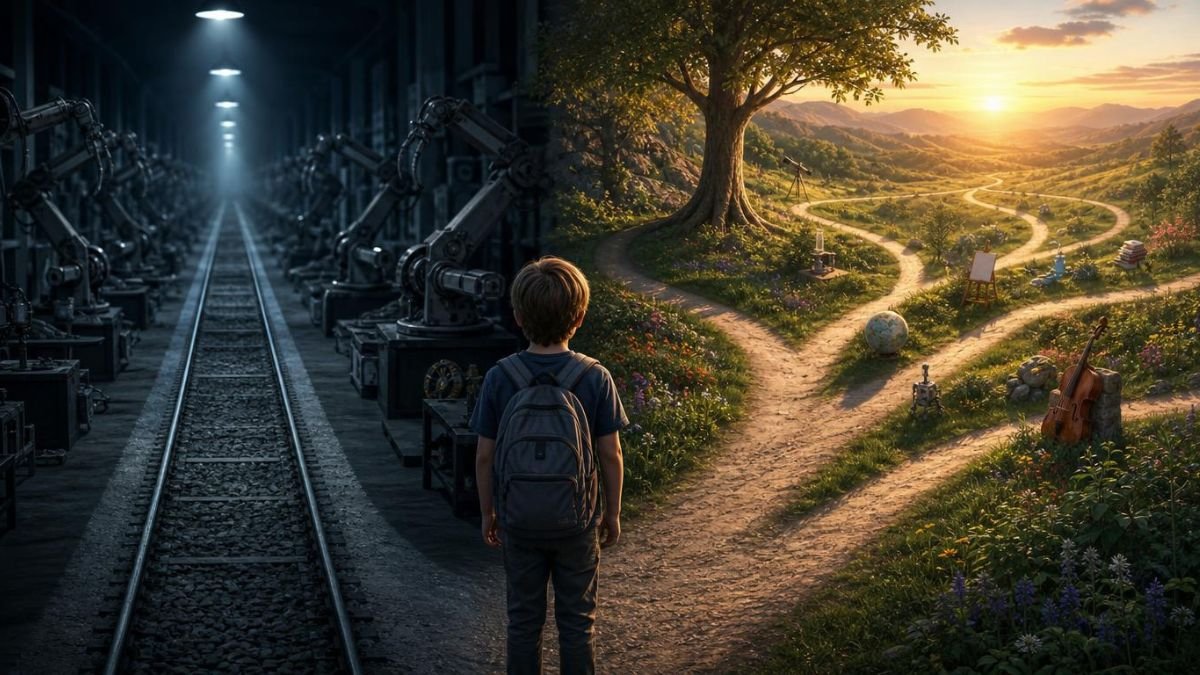
Our schools reward narrow expertise and treat broad curiosity as a lack of focus. But the evidence suggests the opposite: children who sample widely, connect ideas across fields, and resist premature specialization are the ones best equipped for a world that keeps rewriting the job description. Here is the case for range, the honest counterargument, and what to actually do about it.

Learn the English of instructions — imperatives, must vs mustn’t vs don’t have to, the zero conditional for rules, and the precise language of rulebooks. Plus the teaching technique that fixes most bad explanations.
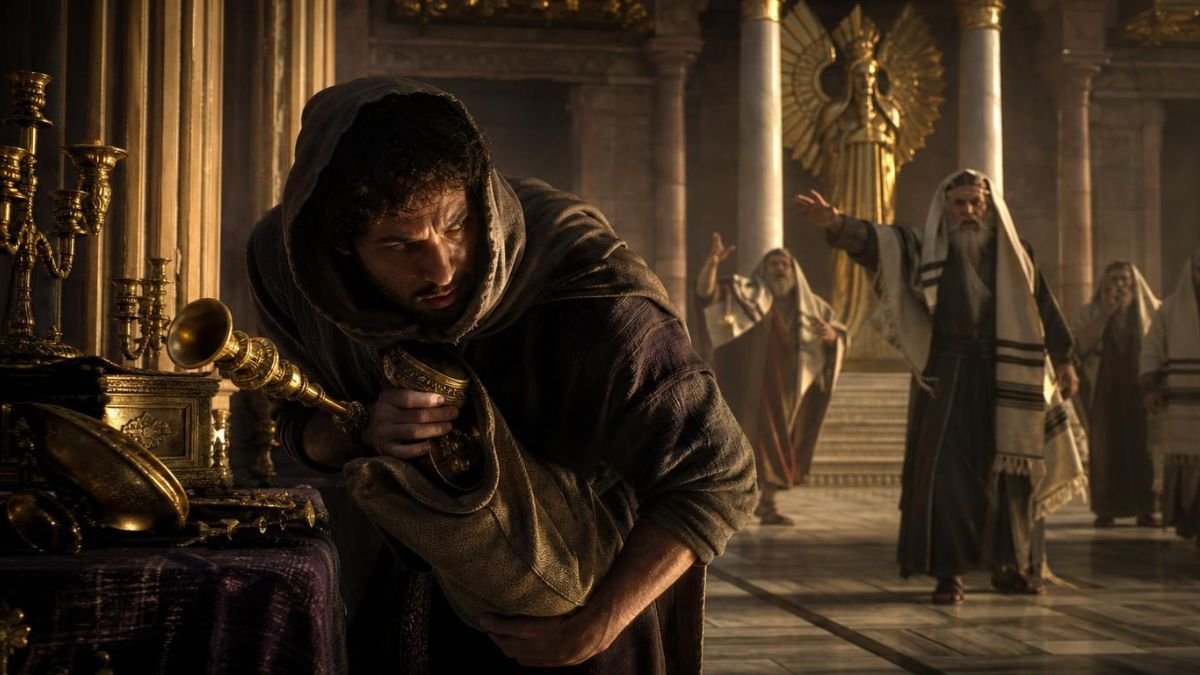
A poetic dive into “sacrilegious”; a word that literally means stealing sacred things, and what it tells us about how we still designate the untouchable.