Soreness isn’t the signal. Lactic acid isn’t the culprit. What actually builds muscle is stranger and slower than you were told, and the English for it is worth having.
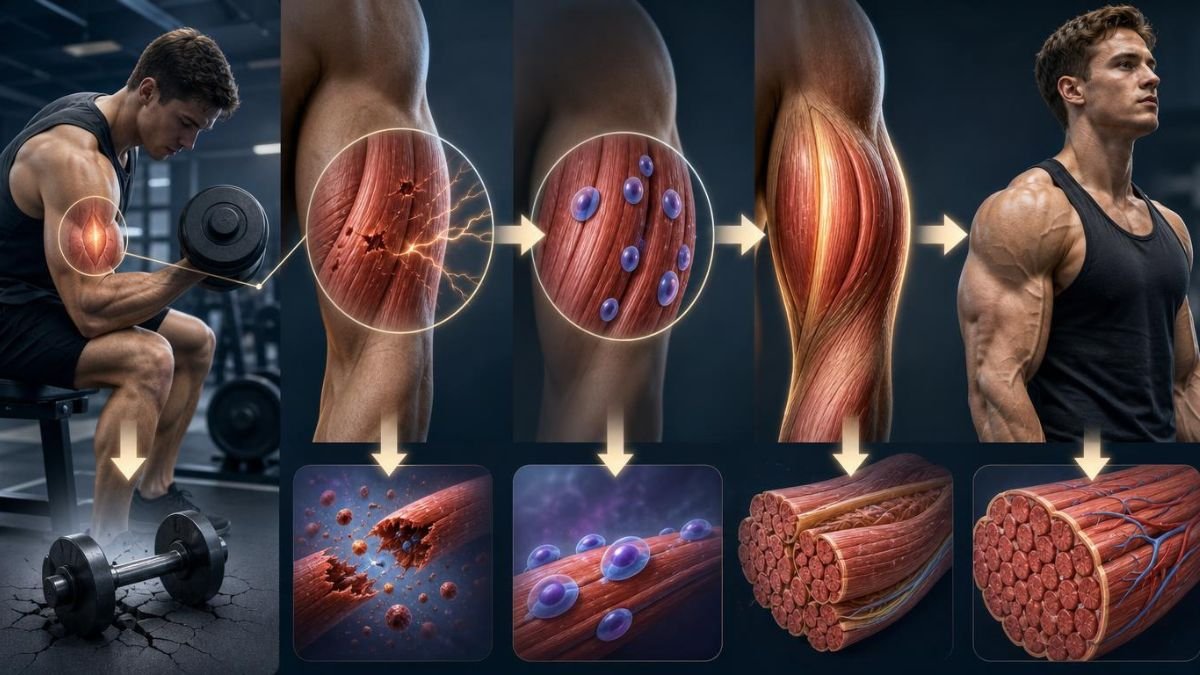

Soreness isn’t the signal. Lactic acid isn’t the culprit. What actually builds muscle is stranger and slower than you were told, and the English for it is worth having.

Novels were once considered dangerous. Cinema was a fairground trick. Now it’s games. What happens to a story when you can move inside it, and how to argue about it in precise English.

Why chess masters forget random boards, why rereading lies to you, and how the first things you learn quietly set the limit on everything after. Advanced English, built together.

A proposal to legally classify the reply-all function as a form of digital assault. The Satirist traces our compulsive broadcasting from medieval town criers to modern corporate inboxes, dissects the ego architecture of unnecessary email chains, and delivers a manifesto on the lost art of targeted silence.

We edit ourselves in every conversation, even with people we love, as if pitching to a busy investor. What do we lose when talk is never allowed to wander?

From the Stationery Enthusiast to the Negotiator, a funny field guide to back-to-school students, and how teachers and parents can keep motivation alive all year.

A poetic dive into the Spanish expression dar a luz, to give to light, and the surprising truth about what a child actually sees on the way out of the dark.

A poetic exploration of “a hard pill to swallow” — a phrase where the difficult thing is also the medicine, and everything depends on a few inches of throat.

Everyone tells you to find your authentic voice, as if it were buried somewhere waiting. It isn’t. Voice is assembled from imitation, refusal, and repetition, and the people who have the strongest ones are usually the people who copied the most. Here’s how it actually works.