Explore the debate: Should we read a book on its own, or does an author’s biography add profound meaning? Discover how the lives of Tolkien, Woolf, and Baldwin shaped their timeless works.

Explore the debate: Should we read a book on its own, or does an author’s biography add profound meaning? Discover how the lives of Tolkien, Woolf, and Baldwin shaped their timeless works.

Ever wonder where innovation comes from? Explore how asking “Imagine what if” – a practice rooted in literature – has shaped our reality, from technology to social change, and how you can use it to rewrite your own world.
A deep dive into the intersection of AI and literature. We explore if AI can be truly creative, the philosophical questions of authorship, and how AI might augment—not replace—human writers.

Develop a reading habit and improve your English listening! A friendly librarian gives five practical tips. Includes script, vocabulary, and a 10-question quiz for exam prep.

In our final episode, we look at the state of literature in our interconnected world. We explore how themes of migration, diaspora, and hybrid identities have come to the forefront. Featuring authors from Oceania, the Caribbean, and the global diaspora, we discuss how technology and globalization are shaping the future of storytelling and creating a truly “world” literature.
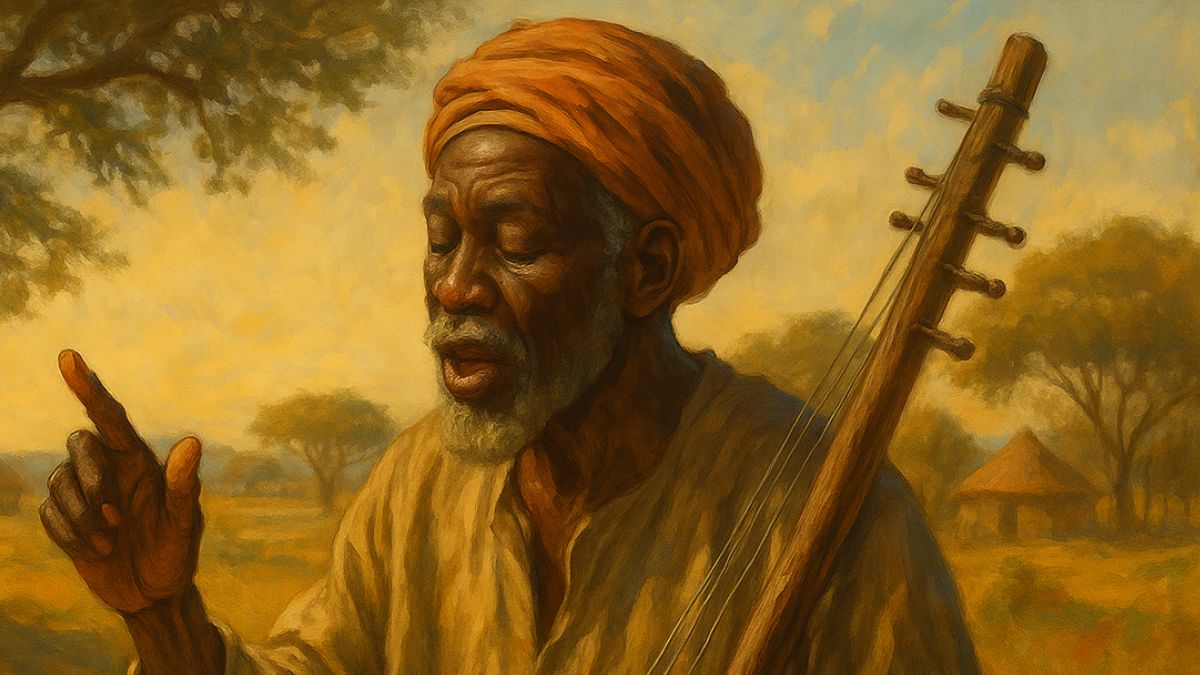
This episode celebrates the immense diversity of African literature, from the ancient oral storytelling traditions of the Griots to the powerful emergence of post-colonial writing. We’ll discuss how authors like Chinua Achebe, Ngũgĩ wa Thiong’o, and Chimamanda Ngozi Adichie have used literature to reclaim their history, grapple with the legacy of colonialism, and forge new identities.
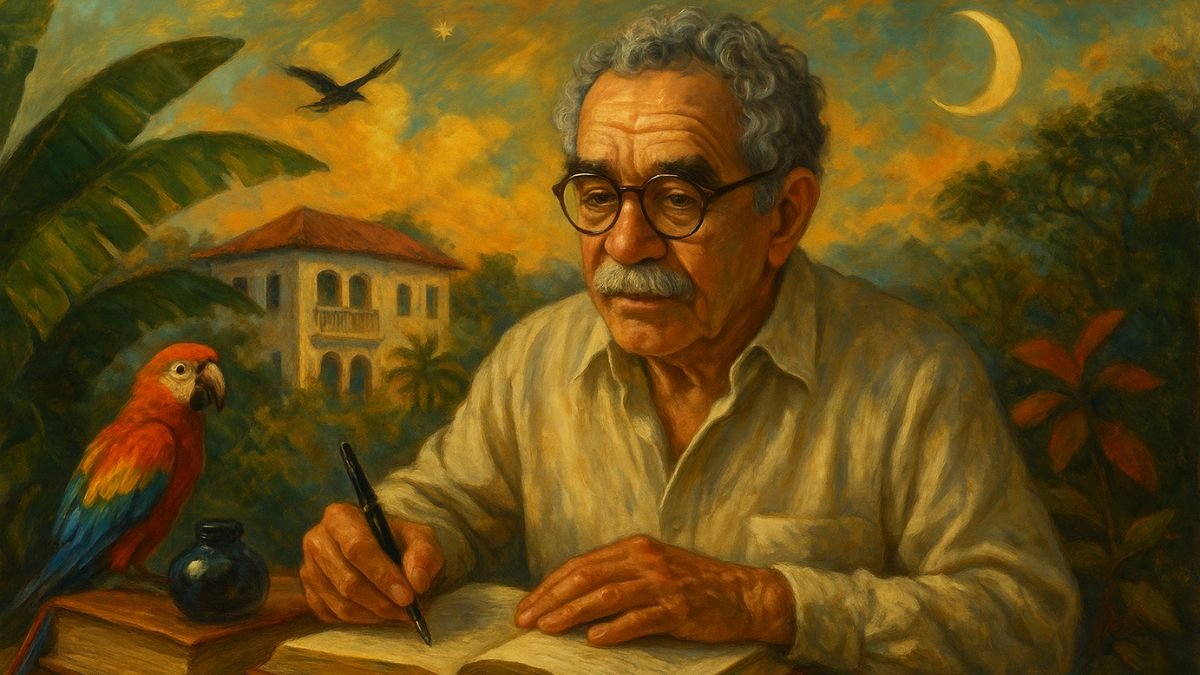
We explore the vibrant and revolutionary literature of Latin America in the 20th century. This episode discusses how a generation of writers like Borges, García Márquez, and Allende blended indigenous mythology, political turmoil, and surrealism to create “Magical Realism”—a unique literary style that captured the complex reality of a continent.
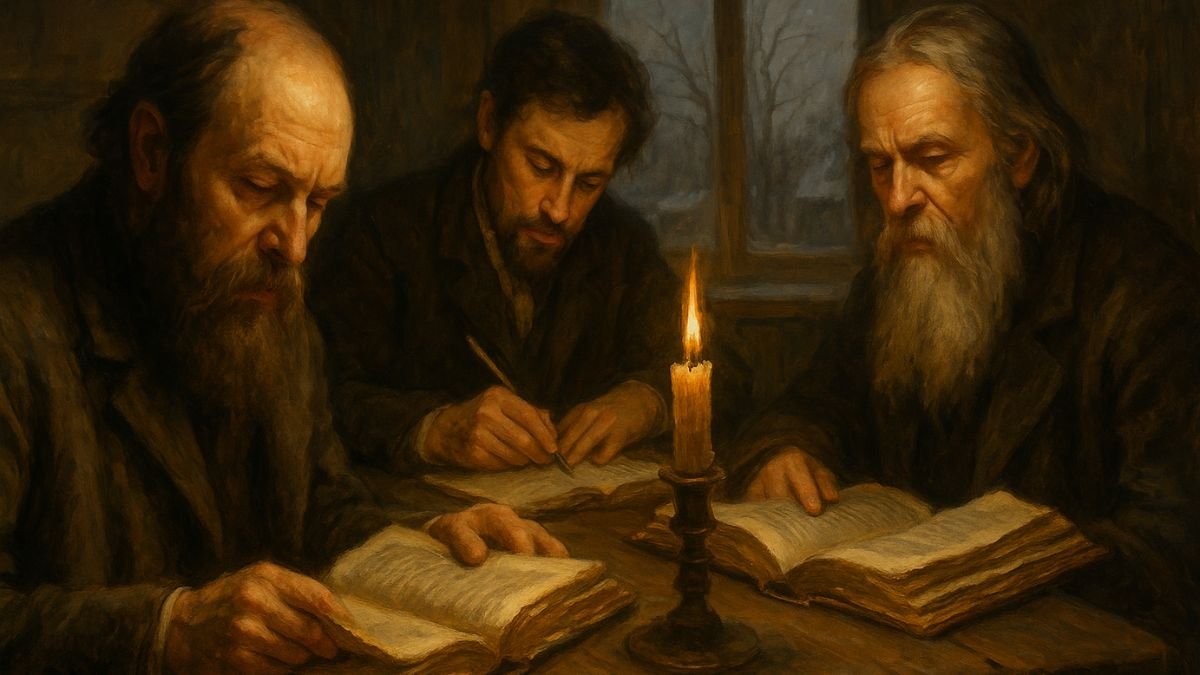
This episode focuses on the monumental contribution of 19th-century Russia to world literature. We delve into the minds of masters like Dostoevsky, Tolstoy, and Chekhov, who perfected the psychological novel and used it to explore the depths of human consciousness, morality, suffering, and redemption with unparalleled intensity.
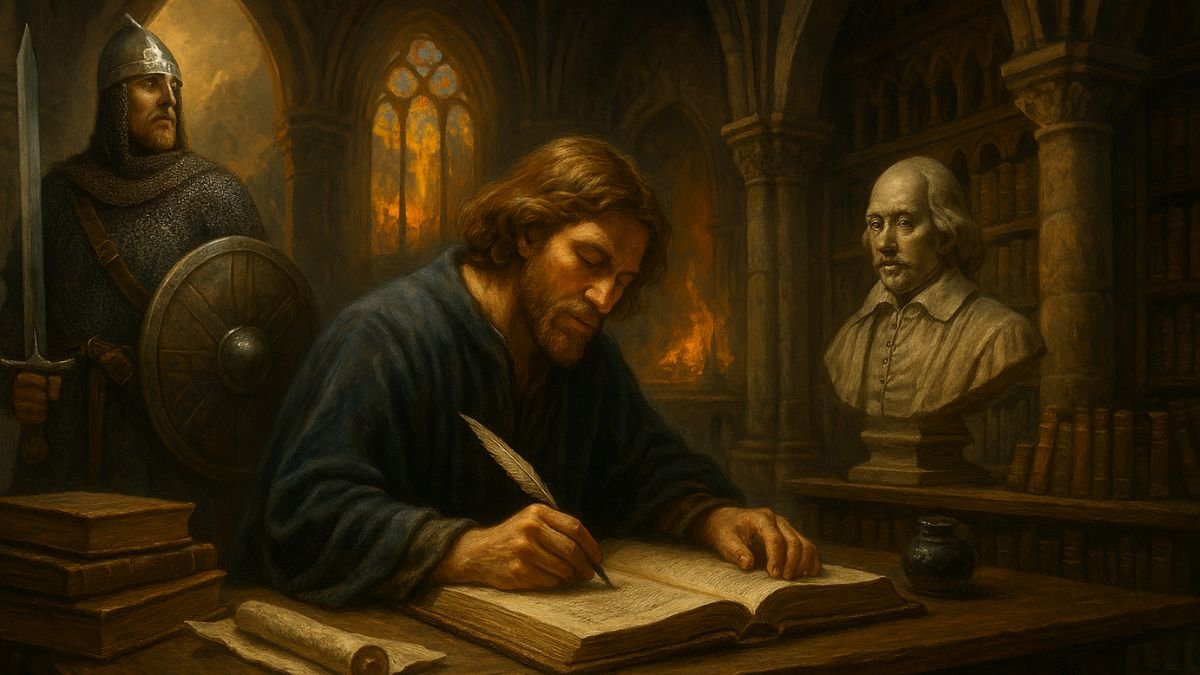
We trace the evolution of European literature as it emerged from the medieval period. This episode covers the heroic sagas of the Anglo-Saxons and Norse, Dante’s divine journey in the Inferno, the universal stage of Shakespeare, and the rise of the novel and individual consciousness during the Enlightenment.
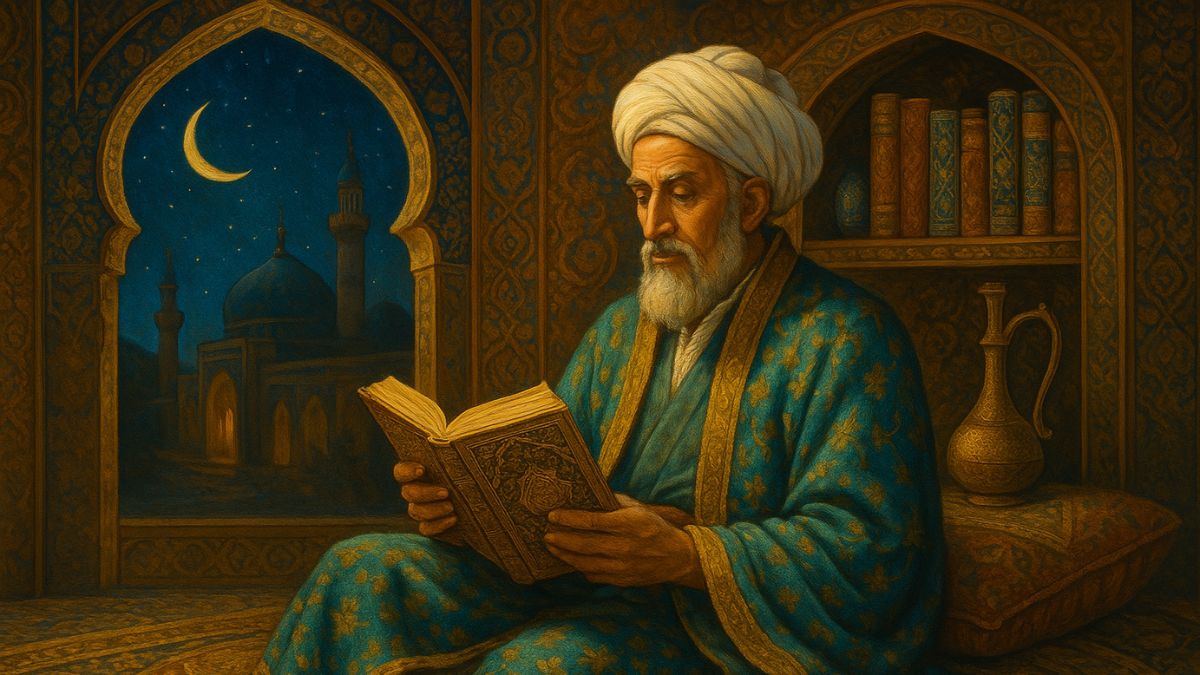
This episode journeys into the vibrant world of the Islamic Golden Age. We’ll explore the profound influence of the Quran as a literary text, the epic scope of the Persian Shahnameh, the mystical poetry of Rumi and Hafez, and the global travels of the enchanting collection, One Thousand and One Nights.
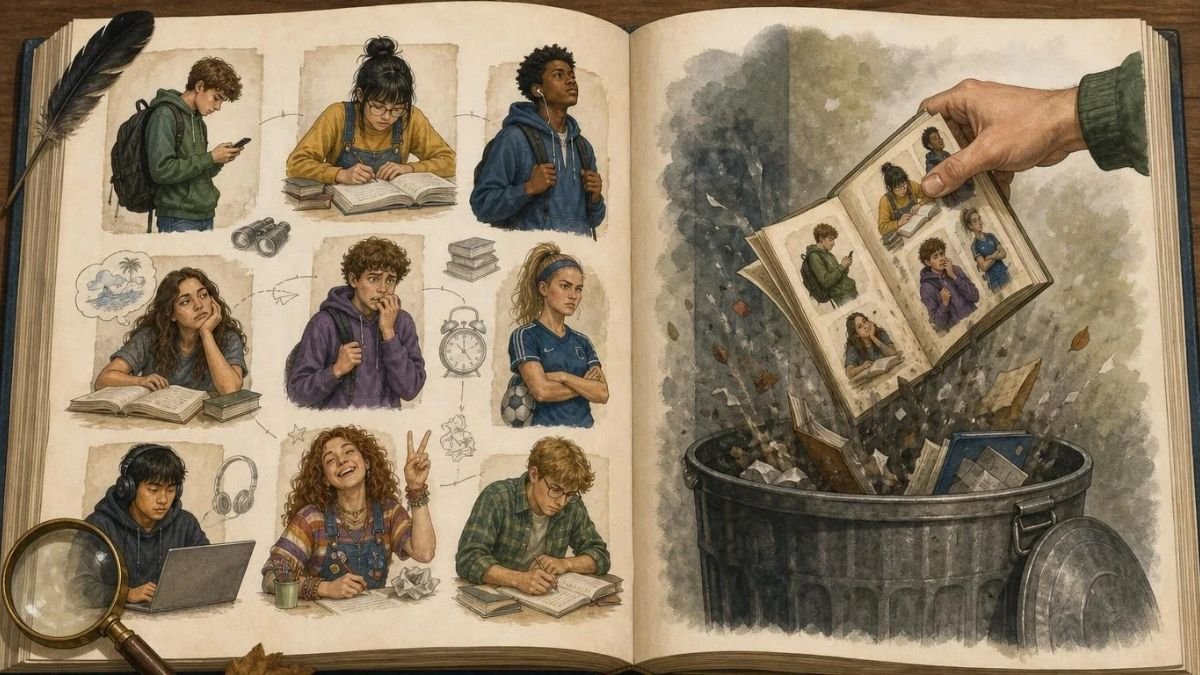
From the Stationery Enthusiast to the Negotiator, a funny field guide to back-to-school students, and how teachers and parents can keep motivation alive all year.

A poetic dive into the Spanish expression dar a luz, to give to light, and the surprising truth about what a child actually sees on the way out of the dark.

A poetic exploration of “a hard pill to swallow” — a phrase where the difficult thing is also the medicine, and everything depends on a few inches of throat.

Everyone tells you to find your authentic voice, as if it were buried somewhere waiting. It isn’t. Voice is assembled from imitation, refusal, and repetition, and the people who have the strongest ones are usually the people who copied the most. Here’s how it actually works.

A poetic dive into the Russian expression опустить руки, to lower the arms, and what neuroscience discovered when it went back and checked its most famous experiment.

Our schools reward narrow expertise and treat broad curiosity as a lack of focus. But the evidence suggests the opposite: children who sample widely, connect ideas across fields, and resist premature specialization are the ones best equipped for a world that keeps rewriting the job description. Here is the case for range, the honest counterargument, and what to actually do about it.