The Norse myth of Loki is a masterclass in moral complexity — a god who was simultaneously indispensable and catastrophic, whose trickery and transformation shaped the fate of all the gods and ultimately the world.
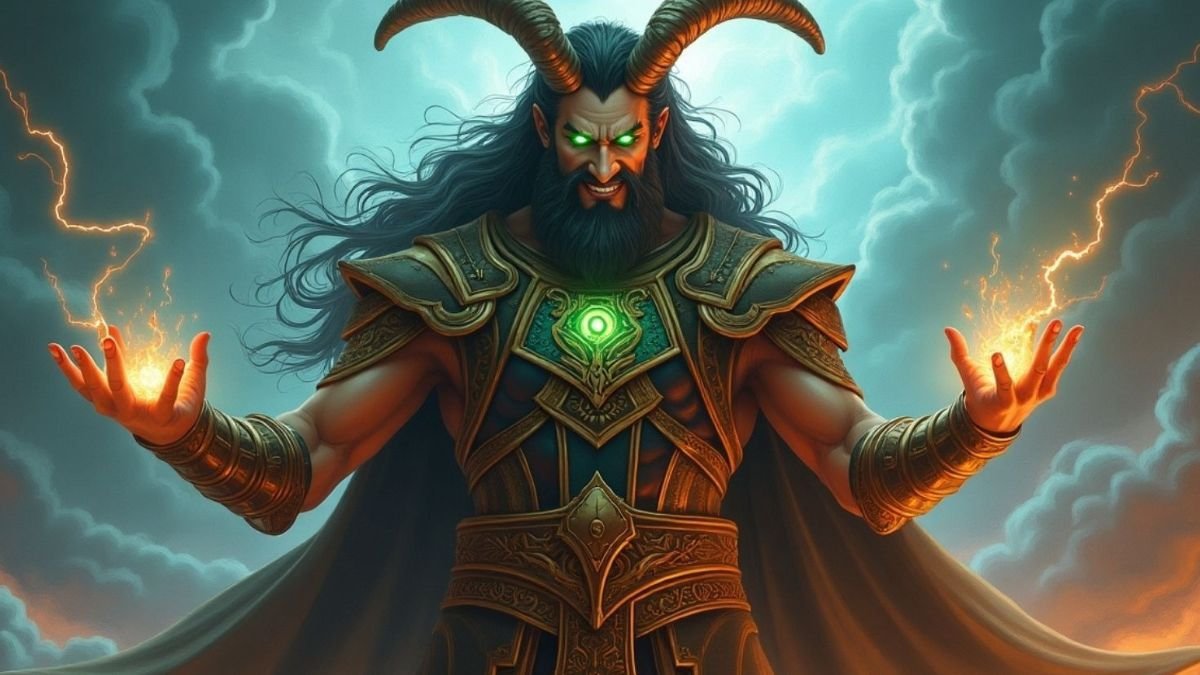

The Norse myth of Loki is a masterclass in moral complexity — a god who was simultaneously indispensable and catastrophic, whose trickery and transformation shaped the fate of all the gods and ultimately the world.
Introduction You probably just yawned, or felt the urge to, simply because you are about to read an article about yawning. This is not a coincidence, and it is not a sign of boredom — it is a genuinely remarkable phenomenon that scientists have only partially...

The disappearance of Bryce Laspisa in 2013 is one of the most puzzling and heartbreaking unsolved cases in recent American history — a college student who vanished after a strange road trip, leaving behind more questions than answers.
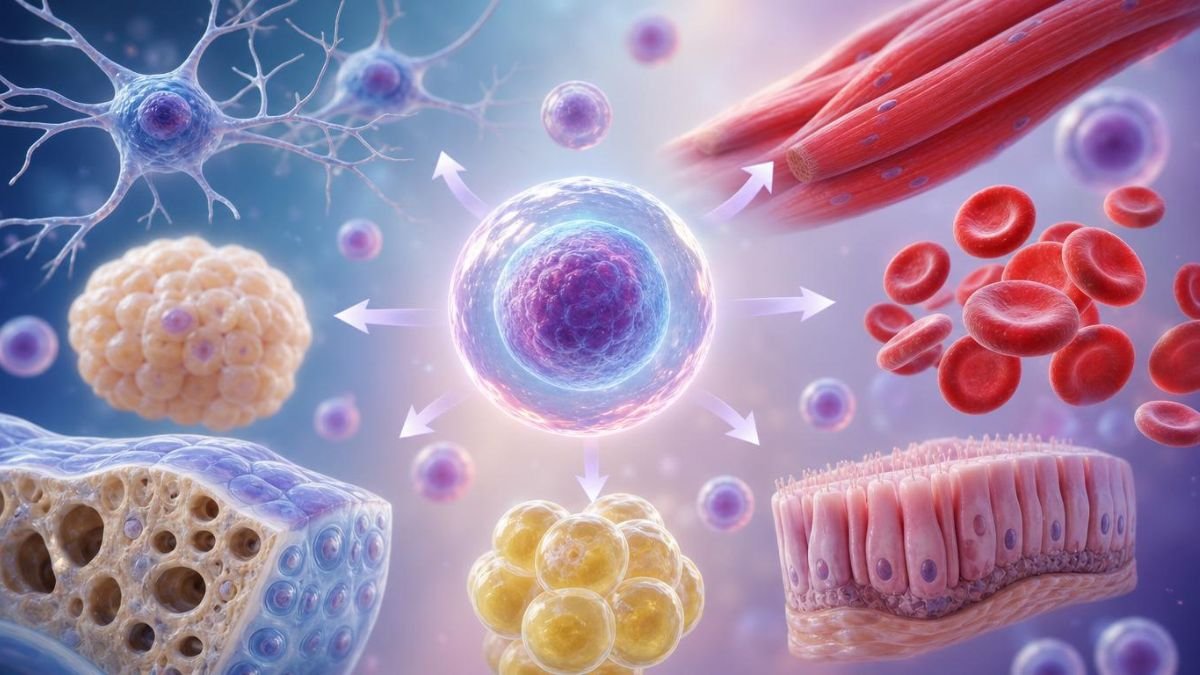
Stem cells are the body’s most remarkable blank slates — cells with the potential to become almost anything. Understanding them unlocks one of the most exciting frontiers in modern medicine.
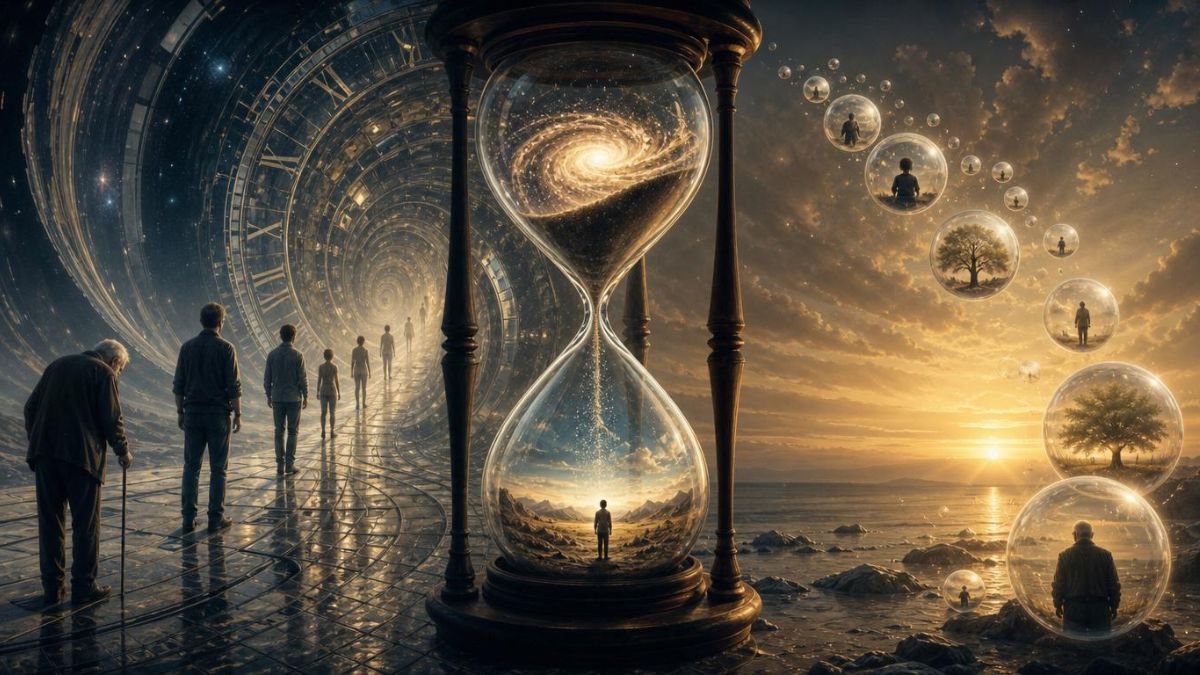
The philosophy of the flow of time asks whether time actually passes or whether past, present, and future all equally exist — and the answer is stranger and more liberating than you might expect.
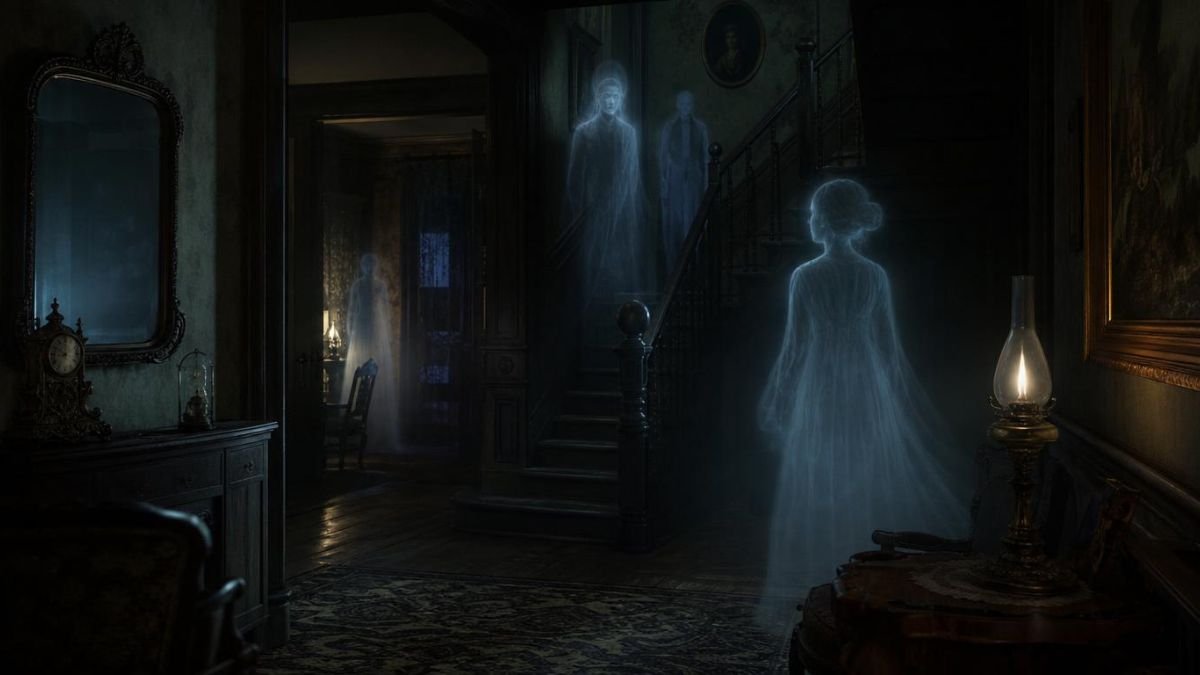
Are ghosts real? The question is more interesting than a simple yes or no. Because while the supernatural explanation doesn’t hold up, something real and fascinating is definitely happening when people see ghosts.
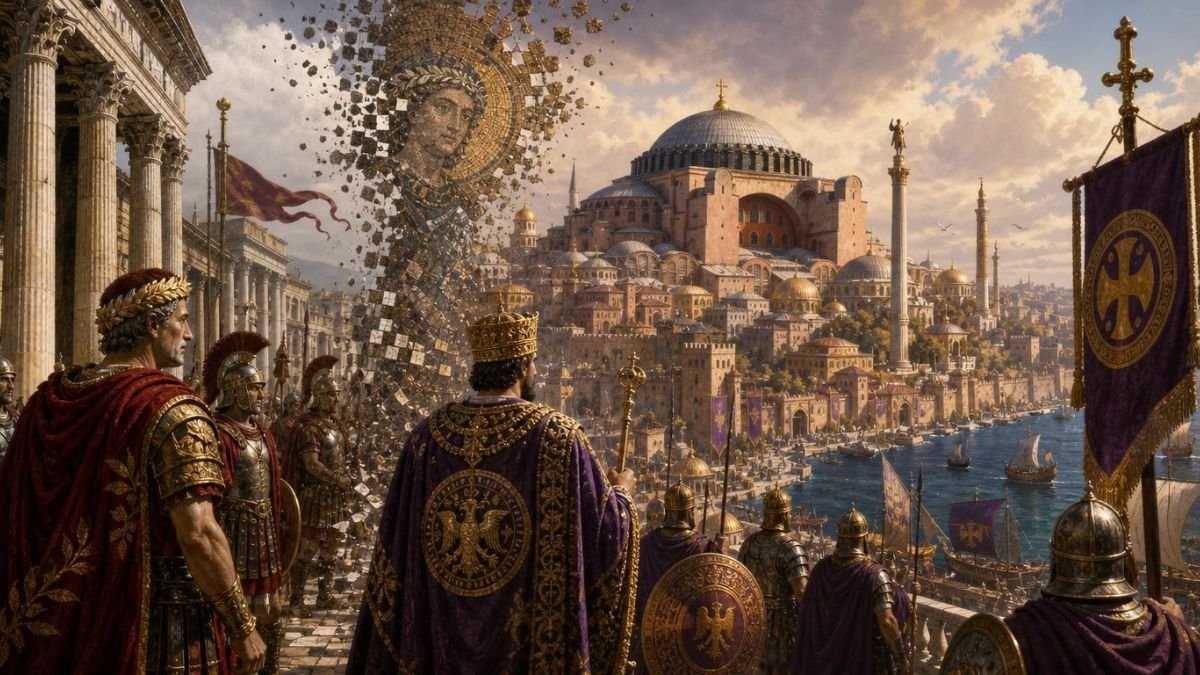
The rise of Byzantium is one of history’s most remarkable stories — a civilization that inherited Rome’s legacy, outlived it by a millennium, and shaped the modern world in ways we still haven’t fully reckoned with.
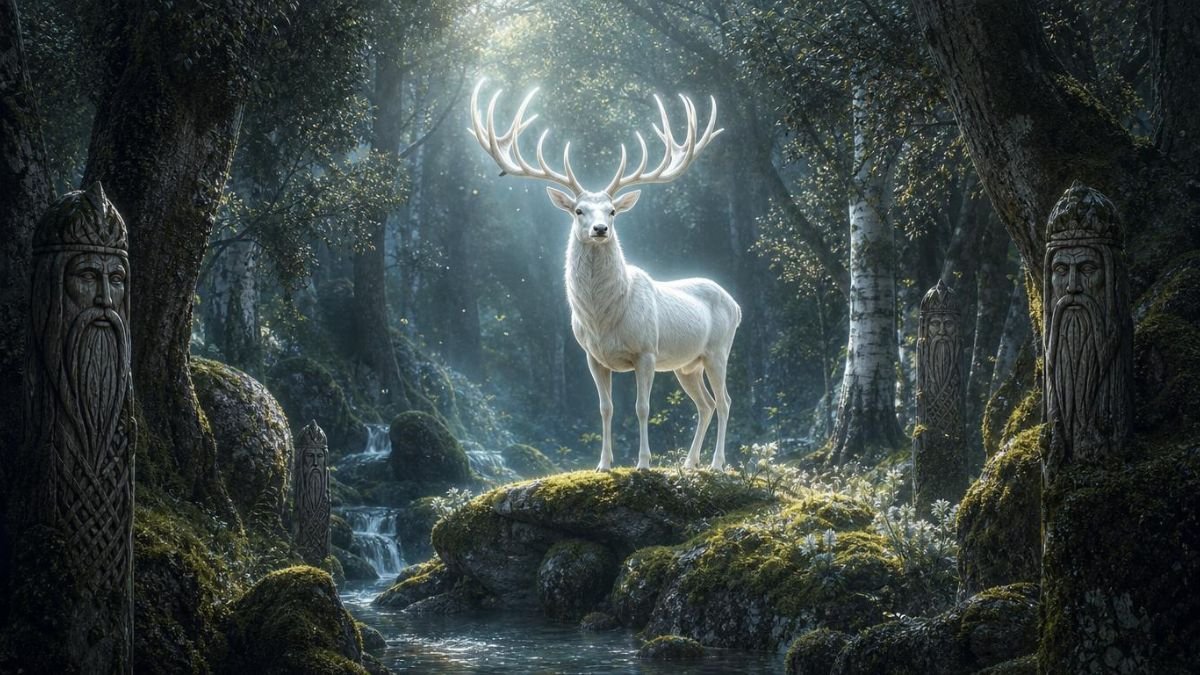
The Slavic myth of the White Stag is one of mythology’s most haunting symbols — a radiant, elusive creature that calls heroes forward not to be caught, but to transform the ones who chase it.

Why does coffee overflow when heated in the microwave? The answer involves nucleation, dissolved gases, superheating, and a remarkably dangerous physics phenomenon hiding in your morning routine.
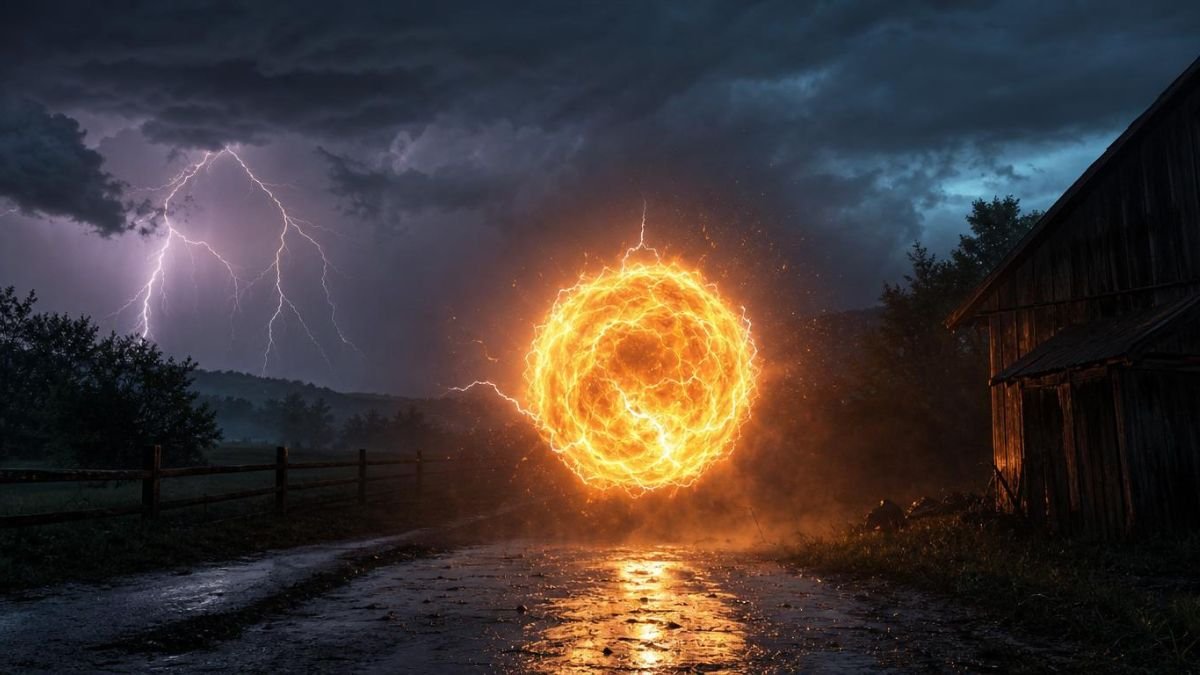
Ball lightning is one of the most bizarre and persistently unexplained atmospheric phenomena in science — witnessed for centuries, photographed in modern times, and still without a convincing scientific explanation.
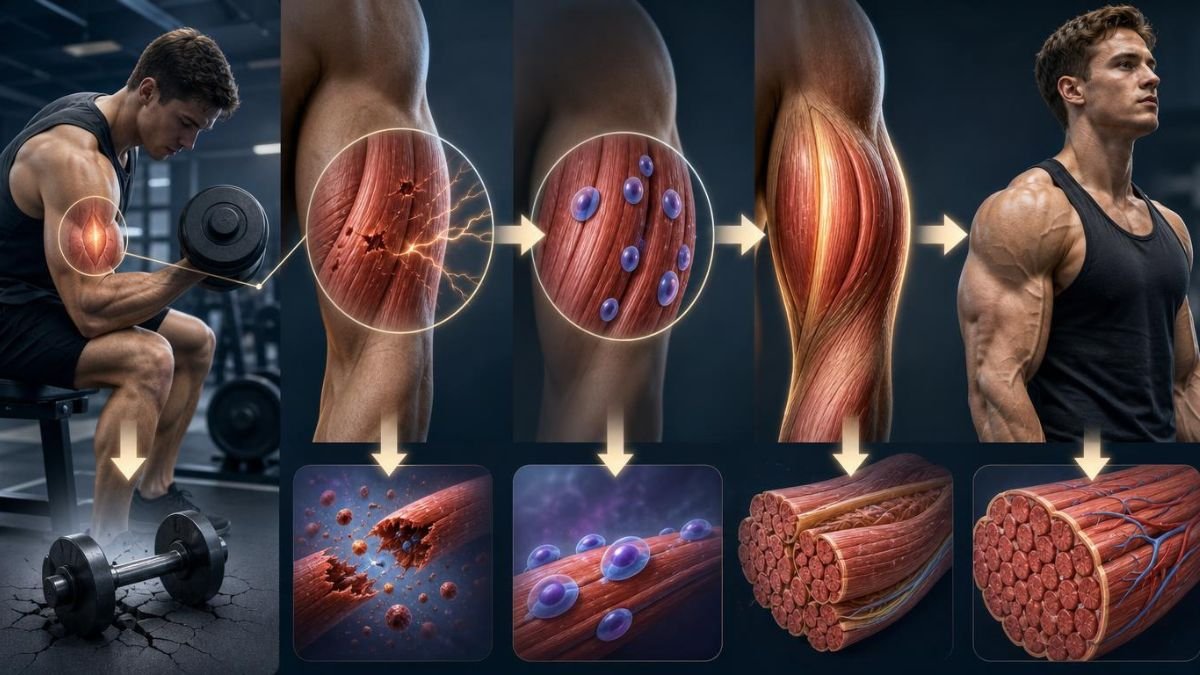
Soreness isn’t the signal. Lactic acid isn’t the culprit. What actually builds muscle is stranger and slower than you were told, and the English for it is worth having.

A poetic dive into 忍, the Japanese character for endurance, which draws a knife directly above a heart, and what a swordsmith’s clay can teach you about surviving the pressure.

A poetic dive into the Italian good-luck phrase in bocca al lupo — “into the mouth of the wolf” — the argument Italians are still having about the correct reply, and what predators actually do to a landscape.

A poetic dive into “dirge” — a word for the music of grief, which turns out to be the crumpled remains of a Latin word meaning guide me.

Medieval Europeans knew the Earth was round. Columbus knew. His critics knew, and they were right about the part that mattered. So where did the flat Earth story come from? A novelist, two Victorian polemicists, and our deep appetite for feeling smarter than the dead.

Washington Irving invented the flat Earth myth in 1828. Danny puts him on trial for the lie that made Columbus a hero and the Middle Ages a joke.