Craven is a word with a bite to it. It’s not just cowardice — it’s the specific cowardice of knowing the right thing and choosing the comfortable thing instead. In this episode, we sit with the discomfort, because that’s where the growth is.
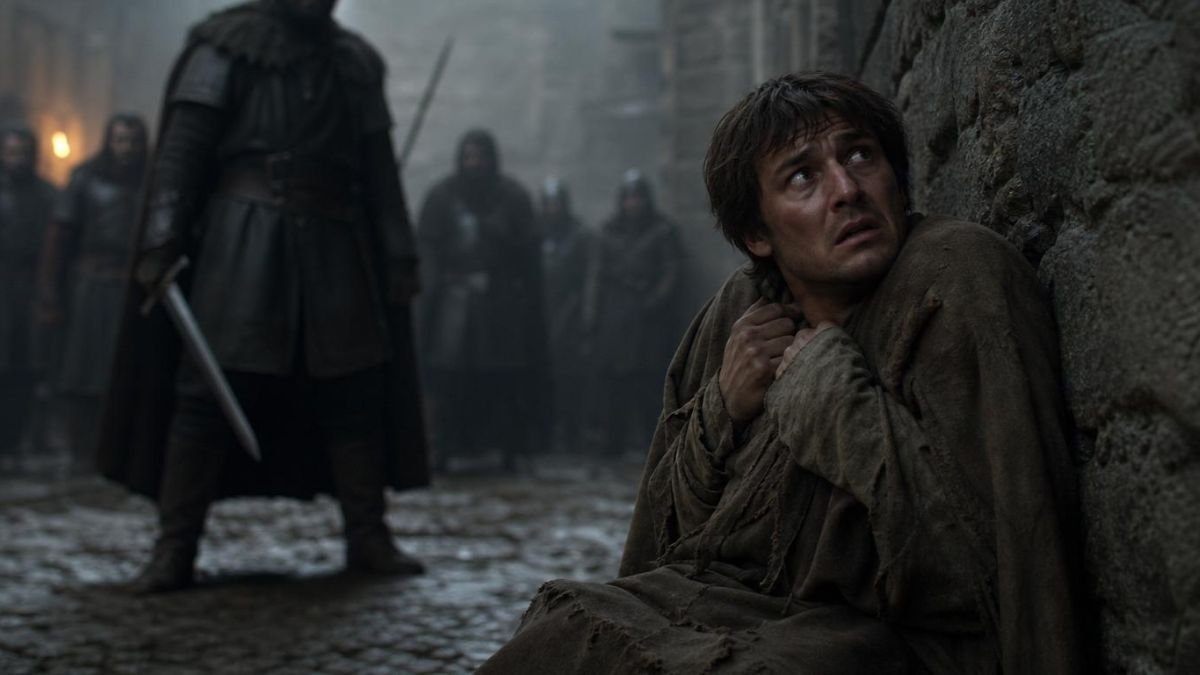

Craven is a word with a bite to it. It’s not just cowardice — it’s the specific cowardice of knowing the right thing and choosing the comfortable thing instead. In this episode, we sit with the discomfort, because that’s where the growth is.

You’ve met them. The person across the room who gets it: who gets you: in a way that takes most people years and this person achieved in five minutes. ‘Kindred spirits’ is one of the most beautiful expressions in English, and this episode explores the deep human need behind that instant, inexplicable sense of recognition.

We assume indestructible means physically unbreakable. But the most indestructible things in the world are none of them physical. In this episode, we go looking for what truly cannot be destroyed.

Some decisions are clear but still painful. Some goodbyes are right but still grieve. ‘With a heavy heart’ is one of the most honest expressions in English: an acknowledgment that doing something necessary doesn’t always mean doing something easy. This episode explores the quiet weight behind those words.
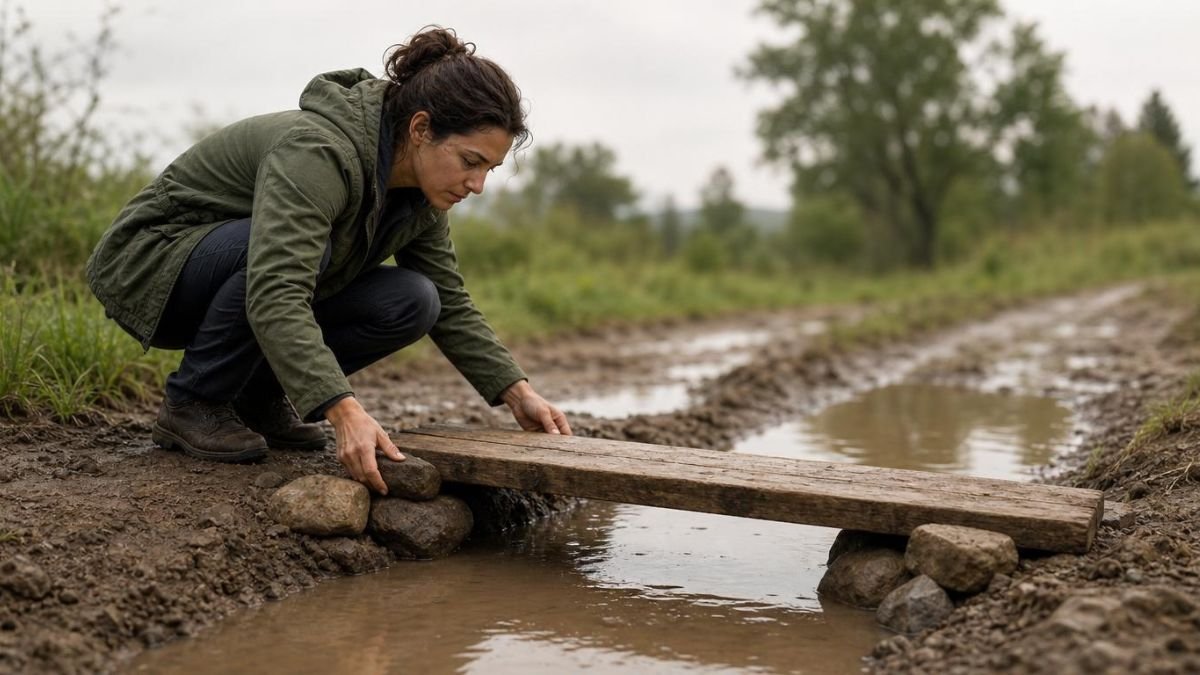
Pragmatic is often used as a polite way to say ‘boring’ or ‘unimaginative.’ But in this episode, we make the case that genuine pragmatism — the commitment to what actually works — is one of the most sophisticated and undervalued approaches to living.

You’ve been working at something: pushing, struggling, questioning: and then one day, without warning, everything aligns. The pieces land where they belong. Suddenly you can see the whole picture. ‘Falling into place’ is the expression for that particular kind of relief and clarity, and this episode explores what makes it so satisfying.

Impudent is the word for the person who says the thing they weren’t supposed to say — with remarkable confidence and no apparent shame. In this episode, we explore where impudence crosses into something useful, and where it just becomes rude.

We rarely give ourselves permission to stop. To pause. To simply let the breathing steady before we go again. ‘Catching your breath’ sounds like a quick fix: but this episode unpacks it as something far richer: a small, essential act of self-restoration that most of us don’t take nearly enough.

Some words exist just to name something that makes life feel worth it. Balmy is one of them — a word for soft warmth, pleasant air, and the specific pleasure of a day that asks nothing of you except that you enjoy it.

You’re done. Spent. Running on empty: and then something shifts. The breathing steadies. The energy returns. The thing you thought was impossible suddenly isn’t. ‘A second wind’ is one of the most hopeful expressions in English, and it holds something essential about human resilience and the surprising capacity to keep going.

Cleopatra wasn’t a seductress who stumbled into history. She was a working monarch who ran a bankrupt kingdom, spoke nine languages, and out-negotiated Rome for twenty-one years. Here’s the ruler behind the legend.

Cleopatra takes the chair. Danny puts her on trial for the murders, the money, Actium, and the son she spent. She gives back better than she gets.

Learn the English of stress and mental fatigue — extreme adjectives, the language of support, and the precise vocabulary that separates tired from drained from burnt out. Plus what actually helps, and what only looks like rest.
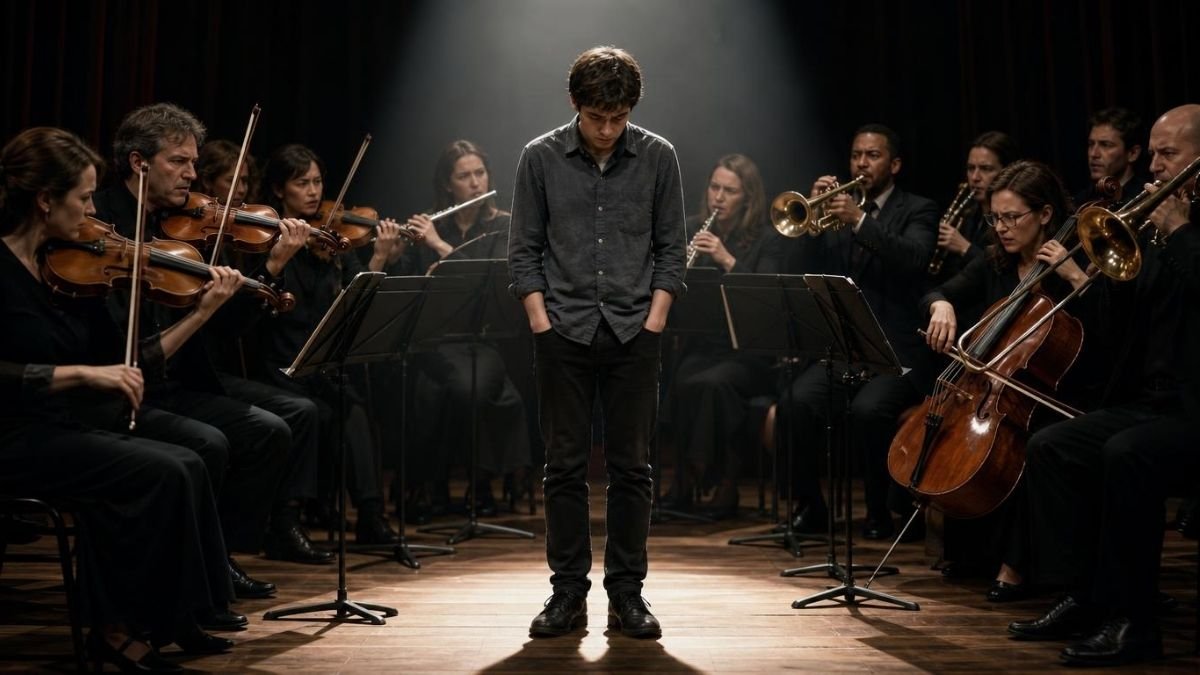
A poetic dive into “face the music” — a phrase about turning your body toward the thing you’d rather flee, and the odd fact that we chose music for the moment of reckoning.

Meet Bahram, the Persian god of victory and the red planet Mars. Explore Zoroastrian star-battles, shape-shifting gods, and the wisdom hidden in an ancient sky.
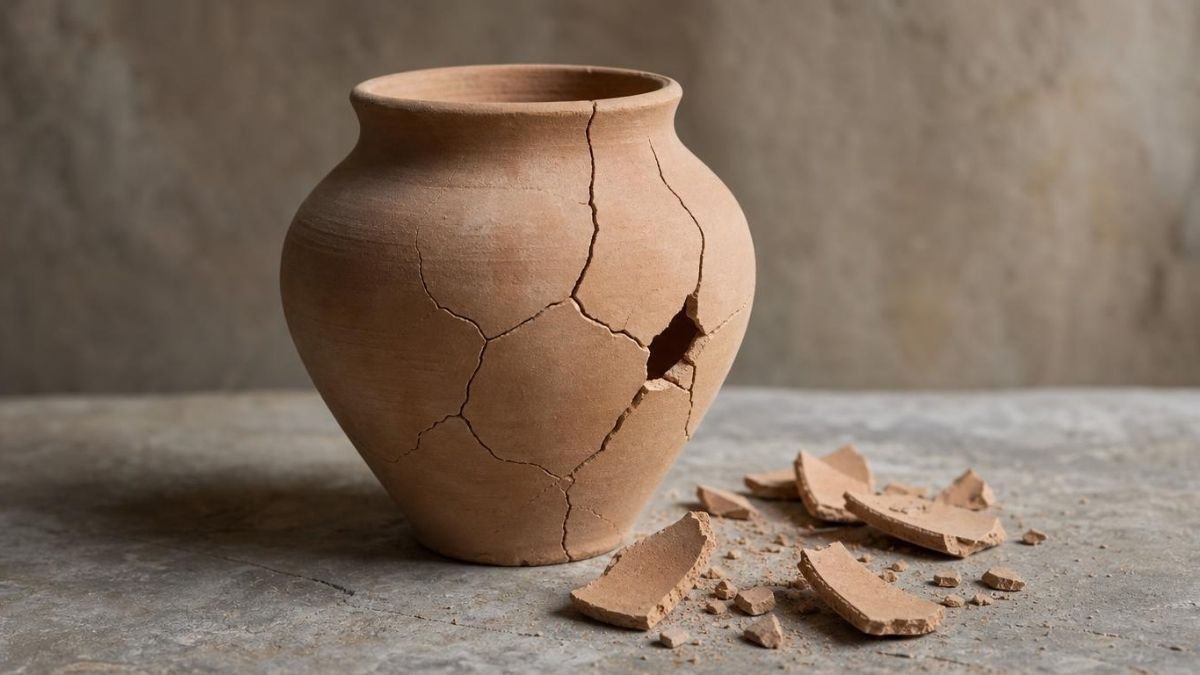
A poetic exploration of “fallible” — a word that means able to fall, and why the ability isn’t a flaw in the design but the definition of being a creature that moves.