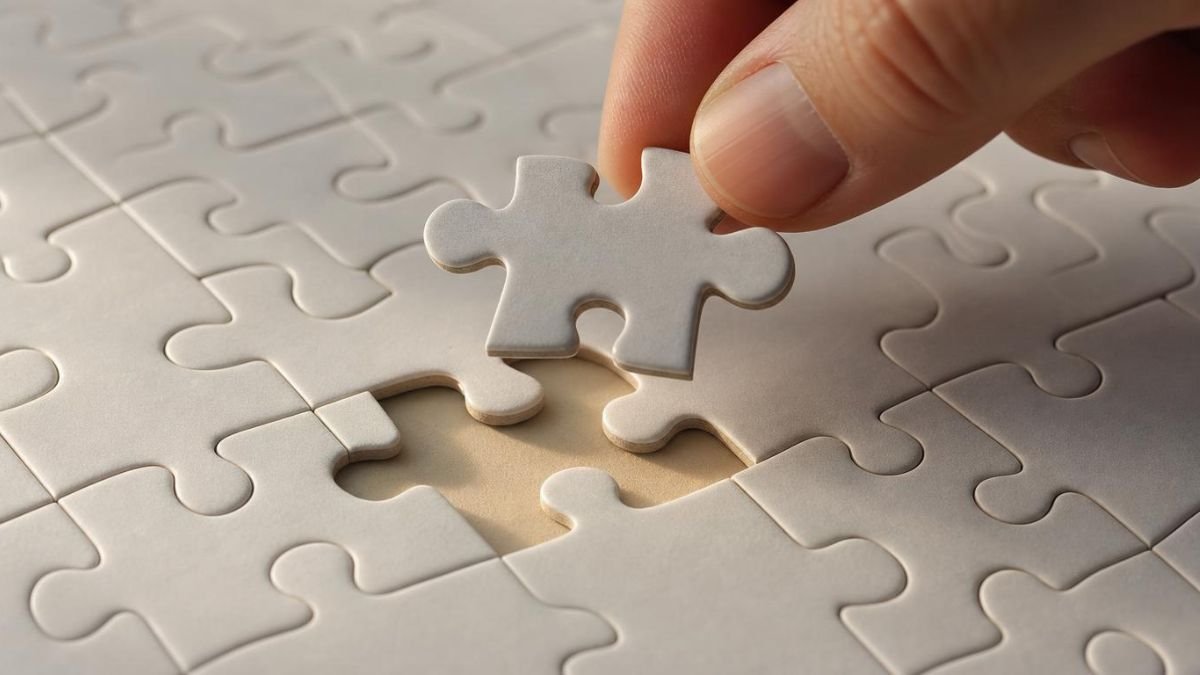
Have you noticed that we give gravity the credit for the best moments of our lives?
Listen to the phrase again, as if for the first time. Everything fell into place. We say it about the time the job and the city and the person all arrived in the same season. About the moment a plan that had been fighting us for a year suddenly cooperated. About the day the thing we'd been trying to say finally came out right.
And the verb we chose — out of all the verbs available — is fall.
We didn't say everything climbed into place. Or was assembled into place, or was built, or was pushed, or was hauled. Falling is the one motion that requires nothing of you at all. It's what happens when you stop holding something. It's the default behavior of matter in a universe with gravity in it — the thing objects do when no one is doing anything to them.
So the language we use for our finest moments of arrangement is the language of release. That's worth pausing over, because it's almost the opposite of how we live. We push. We arrange. We hold things in position with both hands and considerable effort. And yet when it finally works, we don't describe the pushing. We describe a drop.
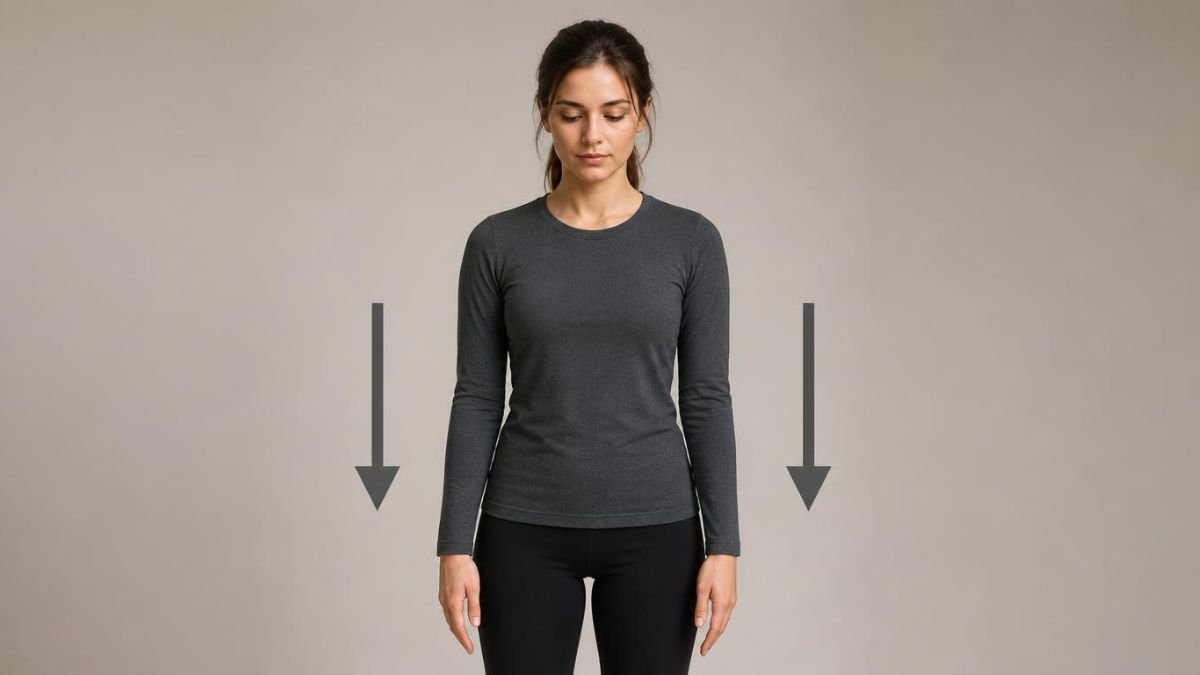
There's an honest truth underneath that. So often the thing does resolve right after you stop forcing it. Not because the universe is rewarding your surrender — I don't think it works like that — but for a much plainer reason: a piece can't fall while you're gripping it. Falling requires letting go. As long as your hand is on it, holding it where you think it should be, it is physically prevented from finding where it actually goes. The grip that feels like effort is often the only thing standing between the piece and its place.
Which is why so many people describe the same experience: the answer came the morning after they gave up on it. The relationship healed after they stopped managing it. The sentence they'd been chasing for a week arrived while they were doing the dishes. They didn't stop caring. They stopped clenching. And the moment the hand opened, gravity did what gravity does.
But now look at the other half of the phrase, because place is doing something quietly enormous.
Fall into place implies that the place already existed. That there was a slot, a shape, a correct arrangement waiting — and the pieces didn't create it, they merely found it. It's the language of jigsaw puzzles. Every puzzle piece has exactly one home, and it existed before you picked the piece up, and your job is not to invent the fit but to discover it.
That's a comforting idea, and also a suspicious one, and I want to be honest with you about both.
The comfort is obvious. If there's a place, then the struggle has a destination. Then the years of things not fitting were not chaos; they were approach. That belief has carried an enormous number of people through seasons where nothing made sense, and I won't be flippant about it, because a belief that keeps someone walking is not nothing.
The suspicion is this. Notice when we say the phrase. Nobody has ever said everything is falling into place in real time, in the middle of the mess, with the outcome unknown. It's always retrospective. It's the sentence you say once you already know how it turned out. Which means it may not be a description of the world at all. It may be a description of what our minds do to the past.
Because we're story-making animals, and we cannot leave a sequence of events alone. Given a jumble of accidents, coincidences, bad luck, and one or two decisions made while tired, we will reliably produce a narrative in which each part was necessary to the whole. The job you didn't get, the flight you missed, the person who left — all of them become steps in retrospect, and none of them were steps at the time. At the time they were just losses.
And here's the proof, I think. There's no equal and opposite phrase for the other direction. Things fall out of place constantly — a life comes apart, a plan collapses, everything that fit suddenly doesn't — and for that, we have no warm little idiom. We just say it fell apart. Which suggests the phrase isn't a law of the universe so much as a habit of hope, applied only to the outcomes we liked.
But I don't want to end on the deflation, because I think the phrase survives the doubt, and here's how.
Even if the place isn't waiting out there in the world — even if there's no slot with your name pre-cut into it — something in you does recognize the fit when it happens. You know the feeling. Not triumph. Something quieter: a click, a settling, the peculiar relief of a thing that has stopped needing to be held. Whether that place was discovered or invented is a question for philosophers, and honestly, I'm not sure the difference is one you could ever feel from the inside. What you can feel is the difference between a life you're holding up and a life that's resting on its own.
And that difference is the real content of this phrase. Not fate. Weight. Whether the thing still requires your hands.
So here's what I'll leave you with. Somewhere in your life there's a piece you've been holding in position for a long time — a plan, a version of a relationship, an idea about who you're supposed to be — and you've held it so long that the holding feels like your personality. So think about your hands for a moment. What are they still gripping? And what if the only reason it hasn't fallen into place is that you've never once let it fall at all?





0 Comments