Learn about can could and be able to as part of the learn the modals grammar series from English Plus Podcast.


Learn about can could and be able to as part of the learn the modals grammar series from English Plus Podcast.

Learn how to form and use the past perfect simple in this Grammar episode from English Plus Podcast. Another episode from the Learn the English Tenses series.

In the third episode from our grammar mini-series Learn the English Tenses, we will focus on the past simple and continuous.
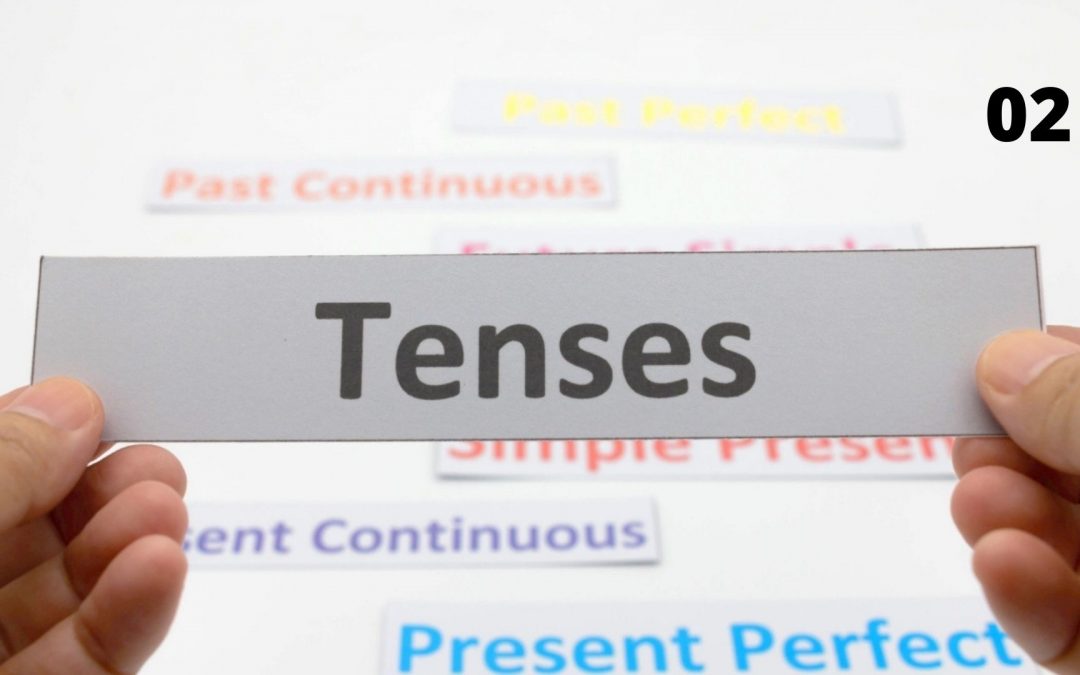
We will continue what we started in the previous episode of Learn The English Tenses and continue talking about the present simple and present continuous. We will talk about some advanced and special uses for these two tenses.

Learn the English Tenses in this new mini-grammar series from English Plus Podcast. This episode is about the present simple and continuous.

Learn about common adjective preposition combinations with examples and practice in this new grammar episode from English Plus Podcast.
Learn how to talk about the future using Be To and Be About To in this new Grammar episode form English Plus Podcast.
Learn about Both Either and Neither, how to use them properly to express yourself both in speaking and writing in this new Grammar episode from English Plus Podcast.

Learn when and how to use question tags in English in this new Grammar episode from English Plus Podcast.
Learn how and when to use the prepositions at, on and in with time expressions, and also learn about the difference between in time and on time, and between at the end and in the end in this new Grammar episode from English Plus podcast.
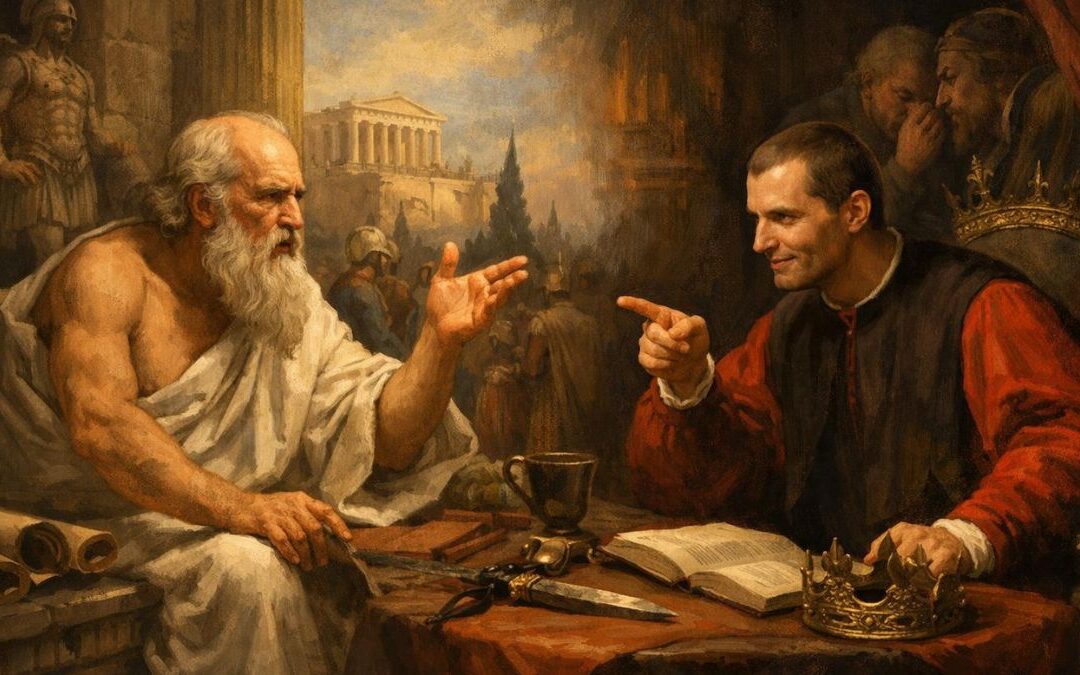
A philosophical inquiry into the nature of power. We explore the eternal conflict between Plato’s idealism and Machiavelli’s realism, asking if corruption is an inevitable flaw in the human soul or a necessary tool for survival.

Learn the art of crisis leadership. From the psychology of panic to the strategy of the apology, discover how to lead effectively when everything goes wrong.

What really happened to the Franklin Expedition? We journey into the icy heart of the Arctic to unravel the fate of HMS Erebus and Terror, a tale of ambition, madness, and the terrifying power of nature.

A poetic journey into the heart of a corrupted city. We mourn the music that was never played, the art that was never painted, and the lonely soul of the King Midas who sits atop a throne of ash.
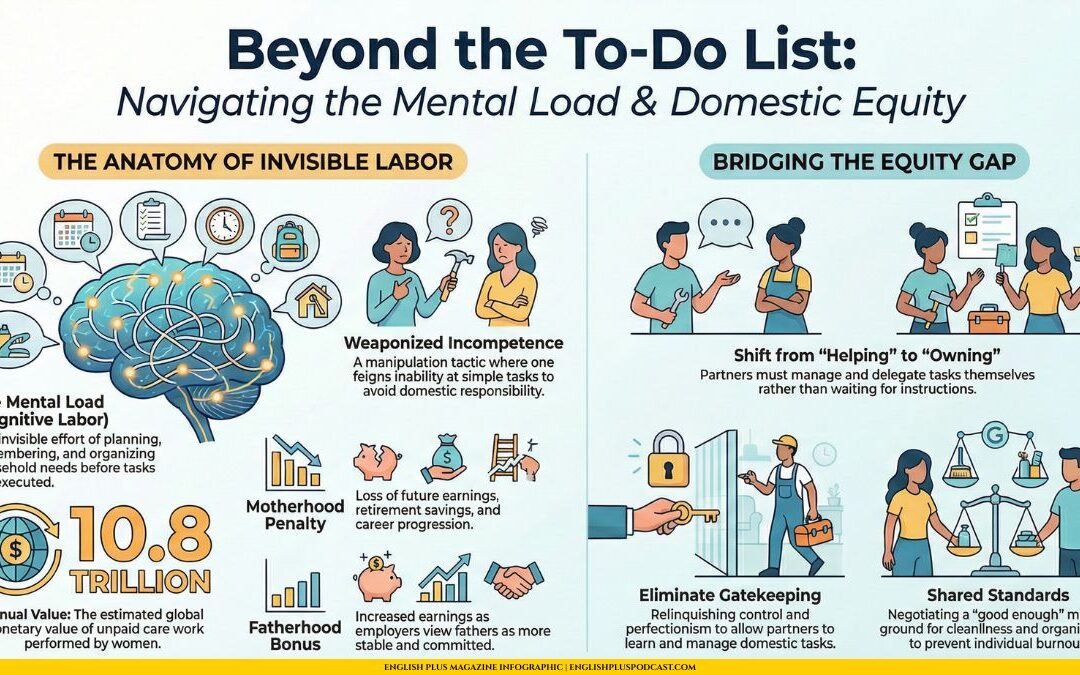
Why does gender equality stop at the front door? We explore the “Second Shift,” the “Mental Load,” and why domestic equity is the next frontier of feminism.
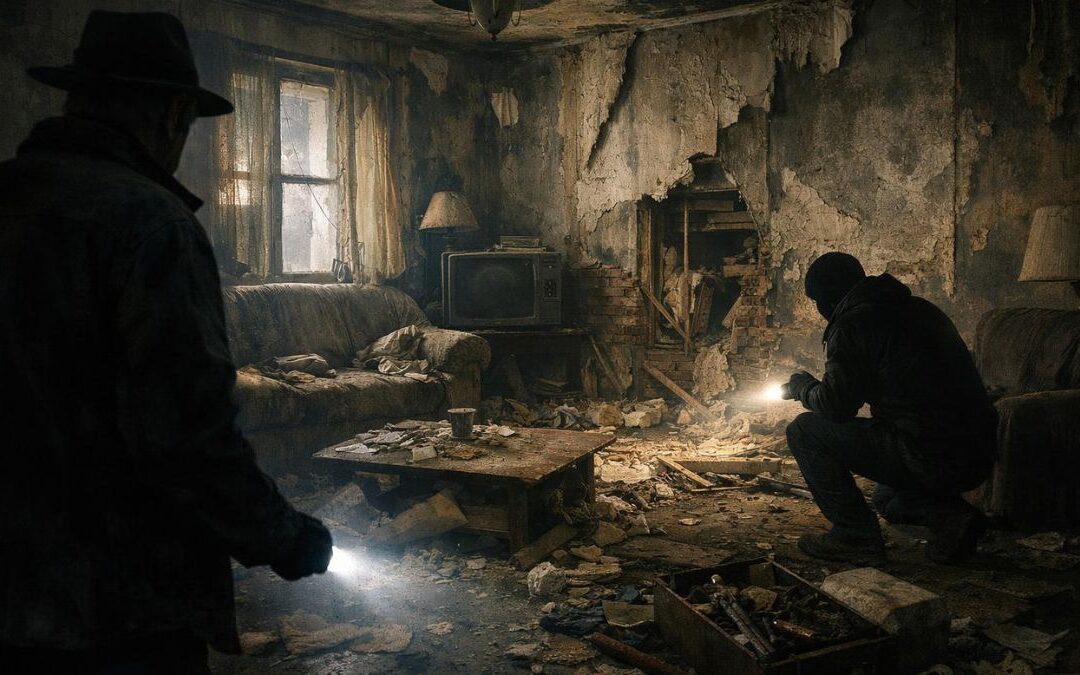
In the finale of Shadow Games, we explore concrete solutions to political corruption. From protecting whistleblowers to the “Singapore Model” of governance, learn how societies clean house and restore trust.