An impediment is something in your way. It slows you down, blocks you, makes the path harder. But in this episode, we ask the more interesting question: what if the impediment is also part of the path?
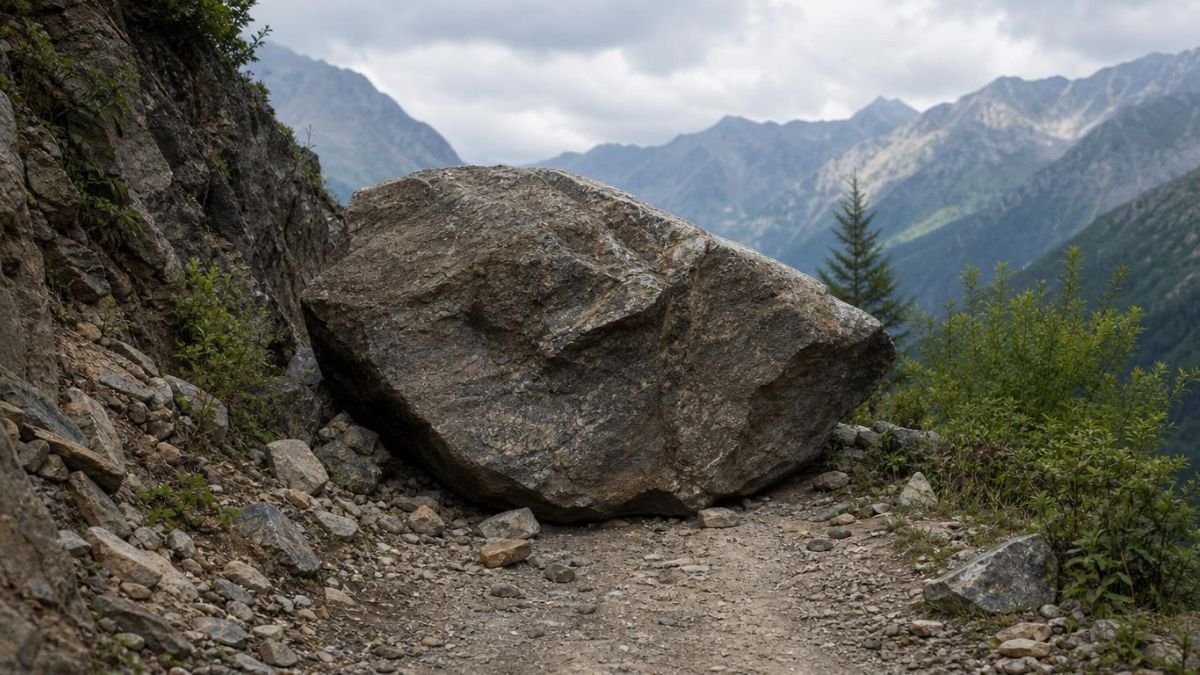

An impediment is something in your way. It slows you down, blocks you, makes the path harder. But in this episode, we ask the more interesting question: what if the impediment is also part of the path?

There’s a specific kind of vertigo that comes with doing something no one has done before — or something no map has prepared you for. ‘Uncharted waters’ is an expression born from the age of exploration, and it speaks directly to one of the most human experiences there is: the moment when the known world runs out.
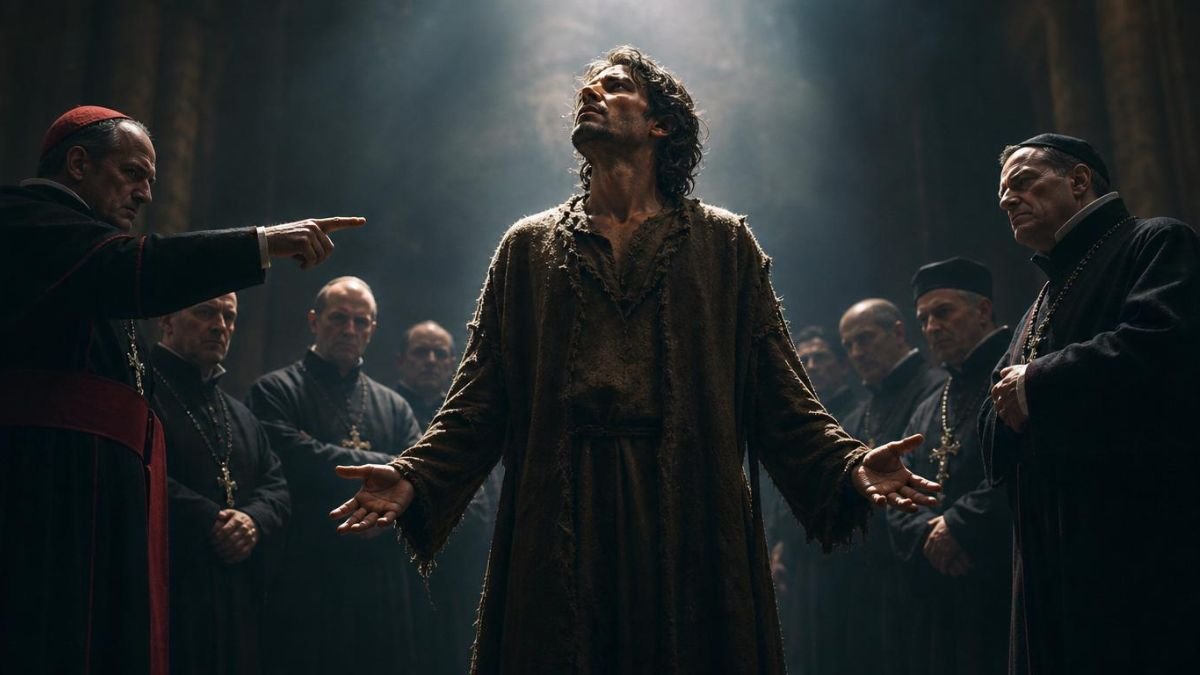
Every idea we now take for granted was once heretical. In this episode, we explore the word for dangerous thinking — and ask what heretical ideas of today might be the common sense of tomorrow.

We skim. We scroll. We get the summary and move on. But the most interesting things — in subjects, in people, in ideas — don’t live on the surface. ‘Scratching the surface’ is an expression that’s both a limitation and an invitation. This episode is about what’s underneath, and why it’s always worth going there.

Austere sounds like a punishment. But there’s a philosophy hidden in it — one that argues simplicity isn’t deprivation, it’s clarity. In this episode, we make the case for austerity as a chosen quality, not an imposed one.

Most of us learned to pay back. ‘Pay it forward’ asks something different — and more interesting. This episode explores one of the most quietly revolutionary expressions in modern English, and the profound ripple effect of choosing to pass good things on rather than just returning them.

Some topics clear a room. Some words start arguments before you’ve finished the sentence. Contentious is the word for that quality of friction — and in this episode, we ask why the things we fight about most might be the things that matter most.

Before the idea, there was nothing. Before the solution, there was a problem with no answer. Before the thing existed, it didn’t exist. ‘Out of thin air’ is the expression for that act of creation — and this episode explores the real magic and real work hidden behind what looks like pure spontaneous invention.

Flout is one of English’s most satisfying verbs — there’s something almost gleeful in it. It’s not just breaking a rule; it’s breaking it conspicuously, with confidence, in front of everyone. In this episode, we ask when flouting is an act of courage and when it’s just a bad idea.

There’s a version of you that just flows — where effort feels effortless, where time disappears, where you are so aligned with what you’re doing that the doing and the being become the same thing. This episode explores the ancient idea behind ‘being in your element’ and why finding yours might be the most important search there is.

Washington Irving invented the flat Earth myth in 1828. Danny puts him on trial for the lie that made Columbus a hero and the Middle Ages a joke.

A poetic dive into the German idiom auf dem Zahnfleisch gehen — “to walk on the gums” — and what the suspended architecture of a single tooth reveals about the first thing exhaustion takes from you.

Learn the English of networking — question forms, the echo responses that keep a conversation alive, question tags, and the graceful exit nobody teaches. Plus why the people who help your career are rarely your closest friends.

A poetic meditation on “flesh and blood” — the phrase we use for family, for mortality, and for reality itself, all with the same two plain, physical words.
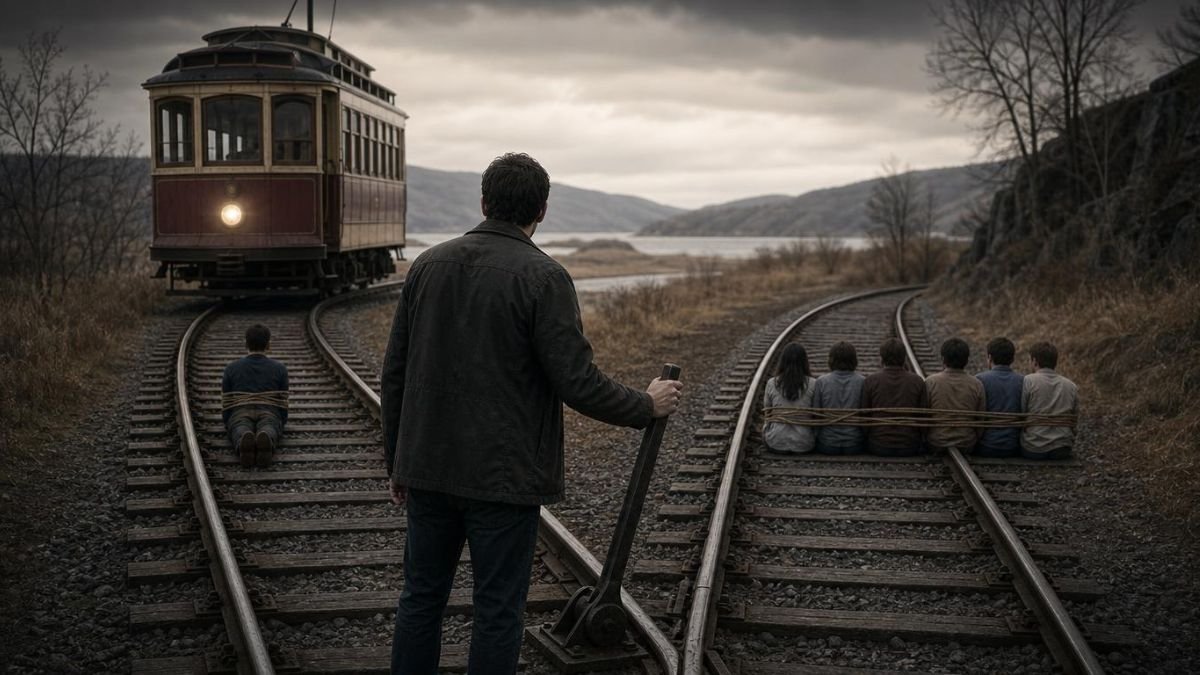
Five people on one track, one on another, and your hand on the lever. Explore the trolley problem, its surprising origins, and what it really reveals about moral judgment.

A poetic dive into the French phrase l’esprit d’escalier — “staircase wit” — the brilliant reply that arrives only after you’ve left the room, and the surprising reason your mind waited.