From free wheat in ancient Rome to endless scrolling today, discover how the “bread and circuses” strategy never disappeared. It just got an algorithm and a smartphone.
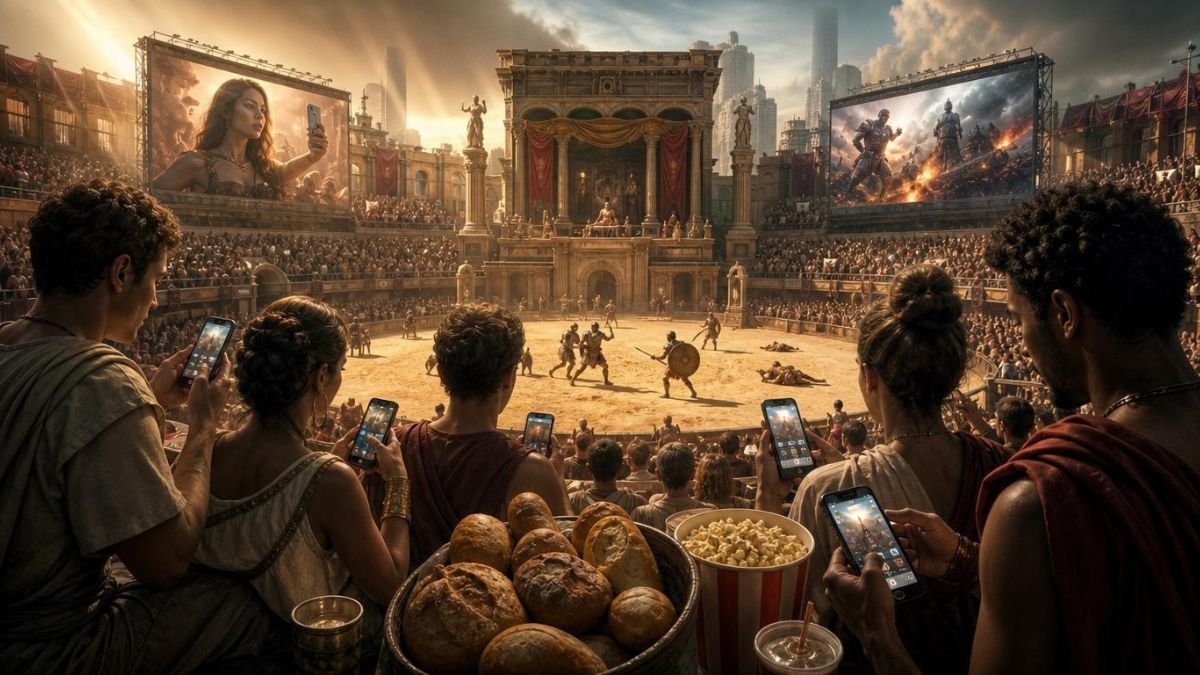

From free wheat in ancient Rome to endless scrolling today, discover how the “bread and circuses” strategy never disappeared. It just got an algorithm and a smartphone.
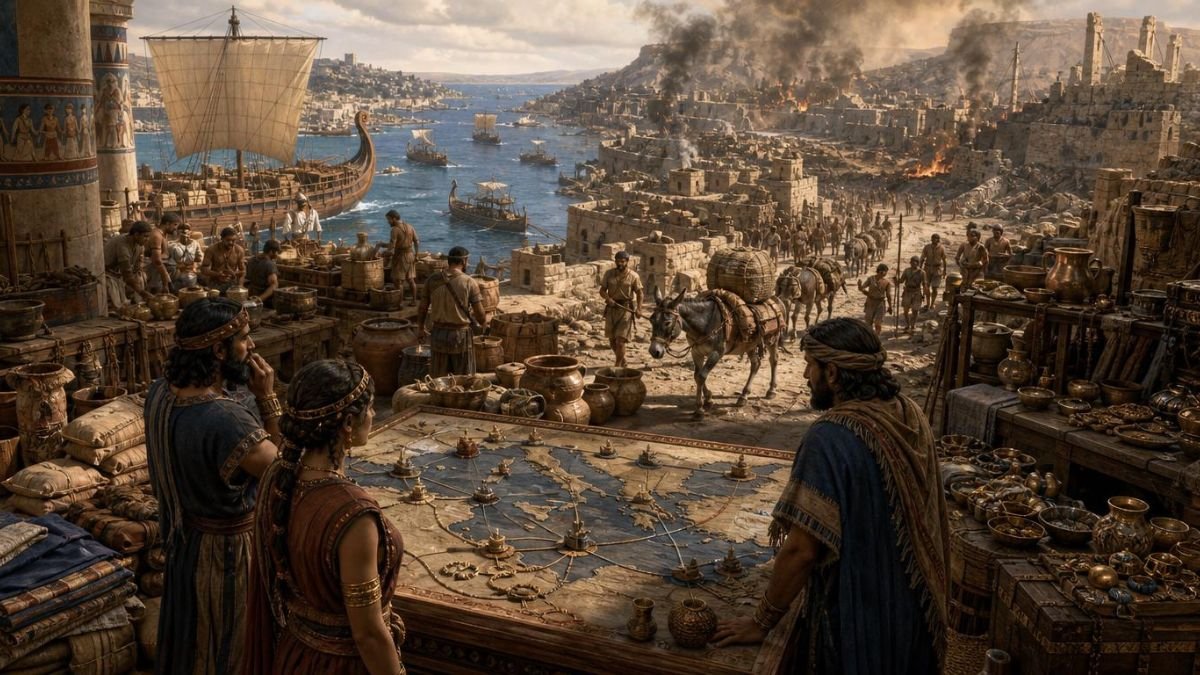
Over 3,000 years ago, the most sophisticated trade network the ancient world had ever built collapsed in less than 50 years. Sound familiar? Explore what the Bronze Age Collapse tells us about today’s global supply chains — and why the dominos fall faster than we think.
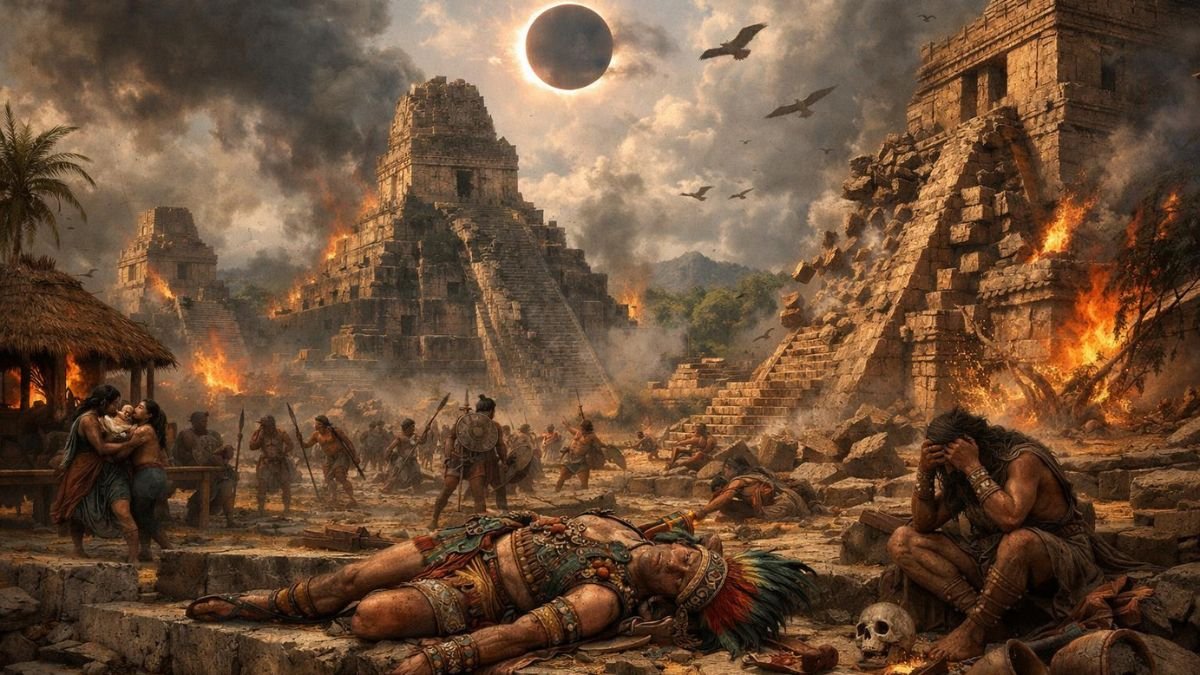
Uncover the mystery of the Maya Collapse. Was it drought, war, or political failure? We explore the theories, the vocabulary of ruin, and the lessons for today.
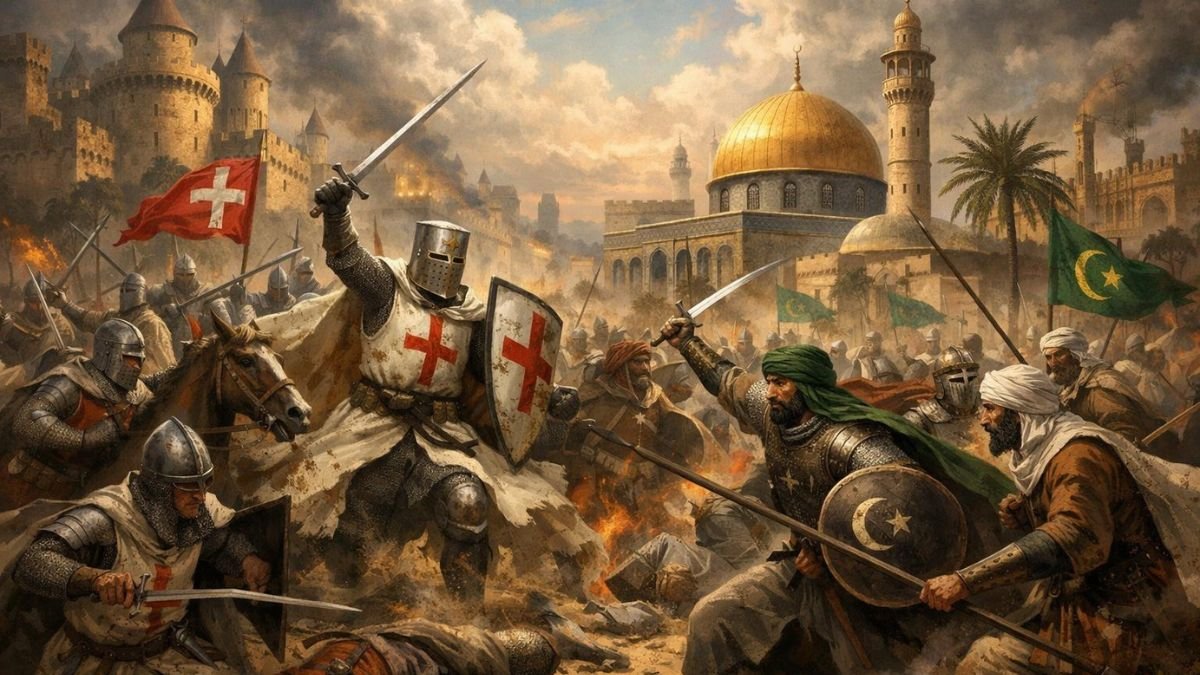
Dive deep into the history of The Crusades. From Pope Urban II to Saladin, explore the wars that defined the Middle Ages, the cultural exchange that followed, and the dark legacy of the Fourth Crusade.

Why do we light candles in winter? Explore the anthropology of the Advent candle, Menorah, Diya, and Yule log. Discover the shared human history of combating darkness with light.
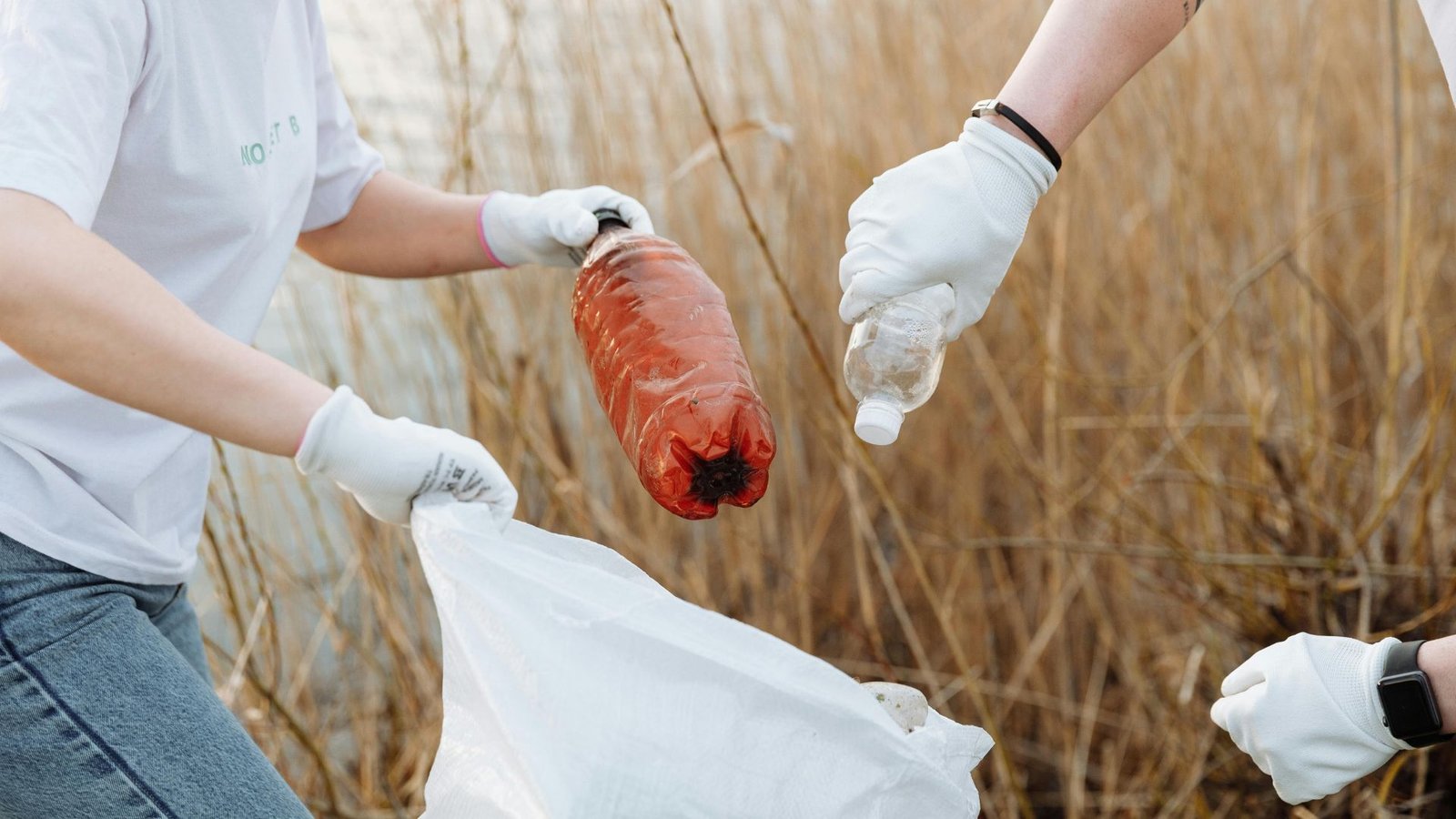
The planet’s future hangs in the balance as our daily choices continue to impact ecosystems, climate, and public health. From plastic use to energy consumption, small decisions add up to global consequences. Are we truly considering the legacy we leave behind?

Explore how everyday chemicals from homes, farms, and industry silently impact ecosystems over time—affecting water, soil, air, and biodiversity. Learn about the long-term environmental effects and what we can do to protect our planet.

Discover how Cognitive Load Theory (CLT) is shaping modern curriculum design. Learn how educators can optimize learning, reduce distractions, and improve knowledge retention through structured lessons, technology, and innovative teaching strategies.

Discover the science behind clear communication and how to overcome barriers like language differences, speech challenges, and confidence issues. Learn how nonverbal cues, active listening, and speech training can improve personal and professional interactions. Boost your communication skills today!

Dive into the world of Generative AI—exploring its types, practical uses, creative dilemmas, and ethical challenges. Learn how AI tools like InVideo AI, GPT, and DALL·E reshape creativity, while balancing innovation with the human touch.

Some people seem untouched by chaos — not because nothing reaches them, but because something inside them holds. Imperturbable is the word for that quality. And in this episode, we ask whether it’s something you’re born with or something you build.

Time is the most honest critic there is. It doesn’t respond to marketing, or prestige, or the enthusiasm of the moment. What stands the test of time does so because it’s genuinely worth keeping. This episode explores one of the most quietly profound phrases in English: and what it reveals about value, durability, and what actually lasts.

Gossamer is one of English’s most delicate words — for things that are barely there, almost transparent, threaded from light and air. But don’t mistake delicate for weak. In this episode, we find the strength in the almost-invisible.

Some lessons can only be learned in the water. ‘Sink or swim’ is one of the most uncompromising expressions in English: stark, demanding, and surprisingly generous in what it believes about human capability. This episode explores the philosophy hidden in two small words.
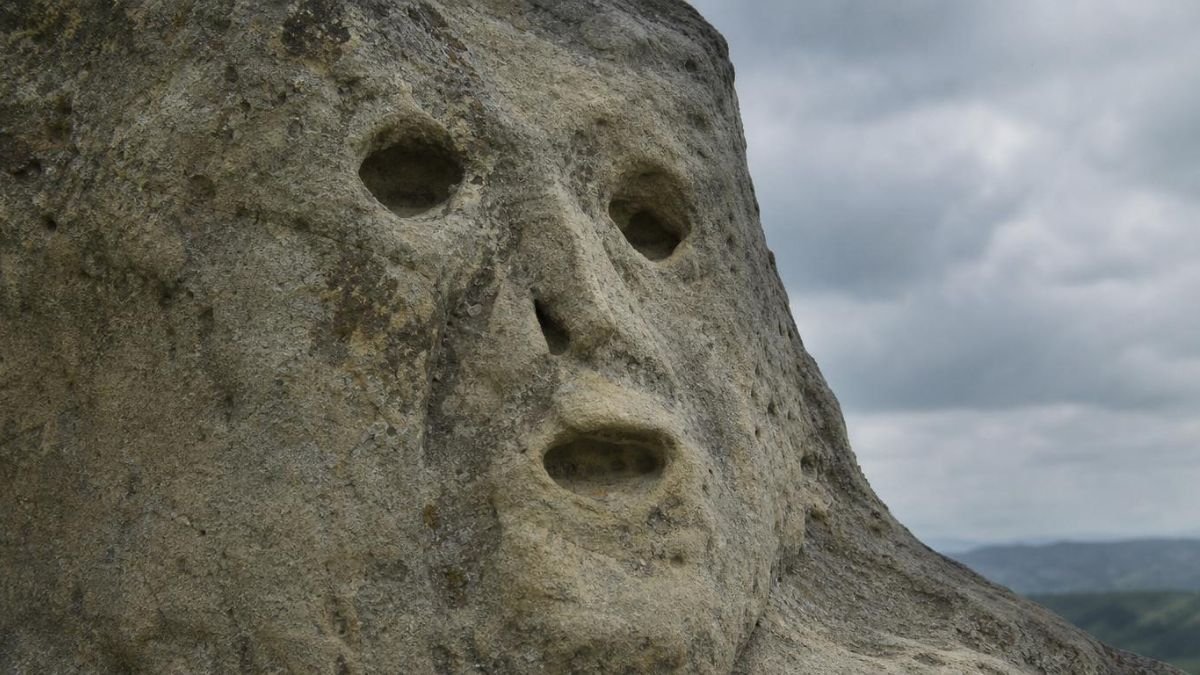
You’ve seen a face in a cloud, a shape in a stain, a pattern in the chaos. That’s not imagination — it’s one of the most deeply human things your brain does. The word for it is pareidolia, and it says something profound about how we’re wired.

We spend enormous amounts of energy on things we hope will eventually give us this. ‘Peace of mind’ is one of the oldest and most sought-after states in human experience: and one of the most misunderstood. This episode explores what it really is, where it actually comes from, and why so many of our strategies for finding it are aimed at the wrong thing.