Discover how the concept of time is explored in literature, from linear narratives to fragmented timelines, and its impact on storytelling and readers’ perceptions.
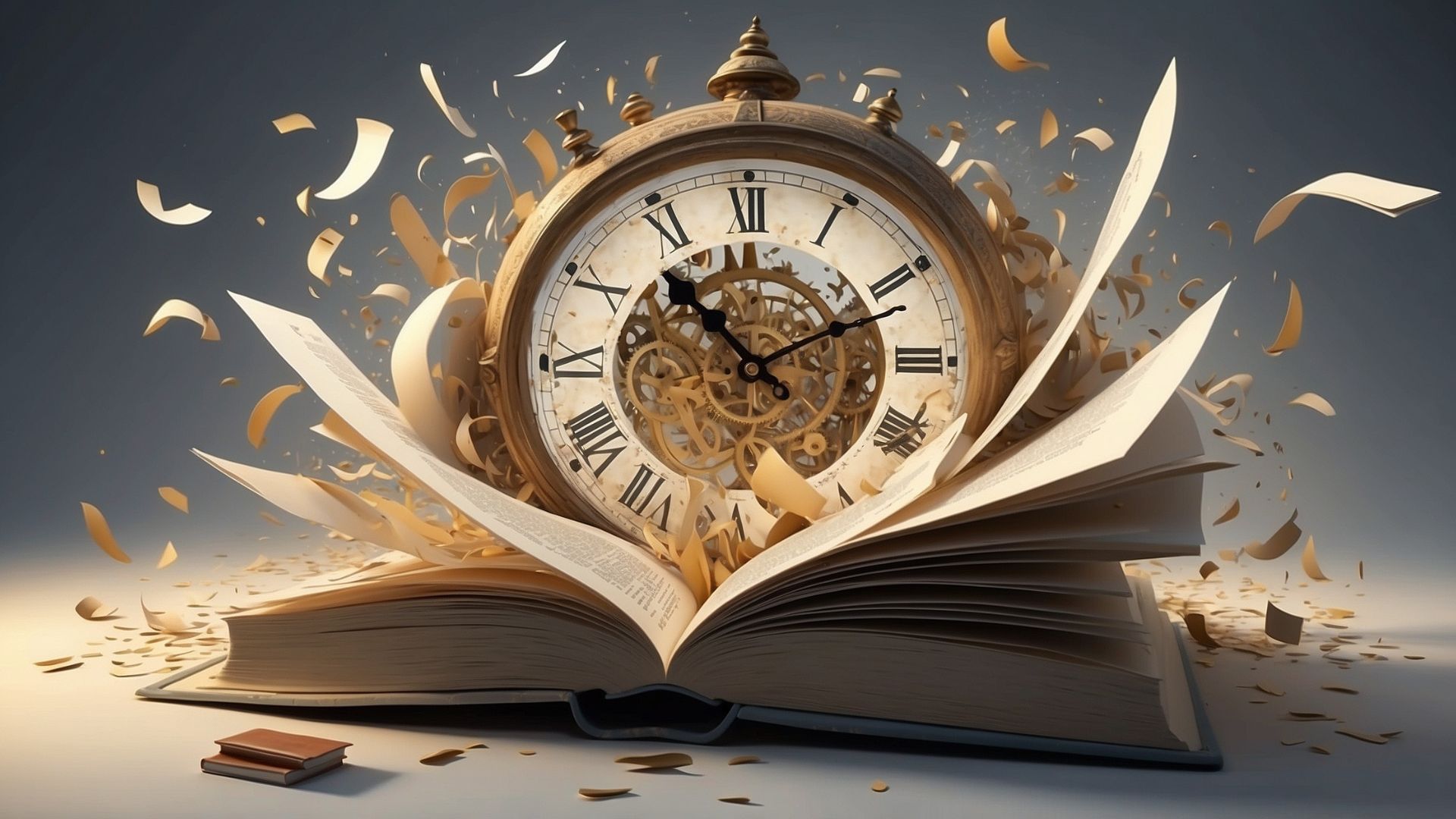

Discover how the concept of time is explored in literature, from linear narratives to fragmented timelines, and its impact on storytelling and readers’ perceptions.

Explore the role of literary criticism in understanding texts. Learn how critical analysis deepens appreciation, reveals hidden meanings, and connects literature to broader contexts.
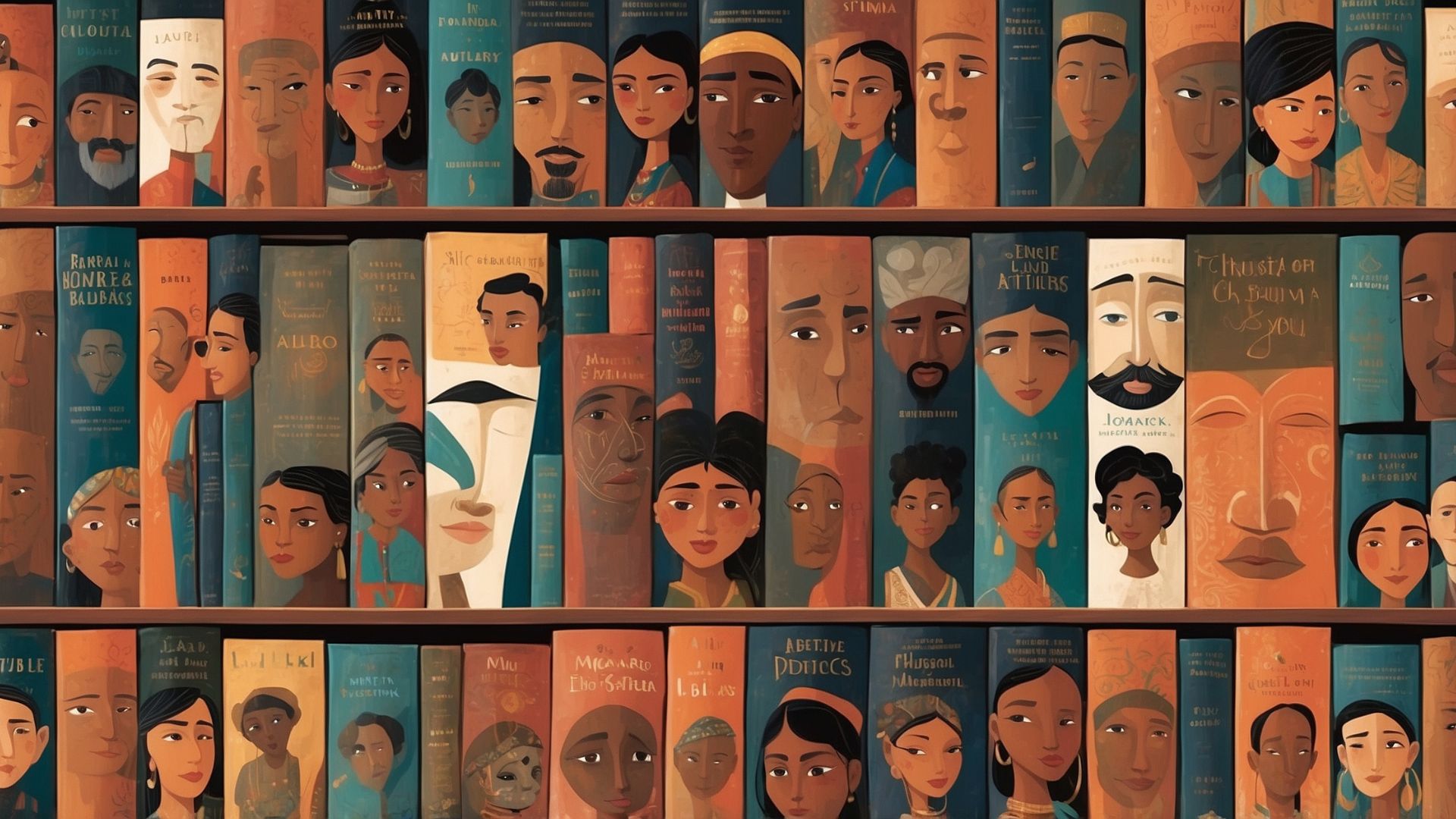
Explore how postcolonial literature shapes cultural identity, shedding light on its impact in reclaiming narratives and fostering a deeper understanding of diverse cultural backgrounds.
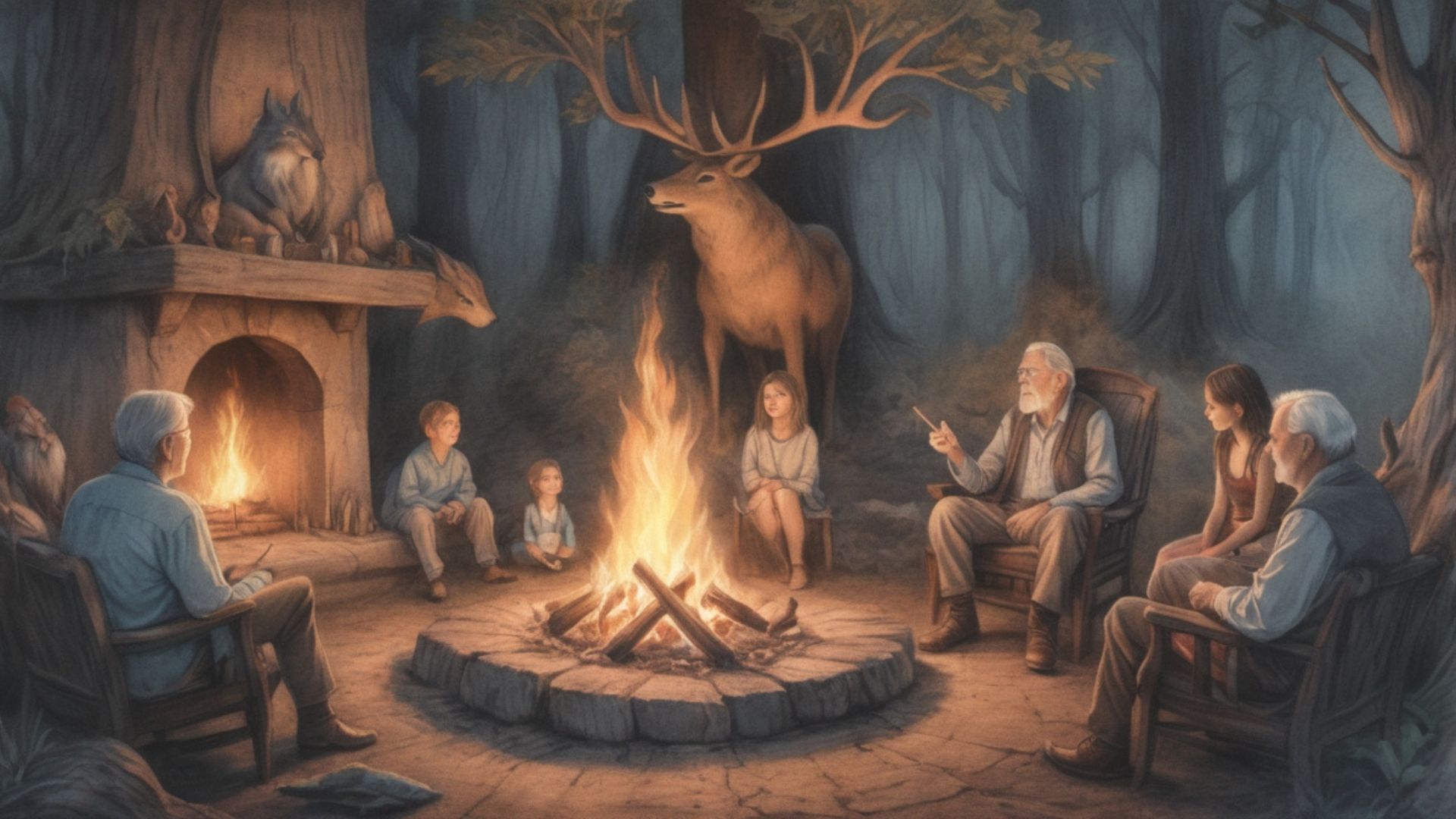
Explore the captivating art of storytelling in oral traditions and folklore. Discover how tales passed down through generations preserve culture, values, and shared human experience.
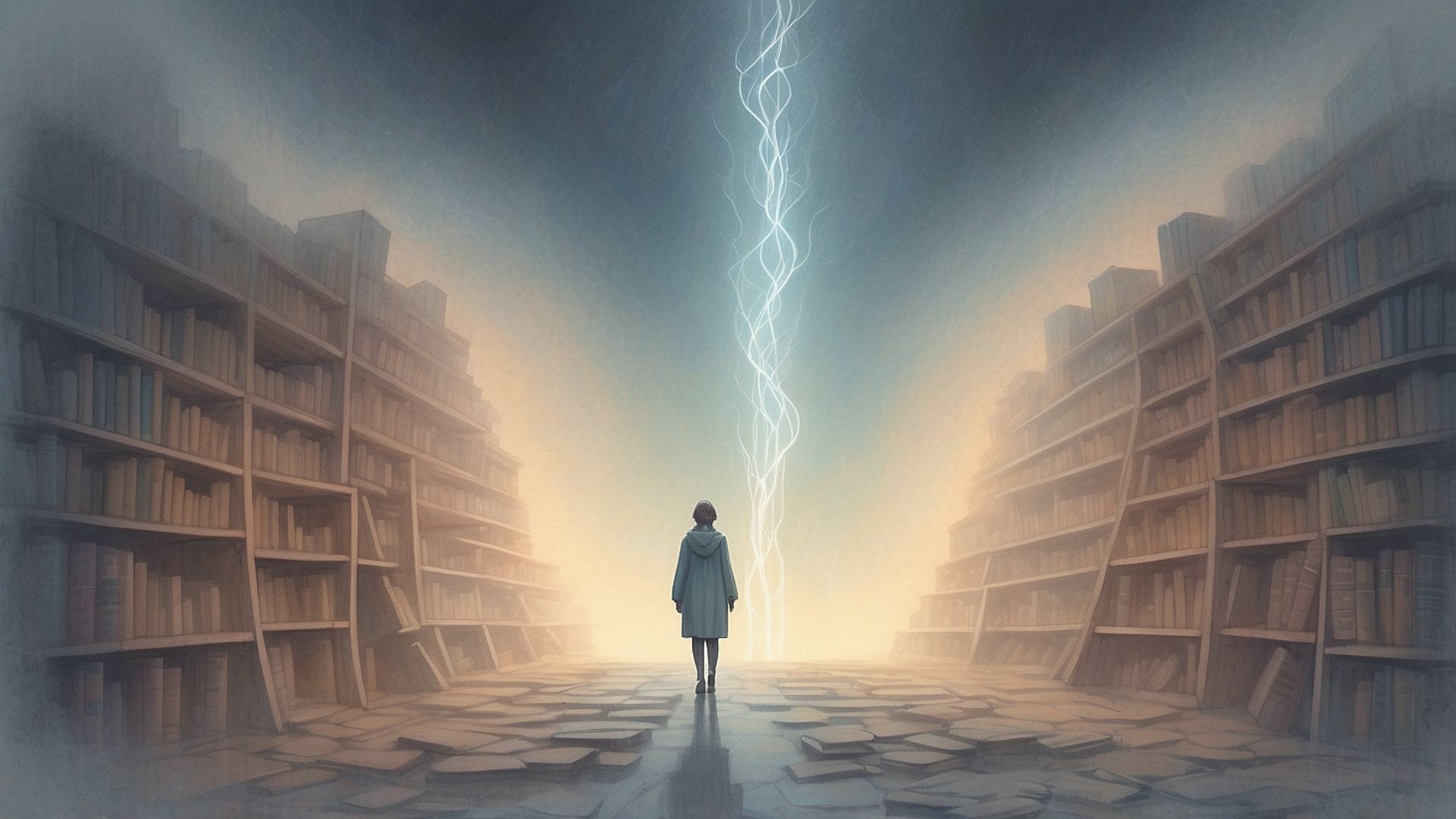
Discover thought-provoking literary works that delve into the meaning of existence. Explore novels, plays, and poetry that grapple with life’s biggest questions.
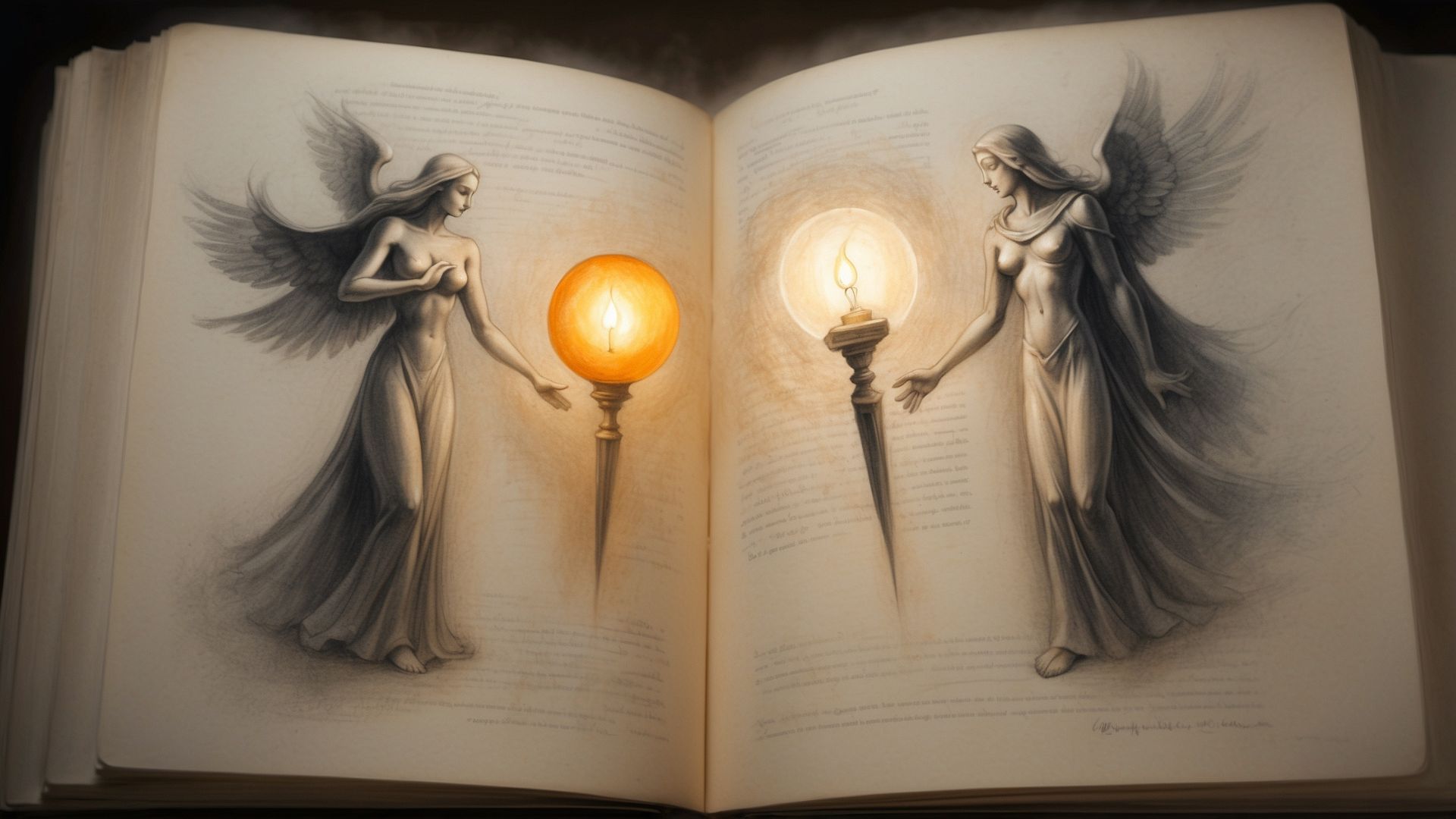
Discover how the concept of morality shapes literature. Explore the role of ethical dilemmas, character choices, and philosophical questions in storytelling across genres and time periods.
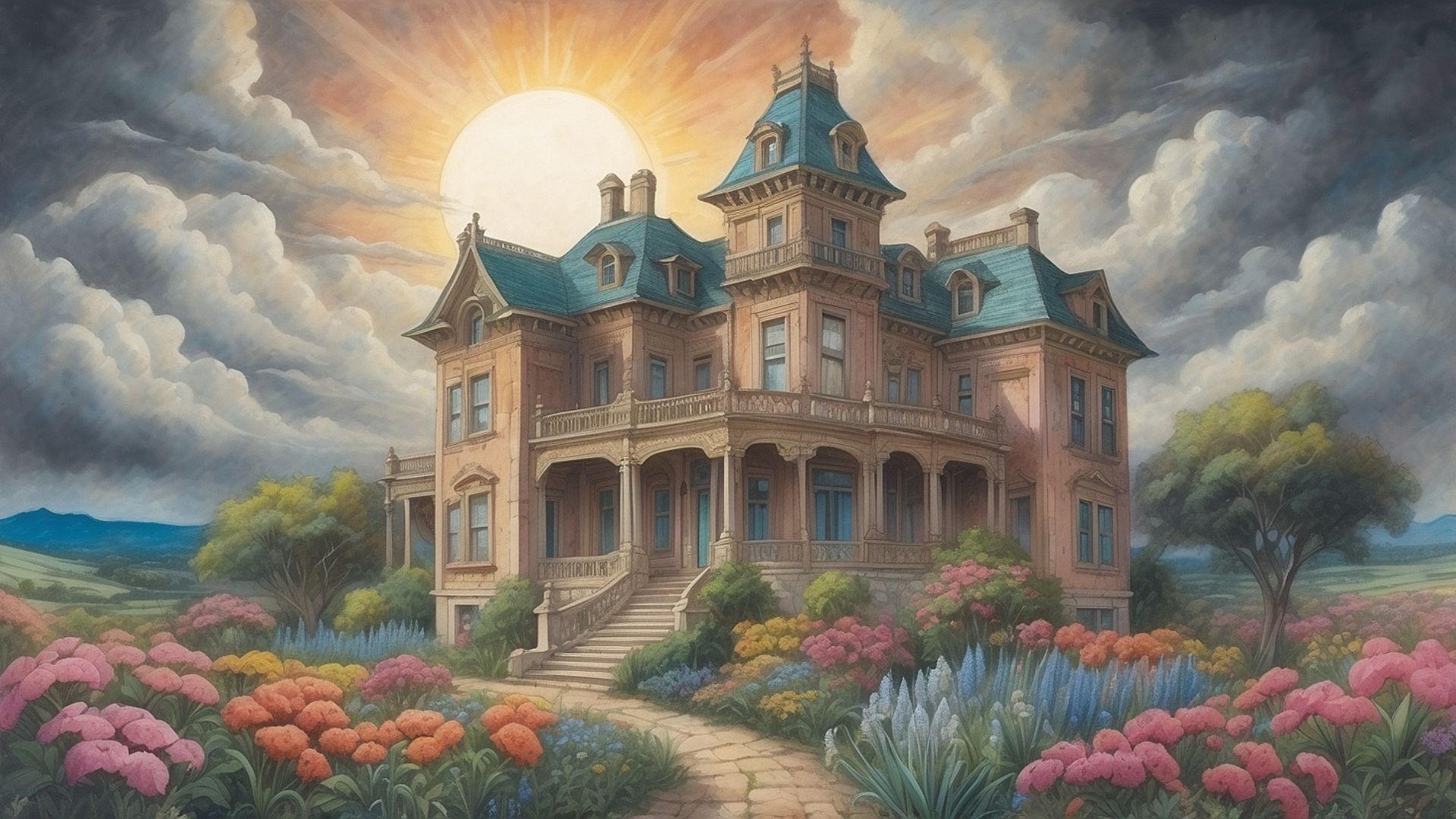
Dive into Isabel Allende’s The House of the Spirits, a timeless tale of family, politics, and magical realism. Discover why this novel remains one of the most celebrated works of literature.
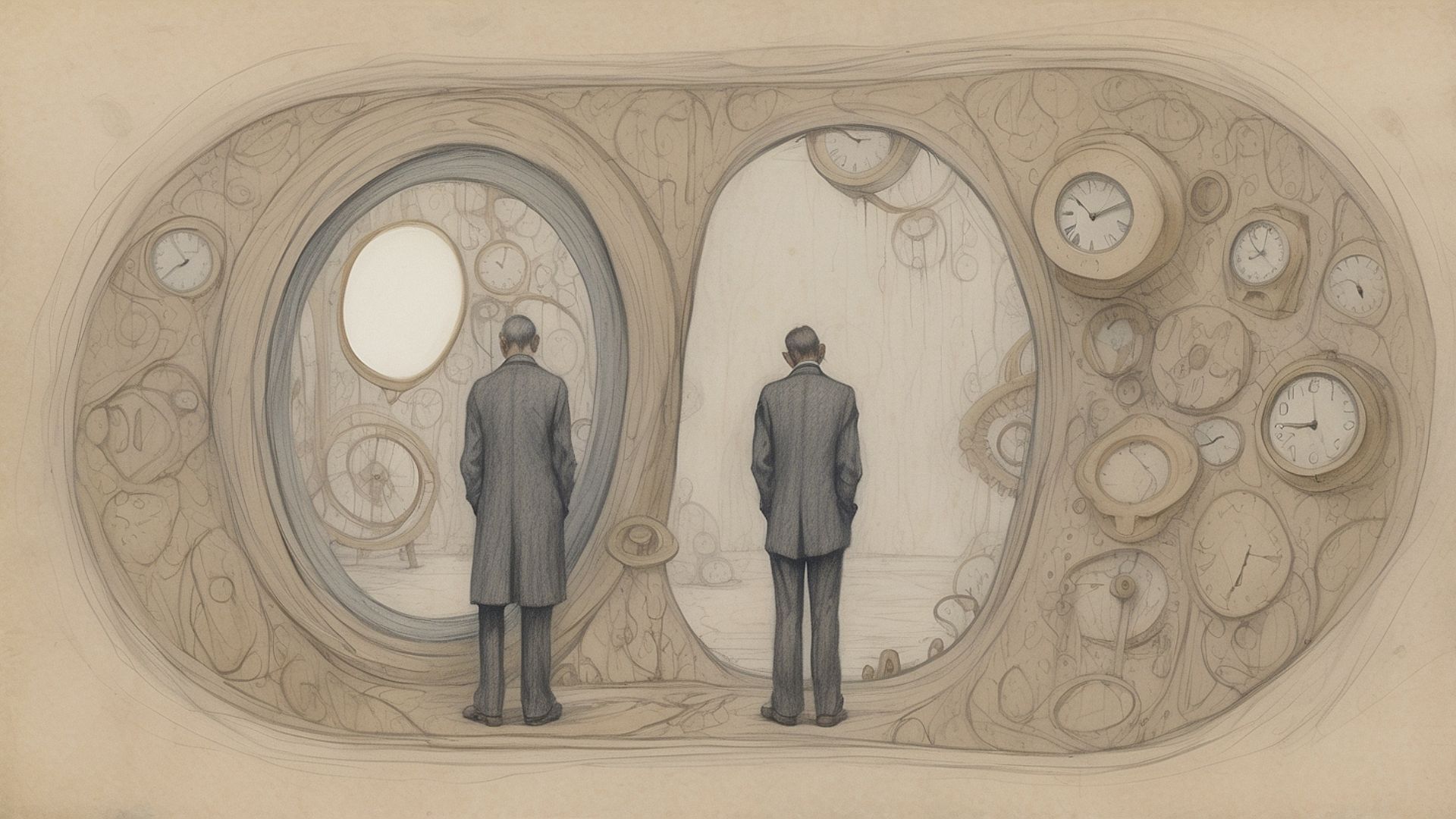
Dive into Jean-Paul Sartre’s Nausea, a foundational existentialist novel that explores the human experience of meaninglessness and existence. Discover the core themes and impact of this literary masterpiece.

Discover how gender representation in literature has evolved over time, shaping cultural norms and influencing identity. Explore key themes and examples from classic and modern works.
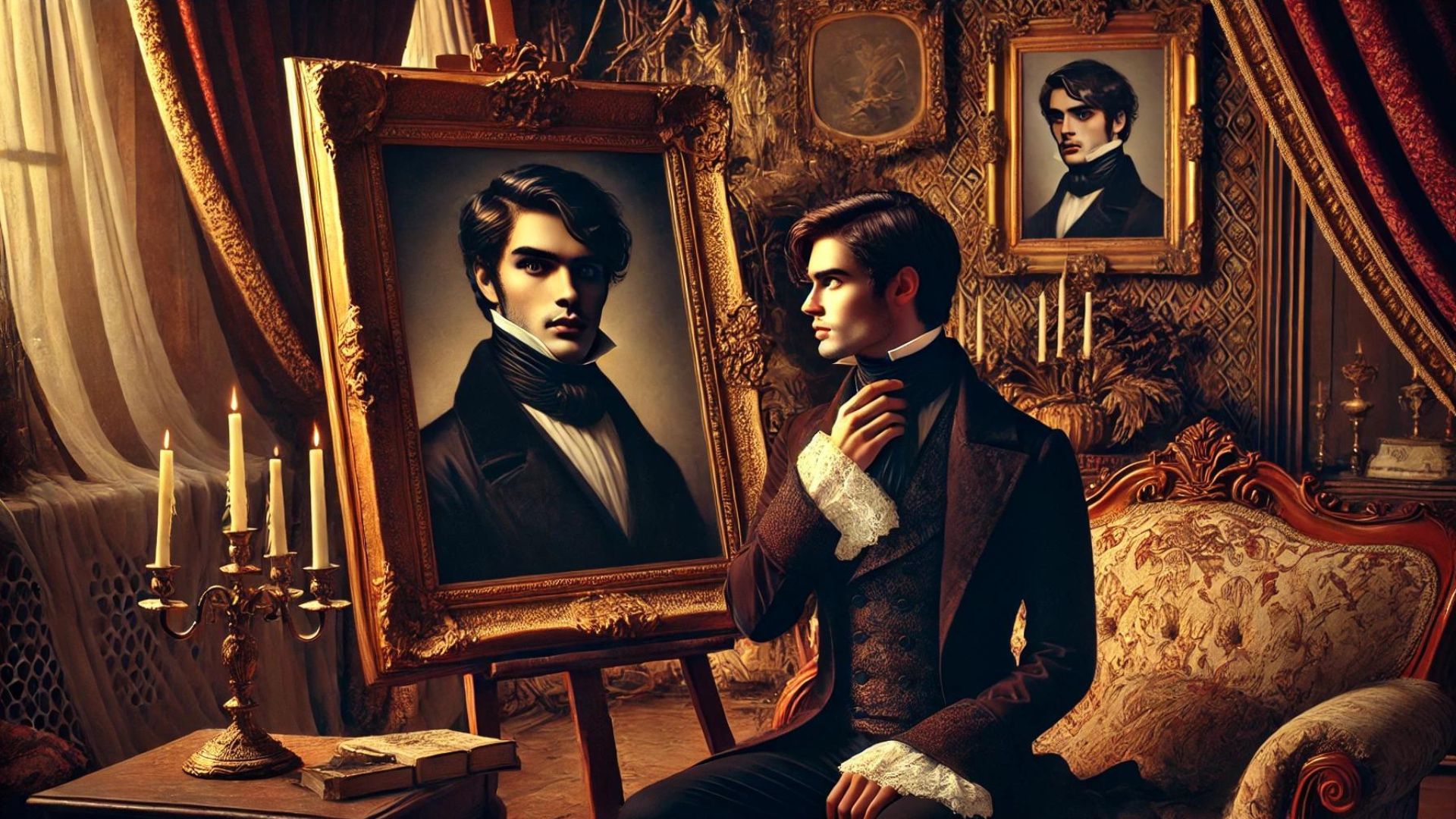
Explore Oscar Wilde’s classic novel, The Picture of Dorian Gray. Delve into themes of beauty, morality, and the consequences of living a life without accountability.
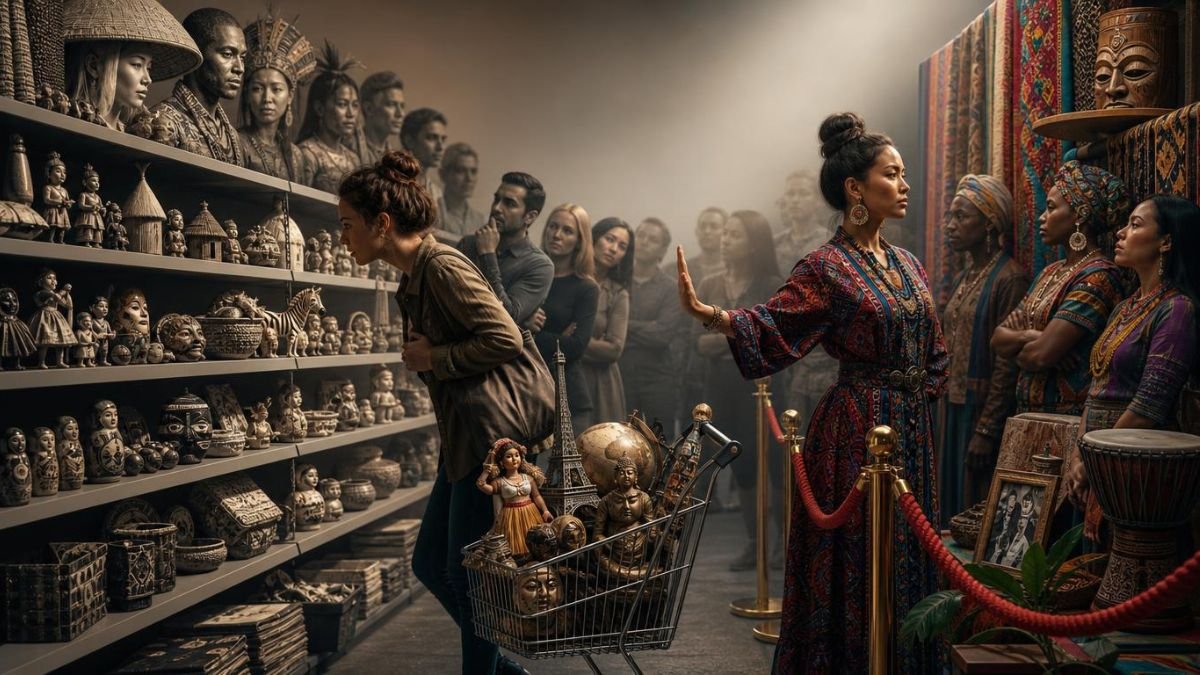
We compress distant cultures into one word and bristle when anyone does it to us. A look at resolution asymmetry — why it happens, when it’s harmless, and when it isn’t.
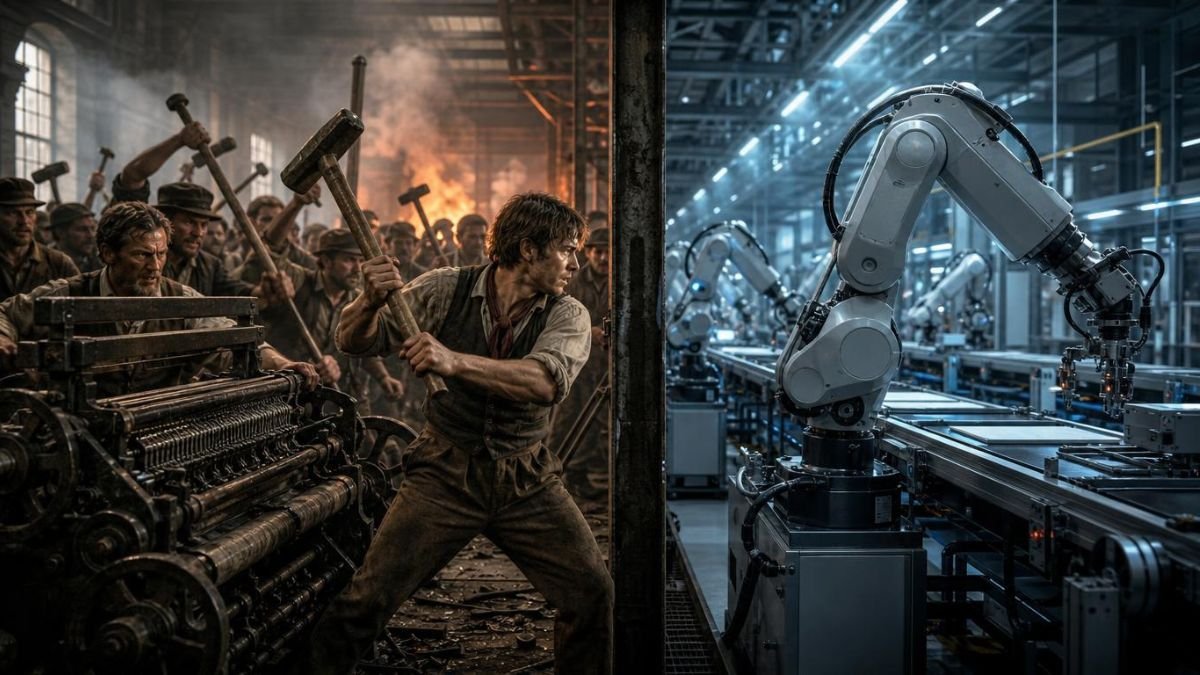
We use “Luddite” to mean technophobe. The real Luddites were skilled workers fighting over who controls technology and who profits from it — the exact fight we’re having about AI right now.
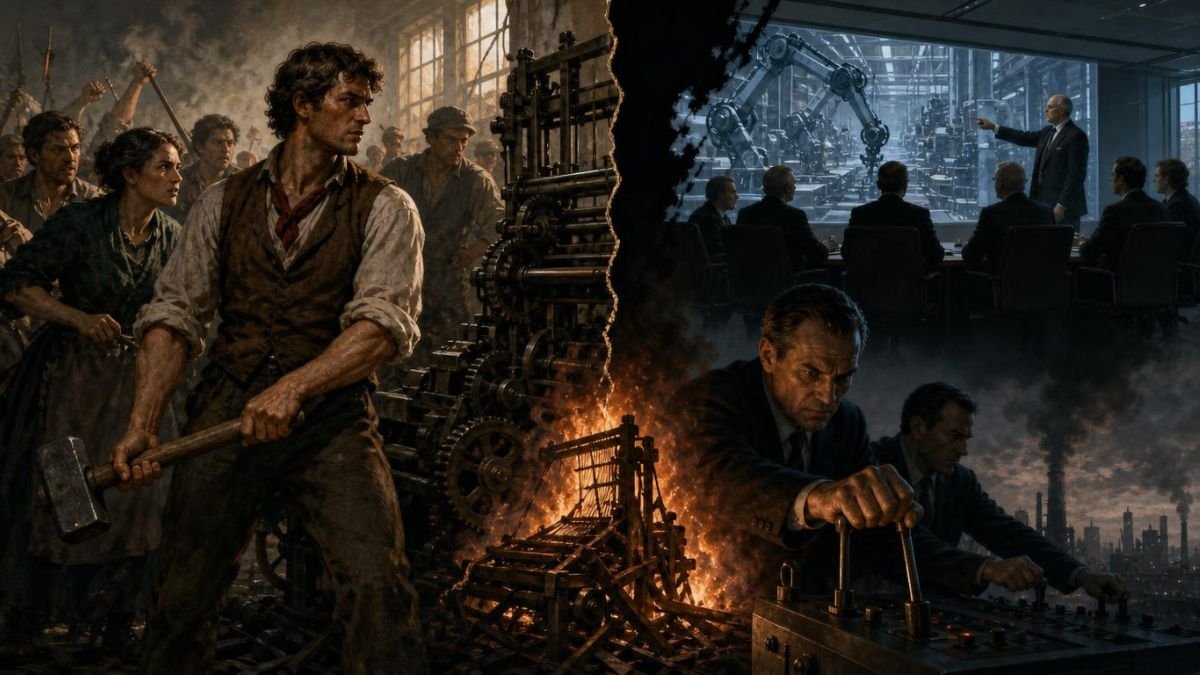
The Luddites are history’s favorite punchline for anyone who fears progress. But they never opposed machines — and the people who actually killed good technology were rarely holding a hammer. A deep dive into the smearing of a movement and the far quieter sabotage that followed.
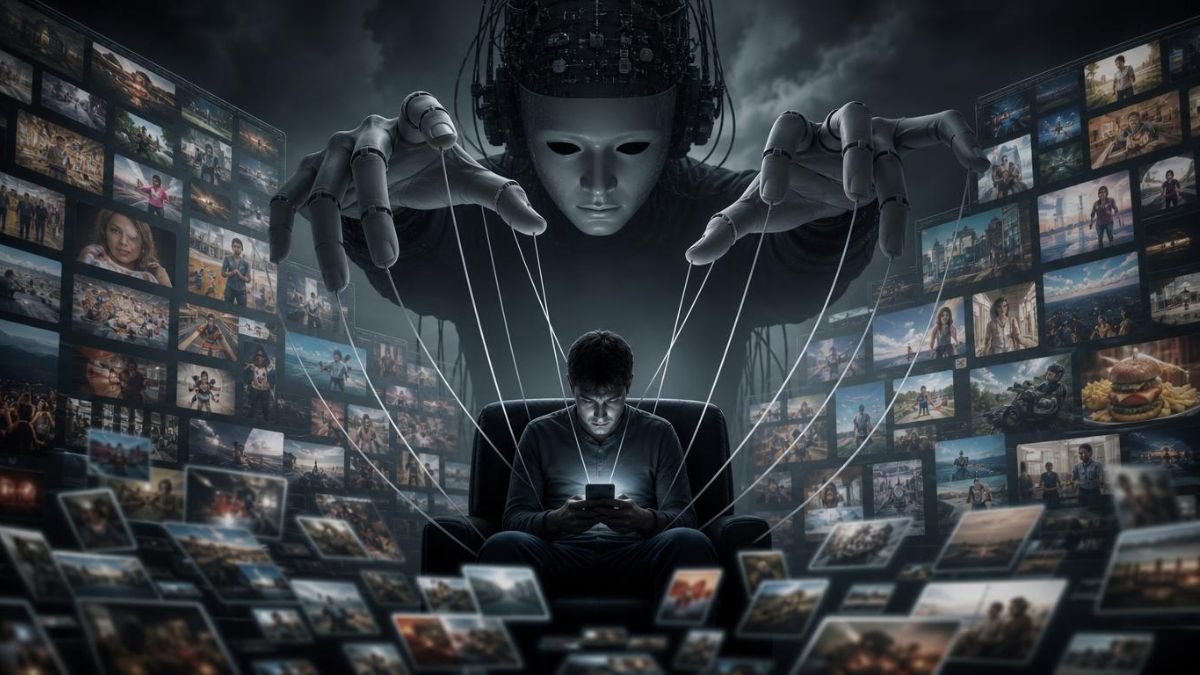
We recoil at AI-generated content while happily consuming whatever an algorithm serves us. This deep dive examines the hypocrisy in our performed disgust, why “human or machine?” is the wrong question, and what a more honest relationship with content actually looks like.
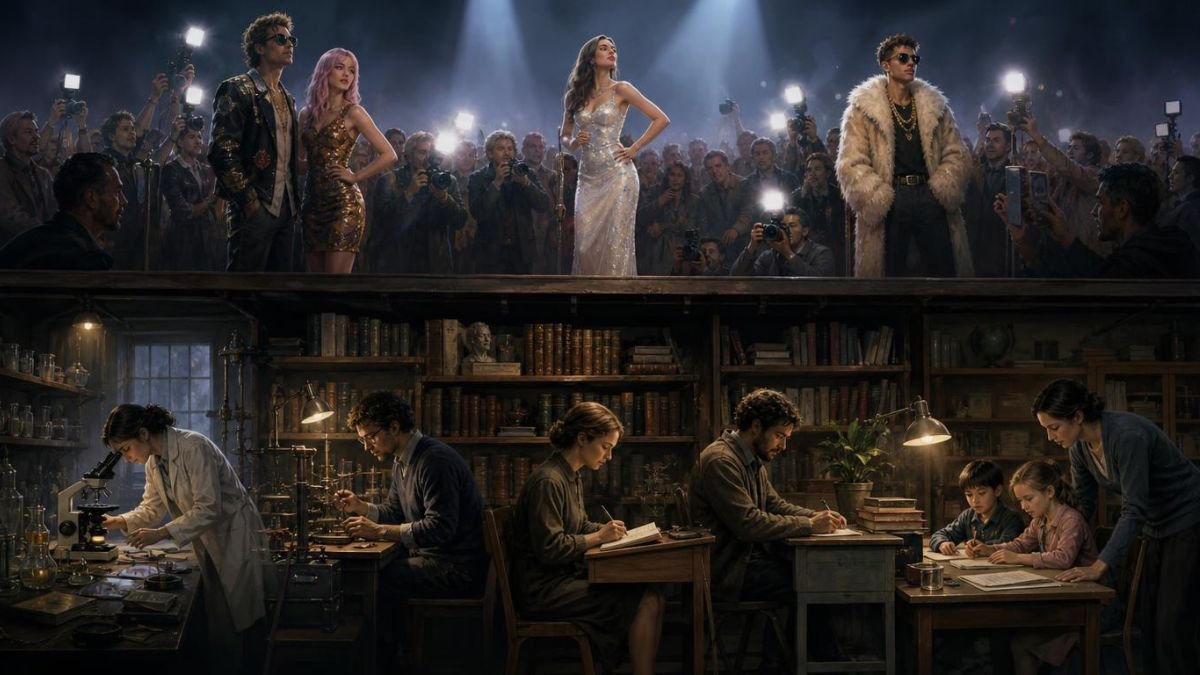
Scientists, poets, and teachers were once public heroes. Now they’re invisible. A deep dive into what actually changed — and what to honestly tell a young person.
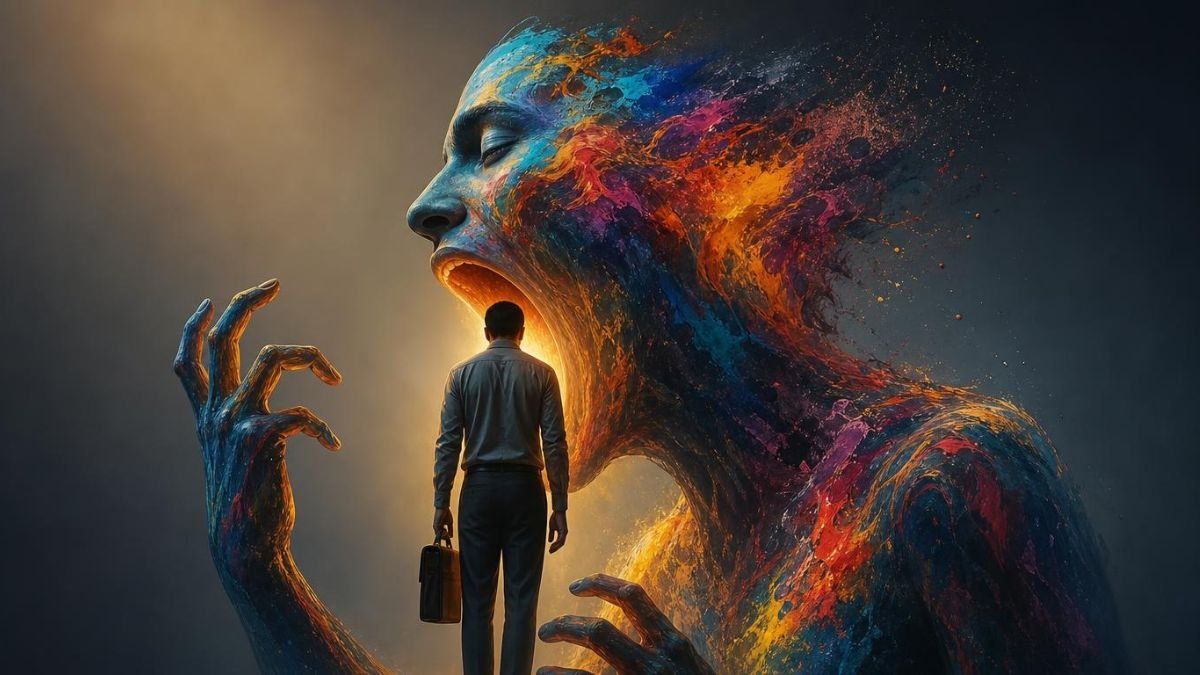
There was a moment when who you are started mattering more than how good you are. Here’s what changed, what we gained, and the quiet bill now coming due.