
Introduction
In today's rapidly evolving digital landscape, public opinion holds significant power, particularly through social media platforms. One manifestation of this power is cancel culture, which refers to the practice of publicly calling out and boycotting individuals or entities who are perceived to have committed morally or ethically reprehensible actions. Often driven by a sense of social justice, cancel culture has ignited heated debates over its benefits and drawbacks. This article will delve into the complexities of cancel culture, examining its impact on society and the individuals involved.
Benefits of Cancel Culture
1. Accountability and Consequences
One of the most significant benefits of cancel culture is its ability to hold people accountable for their actions, particularly those with influence and power. In many instances, public figures have faced the consequences of their past misdeeds, leading to increased awareness of the importance of ethical behavior. By calling attention to problematic behavior, cancel culture can bring about change by encouraging others to think twice before engaging in potentially harmful actions.
2. Amplification of Marginalized Voices
Cancel culture can empower marginalized groups by providing them with a platform to voice their concerns and grievances. Historically, these groups have often been silenced or overlooked, but social media and cancel culture enable them to bring attention to issues that may have been previously dismissed or ignored.
3. Challenging Cultural Norms and Systems
Cancel culture can help society reevaluate entrenched cultural norms and values that may perpetuate harmful or oppressive systems. By challenging the status quo, cancel culture can catalyze important conversations about discrimination, inequality, and injustice, potentially leading to positive societal change and increased empathy among different groups.
4. Consumer Empowerment
In a market-driven society, cancel culture allows consumers to wield their purchasing power and influence companies' behaviors. By boycotting products or services associated with problematic actions or ideologies, consumers can encourage companies to act more ethically and responsibly, promoting corporate accountability and driving positive change.
Drawbacks of Cancel Culture
1. Loss of Nuance and Context
One of the most significant criticisms of cancel culture is its tendency to overlook context and nuance. Public outrage can often be triggered by a single statement or action, without taking into consideration the broader context or the individual's growth and development. This can lead to disproportionate consequences and, in some cases, the unjust targeting of individuals who may not deserve such harsh treatment.
2. Mob Mentality and Dehumanization
Cancel culture can foster a mob mentality, where the line between holding someone accountable and engaging in targeted harassment becomes blurred. This can result in a dehumanizing effect, as the individual on the receiving end of the backlash is often reduced to their mistakes rather than being recognized as a complex human being with the capacity for growth and redemption. In some cases, this mob mentality can lead to a toxic online environment where people feel justified in attacking and belittling others, potentially causing significant emotional and psychological harm.
3. Suppression of Free Speech and Intellectual Diversity
Critics argue that cancel culture can create a climate of fear, where individuals are hesitant to express their opinions or engage in open debate due to concerns about potential backlash. This self-censorship can hinder intellectual diversity, stifle creativity, and prevent the exchange of ideas necessary for societal progress. In extreme cases, cancel culture can lead to the silencing of dissenting voices, posing a threat to the fundamental principles of free speech and democratic discourse.
4. Lack of Due Process and Rehabilitation
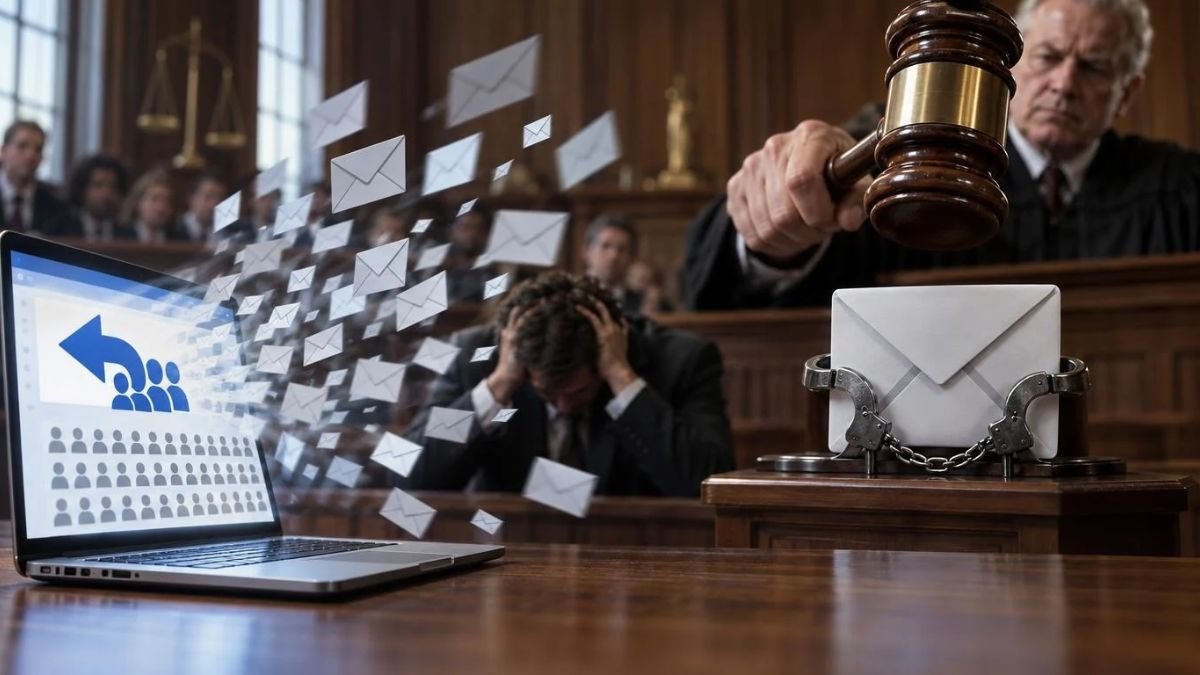
Cancel culture often bypasses traditional avenues of justice and due process, with public opinion acting as judge, jury, and executioner. This can result in people facing severe consequences without a fair or thorough investigation into the allegations against them. Additionally, the punitive nature of cancel culture often leaves little room for rehabilitation, as individuals are frequently ostracized and shunned without being given the opportunity to learn from their mistakes and make amends.
Conclusion
Cancel culture is a complex and polarizing phenomenon, with both benefits and drawbacks. While it can help hold individuals accountable and drive social change, it also runs the risk of oversimplifying complex issues, perpetuating mob mentality, and suppressing free speech. To harness the positive aspects of cancel culture while mitigating its negative consequences, society must strive for a more nuanced and empathetic approach.
This could involve promoting constructive dialogue, encouraging education and growth, and offering opportunities for redemption. Moreover, it is essential to recognize the importance of context and the individual's capacity for change. By fostering a culture of understanding, accountability, and empathy, we can create an environment where everyone has the opportunity to learn from their mistakes, engage in open discourse, and work together towards a more just and inclusive society.
Keywords:
- Cancel culture: the practice of publicly calling out and boycotting individuals or entities who are perceived to have committed morally or ethically reprehensible actions.
- Accountability: the state of being responsible for one's actions and the consequences that follow.
- Consequences: the results or effects of a particular action or decision.
- Influence: the capacity to have an effect on the character, development, or behavior of someone or something.
- Ethical behavior: behavior that is consistent with what is considered morally right or good.
- Marginalized groups: groups that are outside the mainstream of society and are therefore at a disadvantage or subjected to discrimination.
- Discrimination: the unjust or prejudicial treatment of different categories of people, especially on the grounds of race, age, or sex.
- Inequality: the state of being unequal in status, rights, and opportunities.
- Oppression: the unjust or cruel exercise of power over others.
- Corporate accountability: the responsibility of a company or corporation to act in a way that is ethical, transparent, and responsible to its stakeholders.
- Nuance: subtle differences or shades of meaning, expression, or sound.
- Mob mentality: the tendency of people in a group to follow the opinions and behaviors of the majority without questioning or critical thinking.
- Dehumanization: the act of depriving a person of their human qualities, dignity, and worth.
- Free speech: the right to express any opinions without censorship or restraint.
- Intellectual diversity: the variety of perspectives, ideas, and viewpoints that exist within a society or community.
- Due process: fair treatment through the normal judicial system, especially as a citizen's entitlement.
- Rehabilitation: the process of restoring someone to health or normal life through training and therapy after imprisonment, addiction, or illness.
- Empathy: the ability to understand and share the feelings of others.






0 Comments