Planet Earth: Droughts: When the Earth Runs Dry
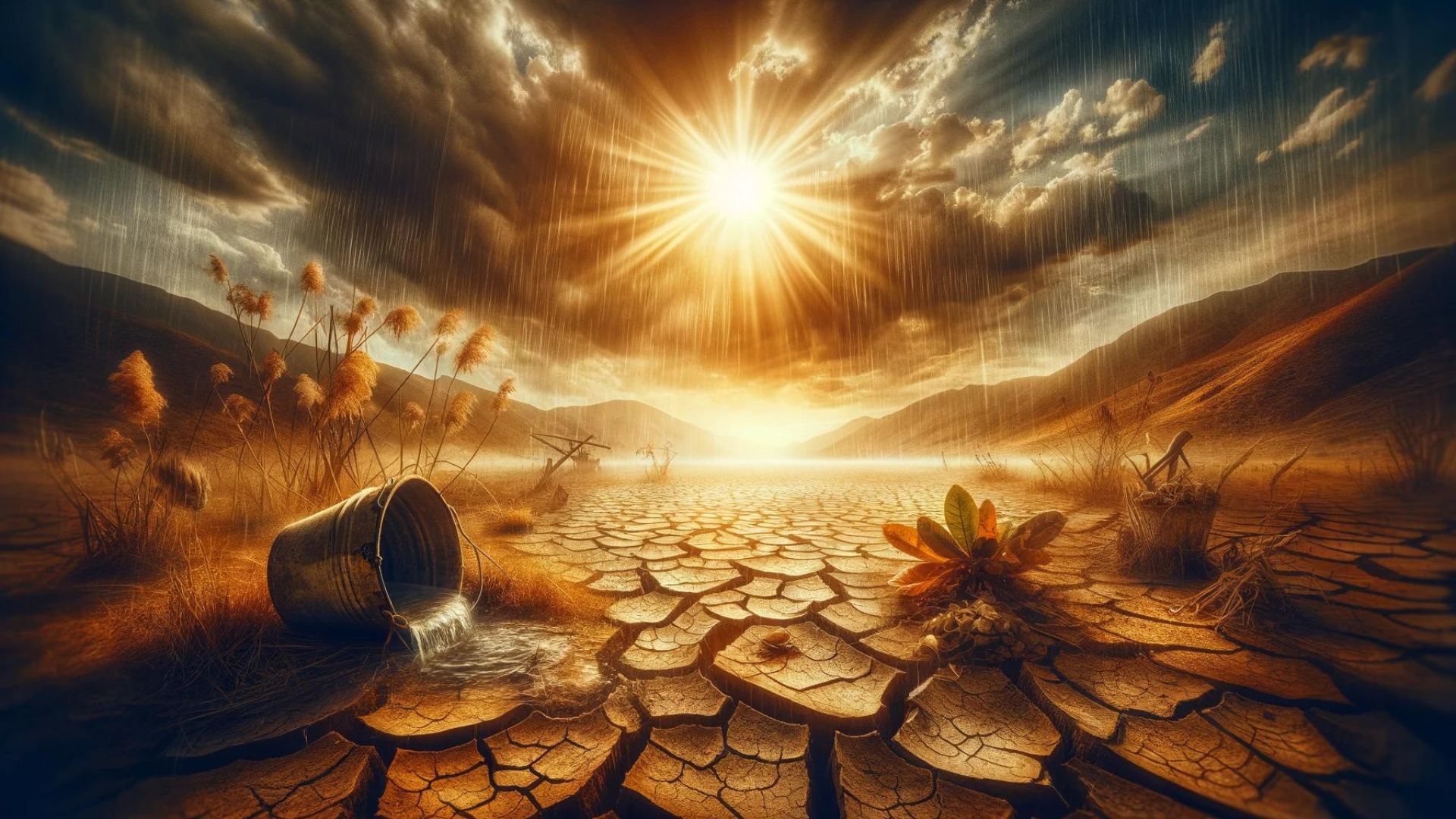
Imagine the world around you at its most vibrant. Green stretches as far as the eye can see, rivers rush, and the air thrums with life. Now, picture that same landscape under a relentless sun. The colors fade to browns and grays. The once-mighty river shrinks to a trickle, leaving parched earth behind. Crops wither, and the vibrant hum turns to an eerie silence. This is the world in the grip of drought.
Droughts aren't just a lack of rain – they're a complex natural disaster, a painful reminder of the delicate balance of our planet. They happen slowly, creeping up on you as the days without rain pile up. Soils dry out, reservoirs deplete, and entire ecosystems start crumbling.
Why Do Droughts Happen?
Understanding what causes a drought is the first step to appreciating their impact. It all boils down to an imbalance:
- Too Little Rain: The most obvious culprit – when precipitation falls far below average for an extended period.
- The Heat Factor: High temperatures speed up evaporation, sucking the moisture from the soil and making even sparse rainfall useless.
- Human Hands: Our actions can tip the scales - deforestation, overconsumption of water, and unsustainable farming worsen droughts.
The Earth's Scars
A drought isn't just an inconvenience; its consequences run deep:
- Thirst and Hunger: The most immediate impact is on drinking water and agriculture. Crops fail, livestock perishes, and entire communities face famine.
- Wildfires Rage: Dry landscapes turn into a tinderbox. One spark can lead to devastating wildfires that consume homes and forests.
- Economic Hardship: Farmers lose livelihoods, businesses shut down, and a drought's toll can ripple through the economy for years to come.
- A World in Motion: Droughts can force mass migrations, as people desperately seek water and food security, potentially fueling conflict.
The Big Picture
Think of Earth like our body. A drought is like a fever, a sign that something's out of whack. Climate change is making droughts more frequent and severe. It's a vicious cycle – hotter temperatures cause more severe droughts, further fueling global warming.
Action Time!
The story of droughts isn't all doom and gloom. Yes, it's a wake-up call, but it's also a call to action:
- Water Wise: Every drop counts. Fix leaky faucets, take shorter showers – small acts add up to a big difference.
- Informed Choices: Support sustainable farming and water conservation policies.
- Community Effort: Get involved in local efforts to restore wetlands and protect watersheds.
- Spread the Word: The more people understand droughts, the greater the collective action to make our Earth resilient.
Imagine a world where communities are prepared for droughts, where water is managed wisely, and where we work in harmony with our planet's rhythms. It's possible, and it starts with each of us. So, let's learn from the parched earth, protect our precious water, and build a future where our planet can thrive.
Why Should You Care?
- Droughts affect us all: They don't just happen in faraway deserts. Even 'wet' regions feel the ripple effects through food prices, economic downturns, and potential conflict.
- Protecting our future: Understanding droughts is crucial for safeguarding our planet's resources and the well-being of generations to come.
- The power of individual action: While the problem is large, our choices matter. Learning about droughts empowers us to be part of the solution.
Key Takeaways
- Droughts are complex: They aren't just a lack of rain, but stem from a web of climatic and human-caused factors.
- Consequences are far-reaching: Droughts go beyond thirst – they can cause hunger, displacement, economic crashes, and even ignite wildfires.
- Climate change is a major driver: Ignoring the link between a warming planet and worsening droughts is dangerous.
- We have a role to play: From water conservation to supporting sustainable policies, our actions help build a more resilient future.
Keywords
- Drought: A prolonged period of abnormally low rainfall, resulting in water shortages.
- Precipitation: Any form of water falling from the atmosphere - rain, snow, hail, etc.
- Evaporation: The process of water turning from liquid to vapor, often sped up by heat.
- Deforestation: Removal of forests, reducing the land's ability to hold moisture and regulate rainfall patterns.
- Watershed: An area of land where all runoff drains into a common river, lake, or ocean. Healthy watersheds are vital for water management.
- Water Conservation: Practices to use water responsibly, minimizing waste.
- Sustainable Farming: Agricultural methods that preserve soil health, water resources, and minimize environmental impact.
- Climate Change: Long-term alterations in temperature and weather patterns, largely driven by human actions like burning fossil fuels.
- Ecosystem: A complex community of living organisms and their physical environment, interconnected and vulnerable to imbalance.
- Resilience: The ability to withstand and recover from challenges like droughts.
Frequently Asked Questions
- Isn't drought just a natural cycle? Yes, but climate change is making them more frequent, intense, and unpredictable.
- Can droughts cause floods? Ironically, yes. Dry, hardened soil can't absorb sudden downpours, leading to flash floods and erosion.
- How do droughts impact cities? Urban areas are heavily reliant on reservoirs and distant water sources, making them vulnerable during prolonged droughts.
Myth Buster
- Myth: Droughts only impact deserts. Reality: Droughts can happen anywhere, given the right mix of low rainfall, high temperatures, and unsustainable water use.
Let's Talk
- Think about your last local drought (even a mild one). What impact did you notice in your community?
- What's one water-saving habit you're willing to commit to?
- Should governments be doing more to prepare for and mitigate droughts? Why or why not?
Let's keep the conversation flowing! Share your perspectives in the comments below!




0 Comments