Did you know the number 1 is the most common first digit in real-world data? Explore Benford’s Law, the counterintuitive mathematical secret that explains this pattern and helps forensic accountants catch fraud.
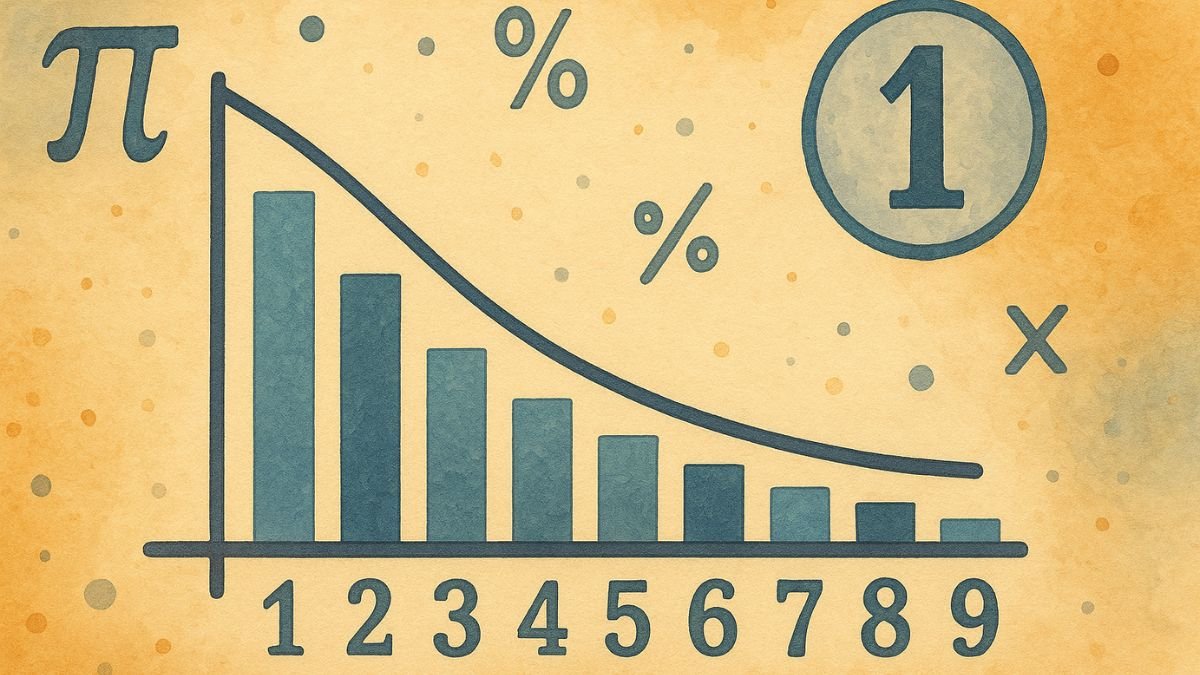

Did you know the number 1 is the most common first digit in real-world data? Explore Benford’s Law, the counterintuitive mathematical secret that explains this pattern and helps forensic accountants catch fraud.
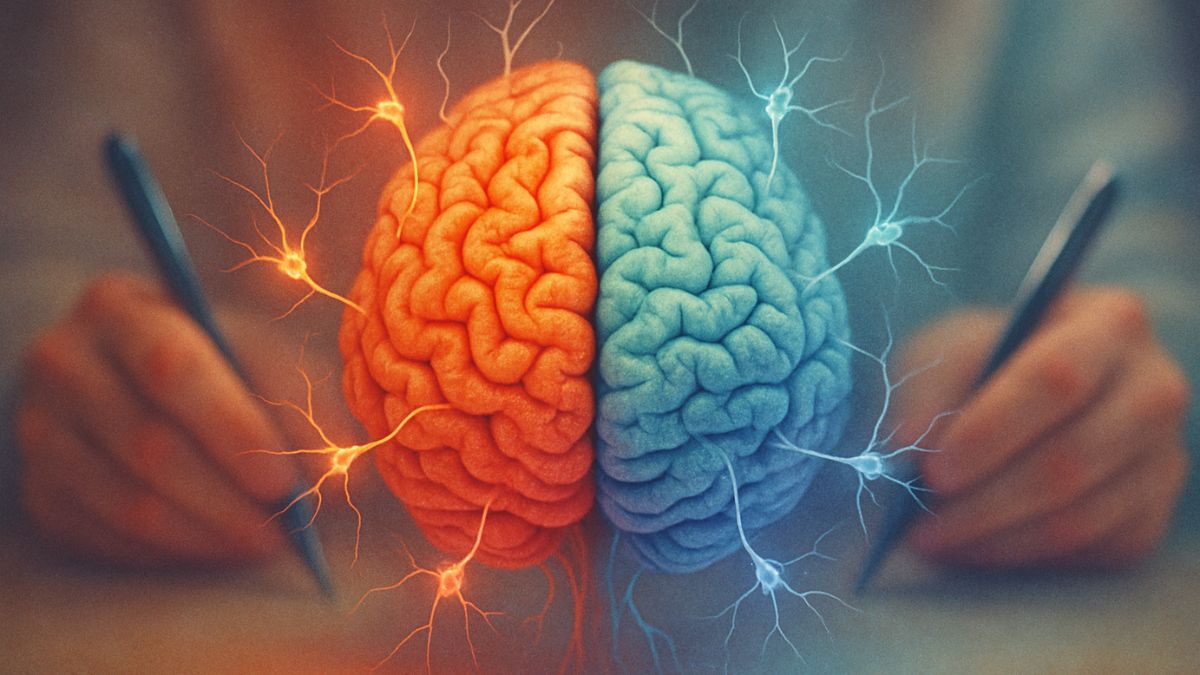
Ever wonder why 90% of people are right-handed? It’s not just chance. We dive into the science of handedness, from your brain’s wiring and your family’s DNA to the surprising moment this preference is set—long before you’re even born.

Discover the dangerous psychological trap of groupthink. Learn why even the smartest groups make disastrous decisions and get actionable strategies to foster critical thinking and courageous dissent.

Did you know the world’s largest waterfall isn’t on land? Discover the Denmark Strait cataract, a colossal underwater cascade with a flow 25 times greater than the Amazon River, and learn why it’s vital for our planet’s climate.
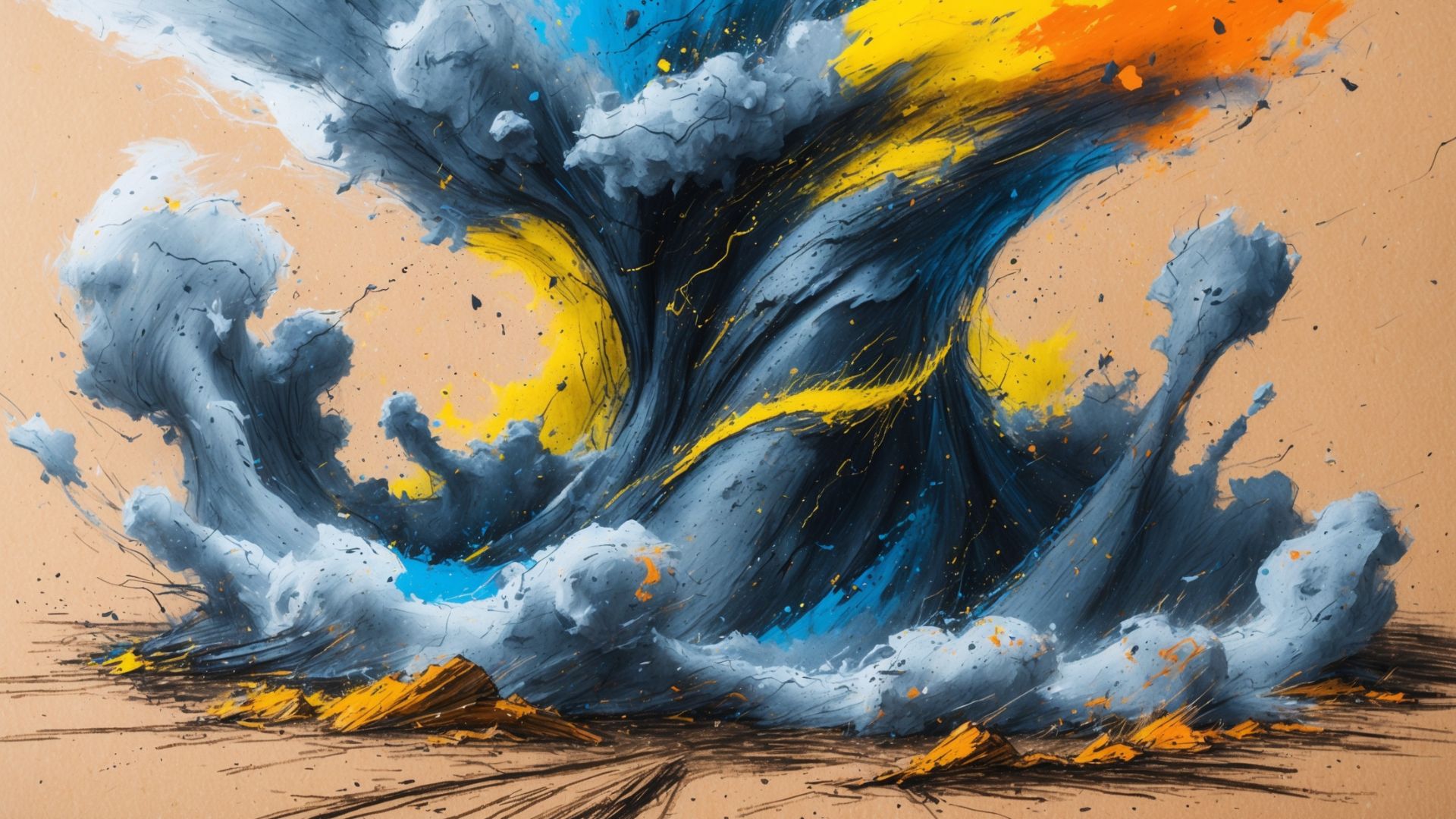
Ever wondered what’s truly inside a tornado? Dive into the terrifying physics, incredible forces, and hidden dangers of these swirling giants. Discover the science behind nature’s most violent vortex.

Explore the fascinating Ship of Theseus paradox: If a ship’s parts are all replaced, is it still the same ship? Delve into questions of identity, change, and what makes something itself.

Discover how sustainable agriculture can nourish our growing population while protecting the planet. Explore key practices like soil health, water conservation, biodiversity, and the role of technology and policy in creating a resilient and equitable food system.

Discover fascinating zoology! Research shows elephants use a specific, unique alarm call rumble to warn each other about humans, distinct from calls for bees or lions. Learn about elephant intelligence & communication.

Explore the fascinating question of why time seems to flow in only one direction. Learn about entropy, the universe’s expansion, and the science behind the arrow of time.

Ever wondered what causes that amazing smell after it rains? Discover the fascinating chemistry and history of petrichor, from its Greek roots to the key compounds involved. Includes quizzes, vocabulary, and discussions!

Some people seem untouched by chaos — not because nothing reaches them, but because something inside them holds. Imperturbable is the word for that quality. And in this episode, we ask whether it’s something you’re born with or something you build.

Time is the most honest critic there is. It doesn’t respond to marketing, or prestige, or the enthusiasm of the moment. What stands the test of time does so because it’s genuinely worth keeping. This episode explores one of the most quietly profound phrases in English: and what it reveals about value, durability, and what actually lasts.

Gossamer is one of English’s most delicate words — for things that are barely there, almost transparent, threaded from light and air. But don’t mistake delicate for weak. In this episode, we find the strength in the almost-invisible.

Some lessons can only be learned in the water. ‘Sink or swim’ is one of the most uncompromising expressions in English: stark, demanding, and surprisingly generous in what it believes about human capability. This episode explores the philosophy hidden in two small words.
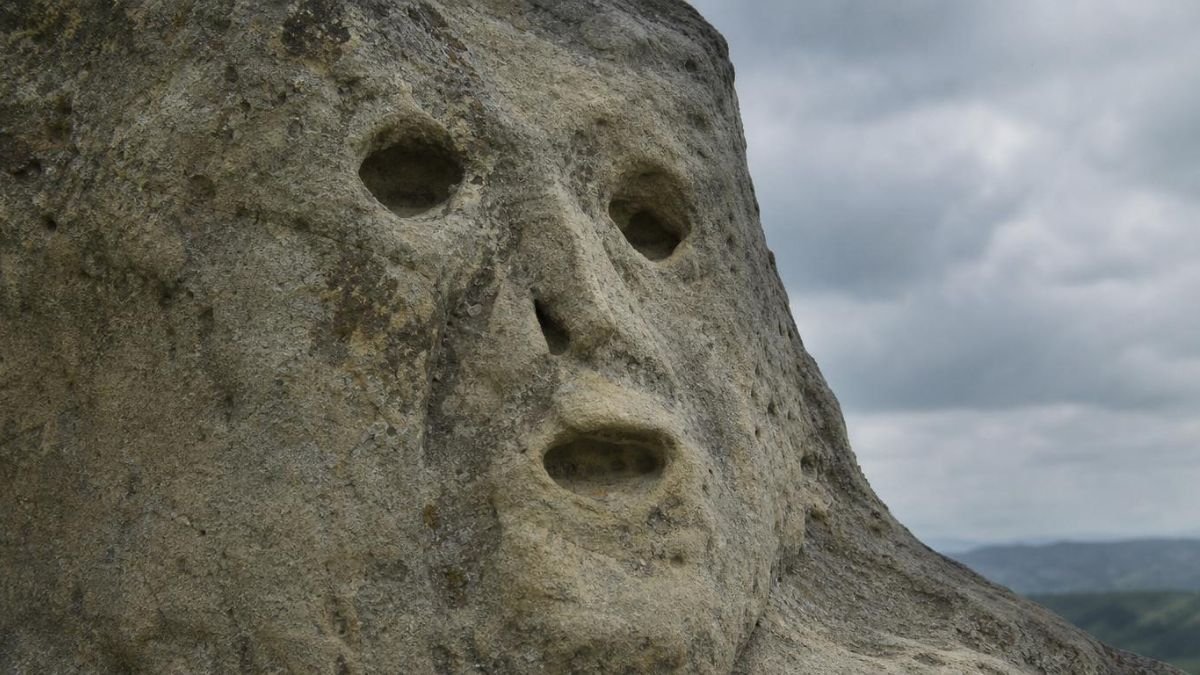
You’ve seen a face in a cloud, a shape in a stain, a pattern in the chaos. That’s not imagination — it’s one of the most deeply human things your brain does. The word for it is pareidolia, and it says something profound about how we’re wired.

We spend enormous amounts of energy on things we hope will eventually give us this. ‘Peace of mind’ is one of the oldest and most sought-after states in human experience: and one of the most misunderstood. This episode explores what it really is, where it actually comes from, and why so many of our strategies for finding it are aimed at the wrong thing.