Your ultimate guide to Pop Art. We answer the most frequently asked questions about Andy Warhol, Roy Lichtenstein, and the movement that turned everyday objects into iconic art. Explore its meaning, techniques, and lasting legacy.


Your ultimate guide to Pop Art. We answer the most frequently asked questions about Andy Warhol, Roy Lichtenstein, and the movement that turned everyday objects into iconic art. Explore its meaning, techniques, and lasting legacy.
Ever felt bewildered by Joyce or Woolf? This FAQ-style guide demystifies Modernist literature, explaining its difficult techniques, core themes of alienation, and why it still matters today.

Explore key questions about the American Civil Rights Movement: its timeline, pivotal figures like MLK Jr. & Rosa Parks, Jim Crow laws, major events, and lasting legacy. Essential history explained.

Curious about your brain? Get answers to FAQs on neuroscience! We cover brain function, debunk the 10% myth & left/right brain personalities, explain neuroplasticity, memory, sleep, and brain health.
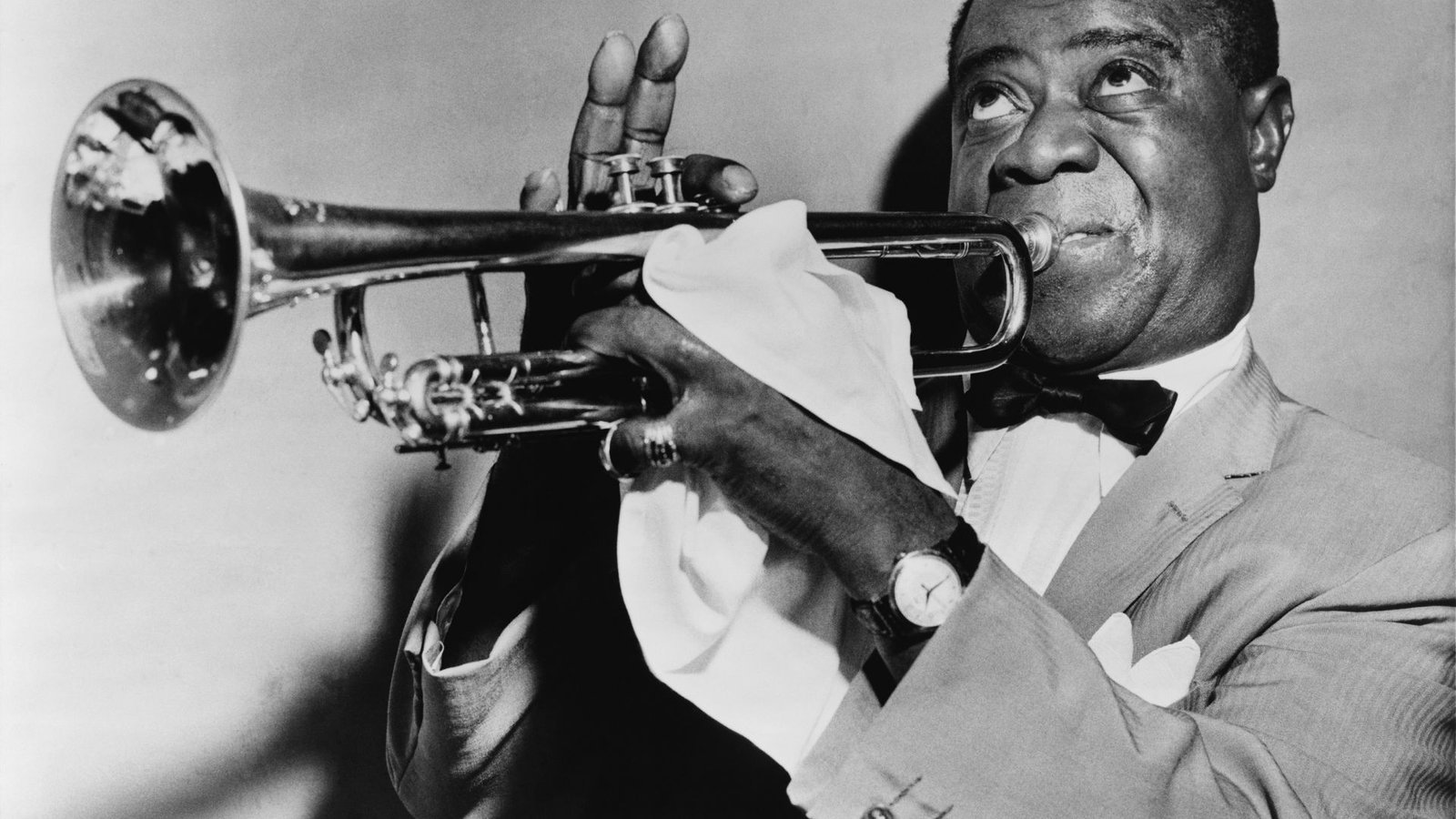
Curious about jazz? From its origins in New Orleans to its impact on modern music, discover what makes jazz unique, why improvisation is key, and how it influences life beyond music. Learn essential jazz vocabulary, dive into real-life applications, and join the conversation!

Explore frequently asked questions about Ancient Egypt, including its fascinating history, iconic pyramids, pharaohs, gods, and the mysteries that captivate us today.

Explore the answers to frequently asked questions about the theory of relativity. Learn its concepts, significance, and practical examples in simple and clear terms.
Explore frequently asked questions about multiculturalism, including its benefits, challenges, and impact on society. Get clear answers to better understand this essential topic.

Discover answers to frequently asked questions about surrealism. Learn about the movement’s history, techniques, famous artists, and its influence on art and culture.

Discover answers to frequently asked questions about magical realism in literature. Learn what defines this genre, its origins, key characteristics, and famous examples.

Some people seem untouched by chaos — not because nothing reaches them, but because something inside them holds. Imperturbable is the word for that quality. And in this episode, we ask whether it’s something you’re born with or something you build.

Time is the most honest critic there is. It doesn’t respond to marketing, or prestige, or the enthusiasm of the moment. What stands the test of time does so because it’s genuinely worth keeping. This episode explores one of the most quietly profound phrases in English: and what it reveals about value, durability, and what actually lasts.

Gossamer is one of English’s most delicate words — for things that are barely there, almost transparent, threaded from light and air. But don’t mistake delicate for weak. In this episode, we find the strength in the almost-invisible.

Some lessons can only be learned in the water. ‘Sink or swim’ is one of the most uncompromising expressions in English: stark, demanding, and surprisingly generous in what it believes about human capability. This episode explores the philosophy hidden in two small words.
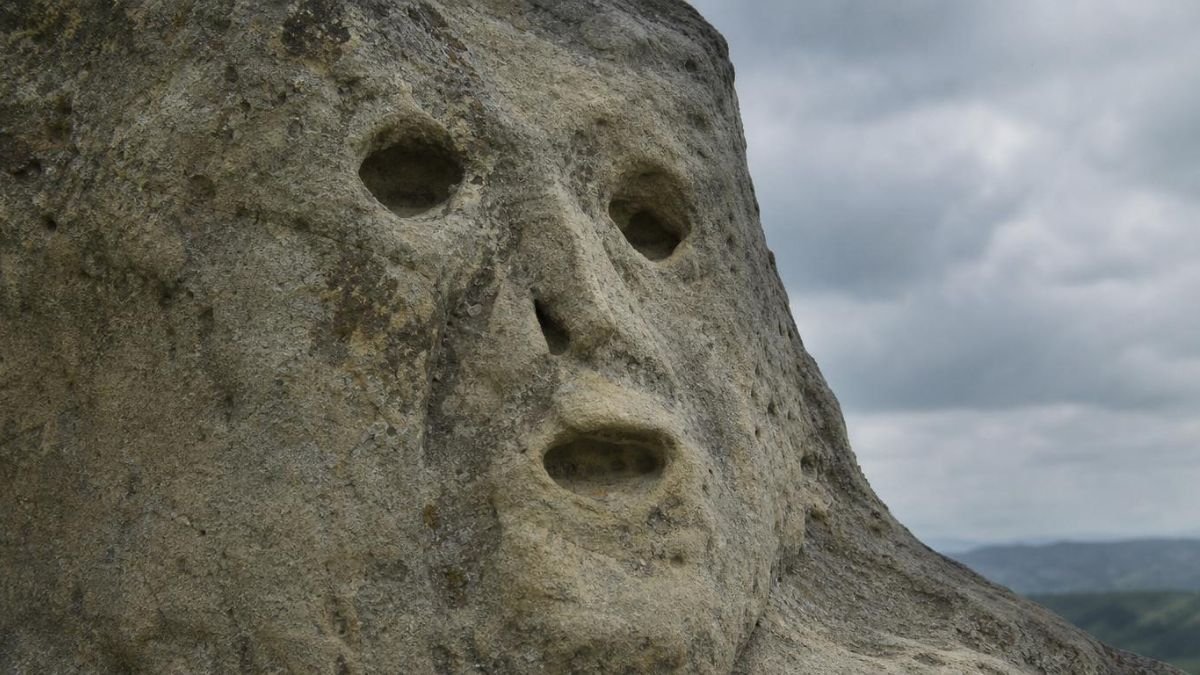
You’ve seen a face in a cloud, a shape in a stain, a pattern in the chaos. That’s not imagination — it’s one of the most deeply human things your brain does. The word for it is pareidolia, and it says something profound about how we’re wired.

We spend enormous amounts of energy on things we hope will eventually give us this. ‘Peace of mind’ is one of the oldest and most sought-after states in human experience: and one of the most misunderstood. This episode explores what it really is, where it actually comes from, and why so many of our strategies for finding it are aimed at the wrong thing.