Discover the themes, impact, and enduring legacy of The Bell Jar by Sylvia Plath, a powerful exploration of mental health, identity, and societal pressures.


Discover the themes, impact, and enduring legacy of The Bell Jar by Sylvia Plath, a powerful exploration of mental health, identity, and societal pressures.
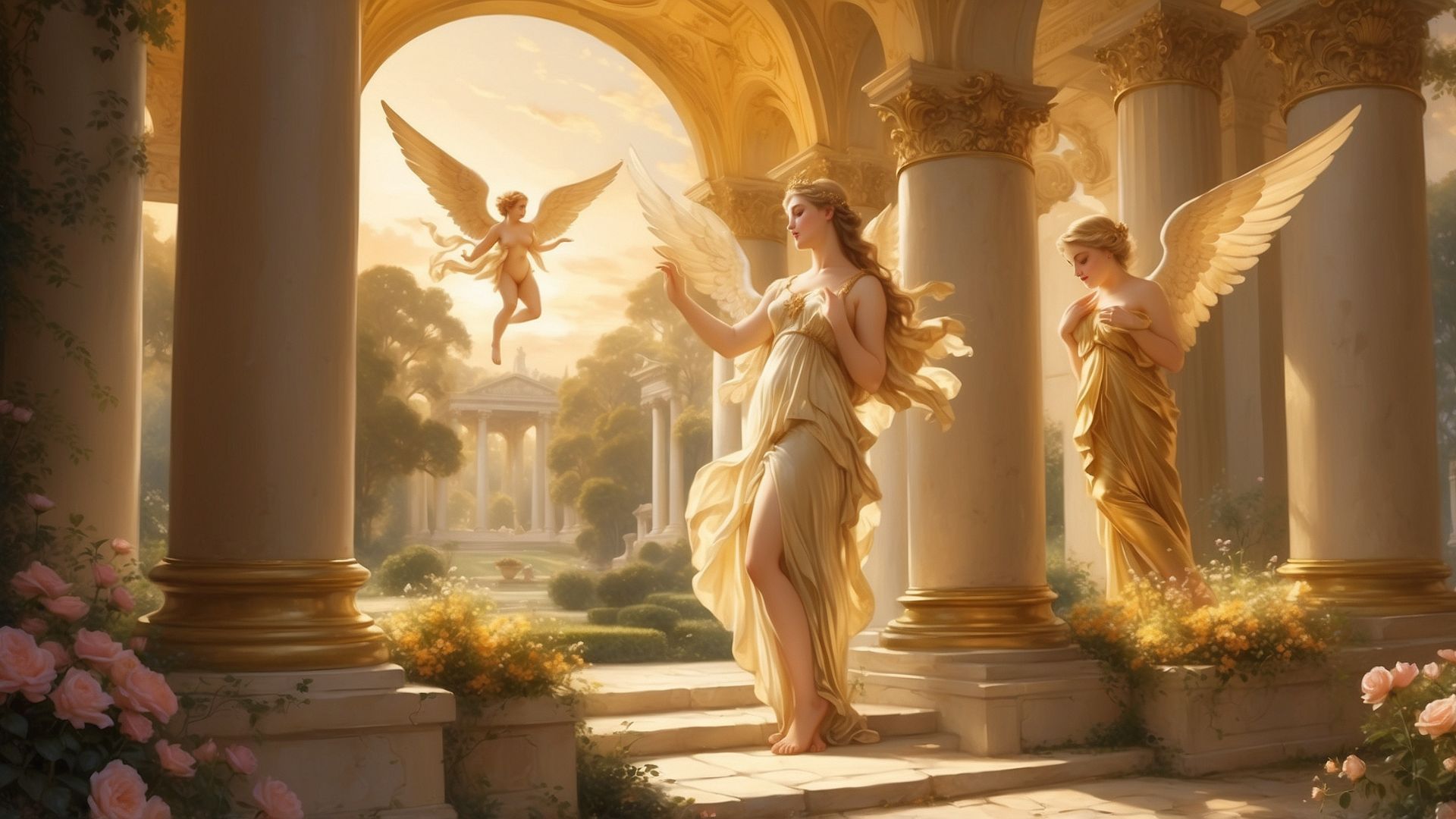
Discover the Roman myth of Cupid and Psyche, a tale of love, betrayal, and redemption. Explore its themes, symbolism, and enduring legacy in mythology.

Explore Narcissus and Goldmund by Hermann Hesse, a timeless story of friendship, philosophy, and the clash between intellectual and sensual pursuits.

Discover the haunting tale of the Flying Dutchman, a legendary ghost ship of maritime folklore. Learn about its origins, myths, and cultural impact.

Discover the lasting significance of Harper Lee’s To Kill a Mockingbird, exploring its themes, characters, and cultural impact in American literature.
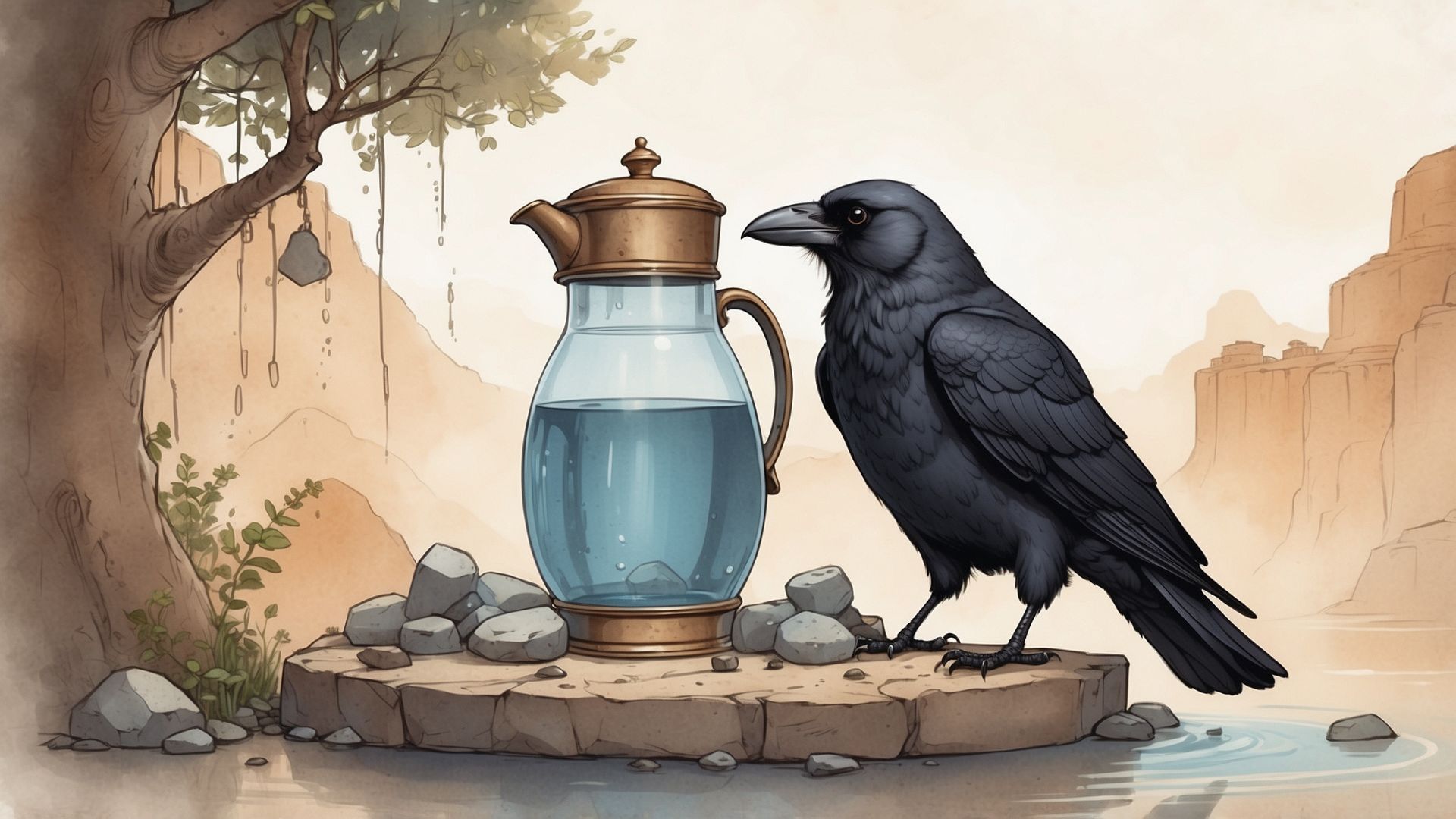
Discover the timeless Greek fable “The Crow and the Pitcher” from Aesop’s Fables, a story about problem-solving and clever thinking. Learn about its origin, meaning, and lasting impact.

Discover the rich themes, legacy, and impact of Toni Morrison’s Song of Solomon. Learn about this celebrated novel’s exploration of identity, family, and heritage.

Discover the Japanese myth of Amaterasu and the Cave, where the sun goddess hid away, casting the world into darkness. Learn how this tale reflects themes of light, unity, and renewal in Japanese culture.

Discover the enduring charm of The Makioka Sisters by Junichiro Tanizaki. Explore how this classic novel captures the tension between tradition and modernity in pre-war Japan.

Discover the legend of Atlantis, the lost city described by Plato. Explore the origins of the myth, theories about its location, and its enduring influence on culture.

Austere sounds like a punishment. But there’s a philosophy hidden in it — one that argues simplicity isn’t deprivation, it’s clarity. In this episode, we make the case for austerity as a chosen quality, not an imposed one.

Most of us learned to pay back. ‘Pay it forward’ asks something different — and more interesting. This episode explores one of the most quietly revolutionary expressions in modern English, and the profound ripple effect of choosing to pass good things on rather than just returning them.

Some topics clear a room. Some words start arguments before you’ve finished the sentence. Contentious is the word for that quality of friction — and in this episode, we ask why the things we fight about most might be the things that matter most.

Before the idea, there was nothing. Before the solution, there was a problem with no answer. Before the thing existed, it didn’t exist. ‘Out of thin air’ is the expression for that act of creation — and this episode explores the real magic and real work hidden behind what looks like pure spontaneous invention.

Flout is one of English’s most satisfying verbs — there’s something almost gleeful in it. It’s not just breaking a rule; it’s breaking it conspicuously, with confidence, in front of everyone. In this episode, we ask when flouting is an act of courage and when it’s just a bad idea.

There’s a version of you that just flows — where effort feels effortless, where time disappears, where you are so aligned with what you’re doing that the doing and the being become the same thing. This episode explores the ancient idea behind ‘being in your element’ and why finding yours might be the most important search there is.