Discover how the concept of time is explored in literature, from linear narratives to fragmented timelines, and its impact on storytelling and readers’ perceptions.


Discover how the concept of time is explored in literature, from linear narratives to fragmented timelines, and its impact on storytelling and readers’ perceptions.

Explore the role of literary criticism in understanding texts. Learn how critical analysis deepens appreciation, reveals hidden meanings, and connects literature to broader contexts.
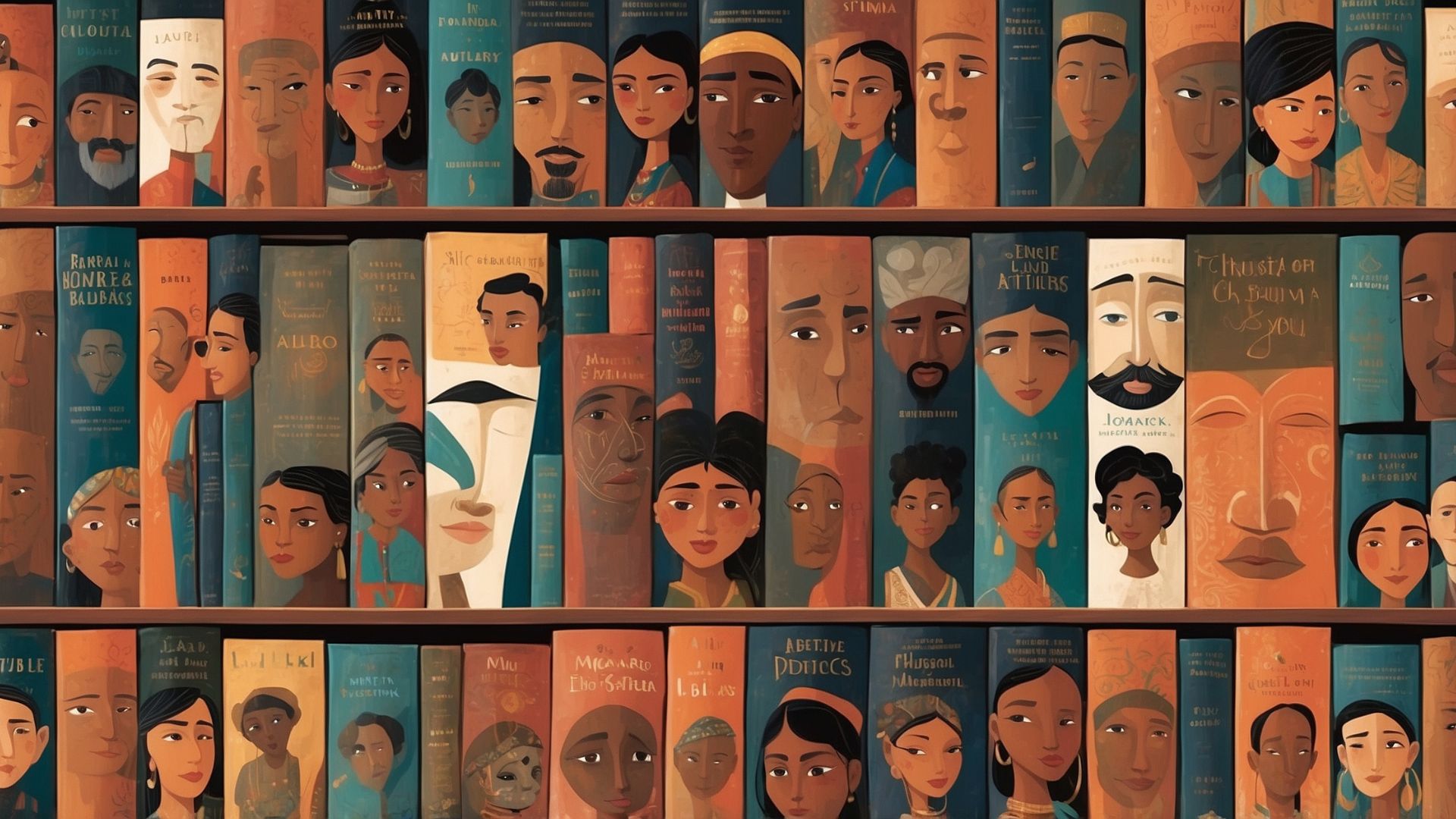
Explore how postcolonial literature shapes cultural identity, shedding light on its impact in reclaiming narratives and fostering a deeper understanding of diverse cultural backgrounds.

Explore the captivating art of storytelling in oral traditions and folklore. Discover how tales passed down through generations preserve culture, values, and shared human experience.

Discover thought-provoking literary works that delve into the meaning of existence. Explore novels, plays, and poetry that grapple with life’s biggest questions.

Discover how the concept of morality shapes literature. Explore the role of ethical dilemmas, character choices, and philosophical questions in storytelling across genres and time periods.

Dive into Isabel Allende’s The House of the Spirits, a timeless tale of family, politics, and magical realism. Discover why this novel remains one of the most celebrated works of literature.
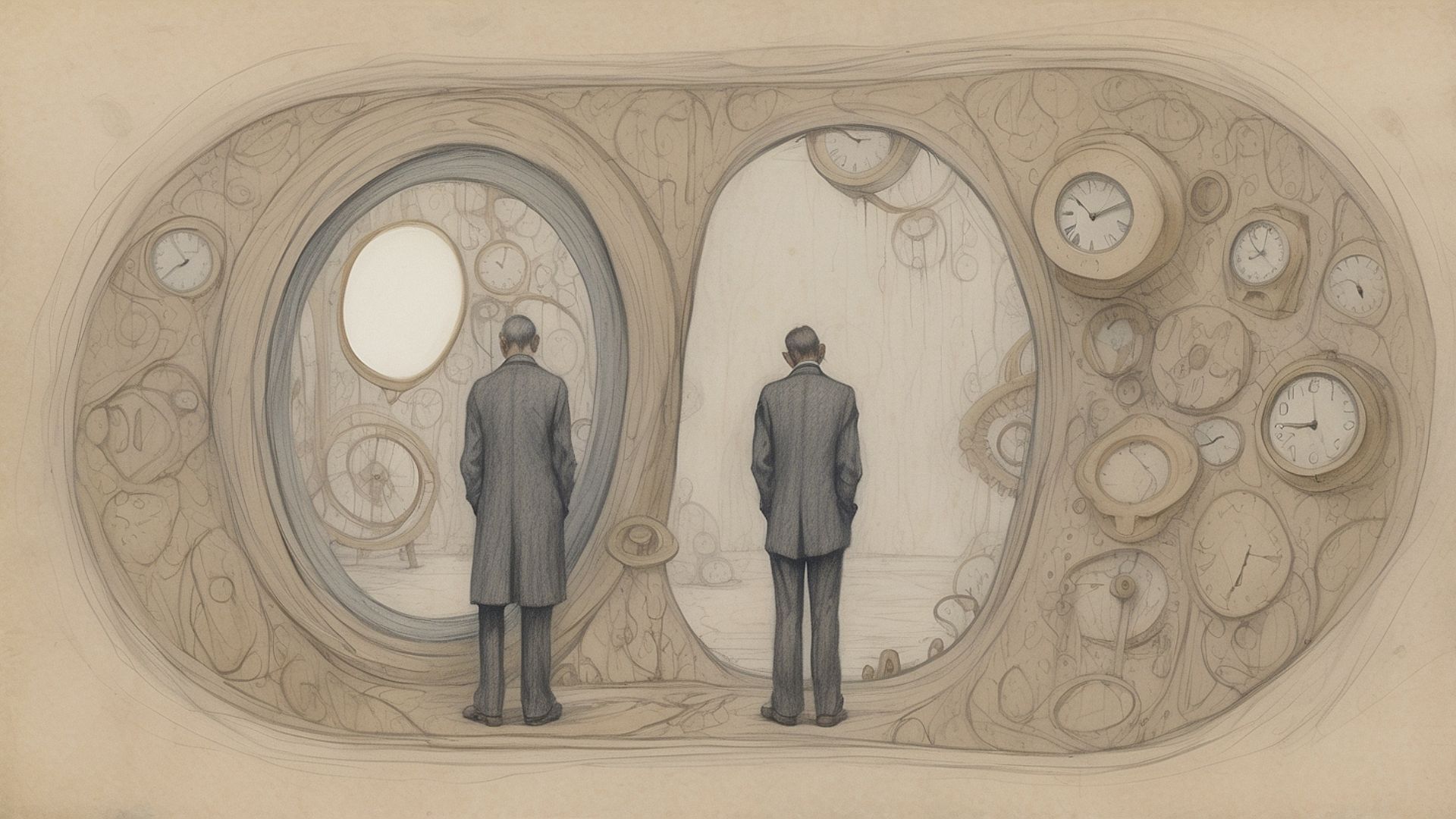
Dive into Jean-Paul Sartre’s Nausea, a foundational existentialist novel that explores the human experience of meaninglessness and existence. Discover the core themes and impact of this literary masterpiece.

Discover how gender representation in literature has evolved over time, shaping cultural norms and influencing identity. Explore key themes and examples from classic and modern works.

Explore Oscar Wilde’s classic novel, The Picture of Dorian Gray. Delve into themes of beauty, morality, and the consequences of living a life without accountability.

Some people seem untouched by chaos — not because nothing reaches them, but because something inside them holds. Imperturbable is the word for that quality. And in this episode, we ask whether it’s something you’re born with or something you build.

Time is the most honest critic there is. It doesn’t respond to marketing, or prestige, or the enthusiasm of the moment. What stands the test of time does so because it’s genuinely worth keeping. This episode explores one of the most quietly profound phrases in English: and what it reveals about value, durability, and what actually lasts.

Gossamer is one of English’s most delicate words — for things that are barely there, almost transparent, threaded from light and air. But don’t mistake delicate for weak. In this episode, we find the strength in the almost-invisible.

Some lessons can only be learned in the water. ‘Sink or swim’ is one of the most uncompromising expressions in English: stark, demanding, and surprisingly generous in what it believes about human capability. This episode explores the philosophy hidden in two small words.

You’ve seen a face in a cloud, a shape in a stain, a pattern in the chaos. That’s not imagination — it’s one of the most deeply human things your brain does. The word for it is pareidolia, and it says something profound about how we’re wired.

We spend enormous amounts of energy on things we hope will eventually give us this. ‘Peace of mind’ is one of the oldest and most sought-after states in human experience: and one of the most misunderstood. This episode explores what it really is, where it actually comes from, and why so many of our strategies for finding it are aimed at the wrong thing.