Why does ice float? It defies the laws of physics that apply to almost everything else. We dive into the density anomaly of water to reveal how a simple ice cube is actually a molecular miracle keeping life alive.


Why does ice float? It defies the laws of physics that apply to almost everything else. We dive into the density anomaly of water to reveal how a simple ice cube is actually a molecular miracle keeping life alive.
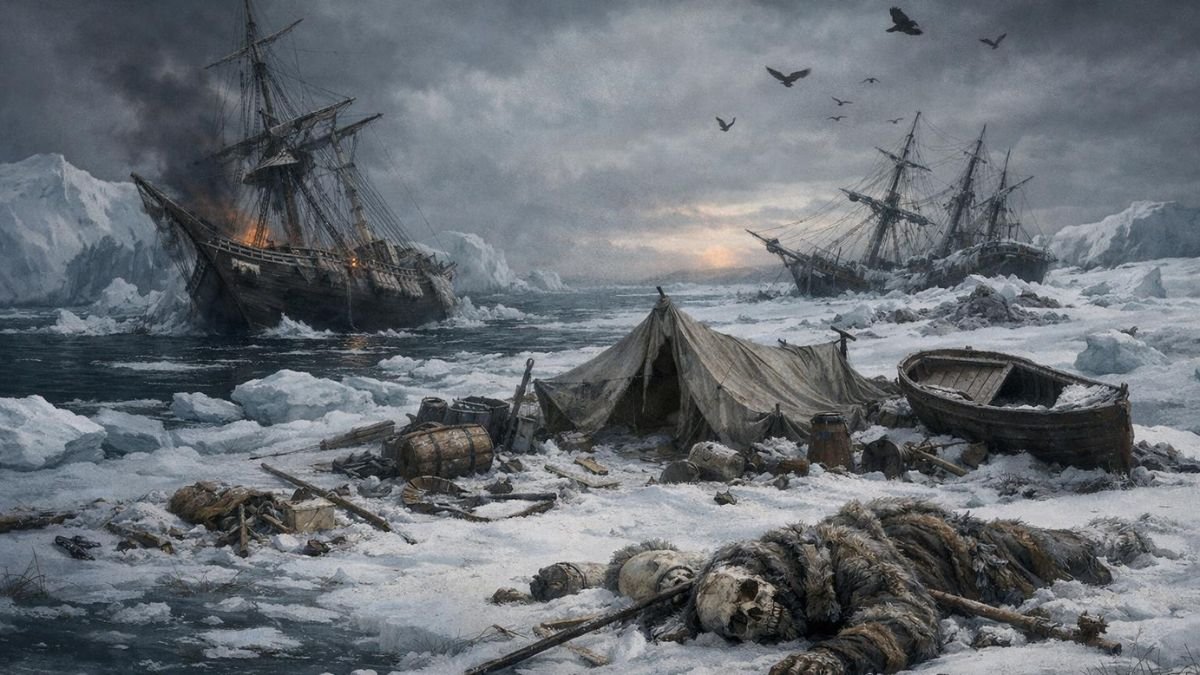
What really happened to the Franklin Expedition? We journey into the icy heart of the Arctic to unravel the fate of HMS Erebus and Terror, a tale of ambition, madness, and the terrifying power of nature.

Explore the fascinating world of mimicry, where nature’s greatest con artists use deception to survive. From harmless flies posing as deadly wasps to octopuses vanishing in plain sight, discover the science behind these evolutionary illusions.
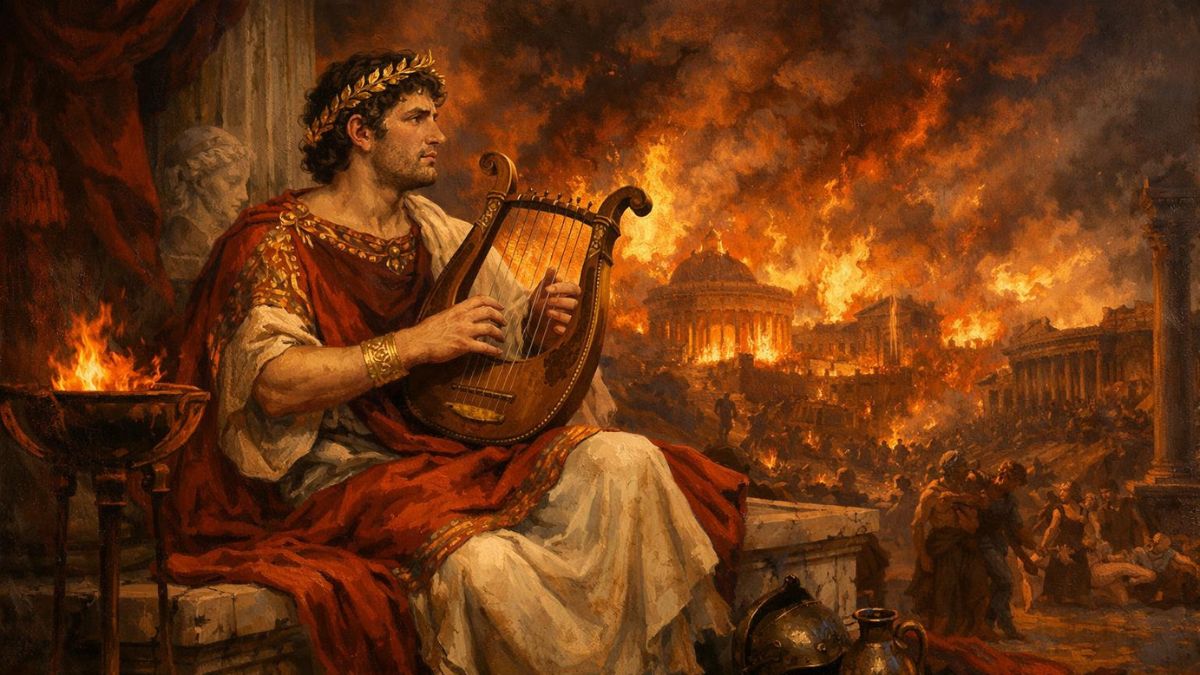
Did Nero really play music while Rome burned to ash? We dig into the historical evidence to separate fact from fiction and discover why this ancient rumor still shapes our view of power and truth today.

Can suffering actually be good for you? We explore the uncomfortable truth that pain, while unpleasant, is often the secret ingredient for wisdom, resilience, and a truly meaningful life.
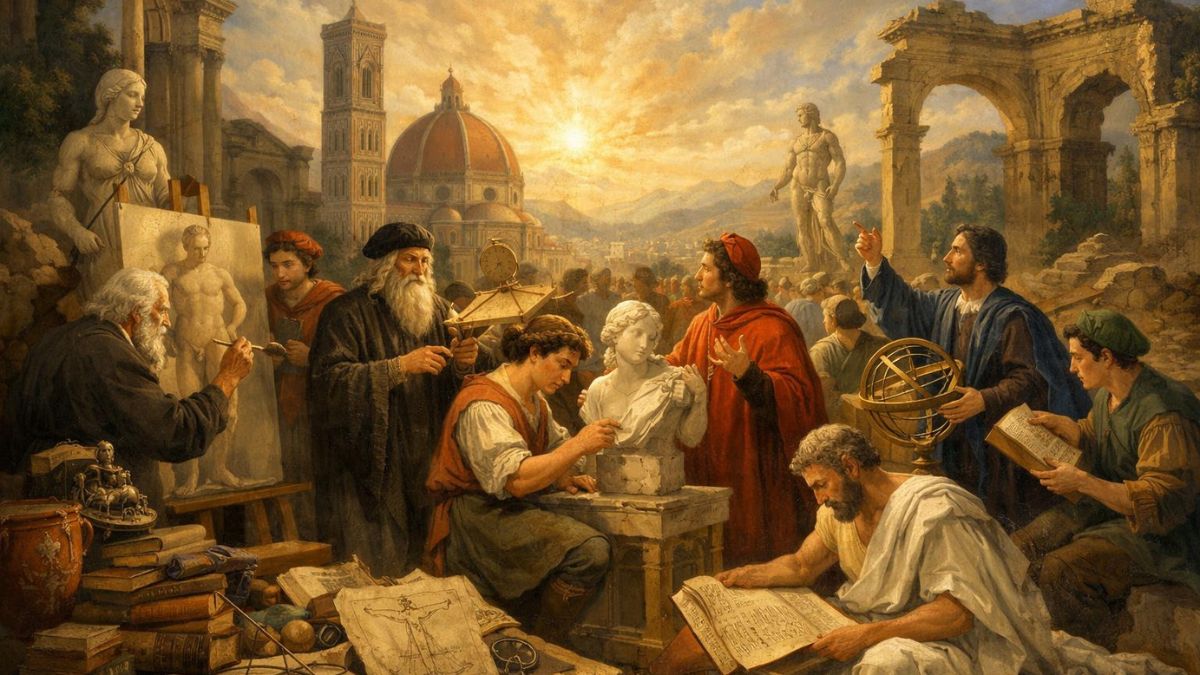
Dive into the Renaissance, the explosive era that bridged the medieval and modern worlds, transforming art, science, and the very essence of human potential.

Discover the chaotic allure of Tezcatlipoca, the Aztec god of destiny and sorcery. We dive into the myths of the Smoking Mirror to uncover ancient wisdom about fate, duality, and the unpredictable nature of life.

Explore the complex issue of foreign land acquisition. This advanced listening practice (IELTS/TOEFL) examines ‘land grabbing’ and contrasts it with solutions like community ownership and legal frameworks.
An advanced listening practice (IELTS/TOEFL) analyzing the 1953 Iranian coup (Operation Ajax). Understand the “how and why” behind Mossadegh’s overthrow and its long-term impact.

An advanced listening practice (IELTS/TOEFL) exploring the “brain drain” phenomenon and the modern solutions, like remote work and “brain circulation,” that are changing global talent flow.

Some people seem untouched by chaos — not because nothing reaches them, but because something inside them holds. Imperturbable is the word for that quality. And in this episode, we ask whether it’s something you’re born with or something you build.

Time is the most honest critic there is. It doesn’t respond to marketing, or prestige, or the enthusiasm of the moment. What stands the test of time does so because it’s genuinely worth keeping. This episode explores one of the most quietly profound phrases in English: and what it reveals about value, durability, and what actually lasts.

Gossamer is one of English’s most delicate words — for things that are barely there, almost transparent, threaded from light and air. But don’t mistake delicate for weak. In this episode, we find the strength in the almost-invisible.

Some lessons can only be learned in the water. ‘Sink or swim’ is one of the most uncompromising expressions in English: stark, demanding, and surprisingly generous in what it believes about human capability. This episode explores the philosophy hidden in two small words.
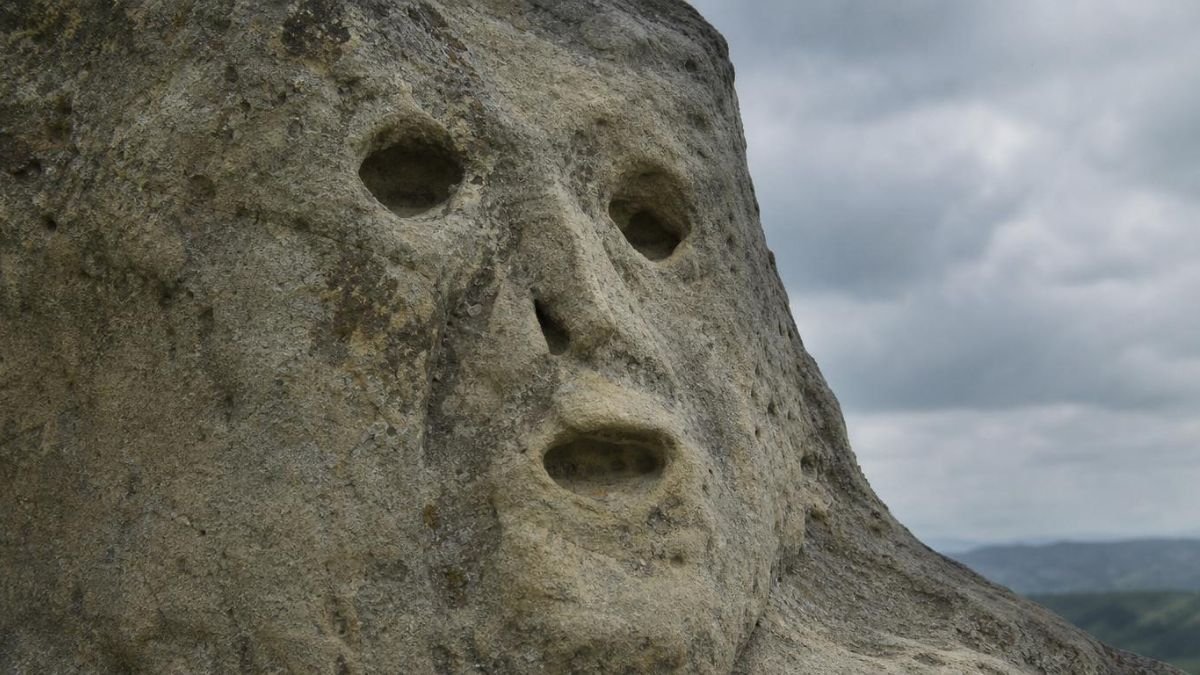
You’ve seen a face in a cloud, a shape in a stain, a pattern in the chaos. That’s not imagination — it’s one of the most deeply human things your brain does. The word for it is pareidolia, and it says something profound about how we’re wired.

We spend enormous amounts of energy on things we hope will eventually give us this. ‘Peace of mind’ is one of the oldest and most sought-after states in human experience: and one of the most misunderstood. This episode explores what it really is, where it actually comes from, and why so many of our strategies for finding it are aimed at the wrong thing.