We debunk the dangerous myth that lightning never strikes water. Explore the electrifying science of how and why lightning is attracted to lakes and oceans, and learn the life-saving facts you need to know to stay safe during a storm.
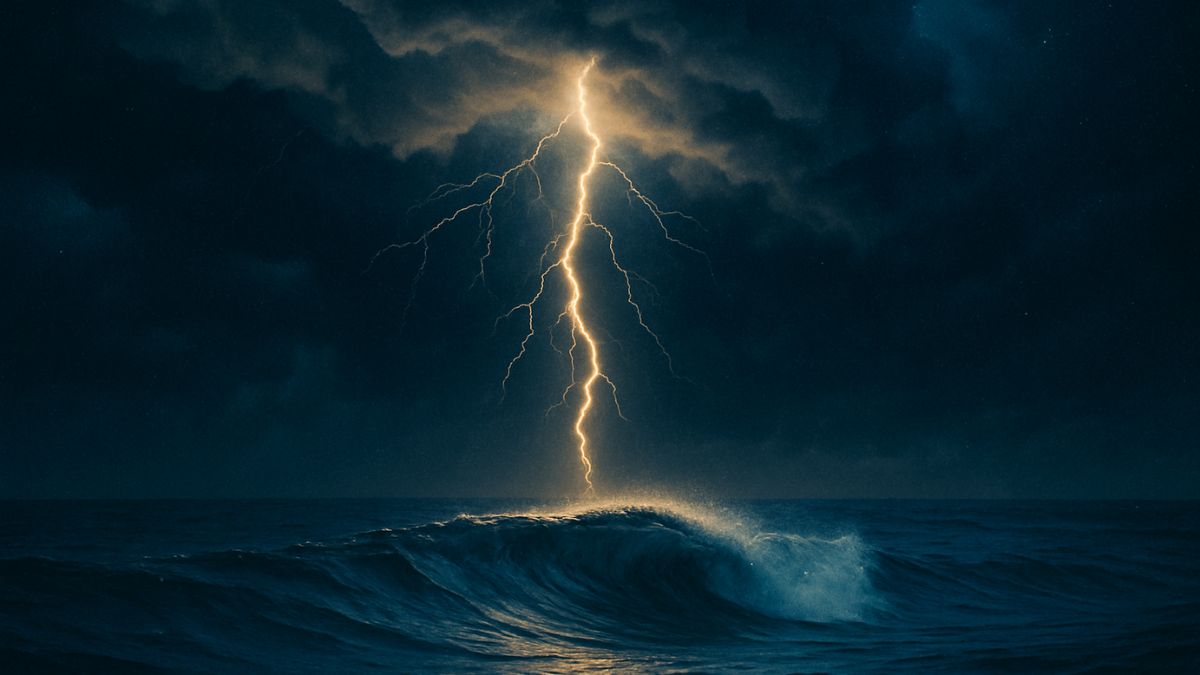

We debunk the dangerous myth that lightning never strikes water. Explore the electrifying science of how and why lightning is attracted to lakes and oceans, and learn the life-saving facts you need to know to stay safe during a storm.

Dive into the surprising truth about chemicals. This in-depth article debunks the myth that “all chemicals are harmful,” exploring the science of toxicology, the “natural vs. synthetic” fallacy, and how to develop chemical literacy.

Uncover the truth about the age-old belief: “You lose most body heat through your head.” We dive into the science, debunk the myth, and explain why wearing a hat is still a good idea. Get the facts!
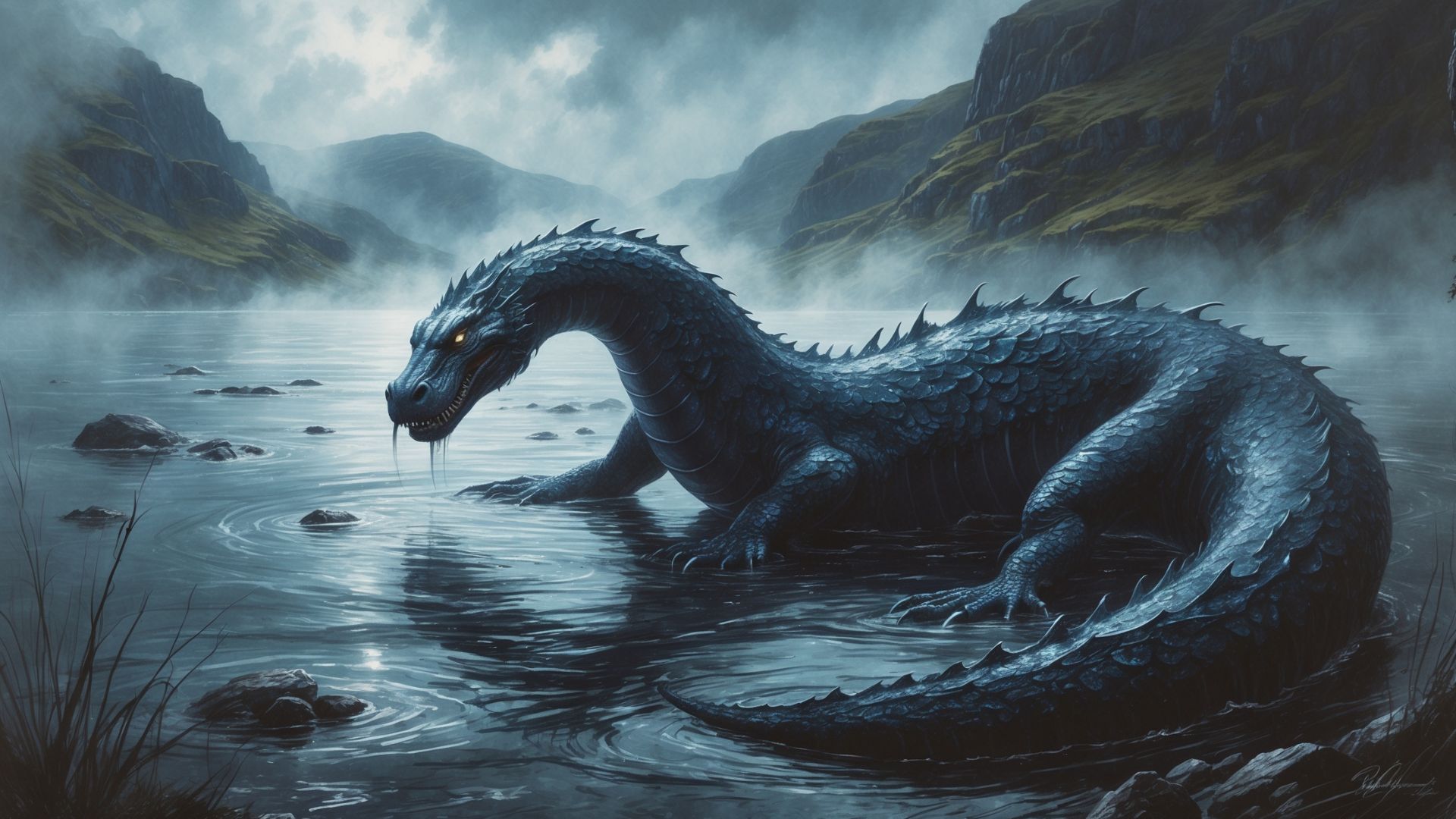
Is the Loch Ness Monster real? Explore the evidence, famous hoaxes like the Surgeon’s Photo, scientific studies (sonar, eDNA), and the psychology behind the enduring legend of Nessie. Fact or fiction – unravel the mystery.
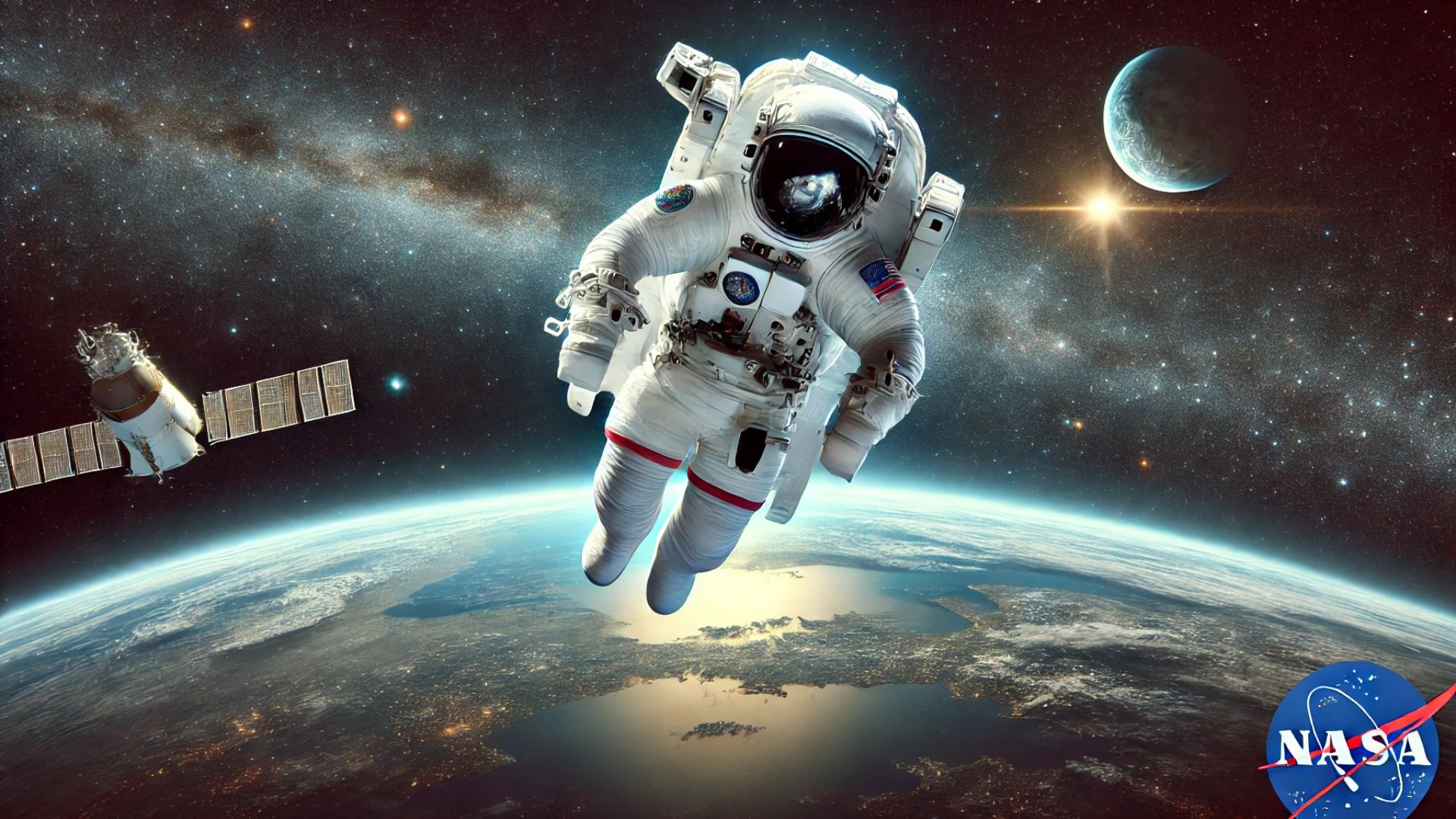
Explore the truth behind the common misconception that astronauts float because there is no gravity. This comprehensive article delves into free-fall, microgravity, and orbital mechanics to reveal the real reasons behind weightlessness in space, along with quizzes, discussions, and vocabulary activities.

Do hair and nails keep growing after death, or is it just a chilling myth? Discover the science behind this eerie belief and uncover the truth about what really happens to the body after death.
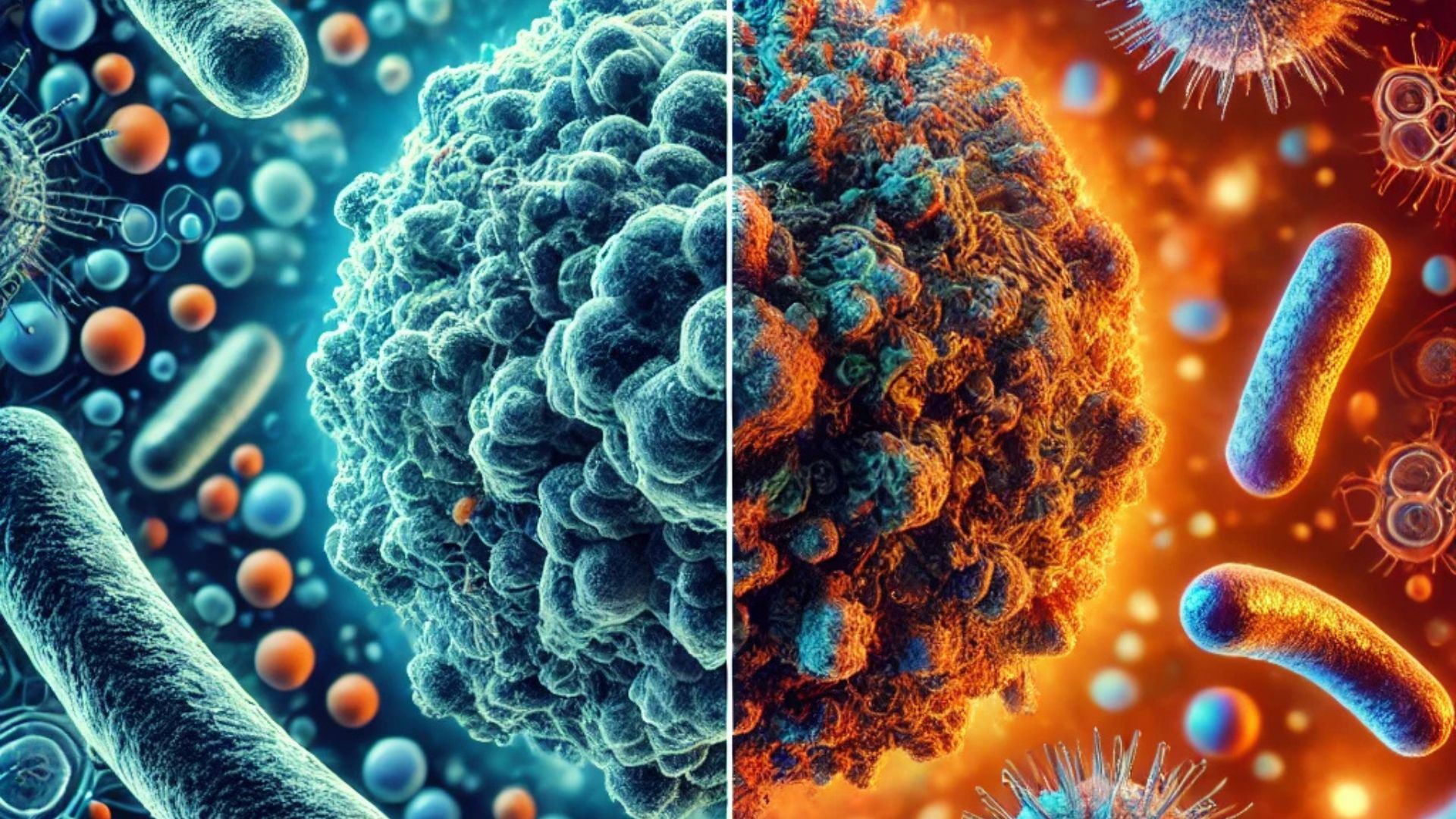
Discover the truth behind the statement “Bacteria are always harmful.” Learn about the essential roles beneficial bacteria play in our health, environment, and industry.

Uncover the truth about glass. Is it a slow-moving liquid or a solid? Explore the science behind this fascinating debate and find out the real nature of glass.

Discover the truth about the popular belief that ostriches bury their heads in the sand. Uncover the science and behaviors behind this fascinating bird in our fact-or-fiction breakdown.

Discover the mystery behind the Great Sphinx of Giza and whether it truly bears the face of an ancient Egyptian pharaoh. Explore fascinating theories and historical insights surrounding this ancient monument.

Some people seem untouched by chaos — not because nothing reaches them, but because something inside them holds. Imperturbable is the word for that quality. And in this episode, we ask whether it’s something you’re born with or something you build.

Time is the most honest critic there is. It doesn’t respond to marketing, or prestige, or the enthusiasm of the moment. What stands the test of time does so because it’s genuinely worth keeping. This episode explores one of the most quietly profound phrases in English: and what it reveals about value, durability, and what actually lasts.

Gossamer is one of English’s most delicate words — for things that are barely there, almost transparent, threaded from light and air. But don’t mistake delicate for weak. In this episode, we find the strength in the almost-invisible.
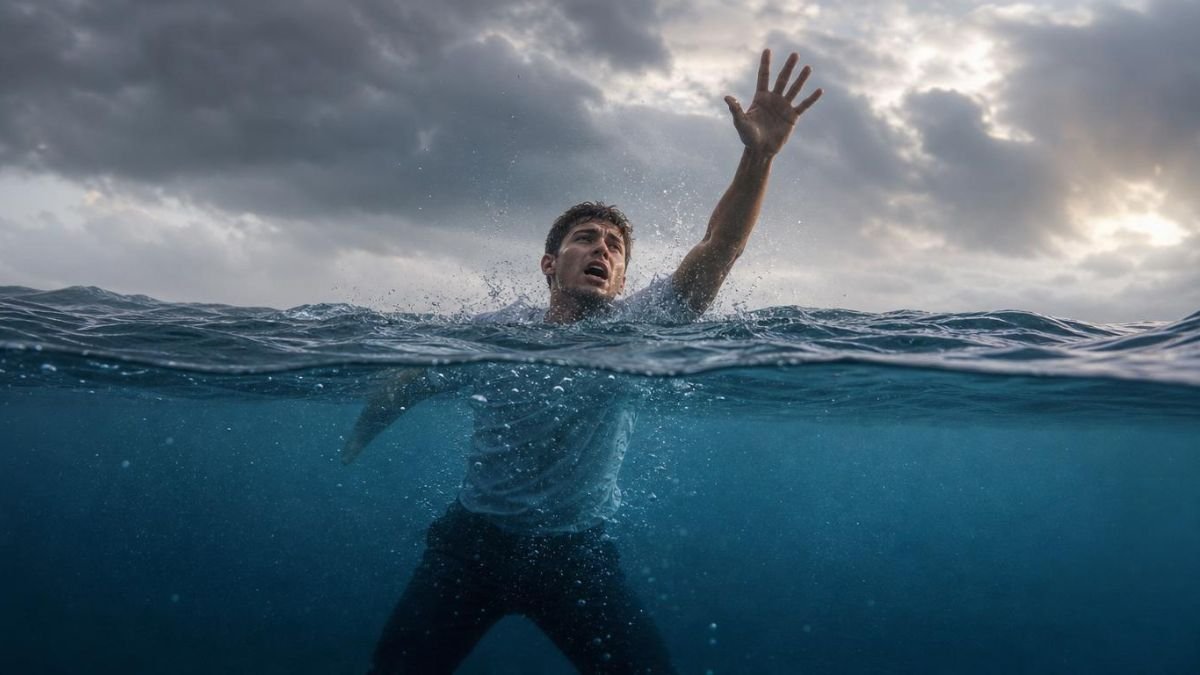
Some lessons can only be learned in the water. ‘Sink or swim’ is one of the most uncompromising expressions in English: stark, demanding, and surprisingly generous in what it believes about human capability. This episode explores the philosophy hidden in two small words.
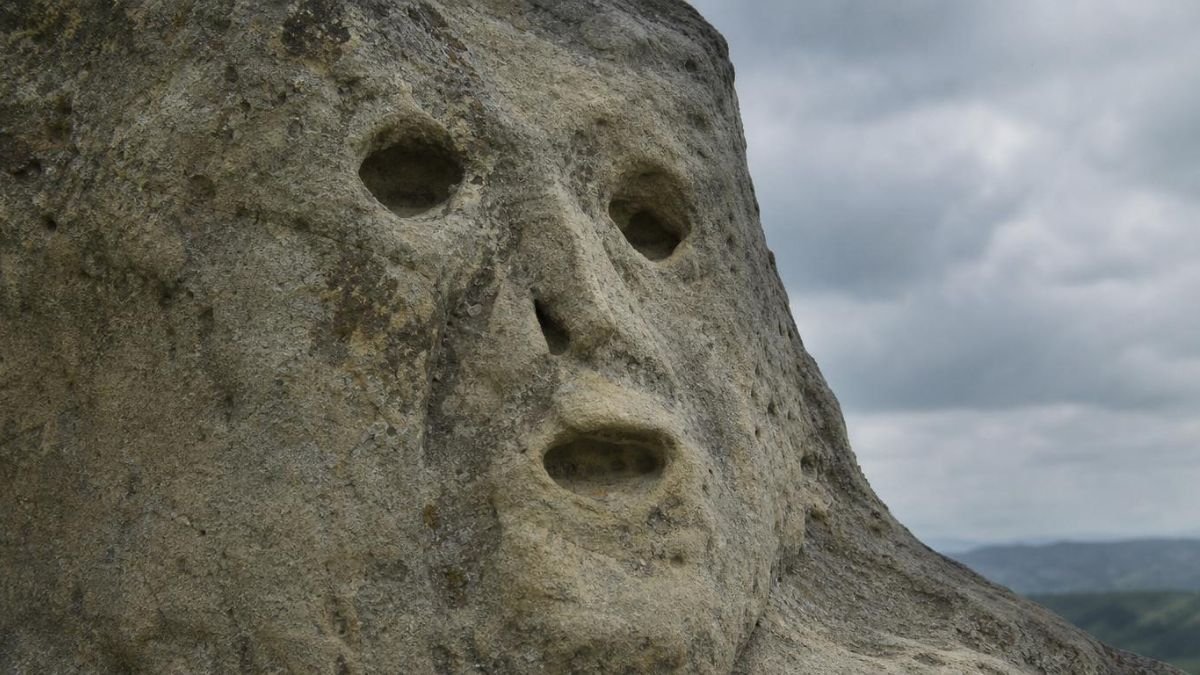
You’ve seen a face in a cloud, a shape in a stain, a pattern in the chaos. That’s not imagination — it’s one of the most deeply human things your brain does. The word for it is pareidolia, and it says something profound about how we’re wired.

We spend enormous amounts of energy on things we hope will eventually give us this. ‘Peace of mind’ is one of the oldest and most sought-after states in human experience: and one of the most misunderstood. This episode explores what it really is, where it actually comes from, and why so many of our strategies for finding it are aimed at the wrong thing.