Explore a thought-provoking look at how society would change if we didn’t have to work. Discover the potential social, economic, and cultural impacts of a world without traditional labor.


Explore a thought-provoking look at how society would change if we didn’t have to work. Discover the potential social, economic, and cultural impacts of a world without traditional labor.

Explore the meaning of being a “good person” through the lenses of morality, ethics, and personal values. Discover the complexities of defining goodness in today’s world and how we can strive to live more meaningful lives.
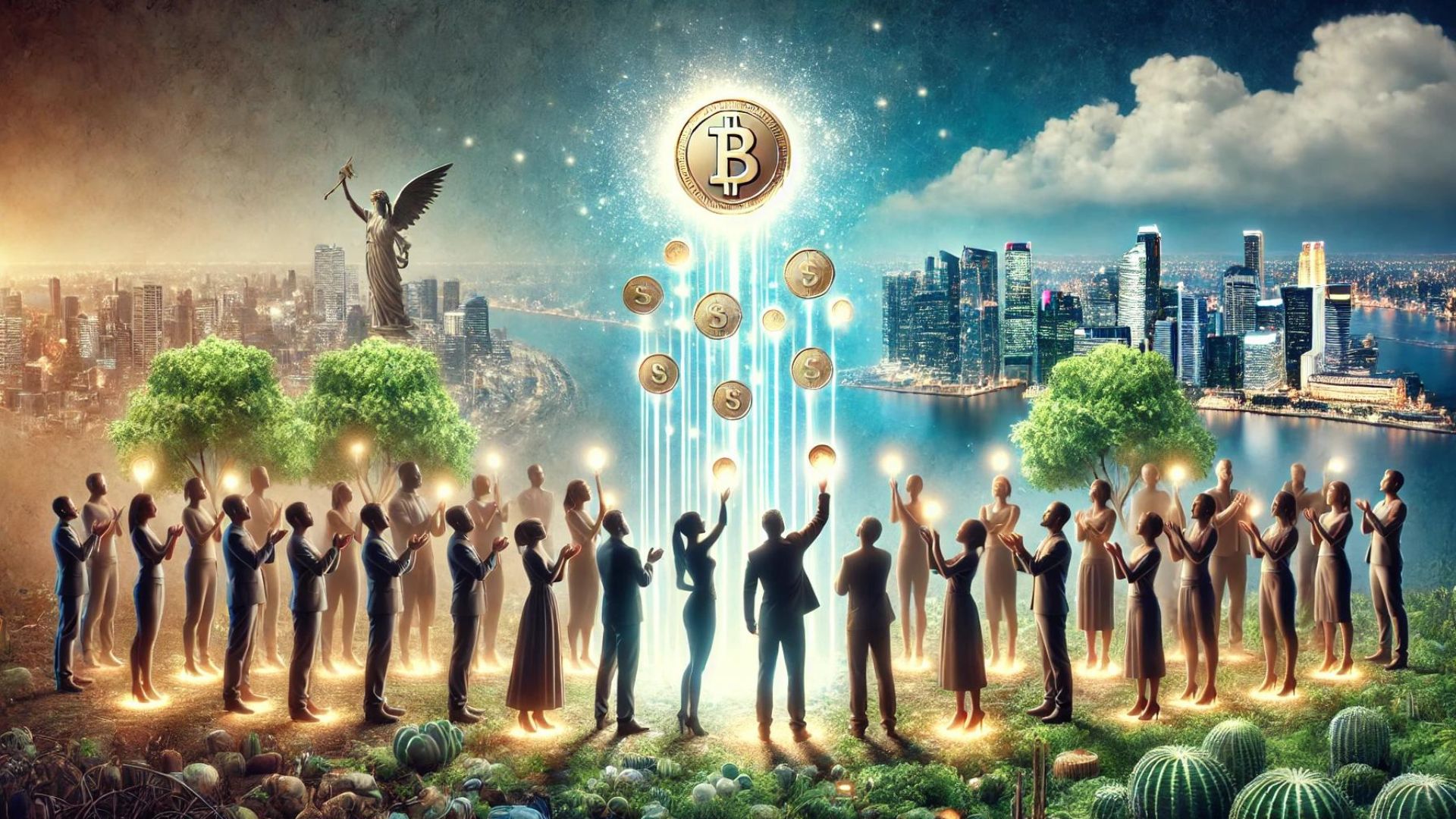
Explore the debate on universal basic income (UBI), discussing whether everyone should receive a basic income, regardless of employment. Consider the potential benefits and challenges of UBI in today’s society.

Explore the future of social media and its impact on human interaction. Discover how evolving platforms will continue to shape our relationships, communication, and society.

Explore the complex nature of love, from its psychological and biological roots to its cultural impact, and discover what makes love a powerful human experience.

Explore the ethical dilemmas surrounding the justification of war. This thought-provoking article delves into historical examples and philosophical perspectives on whether war can ever be morally justified.

Explore how studying history influences patriotism. Discover if historical knowledge fosters national pride or critical reflection. Thought-provoking insights and perspectives on the impact of history education on patriotism.

Explore the difference between justice and fairness, two fundamental concepts in ethics and law. Understand their unique roles and implications in creating a just society.

Discover the profound life lessons from chess and how the game imparts wisdom and strategies applicable to everyday challenges. Learn the importance and influence of chess over the years.

Delve into the philosophical debate on whether justified beliefs can exist without evidence. Explore different perspectives and their implications in our understanding of knowledge and belief.

Some people seem untouched by chaos — not because nothing reaches them, but because something inside them holds. Imperturbable is the word for that quality. And in this episode, we ask whether it’s something you’re born with or something you build.

Time is the most honest critic there is. It doesn’t respond to marketing, or prestige, or the enthusiasm of the moment. What stands the test of time does so because it’s genuinely worth keeping. This episode explores one of the most quietly profound phrases in English: and what it reveals about value, durability, and what actually lasts.

Gossamer is one of English’s most delicate words — for things that are barely there, almost transparent, threaded from light and air. But don’t mistake delicate for weak. In this episode, we find the strength in the almost-invisible.

Some lessons can only be learned in the water. ‘Sink or swim’ is one of the most uncompromising expressions in English: stark, demanding, and surprisingly generous in what it believes about human capability. This episode explores the philosophy hidden in two small words.
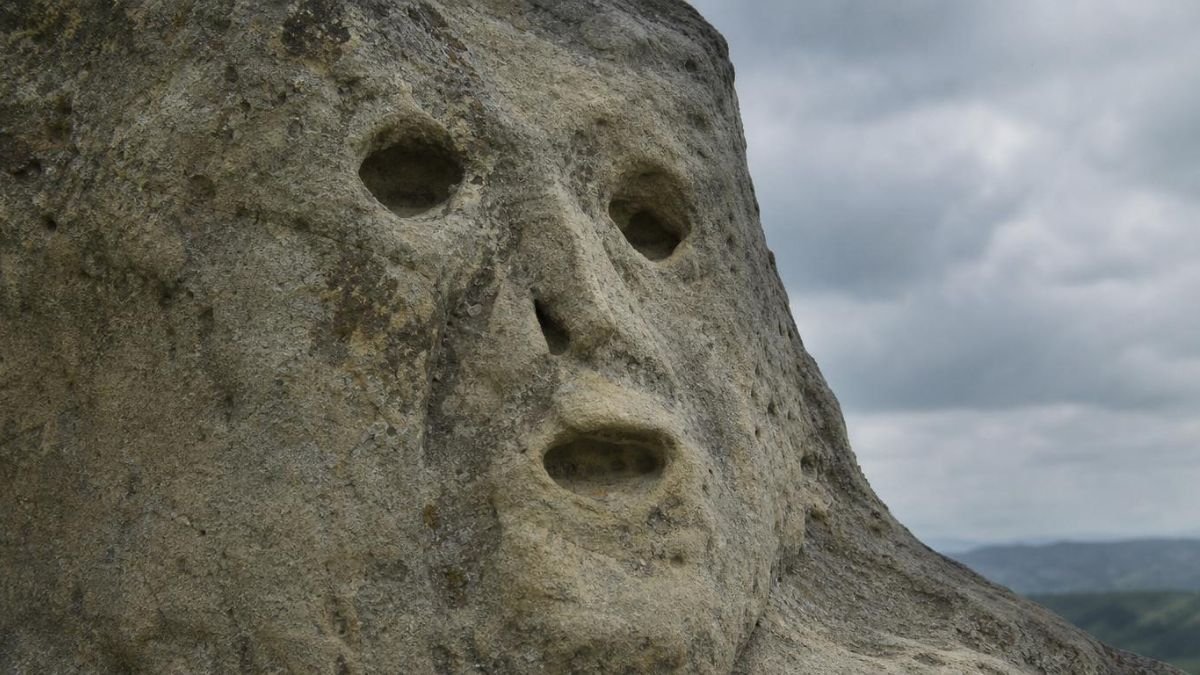
You’ve seen a face in a cloud, a shape in a stain, a pattern in the chaos. That’s not imagination — it’s one of the most deeply human things your brain does. The word for it is pareidolia, and it says something profound about how we’re wired.

We spend enormous amounts of energy on things we hope will eventually give us this. ‘Peace of mind’ is one of the oldest and most sought-after states in human experience: and one of the most misunderstood. This episode explores what it really is, where it actually comes from, and why so many of our strategies for finding it are aimed at the wrong thing.