Is poetry dead, or has it just changed its address? Join the Editor-in-Chief of English Plus Magazine as we explore why poetry still matters, the power of words, and how to find deeper meaning in a world of fleeting trends.


Is poetry dead, or has it just changed its address? Join the Editor-in-Chief of English Plus Magazine as we explore why poetry still matters, the power of words, and how to find deeper meaning in a world of fleeting trends.

An honest, un-patronizing look at the strange relationship between writers and depression. No advice, no toxic positivity, no chirpy sunset memes. Just a peek into the struggle, and real hope built on real things.

We spend weeks researching tech gadgets, yet we judge complex human beings in exactly seven seconds. English Plus Magazine’s Danny explores the trap of first impressions, why our brains rely on snap judgments, and how to discover the incredible people we’ve been missing out on.

An honest, funny confession about making stupid mistakes, writing mostly garbage, and being a writer anyway. Come meet the real writer in the mud, not the smug one in tweed who’s pretending to have cracked the code.

Are we obligated to sacrifice our present happiness for future generations? The Editor-in-Chief of English Plus explores the tension between just wanting a good life and the crushing weight of tomorrow.

In an internet ecosystem fueled by outrage, polarization, and clickbait, why bother creating thoughtful content about the complex grey areas of life? Join the Editor-in-Chief of English Plus as we explore why nuance, critical thinking, and empathy are the ultimate acts of modern rebellion.
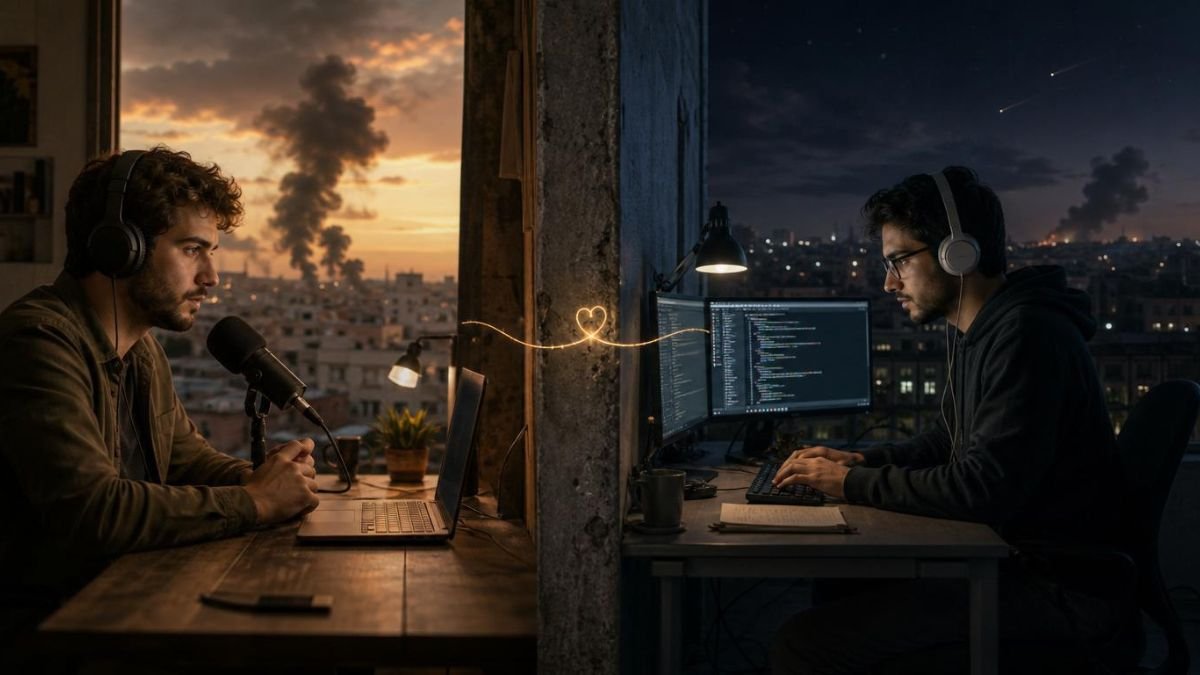
Dive into the deeply human story of Danny and Avi—two solopreneurs living on opposite sides of the Israel-Lebanon border. An editorial exploring the daily realities of war, unrequited patriotism, and the tragedy of unlived friendships.

A cozy, deeply honest letter from the editor on the attention economy — what it is doing to your mind, what is genuinely worth worrying about, what is overstated, and how to live with your phone without being lived by it.

We live in a world that measures success by what we accumulate, yet true fulfillment comes from what we contribute. Join the Editor-in-Chief of English Plus Magazine for a deep dive into the delicate balance of taking, giving, and how history really remembers us.

A raw look at the unique shape of Middle Eastern trauma. This editorial dismantles the weaponized myth of resilience and explains why we will never just “get used to it.”

The Sun blows a bubble bigger than the solar system, and we live inside it. Explore the heliosphere, the two Voyagers that flew out of it, and why leaving is so hard to define.
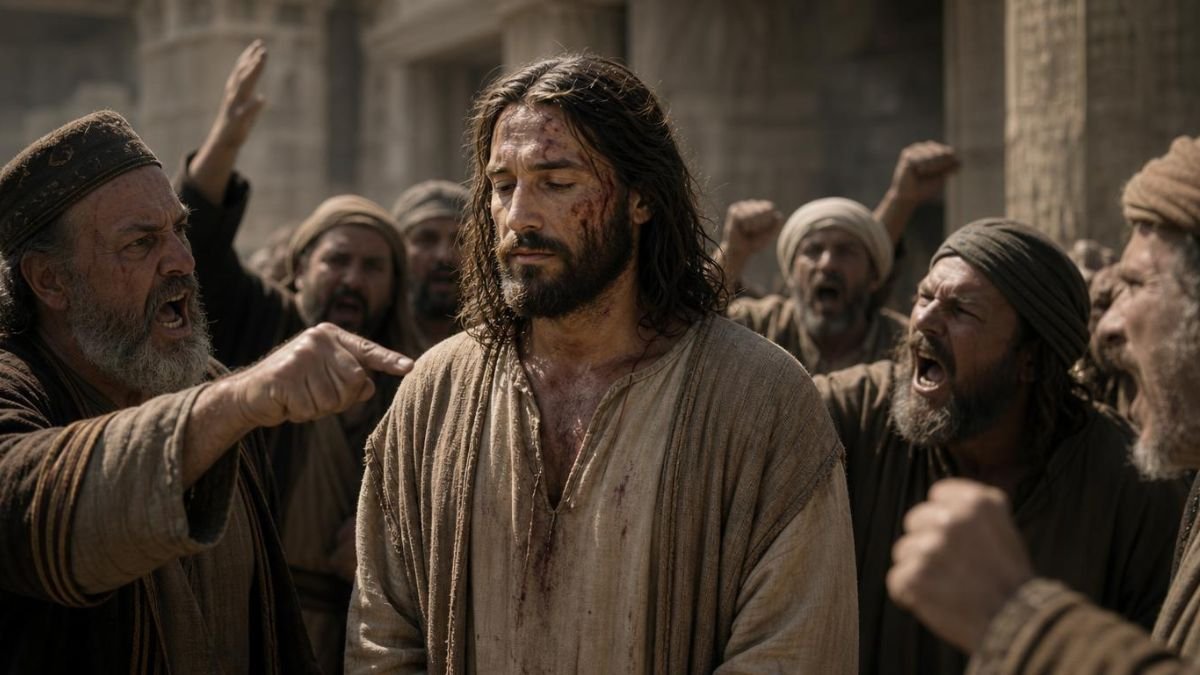
A poetic dive into the Portuguese expression engolir sapos, to swallow toads, and what amphibian skin reveals about the price of keeping the peace.

Advanced English listening practice for IELTS, TOEFL, and SAT. Listen to an academic lecture on Indigenous American civilizations and answer 10 exam-style questions.

A poetic exploration of “forgive and forget” — a phrase whose two halves have almost nothing to do with each other, and why the second one may be quietly ruining the first.
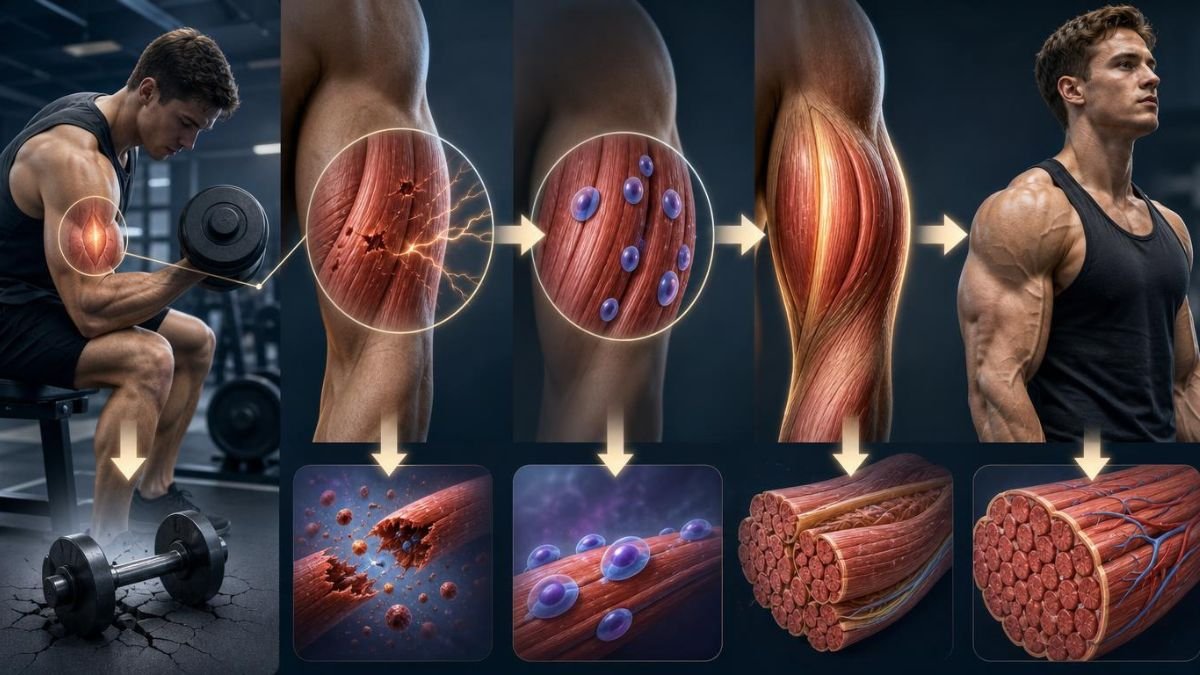
Soreness isn’t the signal. Lactic acid isn’t the culprit. What actually builds muscle is stranger and slower than you were told, and the English for it is worth having.

A poetic dive into 忍, the Japanese character for endurance, which draws a knife directly above a heart, and what a swordsmith’s clay can teach you about surviving the pressure.