Explore the psychology behind urban legends. Learn how cognitive biases like confirmation bias and emotional narratives make us believe and share stories that aren’t true.


Explore the psychology behind urban legends. Learn how cognitive biases like confirmation bias and emotional narratives make us believe and share stories that aren’t true.
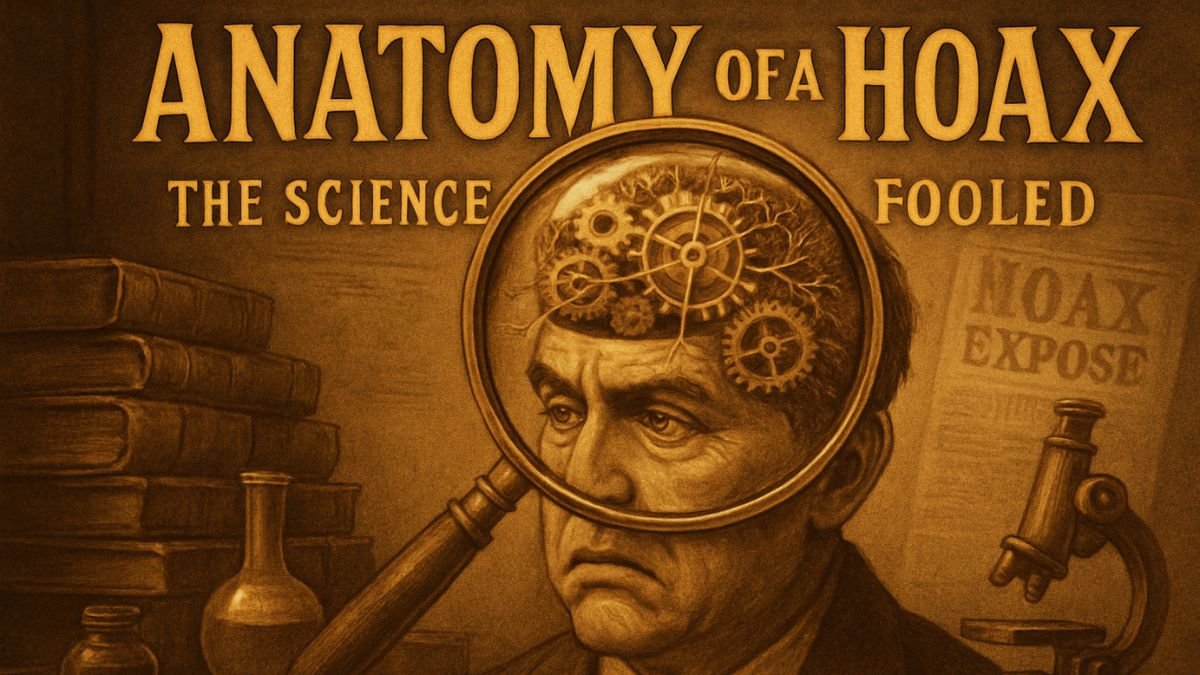
Ever wonder why you fall for online hoaxes? Discover the cognitive biases and emotional triggers manipulators exploit and learn how to build your mental toolkit.

What is your most vivid childhood memory? The story of your first love? The moment you achieved a great success? What if I told you that memory might be wrong? This week, in our series finale, we tackle the most personal biases of all—the ones that live inside our own heads. We’ll discover how easily false memories can be planted, why we only remember the best and worst moments of a vacation, and how you might be accidentally stealing ideas. Prepare to question everything you think you know about your past.

The true goal of learning about cognitive biases isn’t to become a perfect robot. It’s to become a “Rational Empath.” This capstone article explores how understanding our own flawed thinking leads to greater compassion, forgiveness, and wisdom.
Cognitive biases rarely act alone. Discover how biases interact and compound each other in a “cognitive cascade.” Using the legendary “New Coke” failure as a case study, we deconstruct how a chain reaction of flawed thinking leads to disastrous outcomes.
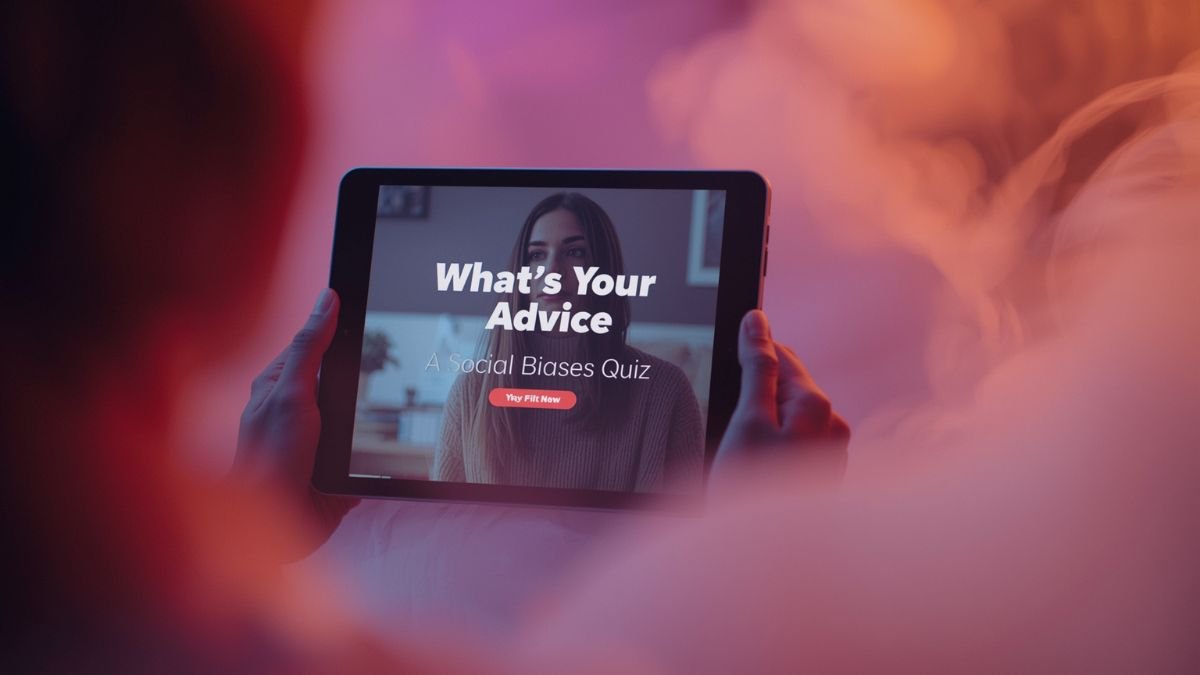
Can you avoid common social pitfalls like Groupthink or the Bystander Effect? Take this scenario-based quiz to learn actionable strategies for smarter social interaction.

Why do we instantly judge a stranger based on their clothes? Why do good people sometimes stand by and do nothing in a group? Human beings are social animals, but our social instincts can lead us down dangerous paths. This week, we enter the complex world of social psychology to explore the biases that govern our group behavior. We’ll tackle stereotypes, peer pressure, and why we often blame the victim. Get ready to rethink your social world.
Go beyond theory. This quiz tests your ability to apply cognitive biases like Anchoring, Loss Aversion, and the Decoy Effect in real-world scenarios. Learn to think smarter.

Artificial intelligence was supposed to be impartial. Instead, our human biases are being coded into the algorithms that shape our lives. Discover how AI learns our stereotypes, creates feedback loops, and what “coded bias” means for our future.

Discover how cognitive biases like Confirmation Bias and Group Polarization are fueling political division and creating social media echo chambers. Learn the science behind why facts fail to change minds and how to have more productive conversations in a fractured world.

Where the word “con” really comes from, why first impressions are decided in milliseconds, and how to build instant rapport and read a room — the first job in your apprenticeship.
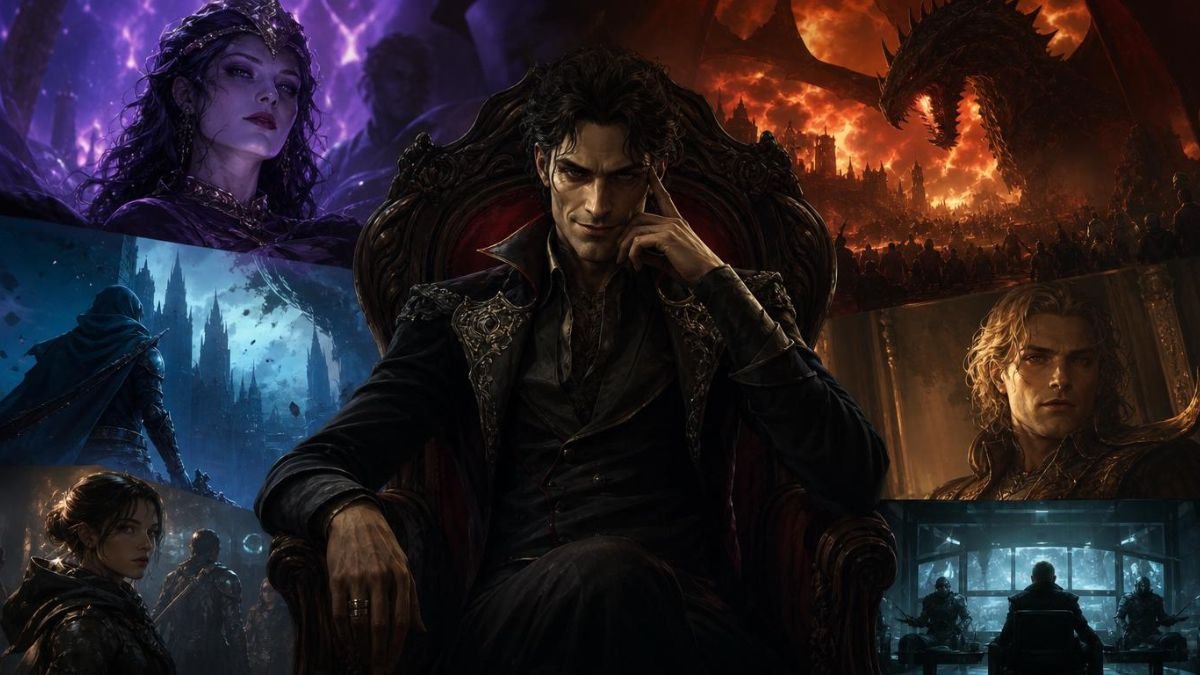
From Shakespeare’s Iago to Walter White, from video game bosses to literary anti-heroes, our relationship with fictional antagonists reveals something profound about the human mind. Explore the psychology, culture, and craft behind why we root for the villain.

There’s a word for those chapters of your life that seem to glow when you look back at them — warmer, calmer, more golden than anything since. In this episode, we unwrap halcyon, and ask why the past sometimes feels more alive than the present.
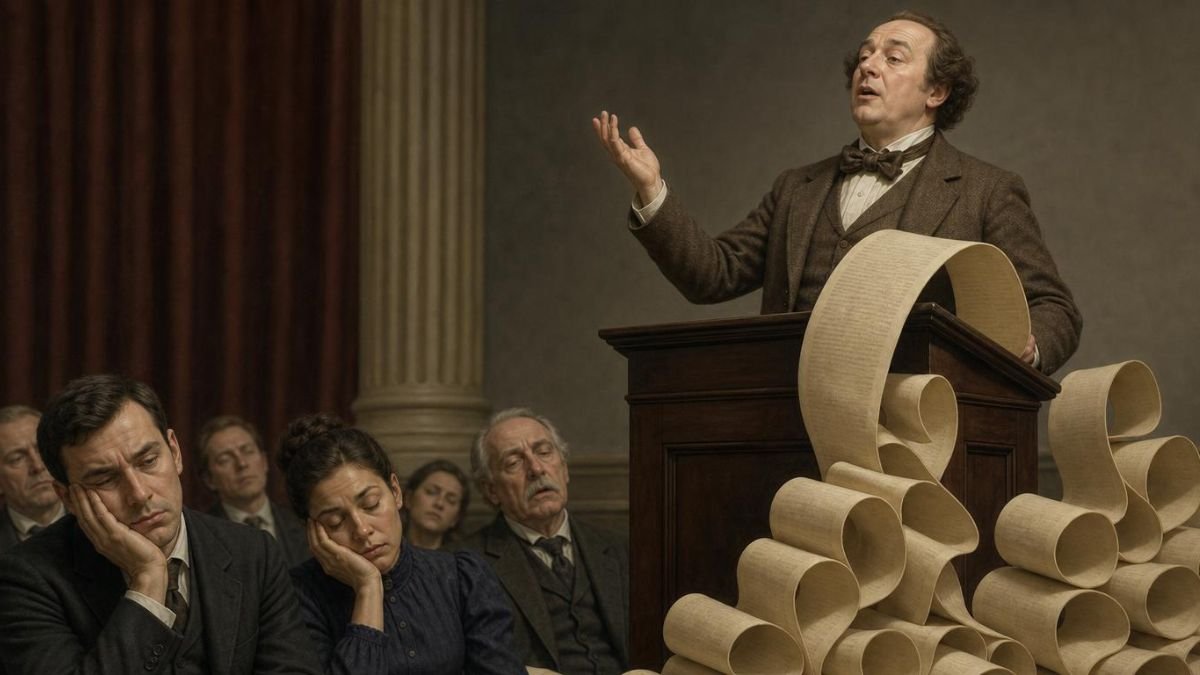
Some people take ten minutes to say what could be said in thirty seconds. There’s an elegant word for that — and learning it might make you a sharper, more powerful communicator than you ever expected.

AI can answer any question in seconds, so why bother learning? Explore the cognitive, psychological, and deeply human reasons we must keep pushing our minds—and how we need to learn differently in the age of artificial intelligence.
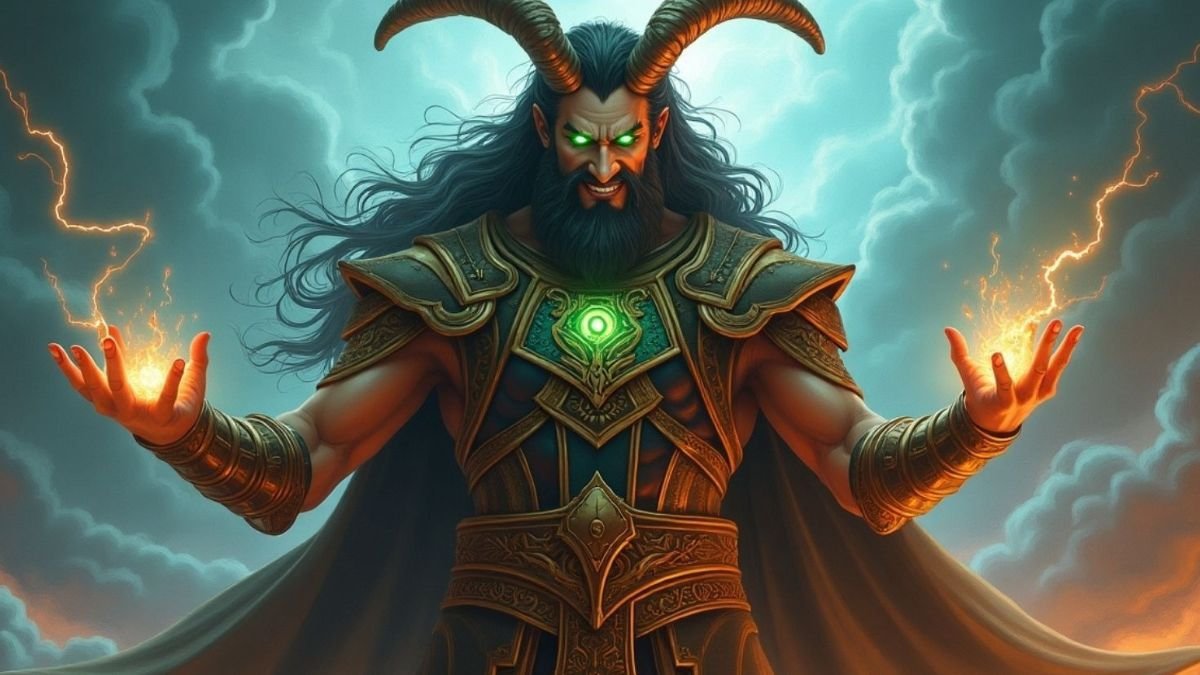
The Norse myth of Loki is a masterclass in moral complexity — a god who was simultaneously indispensable and catastrophic, whose trickery and transformation shaped the fate of all the gods and ultimately the world.