We use “Luddite” to mean technophobe. The real Luddites were skilled workers fighting over who controls technology and who profits from it — the exact fight we’re having about AI right now.


We use “Luddite” to mean technophobe. The real Luddites were skilled workers fighting over who controls technology and who profits from it — the exact fight we’re having about AI right now.

Streaks, points, levels, and that little burst of satisfaction when you nail a lesson — gamified language apps have quietly rewired how millions of us learn. But are play mechanics actually teaching you a language, or just teaching you to love the app? Here’s the psychology, the science, and the honest verdict.

Most of the universe is missing, the stars are dying to make the atoms in your body, and the scariest objects in physics might be erasing information forever. Here’s a guided tour of black holes, dark matter, and the lifecycle of stars, written for curious humans, not physicists.

Forget the tired “screen time” debate. The most ambitious narratives of our era are interactive, and they build empathy and critical thinking in ways no other medium can. Here’s why the canon already has a controller in its hands.

Most organizations treat succession planning as a panic button pressed when someone quits. It’s actually the quiet discipline that decides whether everything you built survives the day you leave. Here’s how to do it right — and why almost everyone gets it wrong.

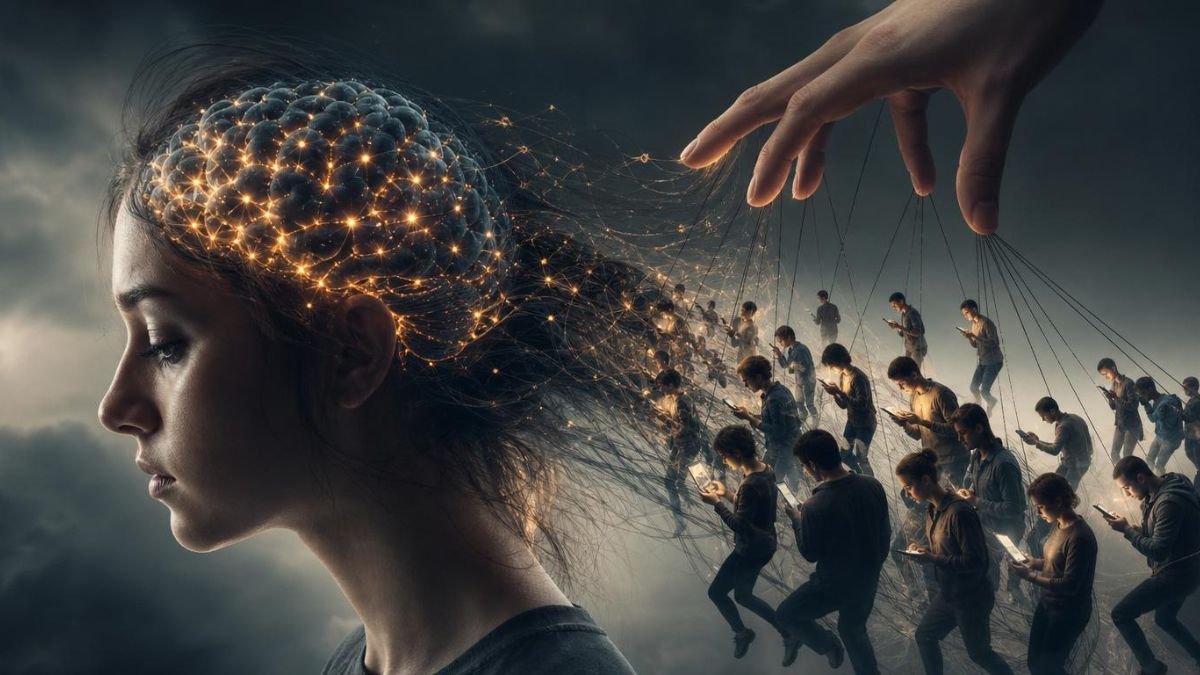
From free wheat in ancient Rome to endless scrolling today, discover how the “bread and circuses” strategy never disappeared. It just got an algorithm and a smartphone.

From Shakespeare’s Iago to Walter White, from video game bosses to literary anti-heroes, our relationship with fictional antagonists reveals something profound about the human mind. Explore the psychology, culture, and craft behind why we root for the villain.

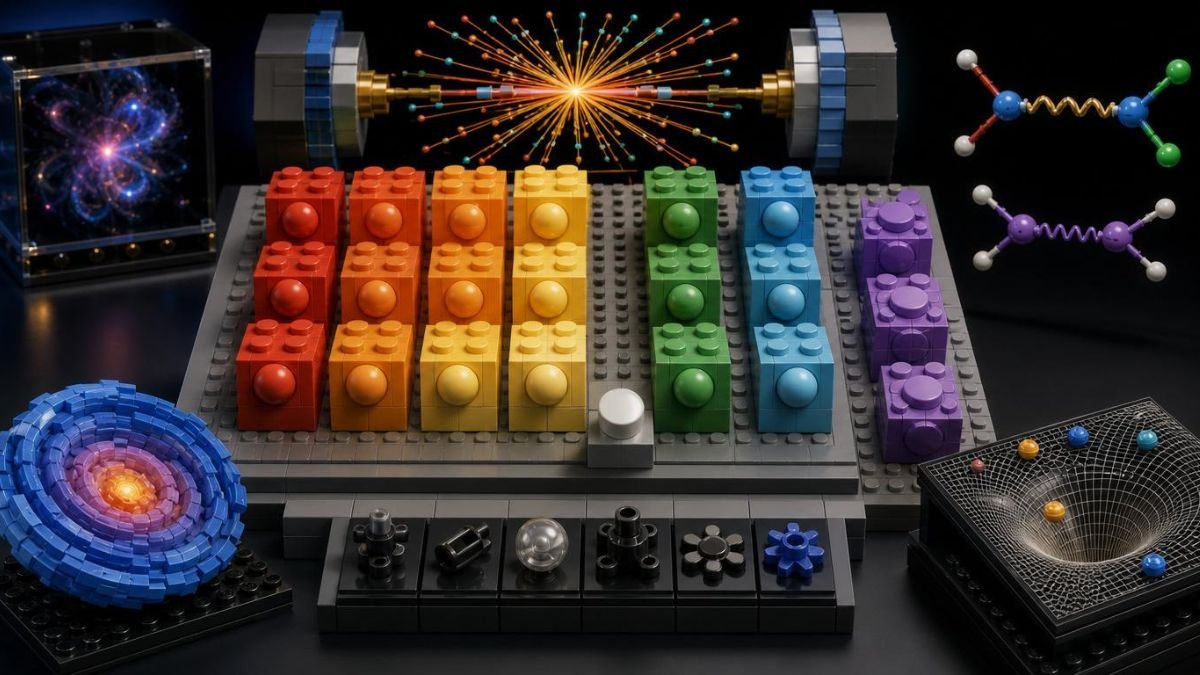
You, this article, and the entire observable universe are built from the same small set of indivisible particles. The Standard Model is particle physics’ greatest triumph — and its most conspicuous embarrassment. Here’s what it says, what it explains, and what it stubbornly refuses to.

We’re swapping books for podcasts and summaries, and our brains are paying the price. Explore the neuroscience and psychology of deep reading, why it’s irreplaceable, and what we risk losing when we give it up.

Diversity and inclusion have become the most repeated — and most misunderstood — terms in modern business. This article cuts through the buzzwords to explore what real D&I strategy looks like, why most programs fail, and what organizations that actually get it are doing differently.

Elon Musk says AI and robots will make work optional within ten to twenty years, funded by government-issued “universal high income.” The promise is sincere. The arithmetic is plausible. The politics are a catastrophe — and for most of the world, the offer isn’t even on the table. An examination of what happens to human dignity, political leverage, and global hope when your livelihood becomes a transfer instead of a claim.

We compress distant cultures into one word and bristle when anyone does it to us. A look at resolution asymmetry — why it happens, when it’s harmless, and when it isn’t.

We use “Luddite” to mean technophobe. The real Luddites were skilled workers fighting over who controls technology and who profits from it — the exact fight we’re having about AI right now.

The Luddites are history’s favorite punchline for anyone who fears progress. But they never opposed machines — and the people who actually killed good technology were rarely holding a hammer. A deep dive into the smearing of a movement and the far quieter sabotage that followed.

We recoil at AI-generated content while happily consuming whatever an algorithm serves us. This deep dive examines the hypocrisy in our performed disgust, why “human or machine?” is the wrong question, and what a more honest relationship with content actually looks like.

Scientists, poets, and teachers were once public heroes. Now they’re invisible. A deep dive into what actually changed — and what to honestly tell a young person.