



A raw look at the unique shape of Middle Eastern trauma. This editorial dismantles the weaponized myth of resilience and explains why we will never just “get used to it.”
The Art of Joy Protection: Why We Say “Rain on Someone’s Parade”
Memory Melding: What If We Could Trade Pasts?
The Sun Standing Still: The Quiet Power of the Solstice
Escaping the Waiting Room: Why The Best Time is Now
The Real You vs. The Performed You: Defining Authenticity
The Rubber Band Soul: Building Resilience in Hard Times
The Pinocchio Effect: What If Every Lie You Told Was Immediately Exposed?
The Hot Bulb Strategy: Solving the Three Switch Mystery
Recent Posts

What Can We Say About Our Kind of Trauma
read more

I Should Have Known Better: The Quiet War Men Wage and the Truth We Finally Need to Admit
A radically honest editorial exploring the systemic, everyday ways men disrespect, diminish, and burden women. It’s time for accountability. We should have known better.
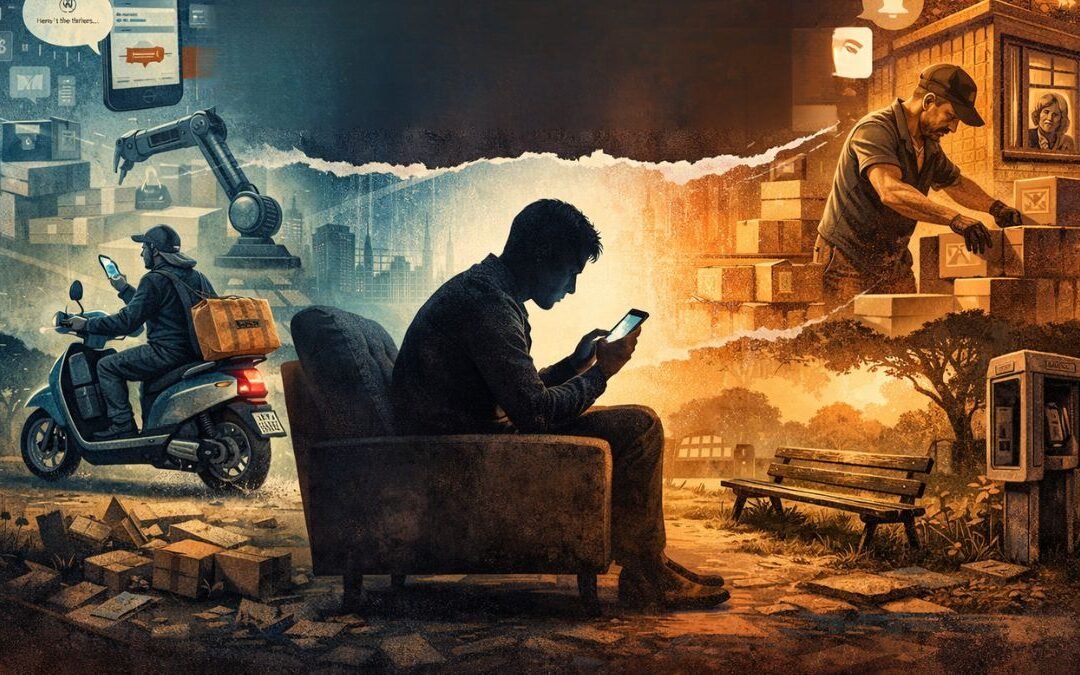
The Human Cost of Convenience: What We Lose When Everything Becomes Effortless
We live in the age of one-click everything, but what are we actually paying for all this ease? From eroded attention spans and vanishing communities to invisible gig workers absorbing our friction, this deep dive explores the hidden human toll of modern convenience and asks the uncomfortable question: is effortless living making our lives worse?

We’ve Officially Outsourced Our Brains to a Rectangle of Glass
We’ve engineered a world so convenient it’s quietly making us helpless. Danny explores the absurdity of smart fridges, dopamine loops, and a civilization that can’t survive a Tuesday afternoon power cut — with the dry wit and uncomfortable honesty the topic deserves.
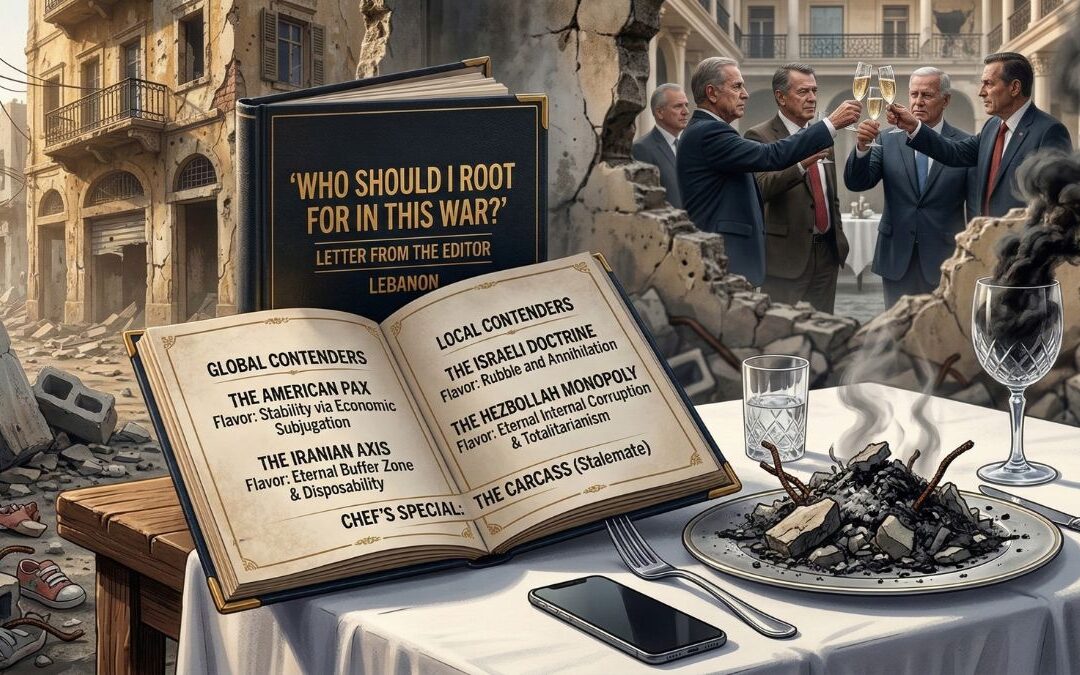
Who Should I Root For in This War?
A deeply emotional and satirical editorial undressing the hypocrisy of the war in Lebanon. When global powers and local factions fight for their own gain, who should we really root for?
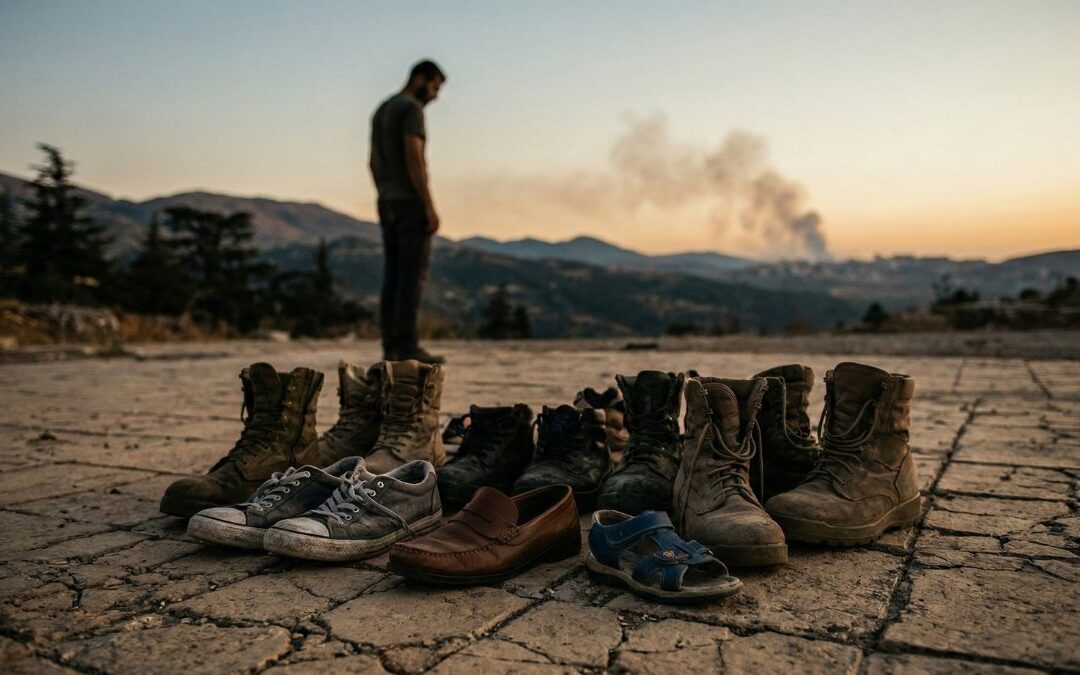
A Choir of Ghosts: Walking in the Shoes of a Borderless War
An emotional, stream-of-consciousness editorial exploring the human psyche behind the conflict in Lebanon. Walk in the shoes of all parties—soldiers, strategists, and civilians—to find the tragic irony, cognitive dissonance, and shared fear that drive the endless cycle of violence.