
We’ve talked a lot about poverty in economic terms, haven’t we? We’ve made the case that lifting people up is a smart investment, that it’s good for GDP, that it creates a more stable and prosperous world for everyone. And all of that is true. It’s the logical, pragmatic, and perfectly sensible argument you can take to a boardroom. But is that really the point? If we discovered tomorrow that eradicating poverty would somehow be a net loss for the global economy, would we just… stop trying? This is where the conversation has to get bigger, deeper, and maybe a little more uncomfortable. It’s time to move past the bottom line and ask a much more fundamental question: What do we truly owe each other, simply as fellow travelers on this strange, beautiful, and often brutal journey of being human? Is our ultimate motivation a return on investment, or is it a recognition of our shared humanity?
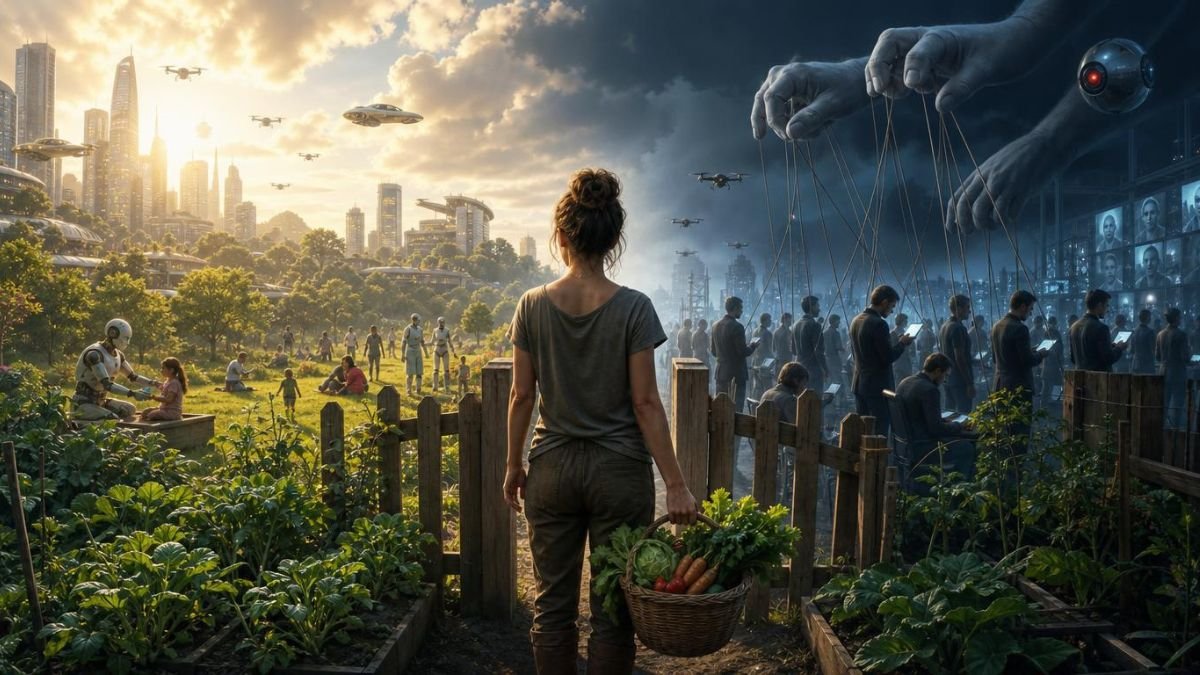
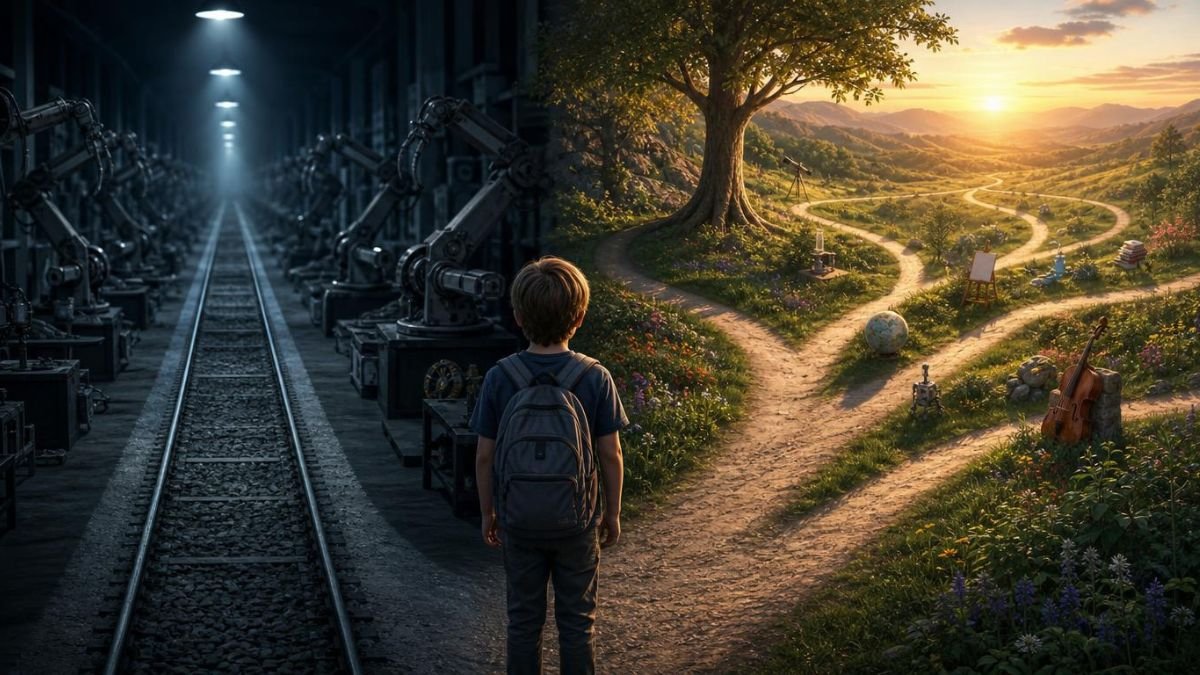
Let’s try a little thought experiment. It comes from a philosopher named John Rawls, and it’s a beautifully simple but profound idea. He called it the "veil of ignorance." Imagine for a moment that you are not you. You are a soul, a consciousness, waiting to be born. You have no idea what your circumstances will be. You don’t know if you’ll be born in a mansion in Malibu or a slum in Mumbai. You don’t know if your parents will be loving and wealthy, or if you’ll be an orphan. You don’t know if you’ll be born with a brilliant mind and a healthy body, or with severe physical and mental challenges. You don’t know your gender, your race, your nationality, or your sexuality. You know nothing about the specific hand you will be dealt.
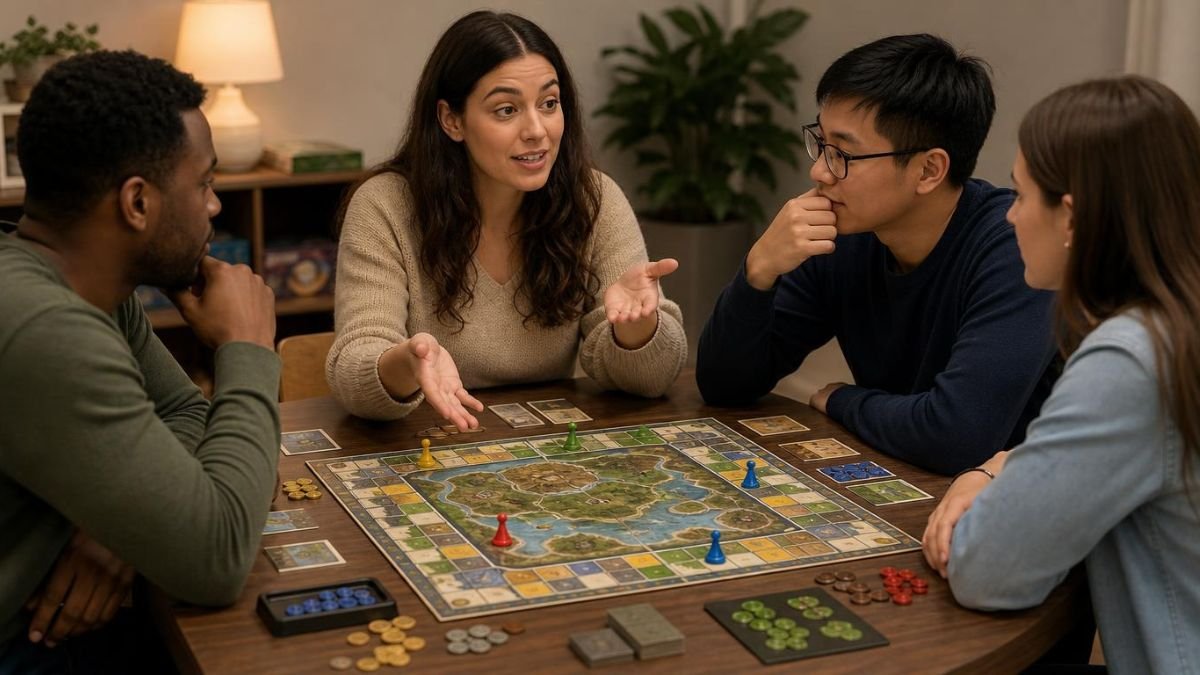
Now, from behind that veil of ignorance, you and everyone else in this pre-birth waiting room have to design the rules of the society you’re all about to enter. What kind of world would you build?
Think about it. Would you create a society with no social safety nets? Would you gamble on the hope that you’ll be one of the lucky ones, the strong ones, the ones who land on top? Or, knowing that you have an equal chance of being the most vulnerable person in that society, would you design a system with some guardrails? Would you make sure there was a floor below which no one could fall? Would you ensure access to healthcare, to education, to food, to shelter, not as a reward for success, but as a basic condition of existence? You’d probably want to make sure that the society you’re about to enter is as fair and compassionate as possible, because you, personally, might desperately need that fairness and compassion.
That’s the genius of the veil of ignorance. It strips away our biases. It forces us to stop thinking in terms of "us" and "them" and start thinking in terms of "we." From behind the veil, you aren't a CEO thinking about your tax burden or a person on welfare worrying about benefits being cut. You are just a human being, with a vested interest in creating a just world because you could end up anywhere within it. It moves the conversation from the realm of political squabbling and into the realm of fundamental ethics. The society we would design from behind that veil is the society we are morally obligated to strive for, right here and now.
This idea leads us directly to another crucial distinction, one that we often blur: the difference between charity and justice.
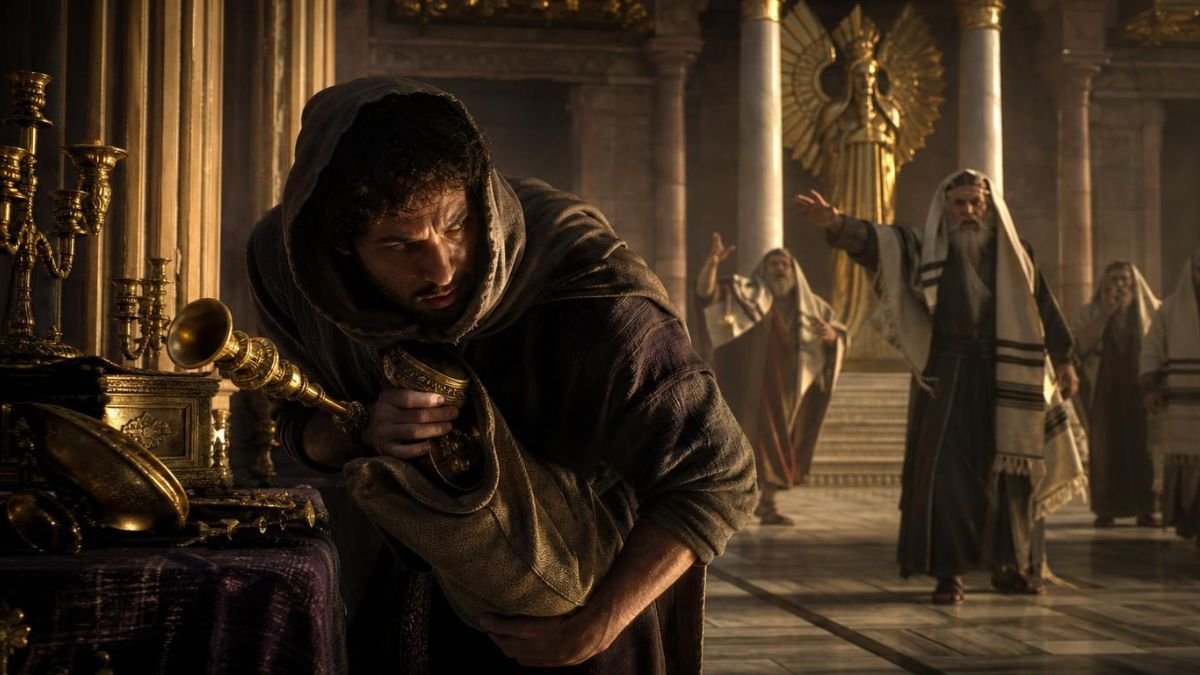
Charity is a beautiful impulse. It is the act of giving from your surplus to someone in need. It’s the donation to the food bank, the check written to a disaster relief fund, the spare change dropped into a cup. These are good and necessary things. But charity, by its very nature, operates within a framework of inequality. It requires a giver and a receiver, a person with power and a person without. It is an optional act, an act of grace. You are praised for being charitable; you are not condemned for failing to be. It keeps the fundamental power structures intact. I can donate to a soup kitchen, feel good about myself, and then go back to supporting a system that creates the very need for soup kitchens in the first place.
Justice is something else entirely. Justice is not optional. Justice is a moral requirement. Justice doesn't say, "You should give your neighbor some of your bread if you have extra." Justice asks, "Why do you have a mountain of bread while your neighbor is starving? Is the system that allows for this disparity fundamentally fair?" Justice isn’t about patching the holes in a broken system with goodwill; it’s about rebuilding the system so that the holes aren’t there to begin with. Justice says that access to a dignified life—to food, shelter, education, healthcare, opportunity—is not a gift to be doled out by the generous. It is a fundamental, non-negotiable human right.
Charity is a response to the symptom. Justice is a demand for a cure. And for too long, we have tried to convince ourselves that performing acts of charity absolves us of the much harder work of demanding justice. It’s easier. It’s certainly less disruptive to our own comfort. But it’s not enough. It will never be enough.
So why do it? Why take on the impossibly hard work of striving for justice? If it’s not for the ROI, then what is it for?
The answer, I think, is a kind of radical empathy. It’s the ability to look at another human being, in any circumstance, and see a reflection of yourself. It's the gut-level understanding that the line separating your life from theirs is incredibly thin and largely arbitrary. It’s recognizing that the random lottery of birth—the zip code you were born into, the parents you were given—is the single greatest determinant of life outcomes, and that is a reality that should shake us all to our core.
To fight for justice is to affirm that every single person has an inner life as rich and complex as your own. Every person on this planet feels joy and heartbreak, has dreams for their children, feels the sting of shame and the warmth of love. They are not statistics. They are not problems to be managed. They are not objects of our pity. They are us. We are them. Their suffering diminishes our own humanity, and their flourishing enriches it.
This isn’t about guilt. Guilt is a useless emotion, a self-indulgent dead end. This is about responsibility. It’s about accepting that we are all tangled up in this together. The clothes we wear, the food we eat, the technology we use—our lives are inextricably linked to the lives of countless others around the world. We cannot pretend to be isolated islands. To live in a world with such staggering abundance alongside such desperate, needless suffering, and to do nothing, is to slowly but surely hollow out our own souls. It’s to accept a version of humanity that is smaller, colder, and meaner than it has to be.
The ultimate reason to fight poverty has nothing to do with economics. It is the most profound and defiant act of optimism a person can engage in. It’s a declaration that we refuse to accept the world as it is, because we have caught a glimpse of the world as it could be. It's an insistence that a person’s worth is not determined by their net worth. It’s a commitment, however faltering, to build a world that lives up to the words we so easily say about equality and dignity. It's the messy, difficult, and beautiful work of making our shared humanity mean something.
So, let's set aside the ledgers and the cost-benefit analyses, just for a moment. What does your gut tell you? If you were designing the world from behind that veil of ignorance, what would be the first rule you’d make? And how can we start living by that rule today?


0 Comments