
Don't Outsource Your Brain: Why We Still Need Learning and Working Hard in the Age of AI
Artificial Intelligence. A few years ago, it was the domain of science fiction and tech prophets—think HAL 9000, Data from Star Trek, or the all-knowing Skynet. Fictional, ominous, and always just a bit out of reach. Now it’s curating your playlists, helping you write emails, and maybe even diagnosing diseases better than some humans. It’s everywhere, and it’s only getting better. So naturally, the question sneaks in—if AI can think, write, draw, analyze, and plan, why on earth are we still burning the midnight oil, cramming for exams, or pouring ourselves into a job that a machine might do faster?
It’s a fair question. Tempting, even. The idea of a world where we can finally put our feet up while the robots handle the spreadsheets and the lesson plans has a certain allure—especially after a long day. But let’s slow down and think this through. AI is an incredible tool, yes. But it’s still just that—a tool. It doesn’t dream. It doesn’t understand context the way a lived experience does. It doesn’t have intuition or ethics—or that strange flash of inspiration that hits in the shower. That spark? That’s still ours.
Working hard, studying deeply, pushing ourselves to understand—not just memorize—isn't suddenly obsolete. It’s more necessary than ever. Because someone needs to steer the ship. Someone needs to know what to ask, how to ask it, and what to do with the answer. And that someone, for now, is still us.
Sure, AI can spit out an answer to just about anything you throw at it. But ask it why something matters, or what might happen if we look at it from another angle, and it starts to wobble. It’s great at the “what,” less so at the “why” and “what if.” That’s where humans come in. When you’ve worked hard to understand a subject—not just skimmed the headlines—you’re in a position to ask better questions. You can see gaps others miss. You can think critically, creatively, and responsibly. You can spot the flaw in the system, the bias in the data, the thing that just doesn’t quite sit right.
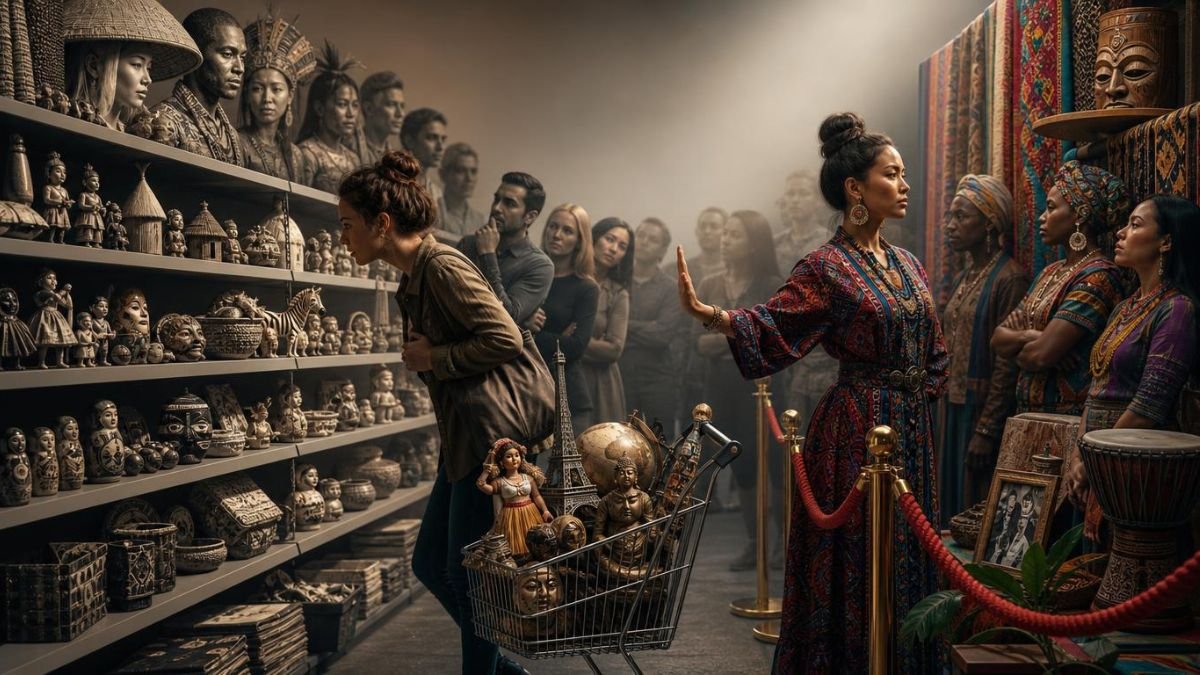
That’s the other thing—we tend to forget that AI reflects us. If you feed it biased data, you get biased results. If you train it on flawed information, guess what? It learns the flaws. And if nobody’s paying attention—if we’ve all decided to sit back and let the machines do the thinking—that’s when real damage can happen. Someone needs to keep asking the tough questions, pushing back, checking the math. And “someone” can’t just be a vague team of anonymous developers. It needs to be people from all walks of life—people like you, who’ve put in the work, who’ve developed expertise, who understand nuance and consequences.
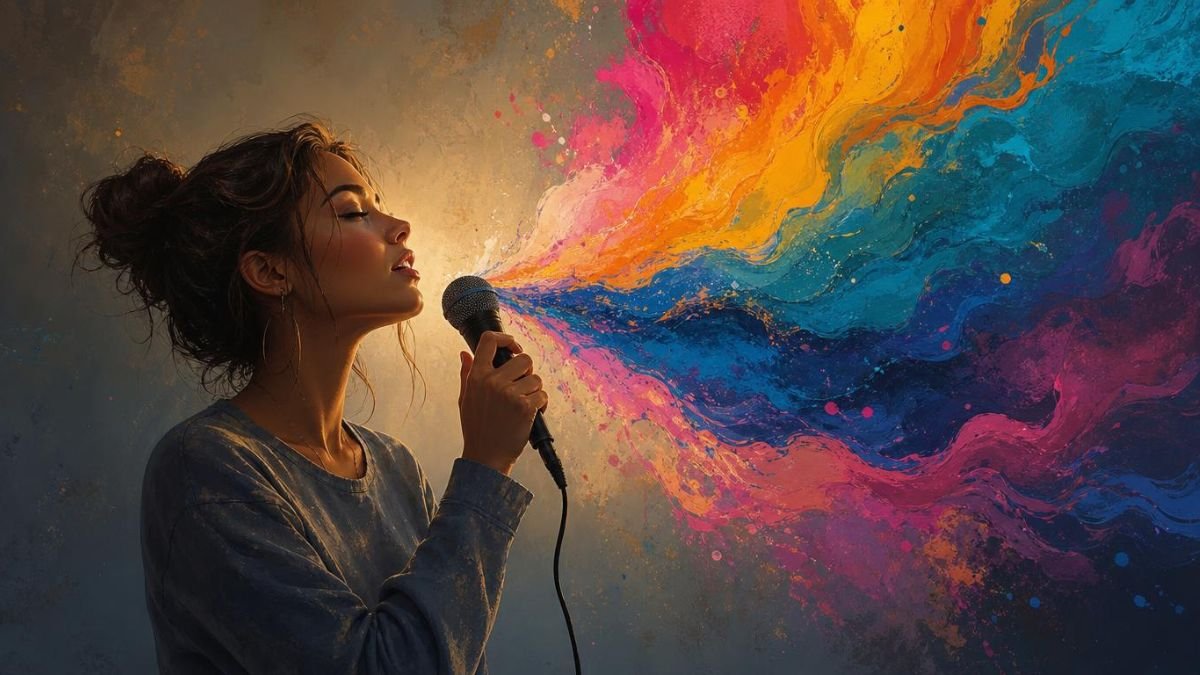
And then there’s the small matter of creativity—AI can remix and repackage, but the true spark of something original, weird, beautiful, and maybe a little risky? That’s still on us. Great ideas don’t usually fall out of machines. They start with curiosity, obsession, and a gut feeling—sometimes it's intuition, sometimes it's an unresolved question, and sometimes it's just that nagging sense that something important is hiding in plain sight—that won’t go away. They start with someone who’s been buried in their field for years, who suddenly connects two dots no one thought to connect before. AI can help. It can crunch the numbers, run the simulations, even write the first draft. But it can’t dream the dream for you.
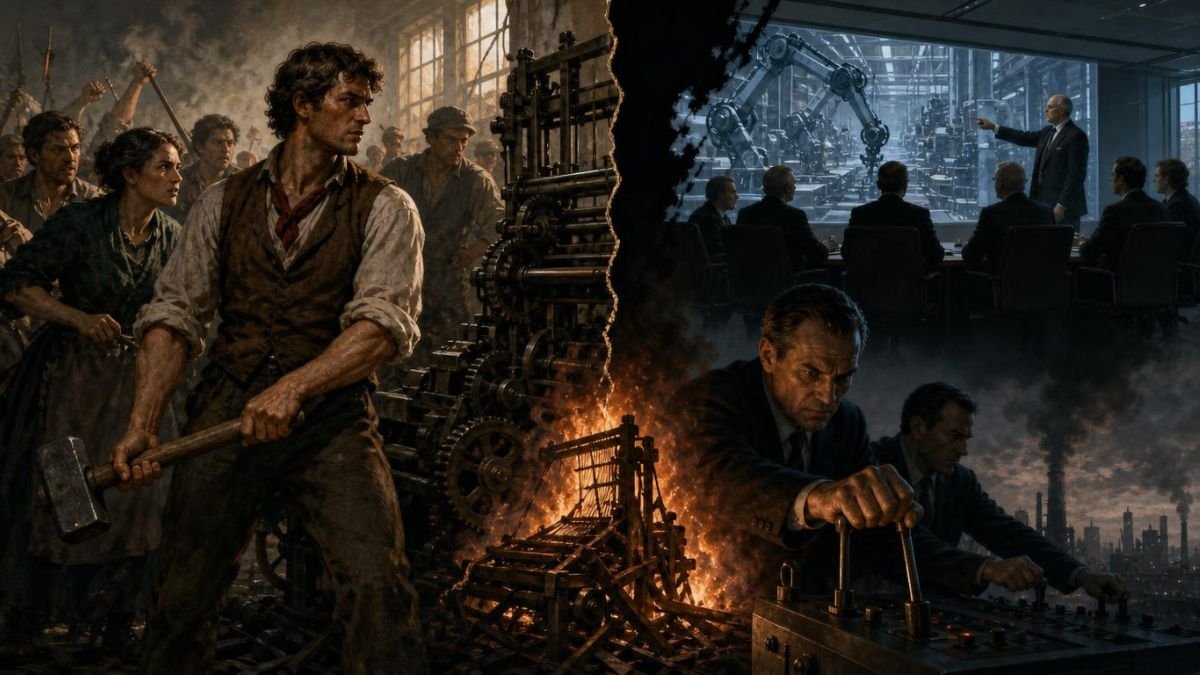
Let’s also be real—some jobs will change. Some have already changed. Repetitive, rule-based tasks are disappearing. But that doesn’t mean the work is gone; it’s just shifting. And the people who adapt, who learn new skills, who figure out how to use AI rather than fear it? Those are the ones who’ll shape what comes next. That’s where hard work is headed—not just in doing, but in thinking differently. In staying curious. In being flexible, empathetic, strategic.
And here’s something AI still can’t fake convincingly: care. Real human care. Whether it’s in a hospital room, a classroom, or just a tough conversation, there’s something about human connection that can’t be automated. The way someone understands you without you saying a word. The instinct to pause, to comfort, to inspire. Those things matter. They always will.
Let’s not overlook something important—there’s joy in effort. Maybe not always in the moment (hello, 2 a.m. study sessions), but over time, it builds something. Confidence. Mastery. Meaning. We don’t just work hard to get a job or pass a test. We do it because we grow through it. And that kind of growth, the internal kind, is something no one else can do for you. Especially not a chatbot.
And while we’re on that note, let’s remember who’s building these AI tools in the first place. It’s not AI. Not yet, anyway. It’s human engineers, researchers, linguists, ethicists, all of them grinding away, testing, debating, writing code, fixing bugs. AI isn’t replacing human effort—it is the product of it.
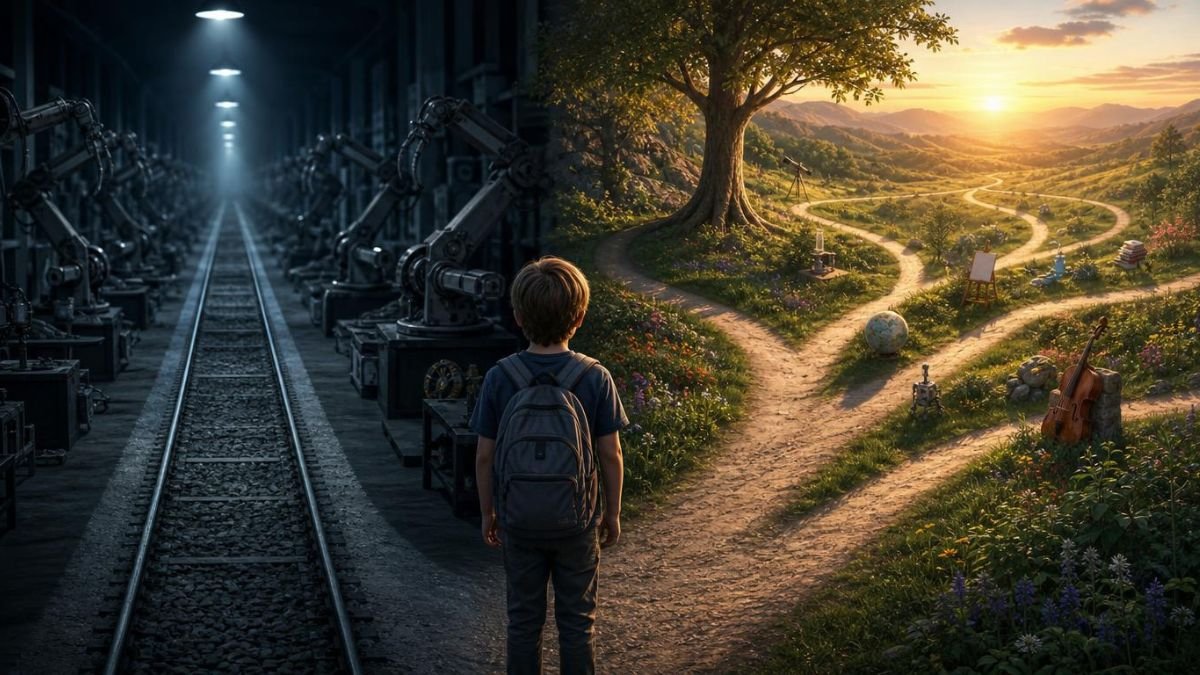
So no, this isn’t your permission slip to check out and let the machines run the show. Quite the opposite. This is the call to level up. To rethink what hard work looks like, and to commit to it in a new way. Smarter. Deeper. With more heart.
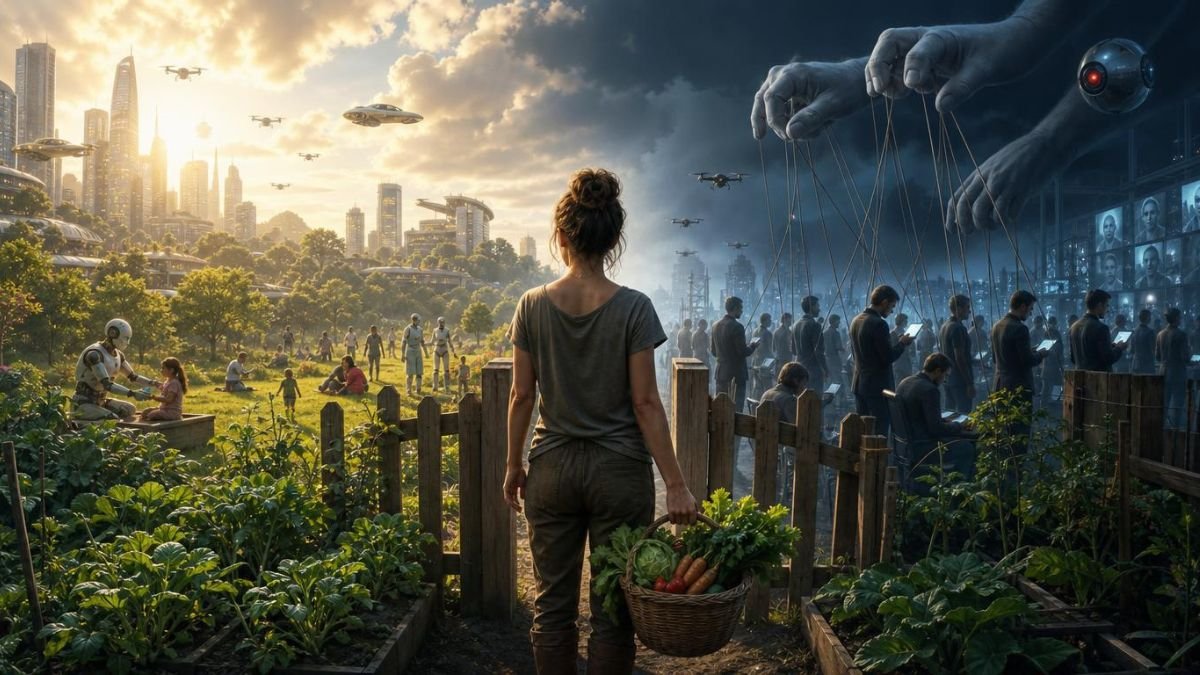
In this new era, it’s not humans versus AI—it’s humans with AI. And the most powerful part of that equation? It’s still you. Your thinking. Your empathy. Your grit. Your ability to keep learning, to adapt, and to imagine a future that’s better for all of us—not just more efficient.
So keep studying. Keep showing up. Keep questioning. Because in a world that’s moving faster than ever, the most powerful thing you can bring to the table is a mind that never stops growing. That’s not just how we stay relevant—it’s how we lead.
Danny Ballan
Just a guy with a pen, too many thoughts. Occasionally insightful. Always caffeinated.



0 Comments