
SparkCast Episode
The SparkCast episode is not just a reading of the article below; it's a lively discussion based on the topic of the article, so you don't want to miss it!
[ppp_patron_only level=5]
[/ppp_patron_only]
Who’s Really in Charge Up There?
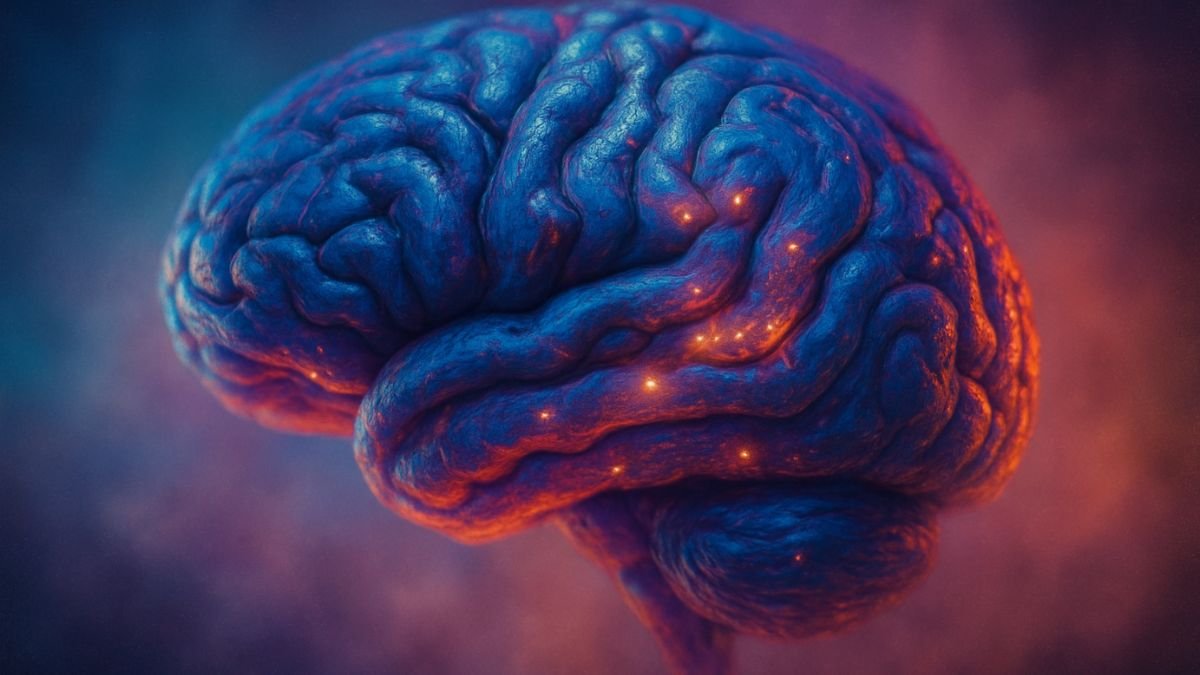
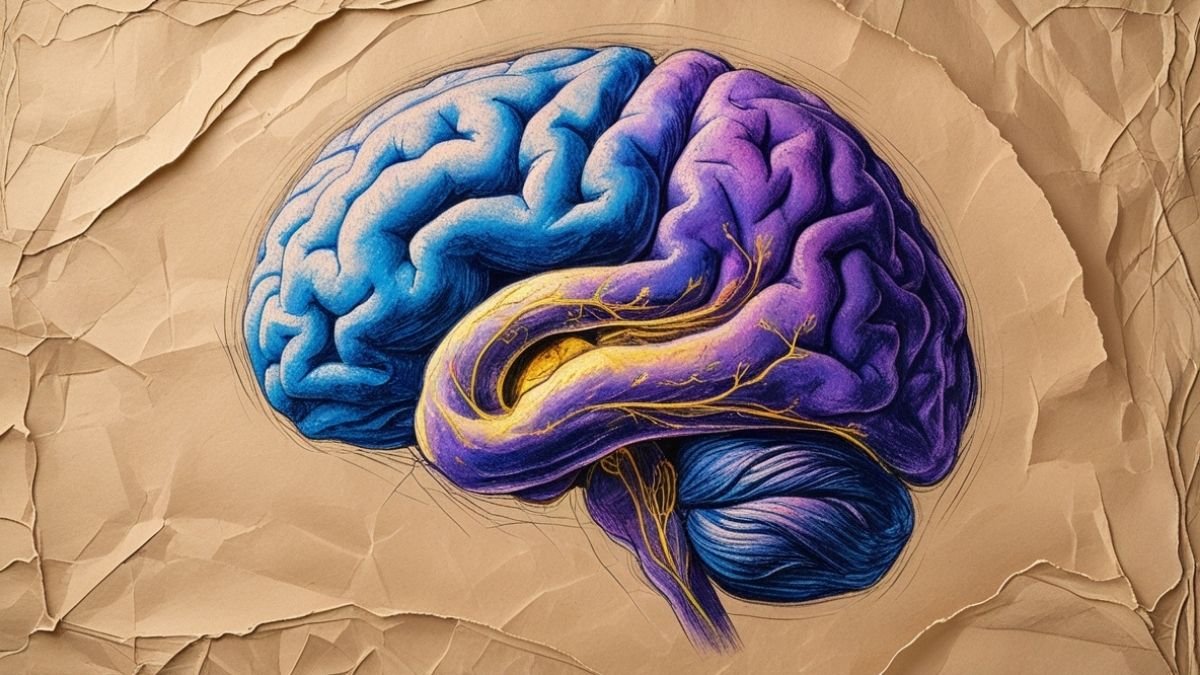
Have you ever stopped yourself just before sending a risky text? Or planned out a multi-step project, from a weekend trip to your entire career? Who is the "you" that does that? While it feels like a single self, the part of your brain doing the heaviest lifting for these high-level tasks has a name: the frontal lobe. Think of it as the CEO of your own personal "You, Inc." It sits right behind your forehead, and while you may not be able to see it, it's the part of your brain that makes you, well, you.
Meet Phineas Gage: The Man Who Lost His Filter
To understand what the frontal lobe does, it helps to see what happens when it's gone. In 1848, a railroad foreman named Phineas Gage had a horrific accident where a three-foot-long iron rod was blasted straight through his head, destroying much of his left frontal lobe. Miraculously, he survived. He could walk, talk, and remember things. But he wasn't Gage anymore. Before the accident, he was known as a responsible, well-liked guy. After, his friends said he was "no longer Gage." He became impulsive, profane, and socially inappropriate. He couldn't stick to a plan. In essence, he had lost his brain's CEO. His tragic story became the first real evidence that a specific part of the brain was home to our personality and executive functions.
Your Personal Command Center
So what is this "executive function" stuff? It's a suite of incredibly important mental skills that your frontal lobe manages. It’s your brain’s ability to:
- Plan and Strategize: Deciding what to make for dinner or how to save for retirement.
- Make Decisions: Weighing pros and cons to make a choice.
- Focus Attention: Tuning out distractions to read this article.
- Manage Time: That feeling of "I have three hours to get this done" comes from here.
- Regulate Emotions and Impulses: This is the part that stops you from eating the entire cake or yelling at your boss. It's your internal filter.
Every time you choose a long-term reward (studying for a test) over a short-term pleasure (binge-watching a new series), you can thank your hardworking frontal lobe.
The Seat of Your Personality
Beyond just managing tasks, the frontal lobe is intimately tied to who you are. It’s where your personality is expressed, where your social awareness lives. It helps you understand social cues, feel empathy for others, and adjust your behavior to fit different situations (you probably act differently with your grandma than you do with your best friends, right?). It’s the part of you that can think about your own thoughts—a nifty trick called metacognition—and contemplate your place in the universe. It’s the most recently evolved part of the human brain, and it’s what gives us our complex, nuanced, and sometimes very weird, human nature.
Keeping Your CEO Happy
Here’s the cool part: your frontal lobe isn’t a fixed, unchangeable thing. It's the last part of your brain to fully mature, not finishing its development until you're in your mid-twenties! (Which explains... a lot about being a teenager). And you can help it work better. Things like getting enough sleep, managing stress, practicing mindfulness, and even playing strategy games can all help sharpen your executive functions. So next time you make a good decision or hold your tongue when you’re angry, take a second to silently thank the incredible, sophisticated, and ever-so-crucial CEO in your skull.
When do you feel your frontal lobe working the hardest? Is it when you're planning, resisting temptation, or trying to focus? Share your "brain workout" moments in the comments!
Deep Discussion Questions:
- Now that you know more about the frontal lobe, can you think of a time when you clearly acted from a less-developed or "offline" frontal lobe (e.g., when you were tired, stressed, or a teenager)?
- How does understanding the role of the frontal lobe change how you view concepts like "willpower" or "laziness"?
- In a world full of digital distractions, what are some practical strategies you can use to help your frontal lobe stay focused on what's important to you?
Speaking Challenge:
For 60 seconds, explain the job of the frontal lobe to a 10-year-old. You can't use complicated terms like "executive function" or "metacognition." You have to use analogies and simple examples.
Hint for English Learners: The key here is using metaphors and similes. "The frontal lobe is like the captain of a ship..." or "It works like the brakes on a car..." This challenges you to simplify complex ideas, which is a fantastic language skill.






0 Comments