Let's Sharpen Your Descriptive Skills
Welcome to this writing workout! If you're aiming for top marks in an English exam, you know that simply stating facts isn't enough. You need to paint a picture with your words. Descriptive writing is a core skill that shows examiners you have a rich vocabulary and a command of the language. The best way to approach this lesson is to follow along, step-by-step. Don't just read it; engage with the process. By the end, you'll have the tools to make your writing far more vivid and memorable.
The Challenge: Capturing a Smell in Words
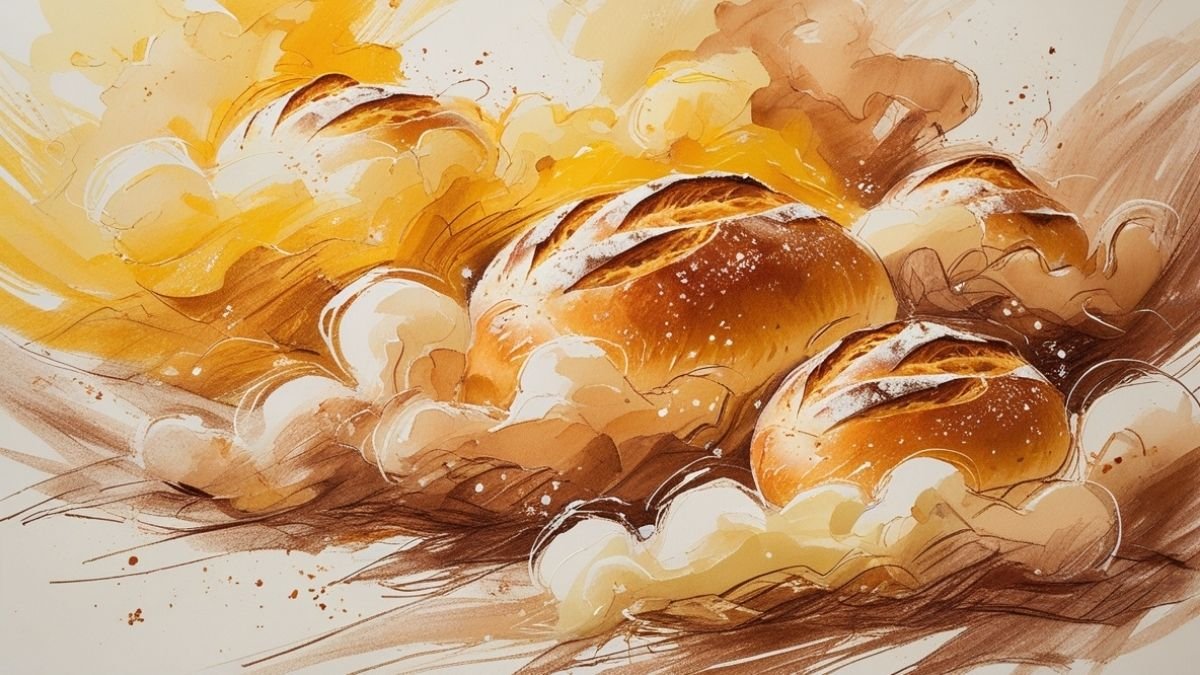
So, here’s our task: write a descriptive paragraph about the aroma of freshly baked bread.
It sounds simple, but capturing a smell—something so intangible—and making someone else experience it through words is a real test of skill. How do you go beyond just saying, "It smelled good"? The goal is to transport your reader, to make their mouth water, to evoke a feeling of comfort and warmth, all through the power of your description.
So, how do we tackle this? Let's map out a simple, effective plan:
- Brainstorming Beyond the Obvious: We'll start by thinking not just about the smell, but about all the senses and memories associated with it.
- Gathering Powerful Words: We'll hunt for vivid adjectives and strong verbs that bring the description to life.
- Building the Paragraph: We'll structure our ideas with a clear topic sentence and supporting details.
- Adding a Touch of Artistry: We'll explore using figurative language like similes and metaphors to create powerful imagery.
- Drafting and Polishing: We'll go from a rough idea to a perfectly polished final paragraph.
Ready? Let's walk through it together.
Step-by-Step Guide to Descriptive Mastery
[ppp_patron_only level=5]
Step 1: Brainstorming Your Senses
Before writing a single sentence, let's think. When you imagine the smell of baking bread, what comes to mind? Let's go beyond just "bread smell."
- Smell: Warm, yeasty, sweet, slightly tangy, rich, earthy, nutty, comforting, wholesome.
- Sight: Golden-brown crust, cracks on the surface, soft and fluffy inside, steam rising.
- Sound: The crackle of the crust as it cools, the thud as it's placed on a board, the knife slicing through it.
- Feeling/Touch: The warmth radiating from the loaf, the crisp texture of the crust, the soft, pillowy interior.
- Taste: Melting butter, sweetness, a slight sourdough tang.
- Memories/Emotions: Home, comfort, grandma's kitchen, safety, happiness, nostalgia.
Look at that! We now have a rich palette of ideas to draw from, not just a single smell.
Step 2: Choosing Powerful Vocabulary
Now, let's upgrade our words. The key is to use strong, specific language.
Common Mistake: Relying on simple, overused words.
- Bad Example: "The bread smelled nice. It was hot and good."
These words don't paint a picture. Let's find better ones.
| Instead of... | Try... |
| nice/good smell | aroma, scent, fragrance, perfume |
| came from | wafted, drifted, emanated, billowed |
| hot | warm, radiating heat, oven-fresh |
| brown | golden, amber, caramel-hued, burnished |
| soft | pillowy, yielding, tender, cloud-like |
Using stronger verbs means you need fewer adverbs. "The aroma drifted" is stronger than "The aroma moved slowly."
Step 3 & 4: Structuring with a Touch of Artistry
A good paragraph needs a solid structure and a bit of flair. Let's combine these steps. We'll start with a topic sentence to set the scene. Then, we'll add supporting details using our sensory words. We can also weave in a simile (a comparison using "like" or "as") or a metaphor (a direct comparison).
Let's start building, from bad to brilliant.
The First Draft (A Bad Example):
The smell of baking bread is in the air. It comes from the kitchen. It is a very good smell. It makes me feel hungry and reminds me of home. The bread is brown and looks nice.
Why is this weak? It tells the reader things ("it is a very good smell") instead of showing them. The vocabulary is basic, and there are no sensory details.
The Second Draft (Getting Better):
The warm, yeasty smell of freshly baked bread drifts from the kitchen. It's a comforting aroma that makes me feel hungry. I can almost see the golden-brown crust and the steam rising from it. It reminds me of being in my grandmother's house.
This is much better! We have stronger vocabulary ("drifts," "comforting aroma," "golden-brown") and more sensory information.
The Final, Polished Version (Putting It All Together):
It begins as a subtle warmth, a soft, yeasty promise that wafts from the oven and slowly conquers the entire house. The aroma of freshly baked bread is a complex perfume, weaving together the earthy scent of toasted grain with a delicate, almost floral sweetness. It’s an aroma as comforting as a thick blanket, a tangible warmth that seems to settle on your shoulders, melting away the day's chill. This is the scent of home itself, a golden, edible cloud of pure nostalgia that speaks not just to the stomach, but directly to the heart, promising the simple, profound joy of a crackling crust and a pillowy, steaming center.
See the difference? We used:
- Strong Verbs: "wafts," "conquers," "weaving," "melting."
- Rich Adjectives: "subtle," "yeasty," "complex," "earthy," "tangible."
- A Simile: "as comforting as a thick blanket."
- A Metaphor: "a golden, edible cloud."
- Other Senses: We hinted at touch ("tangible warmth") and sight ("golden," "crackling crust").
[/ppp_patron_only]
Key Takeaways and Your Next Challenge
So, what did we learn? To write powerful descriptions, you need to:
- Engage Multiple Senses: Don't just focus on the obvious one.
- Use Vivid, Specific Vocabulary: Hunt for powerful adjectives and verbs.
- Show, Don't Tell: Instead of saying it was "good," describe why it was good.
- Use Figurative Language: Similes and metaphors can create unforgettable images.
Your Optional Writing Challenge:
Now it's your turn to put this into practice. Choose one of the following prompts and write a single, powerful descriptive paragraph.
- The sound of a heavy thunderstorm.
- The feeling of stepping into a cool lake on a blazing hot day.
- The taste of your favorite childhood candy.
Remember, writing is a muscle. The only way to make it stronger is to use it. Take on the challenge!








0 Comments