
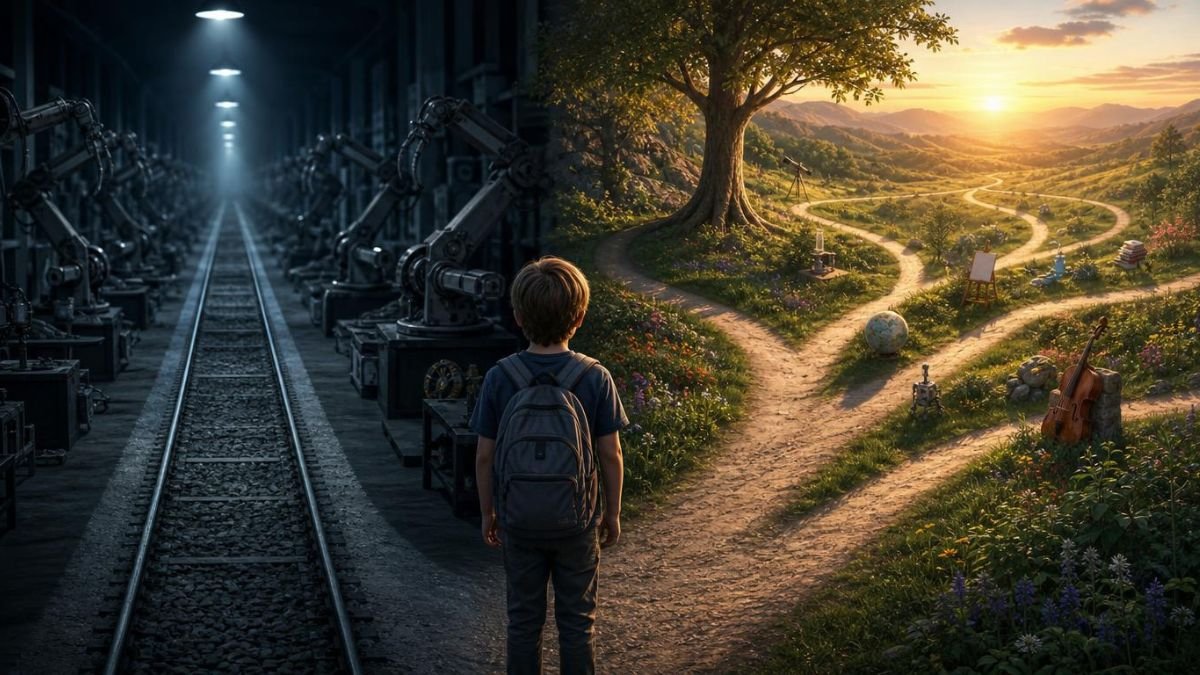
Let’s start with a picture both you and I may imagine. You’re at a crossroads in life—trying to learn a new skill, solve a problem, or even just figure out how the coffee machine at work actually works. You start by asking the most obvious question, “How do I do this?” But once you’ve figured out the mechanics, doesn’t a tiny part of you ever wonder, “Why does it work this way? Couldn’t it be better?” And then, if you’re like the dreamers and tinkerers of the world, you take it a step further: “What if we scrapped the whole thing and did something completely different?”
This isn’t just about coffee machines. Think about anything in life—your job, your relationships, the way society functions. Some people stop at how, and that’s fine. Others keep going to why, which is where things get interesting. But the real game-changers? They’re the ones asking what if. And these three simple questions can completely transform the way we learn, work, and create.
At its core, learning starts with how. How do I cook this dish? How do I fix my bike? How does gravity work? It’s the foundation, the starting point. Without it, we’d all be fumbling around in the dark. But how only gets you so far. It teaches you the rules, but not the reasons.
Then there’s why. Why does this dish taste better with salt? Why do bikes stay balanced? Why does gravity work the way it does? Suddenly, you’re not just following instructions—you’re understanding the system behind them. Asking why opens doors to insight and depth.
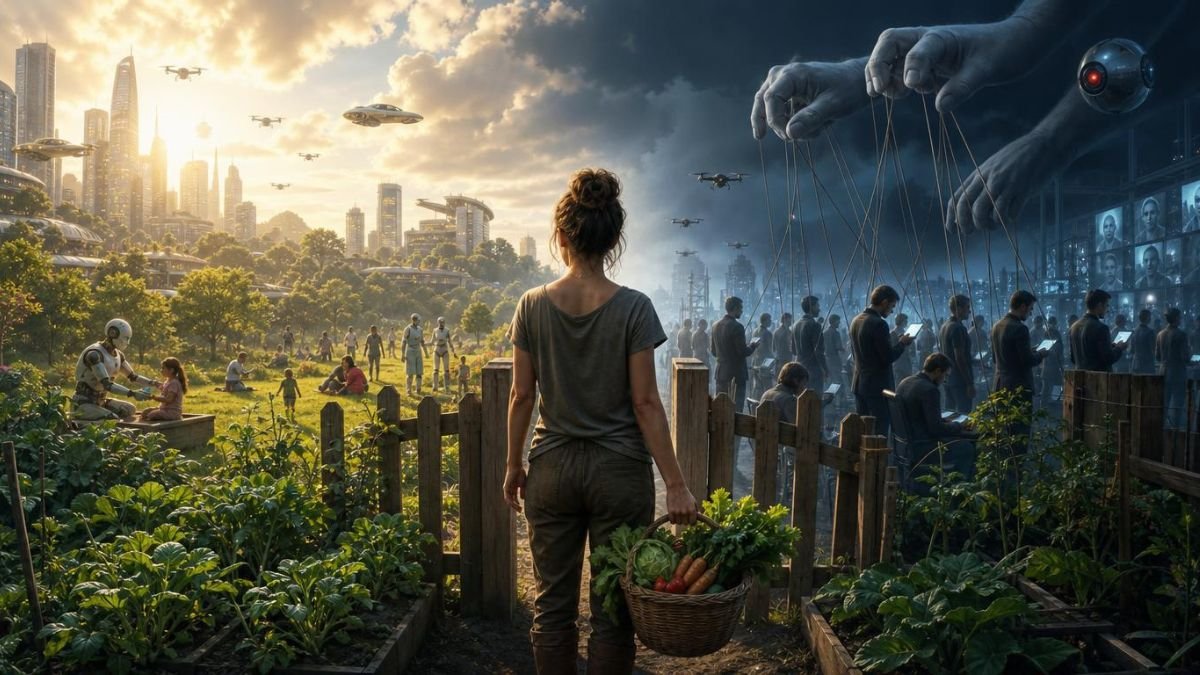
And then there’s the ultimate question: what if? What if I combined these ingredients in a new way? What if bikes could balance themselves? What if we could manipulate gravity? This is where imagination takes over, where breakthroughs happen, and where entire paradigms shift.
Let’s look at science. A good physicist learns how the universe works: the laws of motion, thermodynamics, quantum mechanics. They know the equations and can solve the problems. That’s great—we need people who know how.
A great physicist goes deeper and asks why. Why do objects behave the way they do? Why does energy move the way it does? Why does light bend? They don’t just follow the rules; they interrogate them. Think of someone like Richard Feynman, who didn’t just solve problems—he explained them so clearly that anyone could understand the why.
But an exceptional physicist? They ask what if. What if time isn’t linear? What if there’s another dimension we can’t see? What if the universe isn’t what we think it is? These are the Einsteins of the world—the ones who imagine entirely new frameworks, like relativity, that change everything we know.
Now take writing. A good writer knows how to write well. They’ve mastered grammar, sentence structure, and storytelling basics. Their work is polished and professional. They’re solid.
A great writer asks why. Why does this character’s decision feel real? Why does this scene evoke so much emotion? Why does the pacing in this story work so well? They don’t just write—they analyze, tweak, and refine to make every word meaningful.
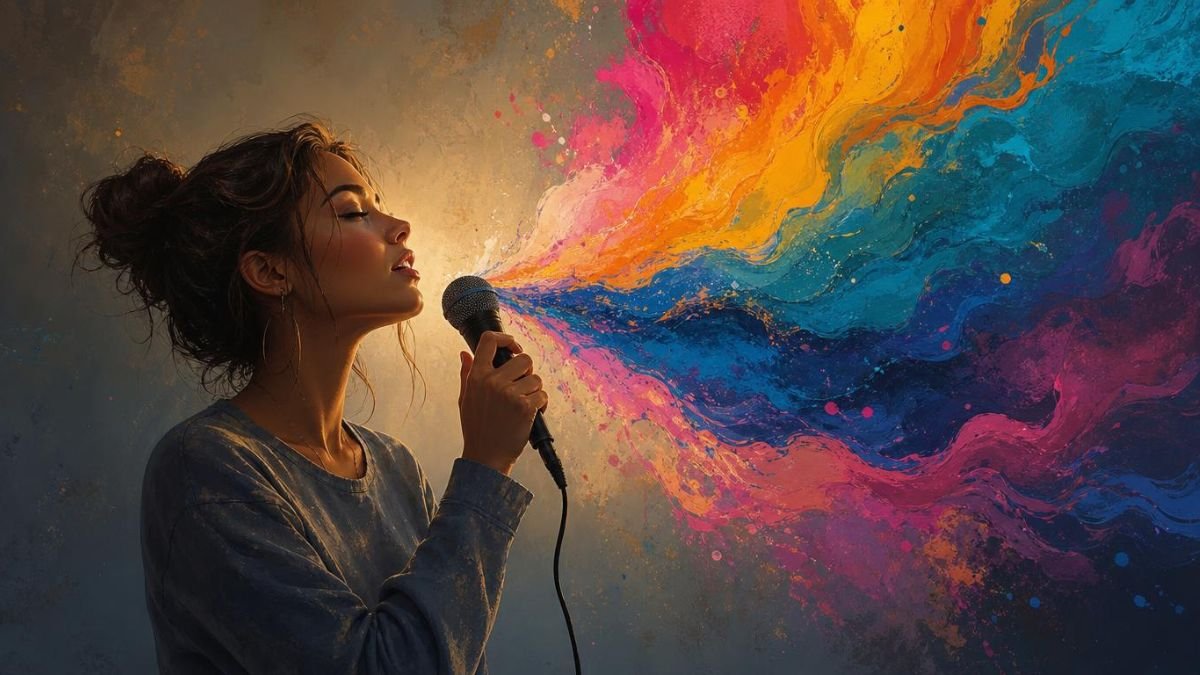
And then there are the exceptional writers, the ones who ask what if. What if stories didn’t follow traditional rules? What if characters could break the fourth wall? What if a novel could be written entirely in footnotes? These are the writers who redefine genres and create entirely new ways to experience storytelling. Think of someone like Gabriel García Márquez, who asked, “What if we blended reality and fantasy?” and gave us magical realism.
Here’s the thing: not everyone needs to ask what if. The world runs on people who master how and those who dig into why. Not every cook needs to be a molecular gastronomist; not every writer needs to reinvent the novel. And that’s perfectly okay.
But if you’re feeling that itch—that curiosity tugging at you—know this: moving from how to why, and from why to what if, is a choice. It’s not easy. It means questioning the rules, pushing boundaries, and sometimes failing spectacularly. But it’s also where the magic happens.
So, whether you’re a student, a professional, an artist, or just someone trying to figure out how to make life a little better, ask yourself: where do I stop? And where do I want to go next?
Because the what if people? They’re not just learners. They’re creators. They’re innovators. They’re the ones who turn the world upside down just to see what might fall out. And maybe, just maybe, that could be you.
Danny Ballan
Editor-in-Chief
English Plus Magazine



0 Comments