From the genesis of Slender Man on a forum to the moral panic of the Momo Challenge, discover how the internet, creepypasta, and collaborative storytelling have created a terrifyingly new breed of urban legend.


From the genesis of Slender Man on a forum to the moral panic of the Momo Challenge, discover how the internet, creepypasta, and collaborative storytelling have created a terrifyingly new breed of urban legend.

Think all urban legends are fake? Think again. We investigate the chilling cases, from sewer gators to hotel horrors, where unbelievable folklore has a basis in fact.

Travel the globe with the “Vanishing Hitchhiker” legend. Discover how this single story transforms into a Hawaiian goddess, a Latin American demon, and a Japanese ghost, reflecting each culture’s unique beliefs and fears.
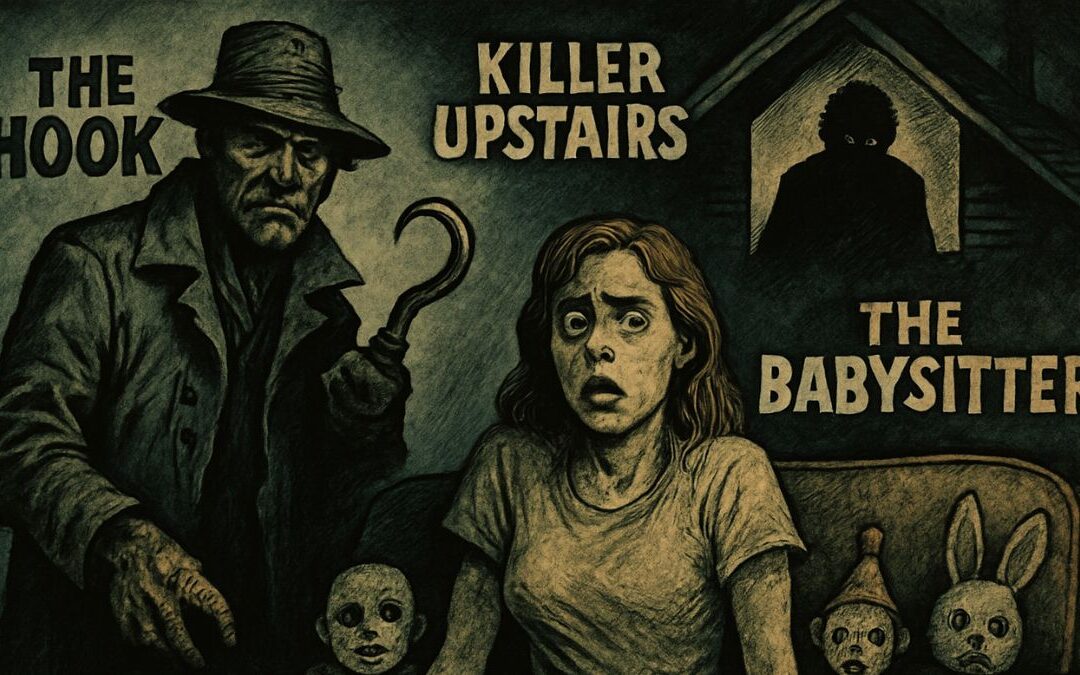
Ever wonder why classic urban legends always star women in peril? We explore how tales like “The Hook” reflect deep societal anxieties about female independence.

Explore the psychology behind urban legends. Learn how cognitive biases like confirmation bias and emotional narratives make us believe and share stories that aren’t true.
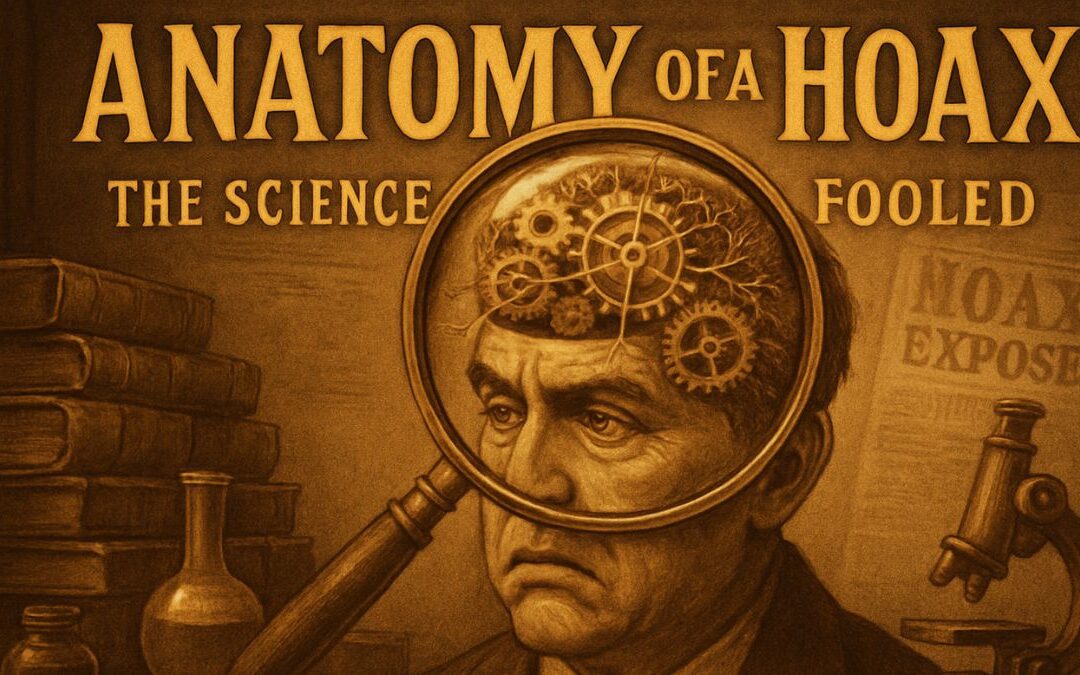
Ever wonder why you fall for online hoaxes? Discover the cognitive biases and emotional triggers manipulators exploit and learn how to build your mental toolkit.

What is your most vivid childhood memory? The story of your first love? The moment you achieved a great success? What if I told you that memory might be wrong? This week, in our series finale, we tackle the most personal biases of all—the ones that live inside our own heads. We’ll discover how easily false memories can be planted, why we only remember the best and worst moments of a vacation, and how you might be accidentally stealing ideas. Prepare to question everything you think you know about your past.

The true goal of learning about cognitive biases isn’t to become a perfect robot. It’s to become a “Rational Empath.” This capstone article explores how understanding our own flawed thinking leads to greater compassion, forgiveness, and wisdom.

Cognitive biases rarely act alone. Discover how biases interact and compound each other in a “cognitive cascade.” Using the legendary “New Coke” failure as a case study, we deconstruct how a chain reaction of flawed thinking leads to disastrous outcomes.
Can you avoid common social pitfalls like Groupthink or the Bystander Effect? Take this scenario-based quiz to learn actionable strategies for smarter social interaction.

Tired of failed weight-loss resolutions? This New Year, try a “Character Resolution.” Learn how to become a “Luminary”—a source of light, warmth, and stability in your workplace and home.

From the fireballs of Scotland to the candles of Scandinavia, join us on a global tour of light traditions. Discover the meaning behind St. Lucia, Diwali, Kwanzaa, and Hogmanay, and why we all crave light in the dark.

Cold nights mean clear skies. Discover the science and philosophy of winter stargazing, from the “time travel” of looking at stars to the psychology of awe. Connect with the cosmos this season.

Carrying a grudge is like drinking poison and expecting the other person to suffer. As the New Year approaches, learn why “unilateral forgiveness” is the ultimate act of self-care and how to let go of the heavy baggage from the past year.

Why do we love reading about freezing characters? From Dickens to Narnia, we explore how literature uses winter as a powerful symbol of isolation, clarity, and the necessity of warmth.

Feeling overwhelmed by political arguments and family tension? Learn the “Lighthouse Effect”—a strategy to remain a calm, non-anxious beacon in a polarized world. Master active listening and empathy this season.