The “Scramble for Africa” & Sykes-Picot created borders that sparked conflict. This article pivots to the solutions: cross-border economic zones, the AU, and cultural festivals that are making those lines irrelevant.
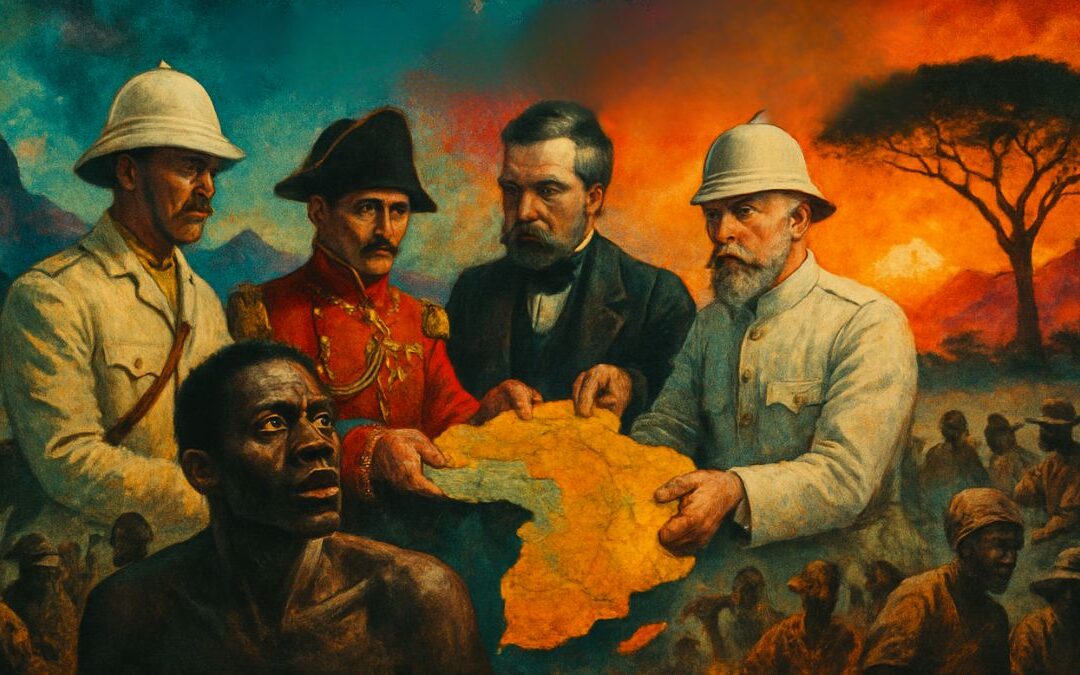

The “Scramble for Africa” & Sykes-Picot created borders that sparked conflict. This article pivots to the solutions: cross-border economic zones, the AU, and cultural festivals that are making those lines irrelevant.
Does your vocabulary come from Hindi, Swahili, or Chinese? This fun quiz teaches you the global origins of ‘shampoo,’ ‘safari,’ ‘ketchup,’ and more!
This fun fashion quiz helps you trace the global origins of textiles. Match patterns like Paisley, Kente cloth, and Batik to their home countries and celebrate our shared textile heritage.
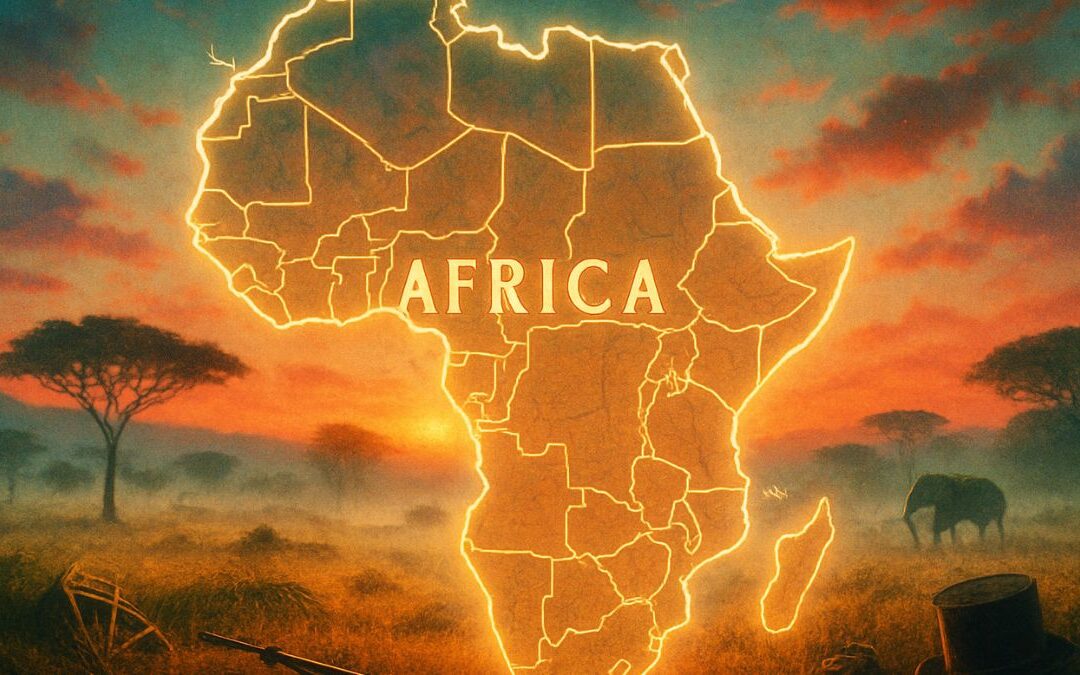
Compare the maps of Africa from 1880 to 1914. This quiz explains the “Scramble for Africa,” the Berlin Conference, and the lasting legacy of the borders that shape the continent today.
Move beyond the old debates. This engaging quiz teaches you the positive, forward-looking vocabulary of cultural heritage, including ‘repatriation,’ ‘provenance,’ and ‘digital preservation.’
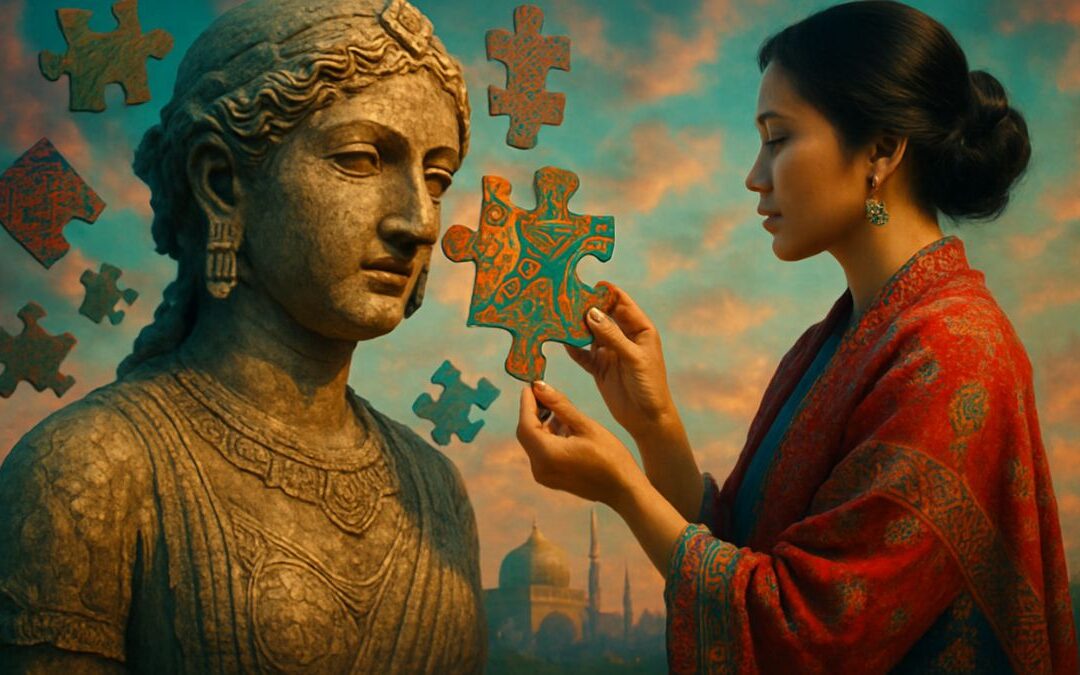
Move beyond the “stolen art” debate. Discover how cultural repatriation is not an end, but a beginning for healing cultural trauma, building mutual respect, and forging new, equitable global partnerships.
What shapes your modern identity? Is it “Westernization” or just… evolution? This column explores the feeling of being “in-between,” and asks if loving global art, ideas, and music means losing your roots—or simply building a more complex self.
Explore the complex issue of foreign land acquisition. This advanced listening practice (IELTS/TOEFL) examines ‘land grabbing’ and contrasts it with solutions like community ownership and legal frameworks.
An advanced listening practice (IELTS/TOEFL) analyzing the 1953 Iranian coup (Operation Ajax). Understand the “how and why” behind Mossadegh’s overthrow and its long-term impact.
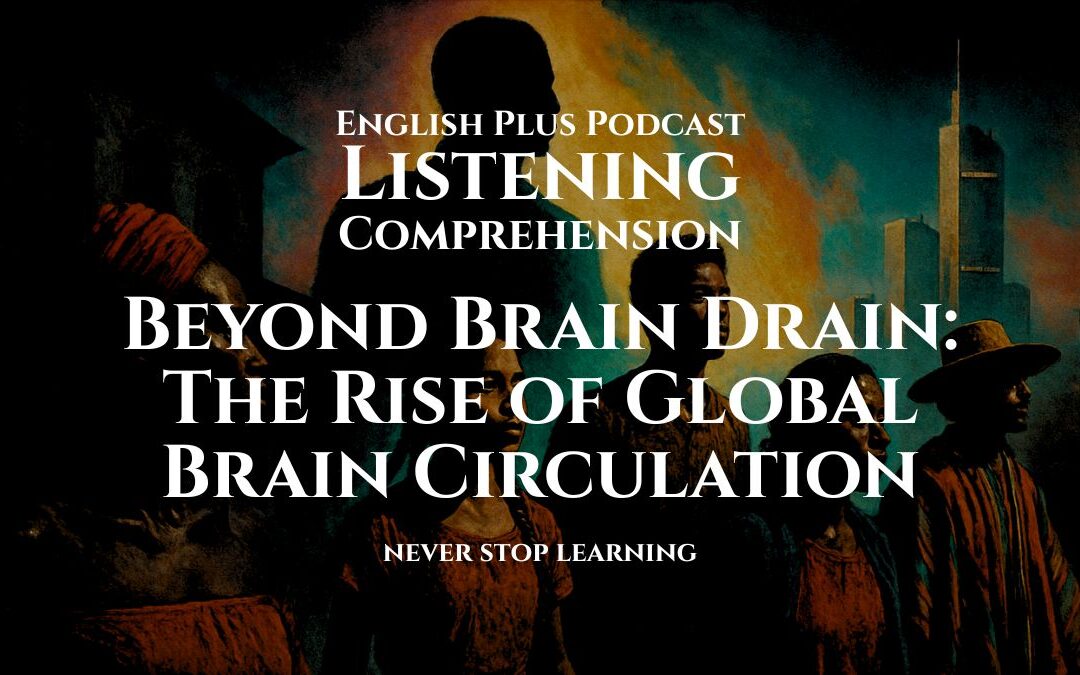
An advanced listening practice (IELTS/TOEFL) exploring the “brain drain” phenomenon and the modern solutions, like remote work and “brain circulation,” that are changing global talent flow.

We live in the age of one-click everything, but what are we actually paying for all this ease? From eroded attention spans and vanishing communities to invisible gig workers absorbing our friction, this deep dive explores the hidden human toll of modern convenience and asks the uncomfortable question: is effortless living making our lives worse?

We’ve engineered a world so convenient it’s quietly making us helpless. Danny explores the absurdity of smart fridges, dopamine loops, and a civilization that can’t survive a Tuesday afternoon power cut — with the dry wit and uncomfortable honesty the topic deserves.
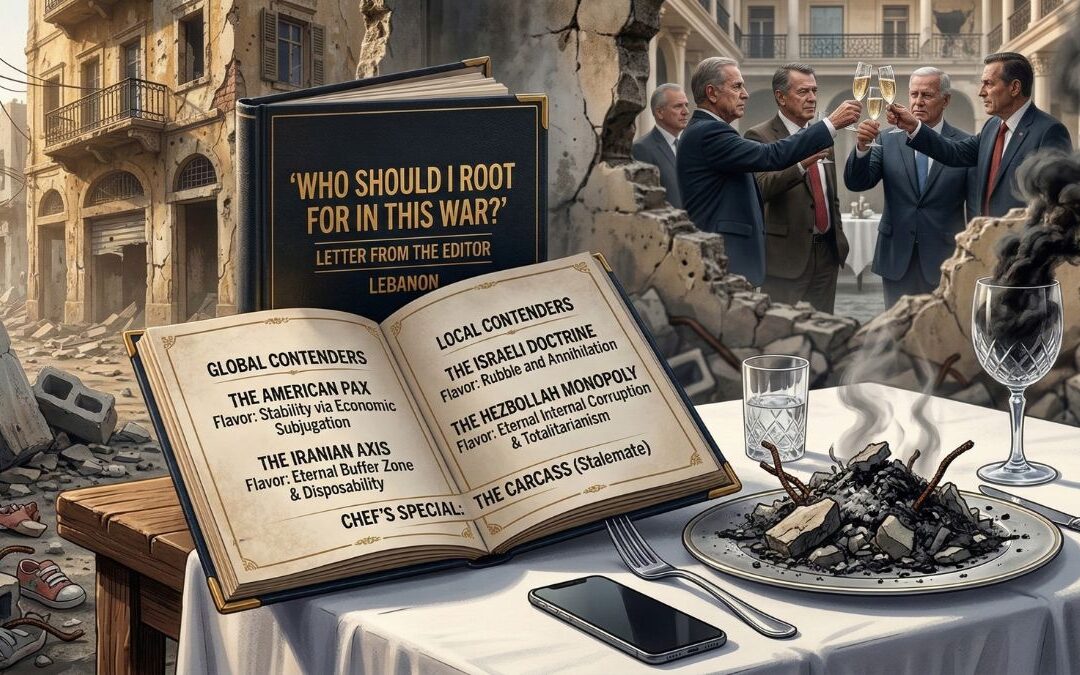
A deeply emotional and satirical editorial undressing the hypocrisy of the war in Lebanon. When global powers and local factions fight for their own gain, who should we really root for?
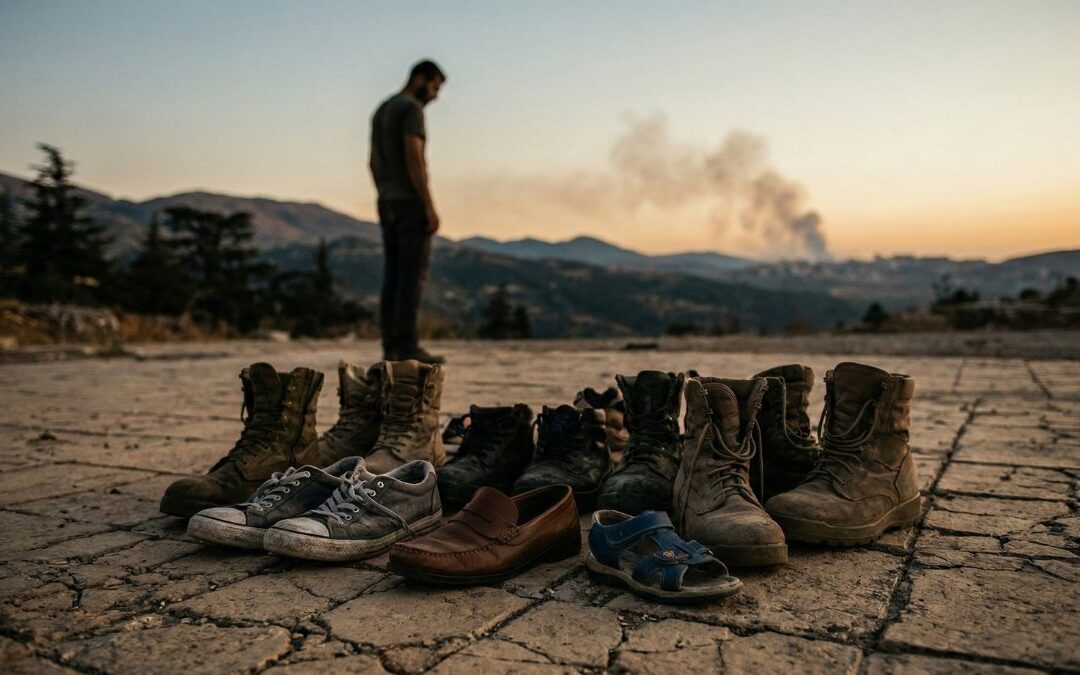
An emotional, stream-of-consciousness editorial exploring the human psyche behind the conflict in Lebanon. Walk in the shoes of all parties—soldiers, strategists, and civilians—to find the tragic irony, cognitive dissonance, and shared fear that drive the endless cycle of violence.
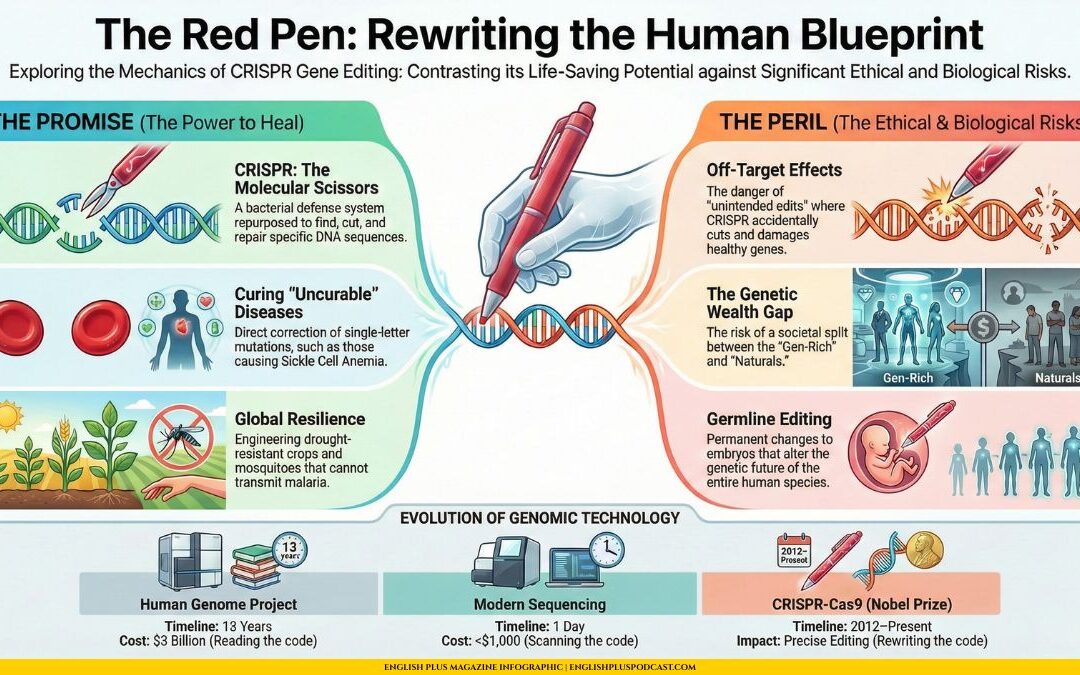
Explore the revolution of CRISPR and Genetics. From the Human Genome Project to designer babies, discover how we are learning to edit the code of life.

Why does ice float? It defies the laws of physics that apply to almost everything else. We dive into the density anomaly of water to reveal how a simple ice cube is actually a molecular miracle keeping life alive.