Does your vocabulary come from Hindi, Swahili, or Chinese? This fun quiz teaches you the global origins of ‘shampoo,’ ‘safari,’ ‘ketchup,’ and more!

Does your vocabulary come from Hindi, Swahili, or Chinese? This fun quiz teaches you the global origins of ‘shampoo,’ ‘safari,’ ‘ketchup,’ and more!
This fun fashion quiz helps you trace the global origins of textiles. Match patterns like Paisley, Kente cloth, and Batik to their home countries and celebrate our shared textile heritage.
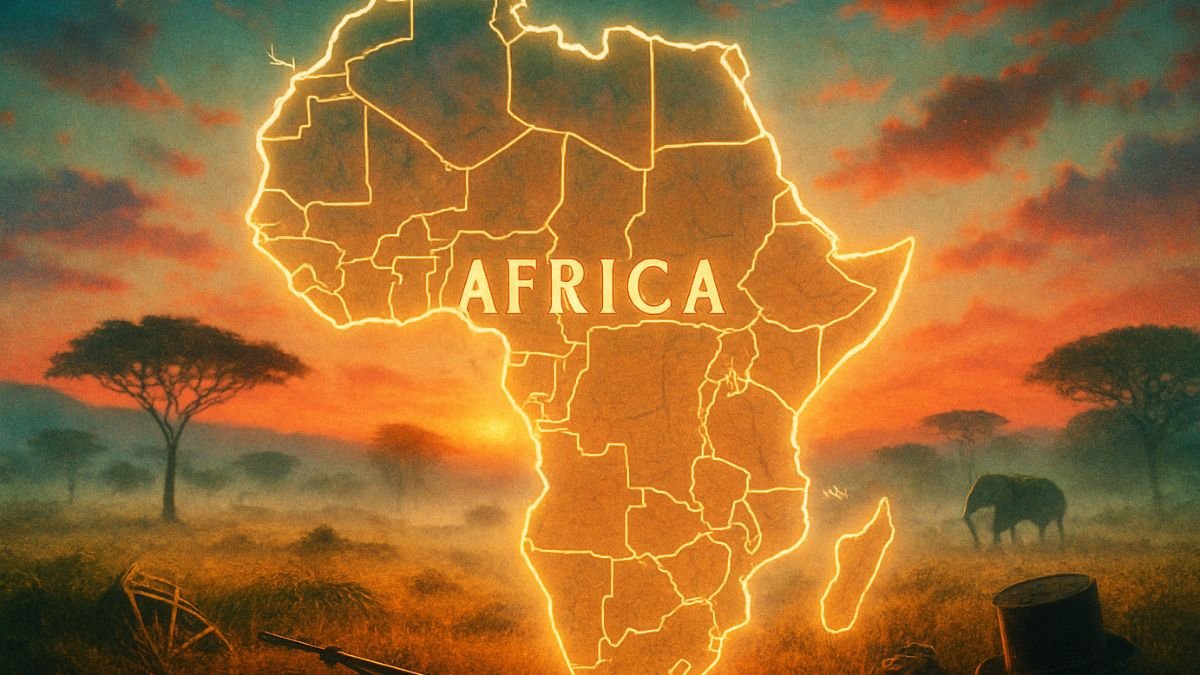
Compare the maps of Africa from 1880 to 1914. This quiz explains the “Scramble for Africa,” the Berlin Conference, and the lasting legacy of the borders that shape the continent today.
Move beyond the old debates. This engaging quiz teaches you the positive, forward-looking vocabulary of cultural heritage, including ‘repatriation,’ ‘provenance,’ and ‘digital preservation.’

Test and learn with a 20-question interactive quiz on pivotal conflicts—from the Napoleonic Wars and World Wars to the Cold War. Discover outcomes, hidden causes, and lasting lessons that still shape our daily lives, politics, and technology.

Sharpen your critical thinking by learning to identify logical fallacies like Ad Hominem, Slippery Slope, and Straw Man. This interactive quiz teaches you to deconstruct weak arguments and think more clearly.
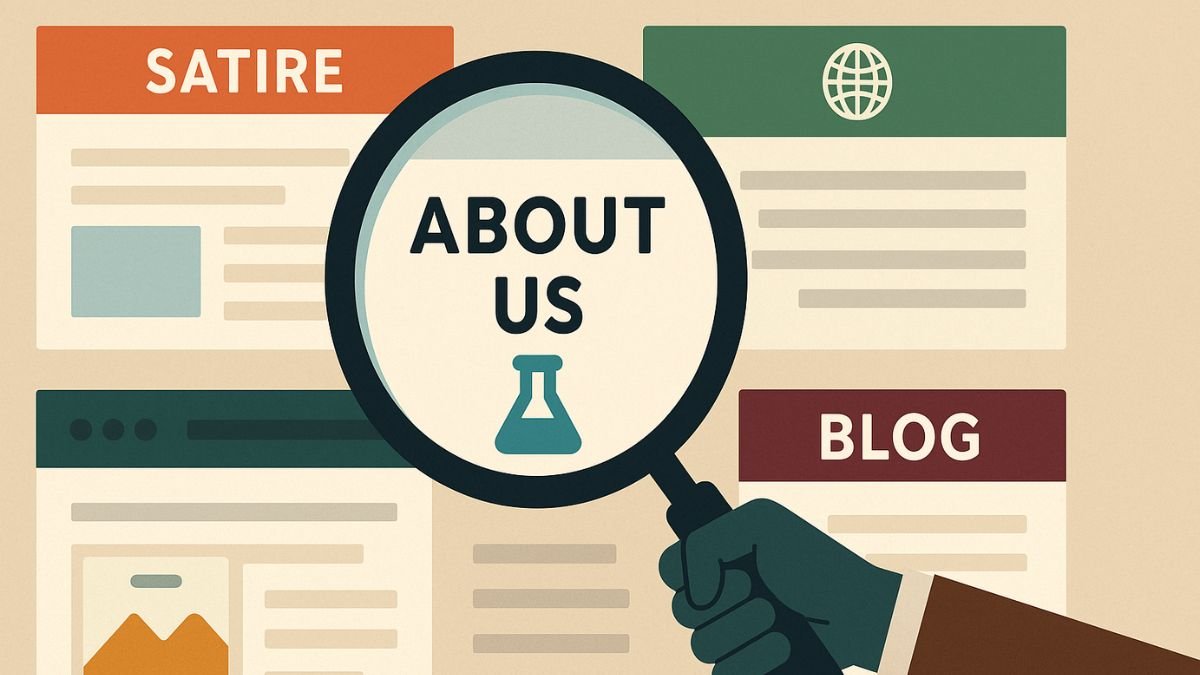
Become a master of media literacy with our “Source Sleuth” quiz. Learn to investigate digital sources, spot red flags in websites and social media, and determine who’s really behind the information you consume.
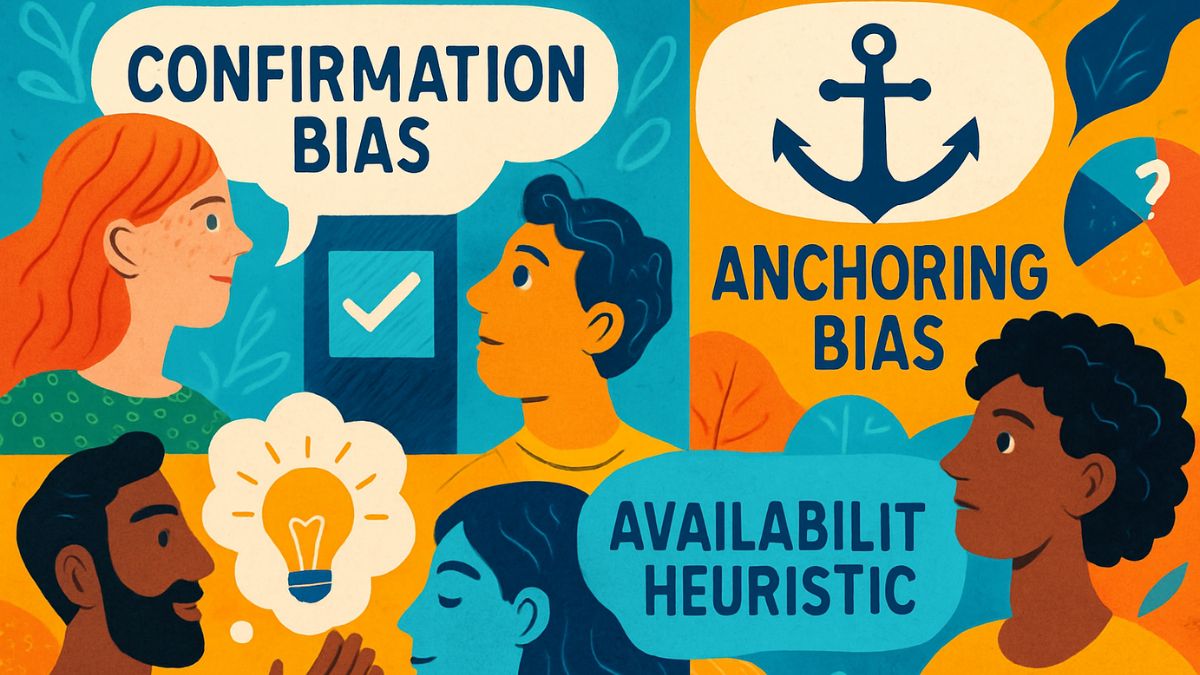
Discover the hidden mental traps that shape your decisions. This interactive quiz on cognitive biases like Confirmation Bias and the Dunning-Kruger Effect will boost your self-awareness and critical thinking skills.
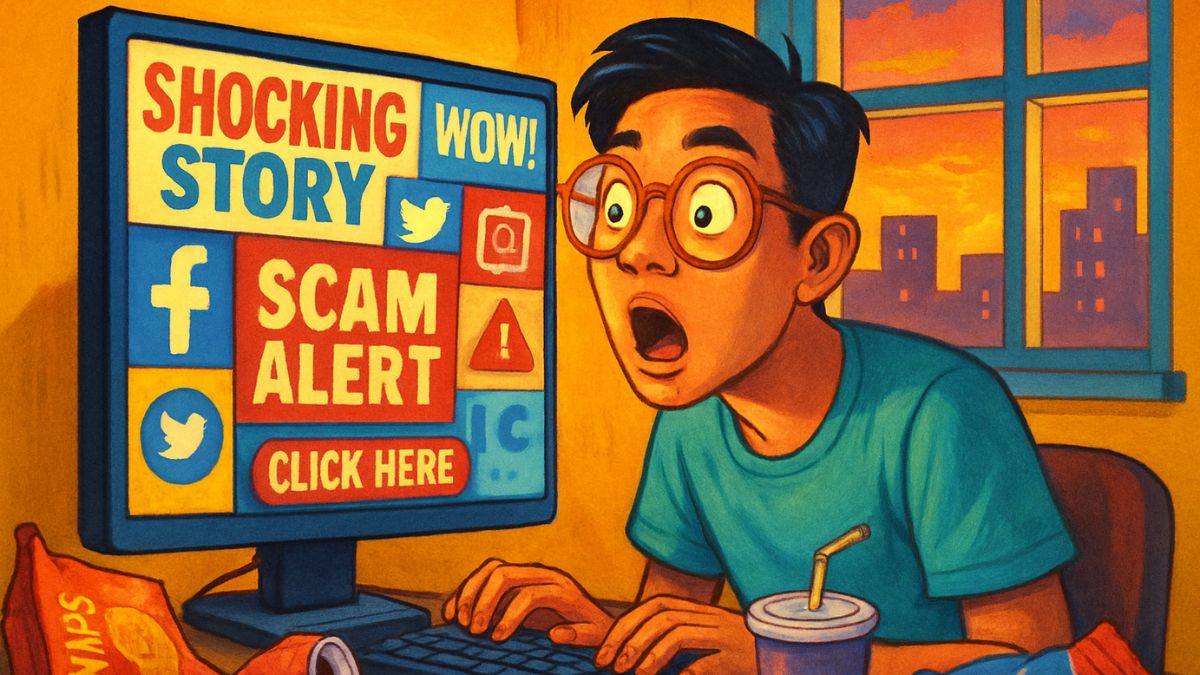
Test your media literacy with our “Headline Hunch” quiz. Learn to identify the red flags of clickbait and bias in news headlines and become a smarter, more critical reader online.

Test your empathy and communication skills with our scenario-based quiz. Learn to identify and challenge stigma in everyday situations at work, at home, and with friends. Become a better ally for brain health.
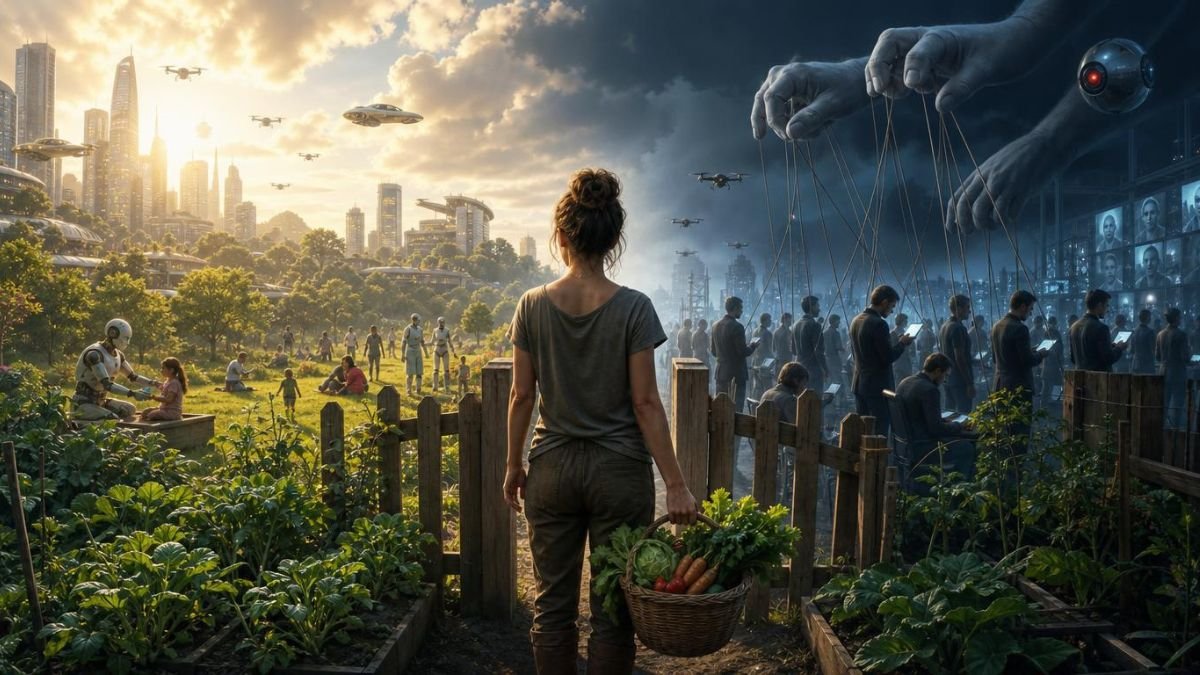
Elon Musk says AI and robots will make work optional within ten to twenty years, funded by government-issued “universal high income.” The promise is sincere. The arithmetic is plausible. The politics are a catastrophe — and for most of the world, the offer isn’t even on the table. An examination of what happens to human dignity, political leverage, and global hope when your livelihood becomes a transfer instead of a claim.
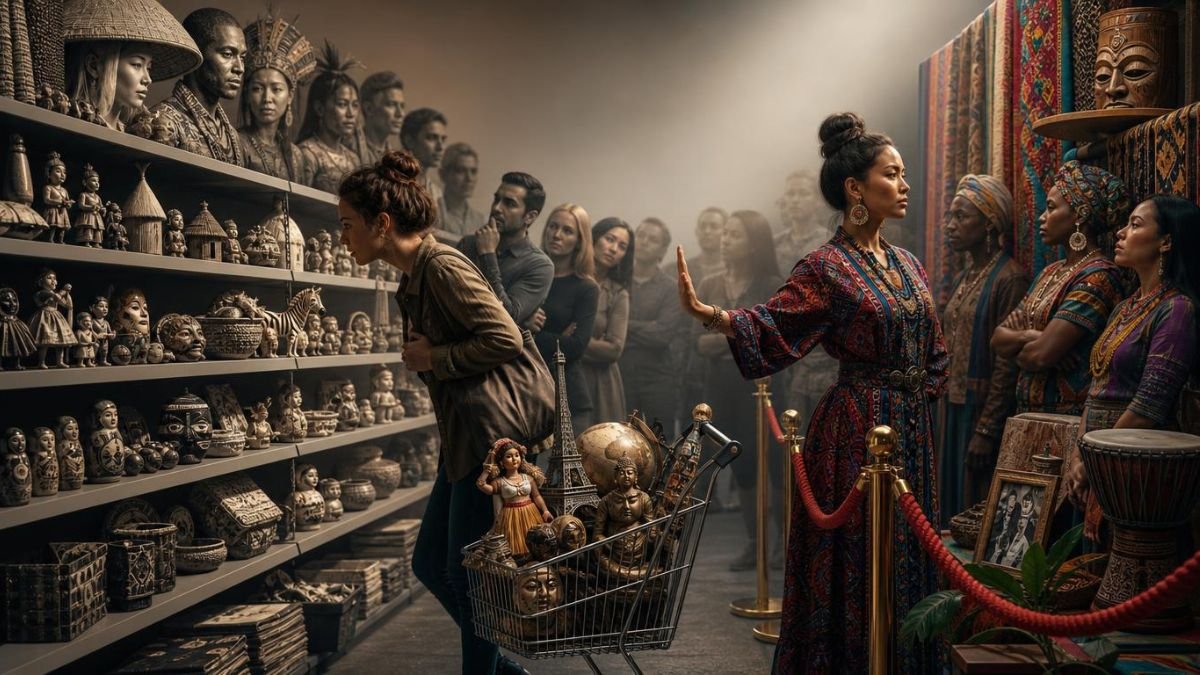
We compress distant cultures into one word and bristle when anyone does it to us. A look at resolution asymmetry — why it happens, when it’s harmless, and when it isn’t.
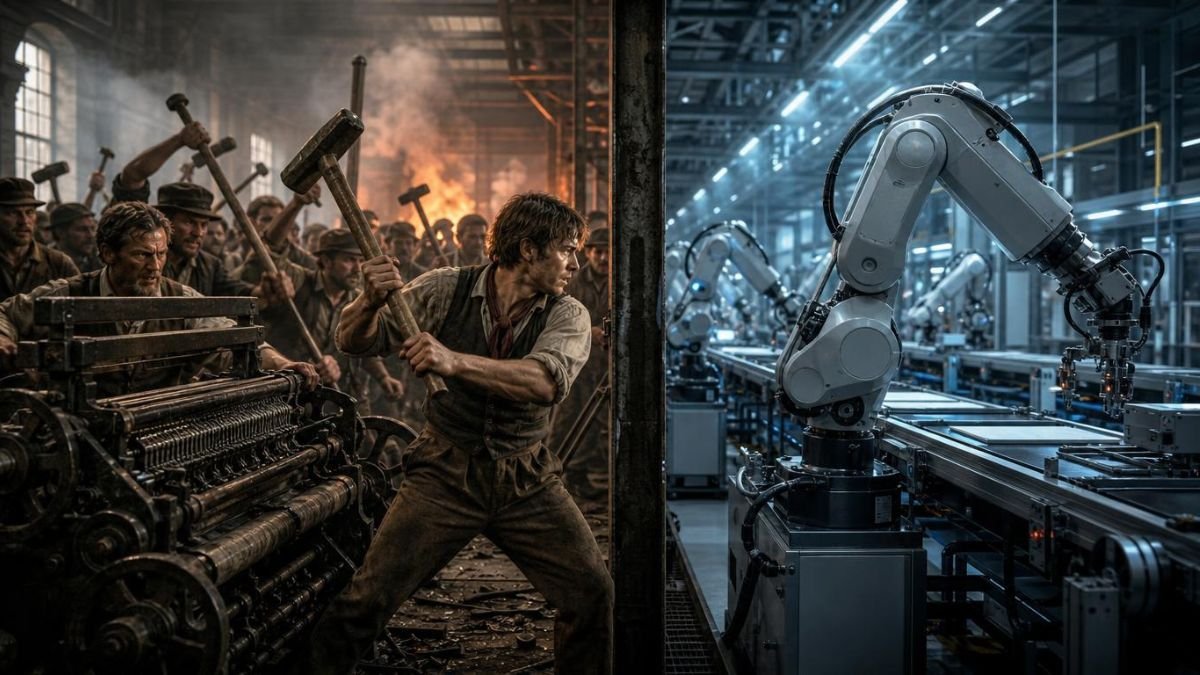
We use “Luddite” to mean technophobe. The real Luddites were skilled workers fighting over who controls technology and who profits from it — the exact fight we’re having about AI right now.

The Luddites are history’s favorite punchline for anyone who fears progress. But they never opposed machines — and the people who actually killed good technology were rarely holding a hammer. A deep dive into the smearing of a movement and the far quieter sabotage that followed.
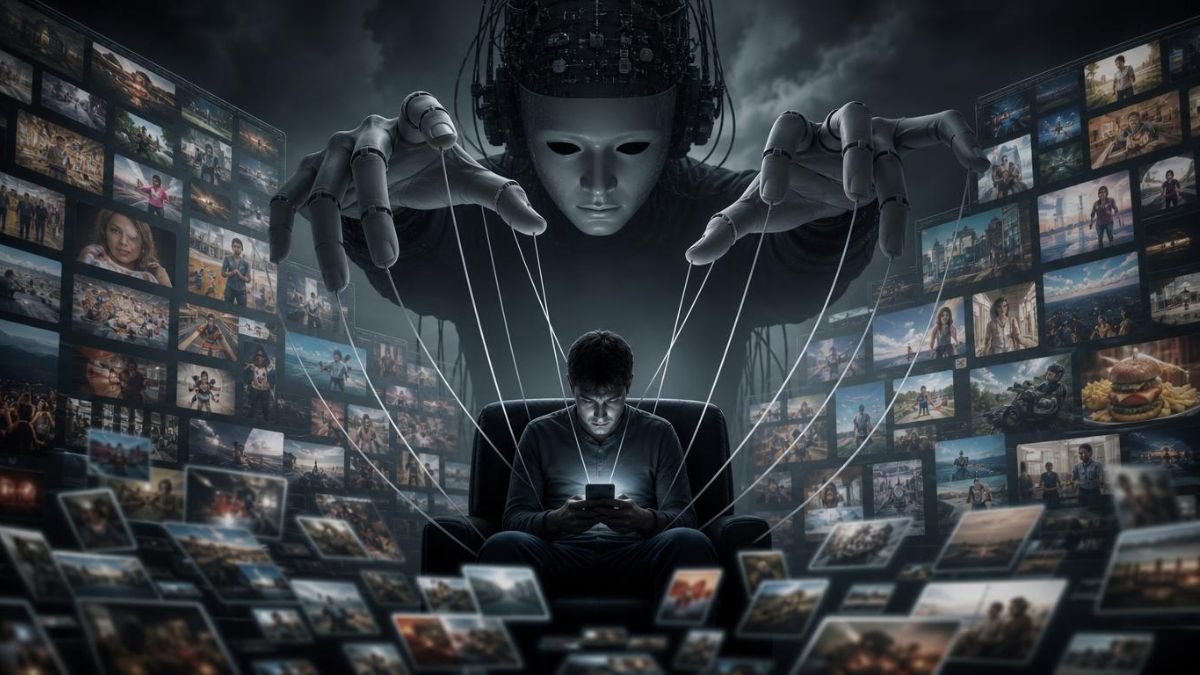
We recoil at AI-generated content while happily consuming whatever an algorithm serves us. This deep dive examines the hypocrisy in our performed disgust, why “human or machine?” is the wrong question, and what a more honest relationship with content actually looks like.

Scientists, poets, and teachers were once public heroes. Now they’re invisible. A deep dive into what actually changed — and what to honestly tell a young person.