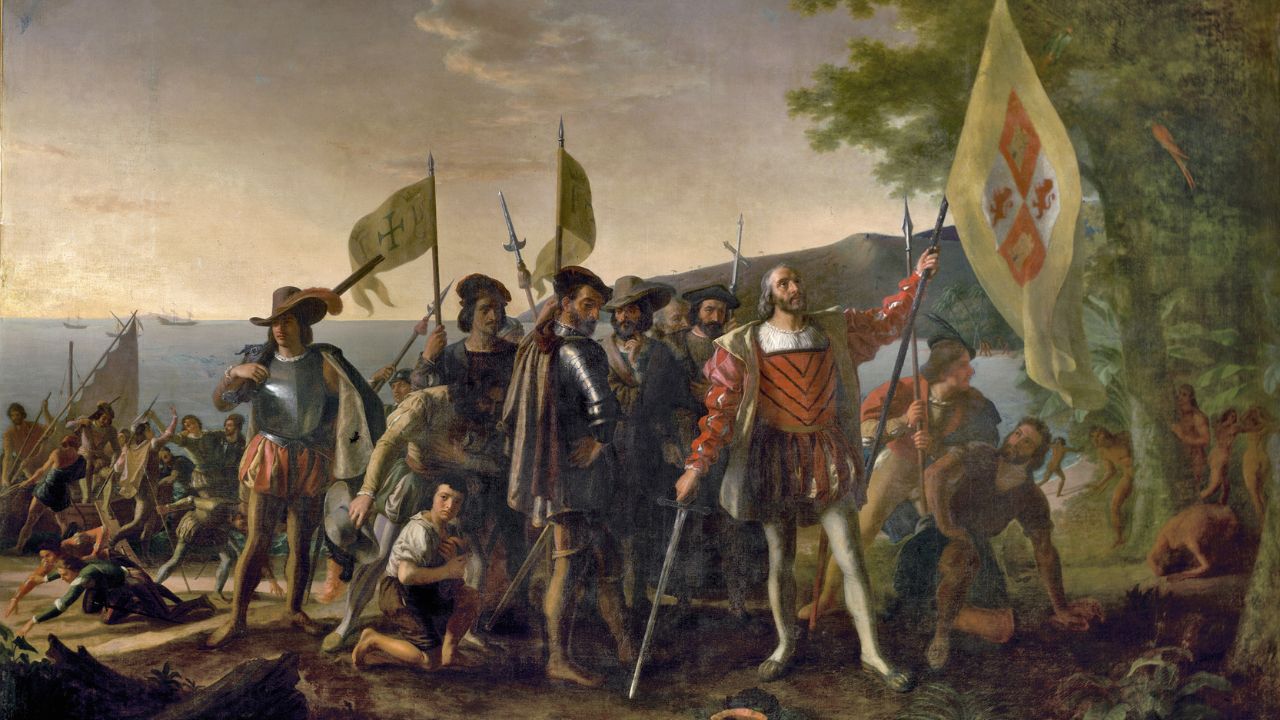
Colonization, a historical phenomenon that precipitated a seismic shift in the global socio-cultural landscape, has left indelible scars on indigenous societies worldwide. This process of territorial acquisition and cultural imposition has catalyzed a radical reconfiguration of indigenous societies, often to their detriment. The legacy of colonization, with its multifaceted implications, continues to reverberate within the lives of indigenous peoples, underscoring the importance of a critical examination of this historical narrative.
At the heart of colonization lies the forcible usurpation of indigenous lands, an act that fundamentally disrupted the socio-economic fabric of indigenous communities. In many societies, land is not merely a physical entity but also a repository of cultural heritage, a source of livelihood, and a locus of spiritual connectivity. The involuntary estrangement from their ancestral territories plunged indigenous peoples into a maelstrom of impoverishment and cultural dislocation.
Furthermore, the introduction of alien economic systems supplanted traditional modes of subsistence, precipitating a cataclysmic shift in indigenous lifestyles. From the encomienda system in Latin America to the indentured labor practices in the Pacific, indigenous peoples were often coerced into exploitative labor arrangements, leading to a profound erosion of their socio-economic autonomy.
Cultural obliteration was another egregious consequence of colonization. Indigenous peoples were subjected to systematic cultural assimilation, an attempt to replace their distinctive cultural practices, languages, and beliefs with those of the colonizers. This cultural imperialism engendered a rupture in the transmission of indigenous knowledge systems, leading to a dilution of cultural diversity and a resultant loss of cultural identity.
Moreover, the colonization process was accompanied by the imposition of Western medical practices and the marginalization of indigenous healing traditions. This marginalization has had a deleterious impact on indigenous health outcomes. The disuse of traditional medicine, coupled with the inadequacy of Western healthcare in addressing indigenous health needs, has perpetuated health disparities among indigenous communities.
Notably, colonization also had a profound psychological impact. The internalization of colonial narratives engendered a sense of inferiority among indigenous peoples, a phenomenon known as colonial mentality. This mentality continues to perpetuate self-deprecation and hinders the resurgence of indigenous pride and identity.
However, the narrative of colonization is not merely a litany of victimhood. Indigenous communities have exhibited remarkable resilience in the face of adversity. They have preserved and revitalized their cultural heritage, resisted cultural assimilation, and sought redress for historical injustices. The Indigenous rights movement, from the Maori sovereignty movement in New Zealand to the Idle No More movement in Canada, exemplifies this struggle for self-determination and justice.
In conclusion, the impact of colonization on indigenous peoples around the world is a complex tapestry of dispossession, cultural erasure, socio-economic marginalization, and resistance. Acknowledging this historical legacy is imperative for fostering reconciliation, promoting indigenous rights, and redressing historical injustices. As we continue to grapple with the echoes of empire, it is crucial to ensure that the voices of indigenous peoples are amplified, their narratives honored, and their rights upheld.
Crossword Puzzle in Context
All the words you need to fill in the following crossword puzzle are taken from the text above! So, yes you can do it!








0 Comments