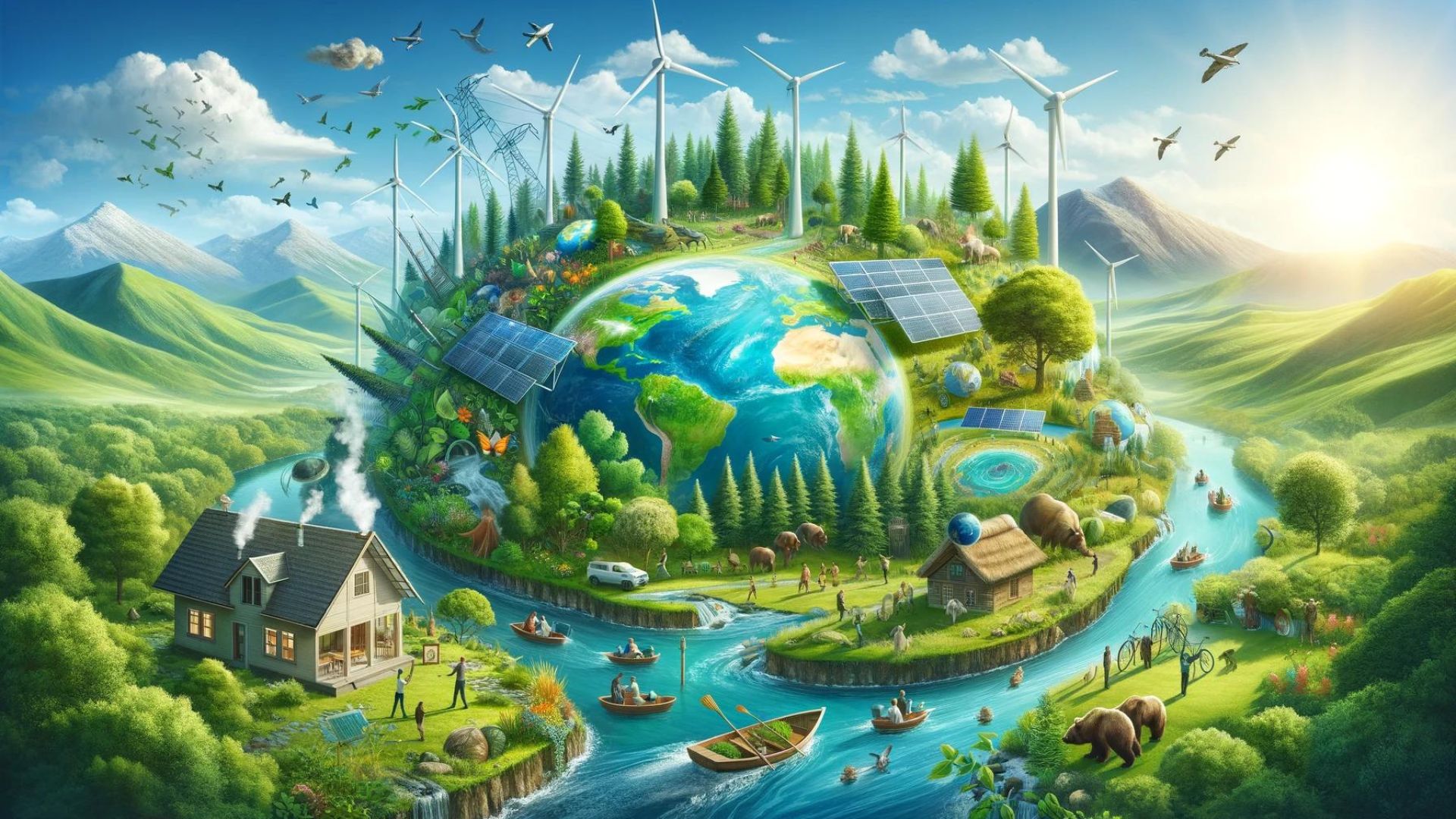
Environmental Equilibrium
Picture this: a raging forest fire devours thousands of acres, choking the air with smoke. Drought forces a once-fertile community to migrate, leading to conflict over dwindling resources. A powerful hurricane flattens a coastal town, leaving people fighting for basic necessities.
These are not just environmental disasters; they’re seeds of war. When the planet suffers, we all suffer. Environmental ruin fuels competition for scarce resources, displaces entire communities, and deepens inequalities between nations. It’s a recipe for unrest and conflict, threatening the very concept of peace.
But imagine a different world. Rivers flow clean and teeming with life, providing sustenance without sparking territorial disputes. Sustainable farming practices nourish communities, ensuring food security. International agreements prioritize renewable energies, fostering cooperation rather than competition for fossil fuels.
The connection between a healthy environment and peace isn’t some abstract ideal – it’s a practical reality. Let’s break it down:
- Resource Scarcity: When water, fertile land, or energy are scarce, tensions escalate. A peaceful world depends on sustainable, equitable distribution of these vital resources.
- Climate Refugees: Rising sea levels and extreme weather events will displace millions. Imagine the instability caused by mass migrations across borders, leading to conflict over who will take them in.
- Economic Stability: Healthy ecosystems support livelihoods. Fishing communities, forests, and fertile land promote economic security, lessening the desperation that fuels violence.
- Global Collaboration: Addressing environmental challenges is impossible without the cooperation of nations, fostering diplomacy and trust, paving the way for peace.
The good news is, protecting the environment isn’t just about avoiding conflict – it’s about building a more just and peaceful world for everyone. Here’s where you come in:
- Go Green – Small Acts, Big Impacts: Recycling, saving energy, reducing water waste… these seem like small drops, but collectively they form a wave of change.
- Conscious Consumption: Think about where your food, clothes, and goods come from. Support sustainable businesses and practices with your buying power.
- Speak Up! Demand accountability from businesses and politicians. Push for policies that prioritize environmental protection, locally and globally.
- Spread the Word: Educating yourself and others is crucial. When people understand the link between a healthy planet and peace, support grows even stronger.
Remember, a peaceful world isn’t just about the absence of war, but a state where everyone thrives. Caring for our planet, and for each other, is an act of peacebuilding. So, start today with a mindful act of environmentalism. Plant a tree, support clean energy, educate yourself about conservation. Each action is a brick in the foundation of a more harmonious world.
What steps are you willing to take to protect our planet and foster peace? Share your ideas in the comments, let’s inspire each other!
Why Should You Care?
- The Future is at Stake: Ignoring environmental damage isn’t an option. The consequences – conflicts, inequality, suffering – will impact everyone, globally.
- Peace is More Than No War: True peace means thriving communities, security, and a sustainable future for all. Environmental health is essential to this vision.
- Your Actions Matter: Environmental protection and peacebuilding start with individual choices and collective action leading to a better future.
Key Takeaways
- Environmental damage breeds conflict and instability.
- Resource scarcity leads to tensions over necessities for survival.
- Climate change creates mass displacement and potential conflict.
- Prioritizing sustainability fosters economic security and reduces tensions.
- Protecting the planet requires global cooperation, which builds diplomacy and trust.
- Small environmental actions collectively make a significant impact.
Keywords
- Environmental Equilibrium: A balanced and healthy state of the environment.
- Resource Scarcity: Lack of vital resources like water, fertile land, or energy.
- Climate Refugees: People forced to flee their homes due to climate-related disasters.
- Economic Stability: A healthy economy that provides opportunities and security.
- Global Collaboration: Nations working together to address challenges.
- Sustainability: Meeting present needs without compromising those of future generations.
- Conscious Consumption: Making mindful purchasing decisions based on sustainability.
- Clean Energy: Energy sources that are renewable and produce little or no pollution.
- Conservation: Protecting and restoring natural resources and ecosystems.
- Peacebuilding: Active process of creating structures and conditions for sustainable peace.
Frequently Asked Questions
- Isn’t it too late to fix the environmental problems? It’s never too late to make a difference, every action to protect the planet matters. However, urgency is key.
- Can individuals really make a difference? Absolutely! Collective changes in consumption habits, support for sustainable businesses, and holding leaders accountable create powerful shifts.
- How does my country’s environmental policies affect peace elsewhere? We live in an interconnected world. Pollution, resource exploitation, and climate change don’t respect borders.
Myth Buster
- Myth: Caring for the planet is a luxury – people struggling economically can’t worry about sustainability.
- Reality: The poorest communities are often hardest hit by pollution and environmental disasters. Sustainable practices are essential for economic security and resilience.
Let’s Talk
- In what ways have you noticed environmental issues impacting your own community?
- What’s one change you’re willing to make in your daily life to be more environmentally conscious?
- How can we hold businesses and governments accountable for sustainable practices?
Let’s build a conversation! Share your thoughts in the comments below.






0 Comments