There’s a word so dark, so ancient, and so atmospheric that it sounds like it was whispered by the shadows themselves. Cimmerian doesn’t just mean dark — it carries the weight of an entire mythological people who lived where the sun never shone. Let’s step into the darkness and find what this extraordinary word can teach us about light.
Have you ever been somewhere so dark that you couldn’t see your own hand in front of your face? Not just nighttime dark, but a deep, total, almost physical darkness — the kind that seems to have weight and texture?
If you have, you’ve experienced something Cimmerian. And you’ve touched the edge of a word that reaches back thousands of years.
So what does “Cimmerian” mean? In its simplest sense, it means very dark, gloomy, or deeply obscure. But unlike ordinary words for darkness — dim, dark, shadowy — Cimmerian carries mythology in its bones.
The word comes from the Cimmerians, a people described in Homer’s Odyssey. According to Homer, they lived at the very edge of the world, in a land of perpetual mist and darkness where the sun never rose and never set. Odysseus had to pass through their territory to reach the underworld. So when you use the word Cimmerian, you’re not just saying “dark.” You’re invoking a place beyond the reach of light itself — a realm where darkness isn’t the absence of something but the presence of something else entirely.
And that’s what makes this word so extraordinary. Most words for darkness are negative — they describe what’s missing. Cimmerian darkness feels like a substance. It has depth, atmosphere, and even a strange kind of beauty.
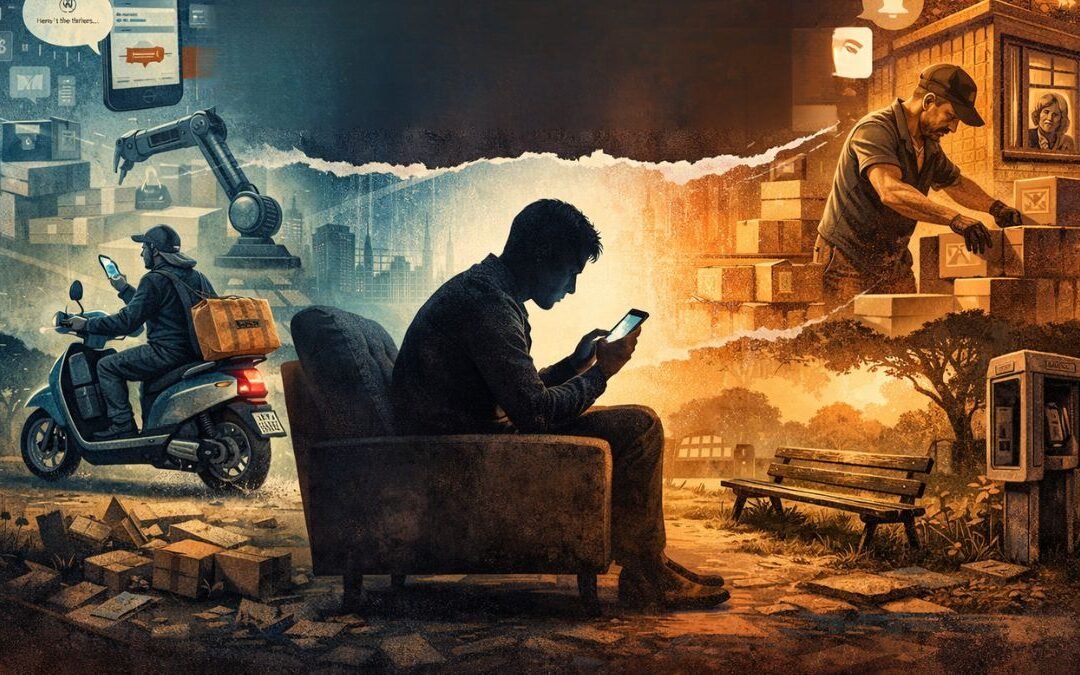
Now, here’s where it gets really interesting. We might not live in a land of perpetual fog, but we all go through Cimmerian moments. Times when the way forward is completely obscured. When clarity feels impossible and you can’t see the next step, let alone the destination. A Cimmerian phase of life isn’t just a bad day — it’s a stretch of time where you feel like the light has genuinely gone out.
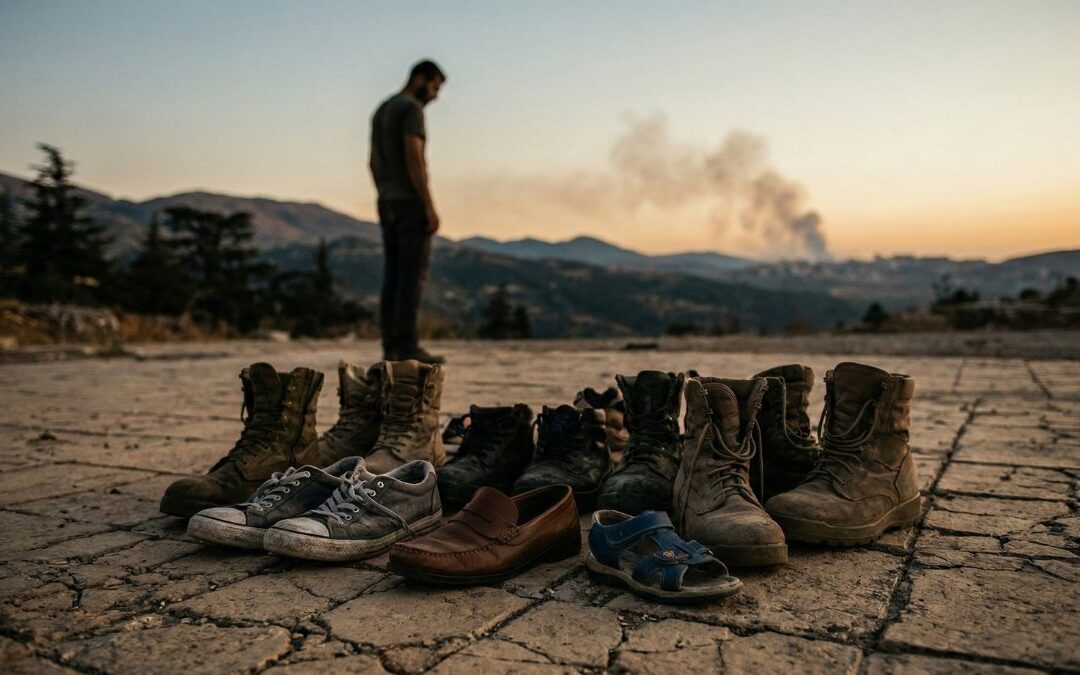
But remember what the myth teaches us. The Cimmerian land wasn’t the end of the journey. It was something Odysseus had to pass through to get where he needed to go. The darkness was part of the path, not the destination. And there’s something profoundly comforting about that. Your darkest moments aren’t dead ends — they’re passages.
There’s also something empowering about having a word this dramatic for darkness. When you can name something, you can face it. Saying “I’m going through a Cimmerian time” is more than just saying “things are rough.” It acknowledges the scale of the darkness while simultaneously framing it as something literary, something epic, something that even heroes have to navigate.
And let’s not forget the aesthetic side. Cimmerian is a gorgeous word. Say it slowly: Cim-MER-i-an. It sounds like velvet. It sounds like the deep part of a cello. It’s one of those rare words that sounds exactly like what it means, and using it elevates your language instantly.
So here’s my question for you: have you ever been through a Cimmerian period in your life — a time of deep, enveloping darkness — and what brought you back into the light? Share your story in the comments below. Sometimes naming the dark is the first step toward finding the dawn.