Is there anything you'd actually want to last forever — or does forever ruin everything it touches?
It's worth really asking, because we throw the wish around so lightly — if only this could last forever — without stopping to wonder whether we'd survive it if it did. There's a word for that state of never-ending, of going on and on without stop, and it's a word with two completely opposite faces depending on what it's attached to. The word is perpetual. It means continuous, unceasing, never-ending, forever. From the Latin perpetuus — continuing throughout, uninterrupted. And here's what fascinates me about it: perpetual can be the most beautiful word in the language or the most exhausting one, and nothing changes but what it's describing.
Think about the beautiful side first. There's a phrase, an old and lovely one, used at gravesides across centuries: may perpetual light shine upon them. Perpetual light. Light that never goes out, never dims, never ends. And in that phrase, perpetual is pure comfort, pure hope — the promise of something good that will never stop, a warmth beyond the reach of any darkness. We long for the perpetual when it comes to the things we love. Perpetual peace. Perpetual spring. Perpetual love that never fades. When perpetual is attached to something good, it's the most consoling word imaginable — the dream that the beautiful thing will simply never end.
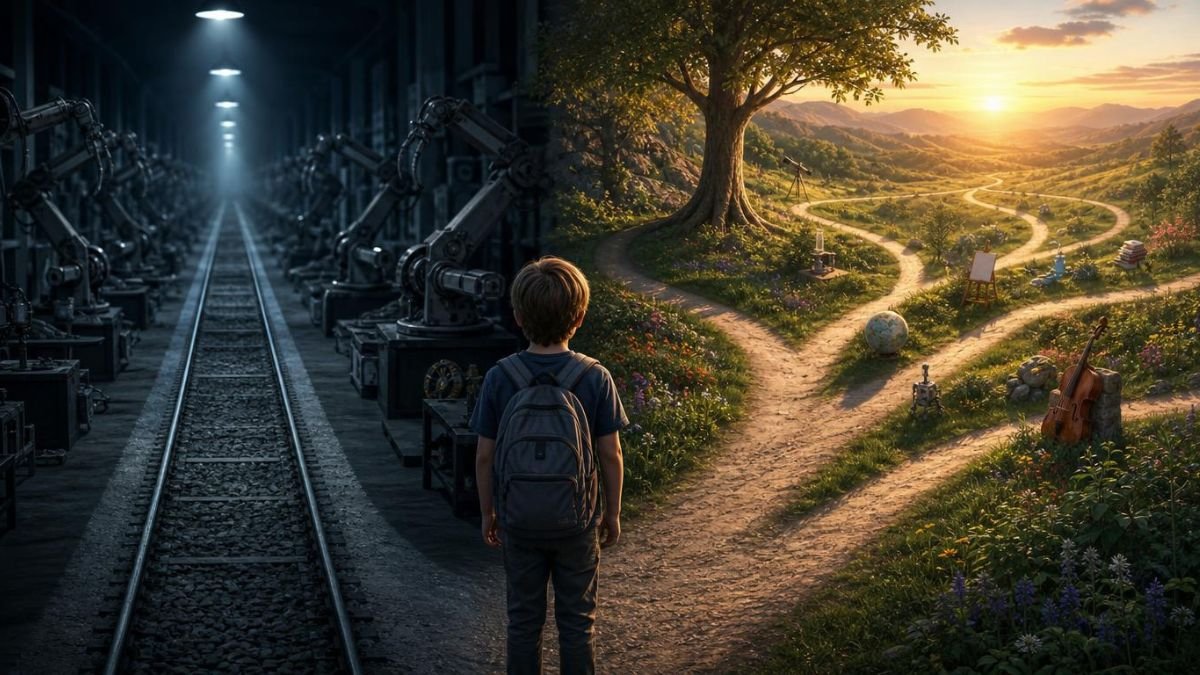
But now flip it, and feel how fast the word turns. Perpetual motion. Perpetual noise. Perpetual worry. Perpetual anxiety that never once lets up. Perpetual demands. Perpetual conflict. Suddenly the very same word — the never-ending, the unceasing, the forever — becomes a nightmare. Because when perpetual is attached to something hard, its endlessness is exactly what makes it unbearable. A hard thing you can survive if you know it will end. The same hard thing becomes crushing the moment it becomes perpetual — the moment the light at the end goes out and you realize this is not a tunnel, this is simply the world now, on and on, without stop. Perpetual difficulty is a different kind of suffering entirely, because it removes the one thing that makes hard things survivable: the belief that they end.
And this tells us something profound about how we endure things. We can bear almost anything if it's temporary. It's the perpetual that breaks us. Give a person a terrible day and tell them it ends at midnight, and they'll get through it. Give them the same difficulty with no end in sight — make it perpetual — and something different happens to the spirit. Hope, in a sense, is the belief that the hard thing is not perpetual. And despair is the belief that it is. That's almost a definition. To despair is to become convinced that your suffering is perpetual — that it will never, ever end. And to hope is to hold, against that, the faith that it's temporary, that this too will pass, that nothing hard lasts forever.
Notice, too, how the word itself refuses to stop. Perpetual — say it and it almost rolls onward, that soft chain of syllables with no hard edge to close it off, the sound spilling forward the way the thing it names spills forward without end. Some words end with a click, a stop, a door shut. Perpetual doesn't want to end. It trails. And there's a quiet appropriateness in that, as if the language shaped the word to keep going the way the thing itself keeps going.
Which means one of the most important things you can ever do for yourself in a dark time is to question the word perpetual. Because in the middle of suffering, the mind lies to us, and its favorite lie is exactly this one: that the pain is perpetual. It always feels perpetual from the inside. When you're in it, you cannot imagine it ending; the hard thing fills the whole horizon and seems to stretch forever in every direction. But that feeling of perpetualness is almost always false. Very few hard things are actually perpetual. They just feel that way from within, because pain has a way of erasing the memory that anything else ever existed or ever will. Naming that lie — recognizing that "this will never end" is a feeling, not a fact — can be the thing that gets you through.
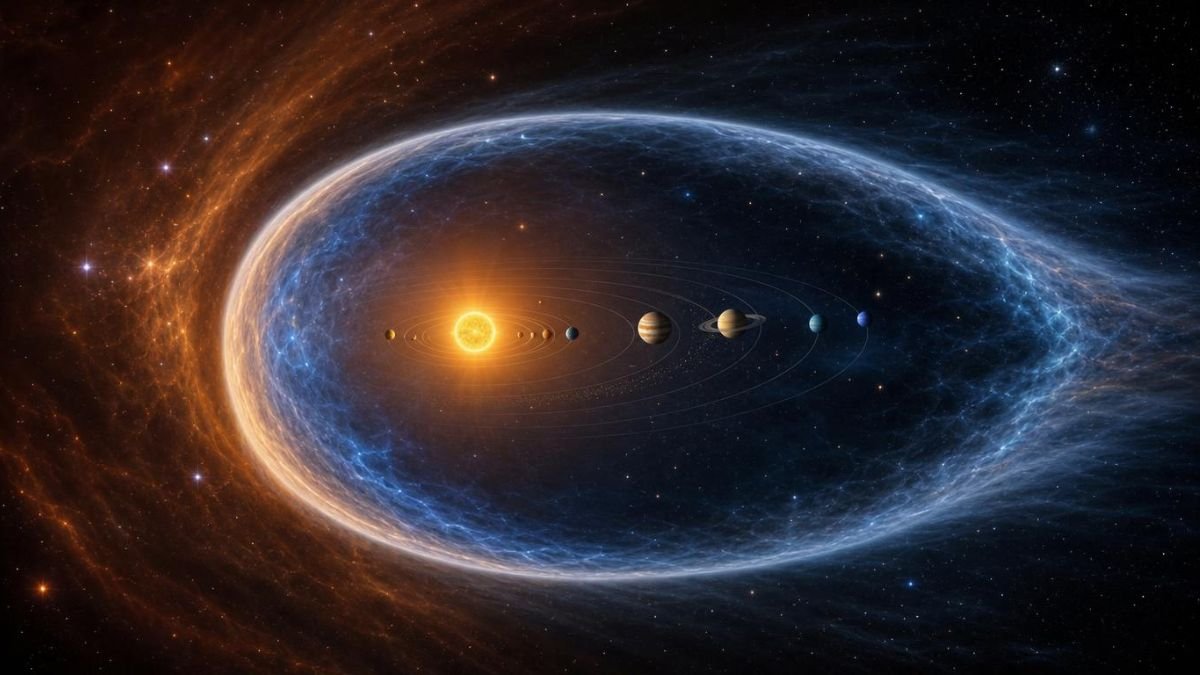
And here's the deeper paradox, the one I find genuinely beautiful. It may be that nothing we love could stay beautiful if it were actually perpetual. We ache for our joys to last forever — but we explored this once before, the strange truth that things are precious partly because they end. A perpetual sunset would stop being a sunset. Perpetual spring would lose the meaning that only comes from having survived a winter. Even the goods we most want to make perpetual might dissolve into meaninglessness if they truly never ended. Which suggests that the perpetual might belong to a different order of things entirely — that it's less a feature of this life, where everything flows and ends and changes, and more a word we reach for when we're pointing at something beyond it. Perpetual light, after all, is not something we've ever seen in this world. It's something we hope for past its edge.
So perpetual is a word that lives on the border between our deepest longing and our deepest dread. We long for the perpetual when it comes to what we love. We dread it when it comes to what we suffer. And most of life, mercifully, is neither — most of life is temporary, flowing, changing, neither the perpetual bliss we wish for nor the perpetual pain we fear. And maybe that's exactly as it should be. Maybe the flow, the endings, the fact that almost nothing here is truly perpetual, is what makes this life livable — and what makes the idea of perpetual light something we can hope for, precisely because we've never had to bear it.
Here's what I'll leave you turning over, perhaps for a while. If our hope is really the belief that hard things aren't perpetual, and our despair is the belief that they are — then what in your life have you been treating as perpetual, as never-ending, that might, in truth, be far more temporary than it feels from the inside?


0 Comments