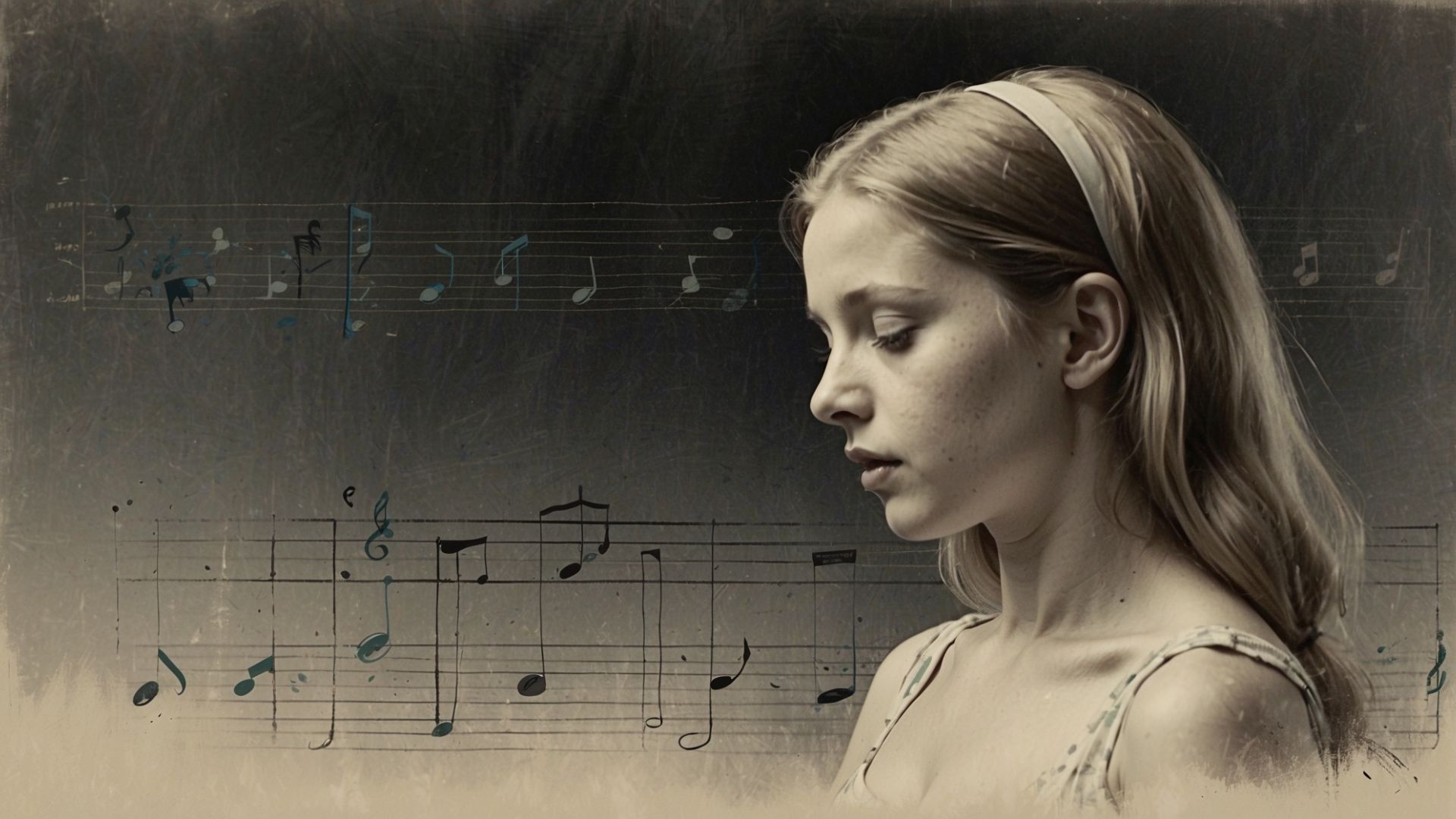
Think back to your school days. Chances are, learning your ABCs went hand-in-hand with a song. Remember those multiplication tables? They were probably way catchier when set to a beat. That’s no coincidence – music and our brains are deeply intertwined.
Your Brain on Music
Turns out, playing or even just listening to music is like a full-body workout for your brain. It lights up areas responsible for:
- Movement: That’s why you can’t help but tap your feet or sway to music.
- Emotions: Ever feel chills down your spine or get teary-eyed listening to a powerful piece? That’s music tapping into your emotional centers.
- Memory: Familiar tunes bring back a flood of memories, even from years ago.
- Language: Learning songs helps little kids with vocabulary and language structure.
- Higher-level thinking: Studying and playing music challenges your brain to work hard, improving focus and problem-solving beyond just music itself.
Learning Superpowers
This isn’t just about making you better at playing the guitar. Early music education has incredible benefits for kids:
- Stronger Readers: Kids who study music learn rhythm and rhyme, boosting the same skills needed for reading.
- Math Whizzes: Music helps with pattern recognition and complex thinking – key for mathematical concepts.
- Team Players: Orchestras, bands, and choirs teach collaboration and how everyone’s part matters.
- Creative Expression: Whether it’s making up a silly song on the fly or mastering an instrument, music fosters creativity and self-expression.
Music for Life
The benefits don’t disappear when you graduate. Actively listening to music reduces stress, improves mood, and keeps your brain sharp as you age. It can even help people with memory loss or those recovering from brain injuries. Music truly works wonders throughout our lives.
Real-World Proof
Think this is just feel-good fluff? Studies show that students who participate in music programs often score higher on standardized tests and are more likely to attend college. Music is a powerful tool, not just a hobby.
Your Action Step
Ready to make your brain sing? Here’s how:
- Dust off that instrument: Even if you’re rusty, playing engages your brain in unique ways.
- Crank up the volume: Don’t just have music on in the background, take time to actively listen with focus. You’ll reap greater benefits.
- Make music a family thing: Sing with your kids, have a dance party – it’s about connecting and having fun as much as any formal lessons.
Music has the potential to rewire your brain for enhanced learning, memory, and creativity. So put on those headphones, pick up a ukulele, or sing your heart out in the shower. Your brain will thank you!
Why Should You Care?
- Music isn’t just entertainment: Understanding its impact on the brain shows how it can be a powerful tool for learning and self-improvement throughout life.
- Music education matters: This knowledge highlights the importance of supporting music programs in schools and communities for the benefit of all students.
- Music benefits everyone: From childhood development to healthy aging, music can enrich our lives in many ways.
Key Takeaways
- Music activates many areas of the brain, not just those associated with sound or entertainment.
- Early music education has far-reaching benefits for kids, including improved reading, math, and social skills.
- Musical involvement strengthens focus, creativity, and problem-solving skills that carry into other areas of life.
- Listening to and actively engaging with music offers benefits for emotional well-being and brain health.
- Music provides a unique way to connect with others, foster self-expression, and have fun.
Keywords with Definitions
- Neuroplasticity: The brain’s ability to change and adapt throughout life, forming new connections in response to experiences.
- Pattern recognition: The ability to identify similarities, trends, and sequences in information, a key skill in both music and mathematics.
- Standardized Tests: Formal examinations used to compare student performance across schools or regions.
- Memory Loss: Deterioration in the ability to store and retrieve memories, which can be a symptom of aging or certain illnesses.
- Brain Injury: Damage to the brain caused by trauma, disease, or stroke.
- Music Therapy: The use of music and musical interventions by trained professionals to support physical, emotional, and cognitive needs.
- Emotional Well-being: Your overall state of mental and emotional health.
- Active Listening: Intentionally focusing on hearing and understanding music for greater engagement and enjoyment.
- Collaboration: Working together towards a common goal.
- Self-Expression: Communicating your thoughts, feelings, and personality through activities like creating or performing music.
Frequently Asked Questions
- Does my child have to be a musical prodigy to benefit? Not at all! The positive effects come from active engagement and enjoyment, not just advanced talent.
- Is it ever too late to start music lessons? Absolutely not! While starting young builds a strong foundation, adults also experience brain benefits from learning music.
- What if I’m not musically inclined, can I still get benefits? Yes! Focused listening activates many of the same brain areas as playing, and even singing along or dancing engages your mind and body.
Myth Buster
- Myth: You’re either born musically talented, or you’re not.
- Reality: While some people have natural aptitude, musical ability is a skill that can be developed and improved through practice and exposure.
Let’s Talk
- Did you participate in any music education programs as a child? How did it impact you?
- What kind of music sparks your creativity or helps you focus?
- If you could pick up any instrument, what would it be? Why?
Let’s hear it! Share your thoughts and experiences related to music and the brain in the comments below.





0 Comments