Hold On Tight: Understanding FDR’s Message of Resilience

by Danny Ballan | Apr 10, 2024 | Quotes

"When You Reach the End of Your Rope...": Finding Strength in FDR's Words

Franklin D. Roosevelt's powerful quote, "When you reach the end of your rope, tie a knot in it and hang on," has become a timeless maxim about resilience in the face of overwhelming challenges. These words carry profound meaning, going beyond a mere promotion of stubborn persistence.

The Meaning Behind the Metaphor

FDR's words don't suggest endless suffering. Instead, they convey these key concepts:

  • Acknowledgment of Struggle: The quote validates those moments when you feel utterly depleted, like everything might fall apart.
  • The Power of 'The Knot': This 'knot' is a symbolic anchor point. It can be a specific goal, a person who believes in you, or simply the sheer will to survive.
  • Refusal to Give Up: It's about finding the internal strength to endure until things improve, even if that improvement seems far away.

When to Draw Strength from this Message

FDR's quote resonates most when:

  • Facing setbacks or prolonged hardship: Job loss, prolonged illness, or a major failure can make you feel at breaking point.
  • Tasks feel overwhelming: This could be an enormous project or a complex emotional challenge. The knot is a reminder to take it one step at a time.
  • You need a sliver of hope: Sometimes, sheer determination to keep going is the only light you can see.

When Caution is Needed

It's important to remember:

  • Seeking Support: Resilience doesn't mean facing everything alone. Reach out to loved ones or consider professional support if needed.
  • Toxic Positivity: The quote isn't about ignoring your pain or forcing yourself to endure harmful situations.
  • Physical Limits: Forcing yourself past physical breaking points can be dangerous. Rest and recuperation are also part of a journey to recovery.

FDR's Wisdom in Practice

Roosevelt, who led America through the Great Depression and World War II while battling polio himself, embodies the spirit of his quote. His words are a testament to the human potential to persevere in extraordinarily difficult situations.

Related Posts

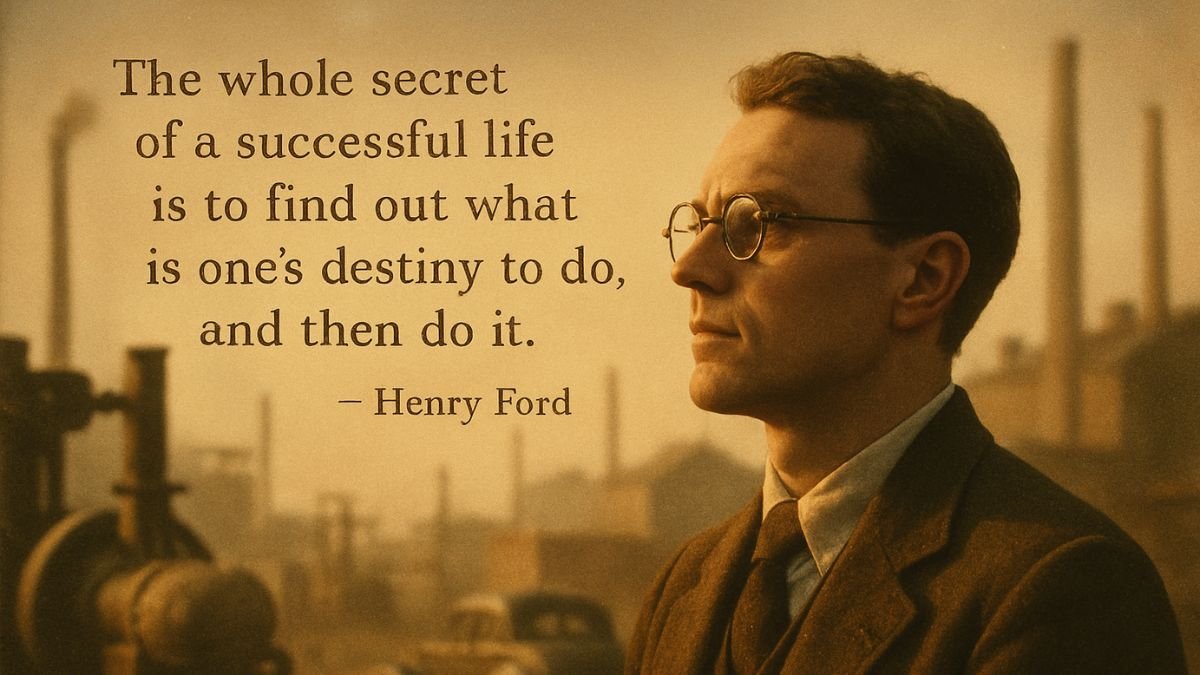
The whole secret of a successful life is to find out what is one’s destiny to do, and then do it

Henry Ford’s “Secret to Success”: Unlocking Your Destiny or Dangerously Outdated Advice?

A deep dive into Henry Ford’s famous quote: “The whole secret of a successful life is to find out what is one’s destiny to do, and then do it.” We deconstruct the meaning of purpose, destiny, and the hard work of “doing it” in the modern world. Is this the ultimate blueprint for a successful life? Read our in-depth analysis, vocabulary and grammar lessons, and more.

0 Comments

Submit a Comment

This site uses Akismet to reduce spam. Learn how your comment data is processed.

Recent Posts

A History of Sex as a Business

A History of Sex as a Business 09 | The Digital Turn: Platforms, Algorithms, and OnlyFans

This is part 9 of 10 in The Oldest Profession

The internet transformed commercial sex as radically as anything since the industrial revolution — enabling greater autonomy for some, creating new vectors for exploitation for others, and producing a legislative and ethical landscape that nobody has figured out how to navigate. This episode examines FOSTA-SESTA, OnlyFans, the trafficking-platform debate, and where we actually stand.

read more...
A History of Sex as a Business

A History of Sex as a Business 08 | The Business Model: How the Industry Actually Works

This is part 8 of 10 in The Oldest Profession

Beneath the historical narrative is an economic structure — one characterized by specific mechanisms of recruitment, control, and profit extraction that have remained remarkably consistent across centuries and continents. This episode examines the business of commercial sex as a business: how it actually operates, how exploitation is maintained, and where the money actually goes.

read more...
A History of Sex as a Business

A History of Sex as a Business 07 | The 20th Century: Wars, Migration, and the Criminalization Wave

This is part 7 of 10 in The Oldest Profession

The twentieth century saw two world wars that massively expanded military commercial sex economies, massive migration patterns that created new trafficking vulnerabilities, and a wave of criminalization campaigns that often made things worse for the people they claimed to help. This episode traces how the modern policy landscape was created.

read more...

Categories

Follow Us