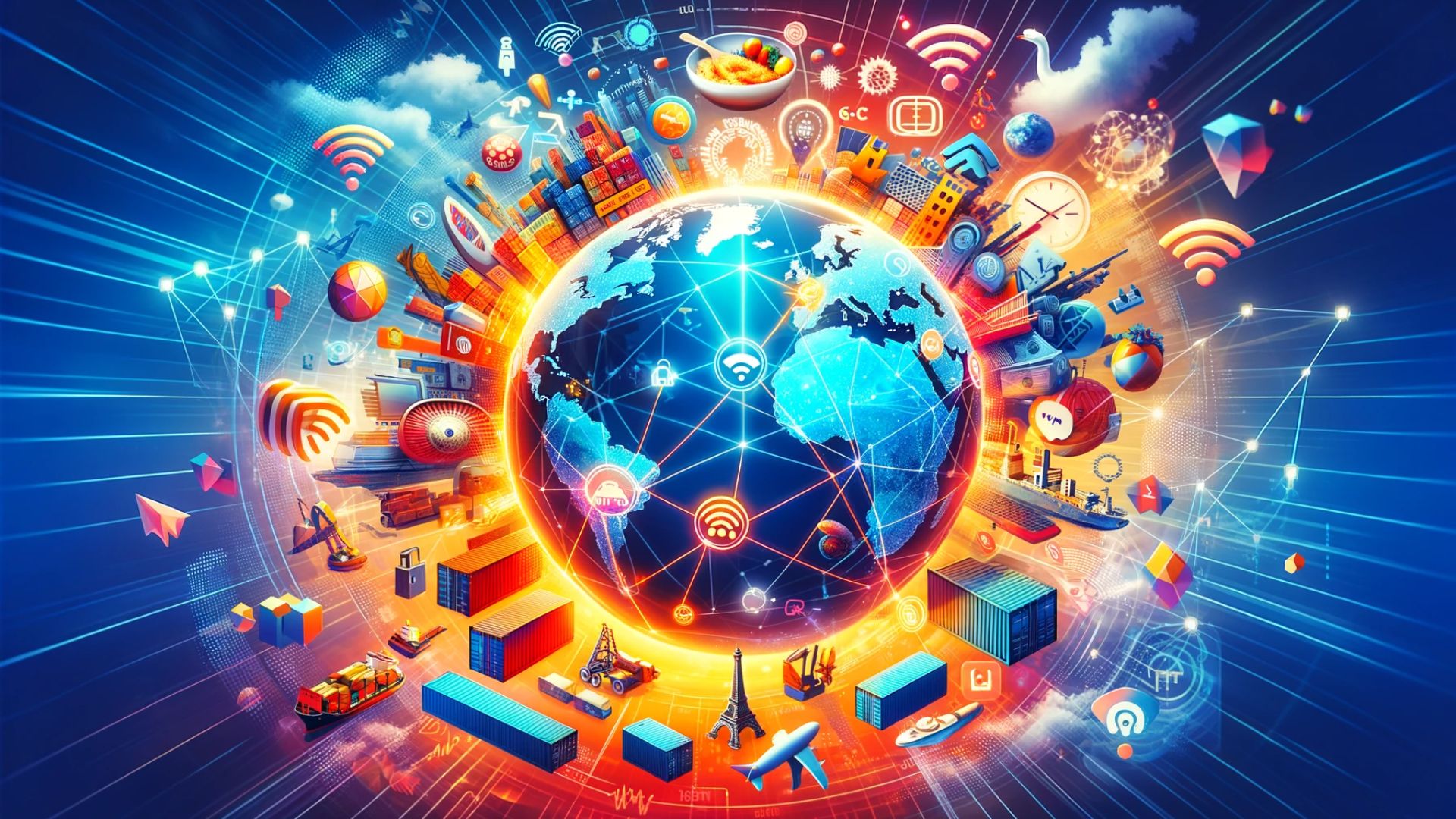
Dive into the essentials of globalization with our comprehensive guide. Discover how our world is more connected than ever through examples, implications, and real-life impacts. Learn the importance of understanding globalization and how you can navigate its effects in everyday life.
In an era where a tweet can influence markets across the globe and a product designed in one country is manufactured in another, sold worldwide, and discussed on a platform hosted in a third, understanding globalization is not just beneficial—it’s essential. Globalization refers to the process by which businesses, technologies, and cultures begin to operate on an international scale, transcending local and national boundaries to influence and be influenced by global trends and activities.
The Driving Forces Behind Globalization
Globalization is propelled by several key factors: advancements in technology, trade liberalization, the mobility of capital and labor, and the spread of information. The internet and mobile communication have shrunk distances, enabling real-time communication and collaboration across continents. Meanwhile, international trade agreements and organizations like the World Trade Organization (WTO) have reduced trade barriers, making it easier for goods and services to flow across borders.
Real-Life Examples of Globalization
- Multinational Corporations: Companies like Apple, McDonald’s, and Coca-Cola operate on a global scale, sourcing materials from various countries, manufacturing products in others, and selling them worldwide. This not only boosts global economic integration but also cultural exchange.
- Global Supply Chains: The automotive industry is a prime example of globalization. A single car can contain parts from dozens of countries, highlighting the interdependence of national economies.
- Cultural Exchange: Globalization facilitates the spread of cultures. For instance, the popularity of yoga and mindfulness in the West has roots in ancient Indian traditions, while Hollywood movies are enjoyed worldwide.
Implications of Globalization
The effects of globalization are multifaceted, affecting economic, social, cultural, and environmental dimensions:
- Economic Impacts: While globalization can lead to economic growth and development, it also raises concerns about inequality, as benefits might not be distributed evenly across or within countries.
- Cultural Impacts: There’s a rich cultural exchange, but there’s also fear of cultural homogenization, where dominant cultures overshadow local traditions.
- Environmental Concerns: Globalization’s efficiency often comes at an environmental cost, with increased transportation leading to higher carbon emissions and multinational corporations exploiting natural resources in developing countries.
Navigating Globalization
Understanding globalization is the first step toward navigating its complexities. Here are ways to engage positively with globalization:
- Stay Informed: Keep abreast of global news and trends. Understanding the global economy, politics, and cultural shifts can help you make informed decisions.
- Embrace Cultural Diversity: Explore and appreciate the cultural exchanges globalization facilitates. Learning new languages or culinary traditions can enrich personal and professional lives.
- Advocate for Responsible Practices: Support businesses and policies that promote ethical globalization, focusing on fair trade, environmental sustainability, and equitable economic opportunities.
Action Point:
Reflect on how globalization affects your daily life, from the products you use to the news you consume. Think about how you can contribute to a more equitable and sustainable global community. Whether it’s by making conscious consumer choices, learning about other cultures, or advocating for policies that support ethical globalization, your actions can help shape a more interconnected and responsible world.
Globalization is a complex and ongoing process, with the power to transform societies in profound ways. By understanding its dynamics and implications, you can better navigate its challenges and opportunities, contributing to a more inclusive and sustainable future for all.
Why Should You Care?
Understanding globalization is crucial because it shapes our daily lives, from the diversity of products we consume to the cultural experiences we enjoy and the economic opportunities available to us. It affects job markets, environmental sustainability, and cultural identities, making it a key factor in navigating the challenges and opportunities of the 21st century.
Key Takeaways:
- Globalization is the interconnectedness of the world through economic, technological, cultural, and political exchanges.
- Technological advancements and trade liberalization are major drivers of globalization, facilitating global communication and commerce.
- Globalization impacts various aspects of life, including economy, culture, and environment, with both positive growth opportunities and challenges.
- Cultural exchange and global supply chains are vivid examples of globalization in action, showing how interconnected and interdependent the world has become.
- Being informed and engaged can help individuals navigate globalization positively, advocating for responsible practices and embracing cultural diversity.
Keywords and Definitions:
- Globalization: The process of increasing interconnectedness and interdependence among countries worldwide, often characterized by global economic, cultural, and political exchanges.
- Multinational Corporations: Companies that operate in several countries, influencing global economic and cultural trends.
- Cultural Exchange: The sharing and blending of cultures through interactions and exchanges among people from different parts of the world.
- Trade Liberalization: The removal or reduction of trade barriers, such as tariffs and quotas, to encourage free trade among countries.
- Global Supply Chains: Networks that span across multiple countries for the production and distribution of goods and services.
- Economic Growth: An increase in the economic output and wealth of a country, often seen as a benefit of globalization.
- Cultural Homogenization: The process by which local cultures are overshadowed and replaced by dominant global cultures.
- Fair Trade: Trade between companies in developed countries and producers in developing countries in which fair prices are paid to the producers.
- Environmental Sustainability: Practices and policies designed to reduce environmental impact and ensure that natural resources are used responsibly.
- Ethical Globalization: A movement towards making global integration more equitable, focusing on human rights, environmental protection, and social justice.
Frequently Asked Questions:
How does globalization affect small businesses?
Globalization can provide small businesses with access to a wider market, offering opportunities for growth and expansion. However, it also presents challenges such as increased competition from international companies and the need to adapt products or services to meet global standards.
Can globalization lead to job loss?
Yes, globalization can lead to job displacement in industries that move operations abroad seeking lower labor costs. However, it can also create jobs in other sectors, such as technology, logistics, and service industries that support global operations.
Myth Buster:
Myth: Globalization only benefits wealthy countries.
Reality: While challenges exist, globalization can also offer significant opportunities for developing countries, including access to new markets, investment, technology transfer, and improved infrastructure. The key is ensuring that globalization is managed in a way that promotes equitable benefits across countries.
Let’s Talk:
- How has globalization impacted your local community or industry?
- In what ways can we promote a more equitable form of globalization?
- How can individuals contribute to environmental sustainability in a globalized world?
I encourage you to share your thoughts and opinions in the comments section. Let’s engage in a meaningful conversation about how we can navigate the complexities of globalization together.








0 Comments