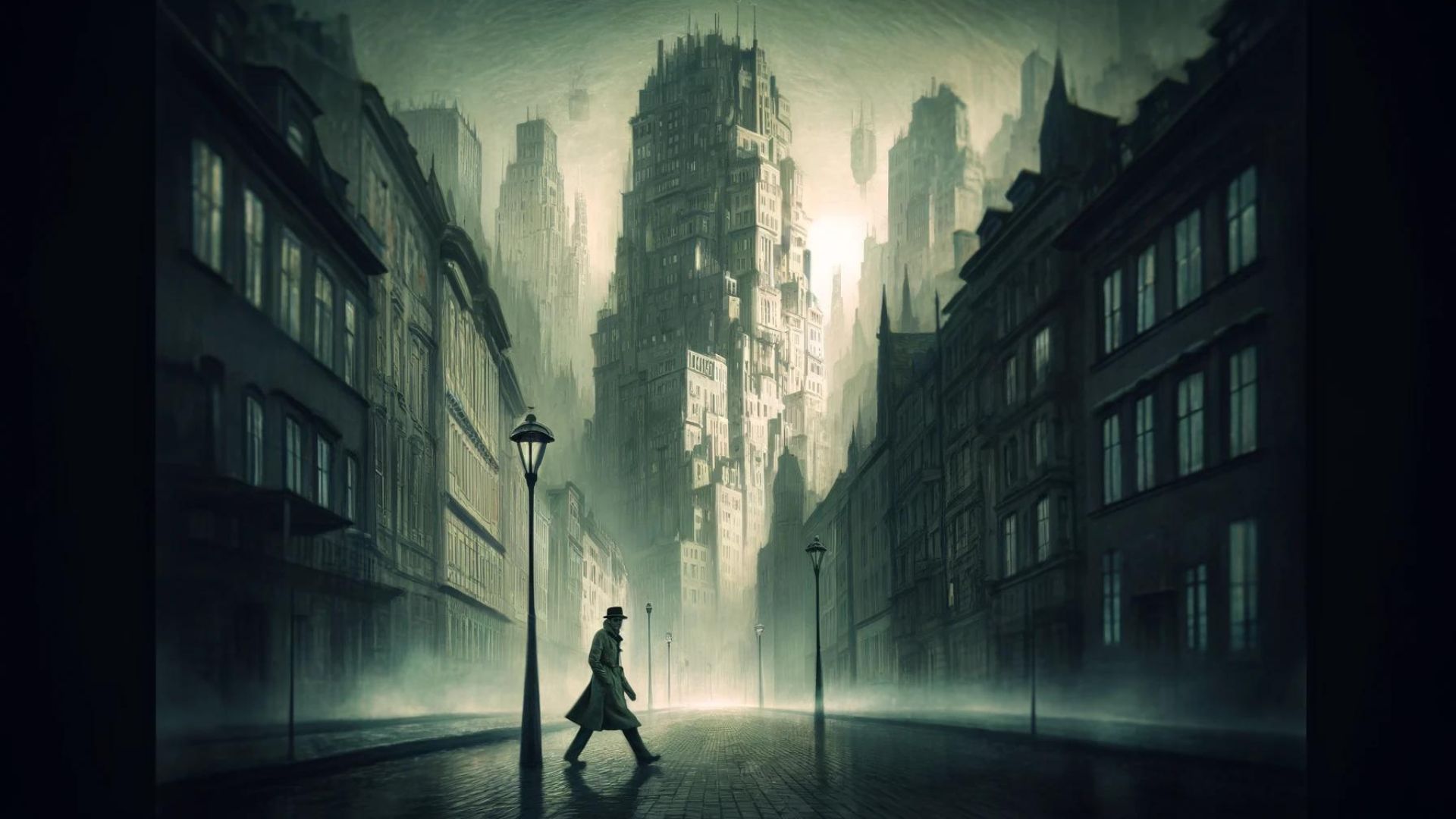
Franz Kafka, a name synonymous with modernist literature, has left an indelible mark on the literary world. Known for his distinctive style and profound exploration of existential and absurd themes, Kafka's works continue to resonate with readers and scholars alike. This article delves into the life of Franz Kafka, his most famous works, his greatest achievements, and the lasting influence he has had on literature and modern thought.
Early Life and Background
Franz Kafka was born on July 3, 1883, in Prague, which was then part of the Austro-Hungarian Empire. He was the eldest son of Hermann and Julie Kafka, a middle-class Jewish family. Kafka's relationship with his domineering father was strained, a dynamic that profoundly influenced his writing. He studied law at the German University in Prague, earning a doctorate in 1906. Kafka worked in various insurance companies, a career that provided him stability but also constrained his creative pursuits.
Literary Career and Style
Kafka's literary output was not vast, but it was highly influential. His works are characterized by their exploration of bizarre and surreal situations, often reflecting themes of alienation, bureaucratic absurdity, and existential anxiety. His unique narrative style and deep psychological insight set him apart as a pioneering figure in modernist literature.
Famous Works
The Metamorphosis (1915):
Arguably Kafka's most famous work, "The Metamorphosis" tells the story of Gregor Samsa, who awakens one morning to find himself transformed into a giant insect. The novella explores themes of identity, isolation, and the human condition, and has become a cornerstone of 20th-century literature.
The Trial (1925):
This novel, published posthumously, follows the protagonist Josef K., who is inexplicably arrested and must navigate a nightmarish legal system. "The Trial" delves into themes of justice, power, and the individual's struggle against an impersonal and oppressive bureaucracy.
The Castle (1926):
Another posthumous publication, "The Castle" centers on a land surveyor named K. who attempts to gain access to a mysterious castle and its elusive authorities. The novel's unfinished state adds to its enigmatic nature, highlighting Kafka's preoccupation with unattainable goals and the absurdity of human endeavor.
Achievements and Legacy
Kafka's greatest achievements lie not only in his literary works but also in his profound influence on literature and philosophy. His ability to articulate the anxieties and absurdities of modern life has earned him a permanent place in the literary canon.
Influence on Literature:
Kafka's works have inspired countless writers, including Albert Camus, Jean-Paul Sartre, and Jorge Luis Borges. His exploration of existential themes has significantly shaped existentialist and absurdist literature.
Cultural Impact:
The term "Kafkaesque" has entered the lexicon to describe situations reminiscent of Kafka's nightmarish, surreal, and illogical scenarios. This term reflects the pervasive influence of his unique vision on contemporary culture and thought.
Philosophical Insights:
Kafka's writing has been the subject of extensive philosophical analysis, particularly in existential and phenomenological contexts. His works continue to provoke discussions about the nature of reality, human existence, and the individual's place in society.
Kafka's Personal Struggles and Legacy
Despite his literary brilliance, Kafka struggled with self-doubt and a sense of inadequacy. Much of his work was published posthumously, thanks to the efforts of his friend Max Brod, who ignored Kafka's request to destroy his manuscripts. Kafka's introspective and often pessimistic outlook on life did not diminish the universal appeal and relevance of his work.
Franz Kafka's life and works embody the complexities and anxieties of modern existence. His achievements in literature, characterized by his exploration of surreal and existential themes, have left an indelible mark on the world. Kafka's ability to capture the absurdity of life and the bureaucratic forces that shape our existence continues to resonate with readers and thinkers.
Kafka's legacy as a literary giant is secure, and his influence remains profound. His works challenge us to confront the absurdities of our own lives and to find meaning in a seemingly indifferent world. Through his distinctive voice and compelling narratives, Franz Kafka has earned his place as one of the most important writers of the 20th century, leaving a lasting impact on literature and philosophy.








0 Comments